
🫐 Eastern Black Huckleberry
What it looks like
Quick facts
- Sun: Full sun to part shade; dappled forest light is its happy place
- Soil: Acidic (pH below 6.0), sandy or rocky, well-drained; it thrives where other shrubs sulk
- Spacing: 3–4 feet apart; it suckers into thickets over time
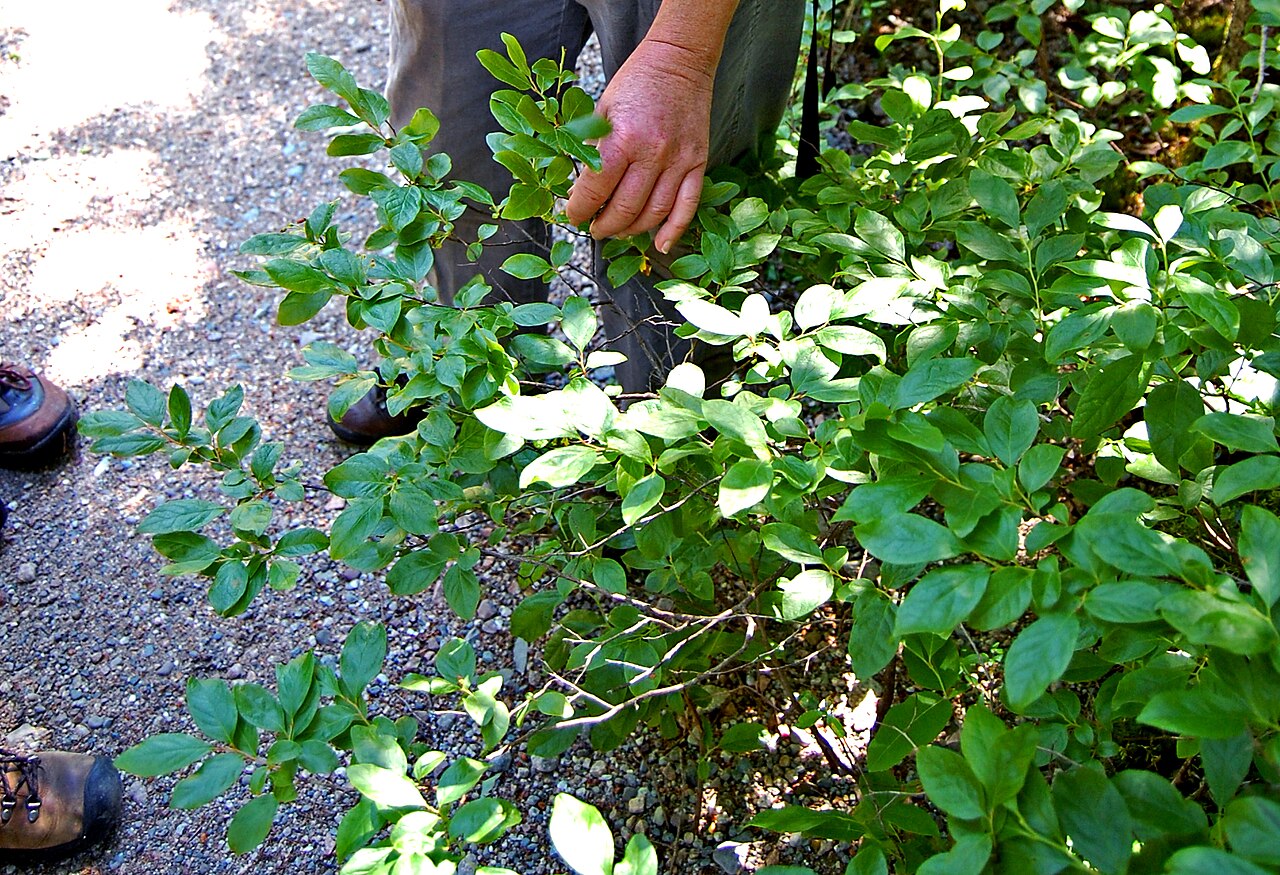
- Mature size: Typically 1–3 feet tall, up to 5 feet, spreading 4–5 feet wide
- Zones: USDA zones 3–7
- Florida: Not a Florida crop plant — a northern reference plant with, at most, a far north Florida trial; see the honest Florida note below
What it is
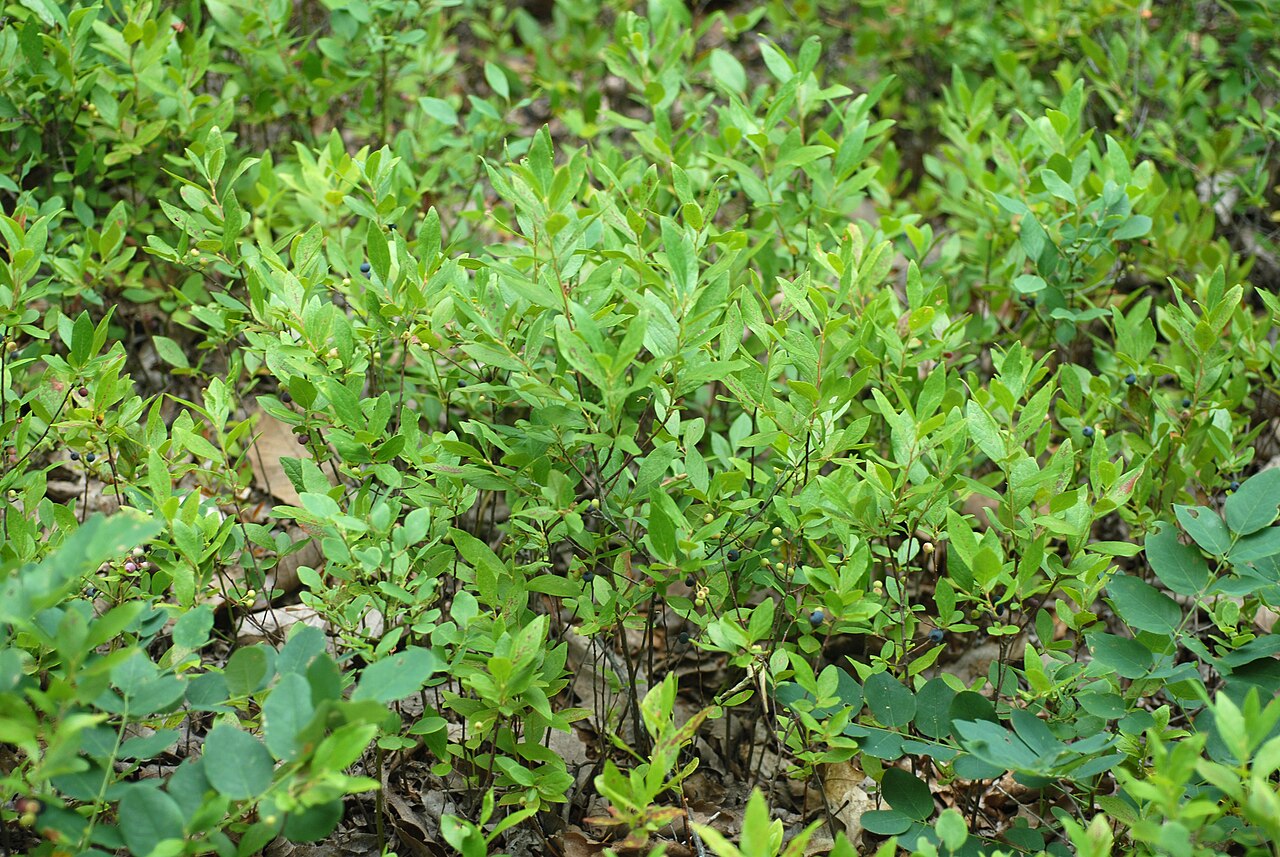
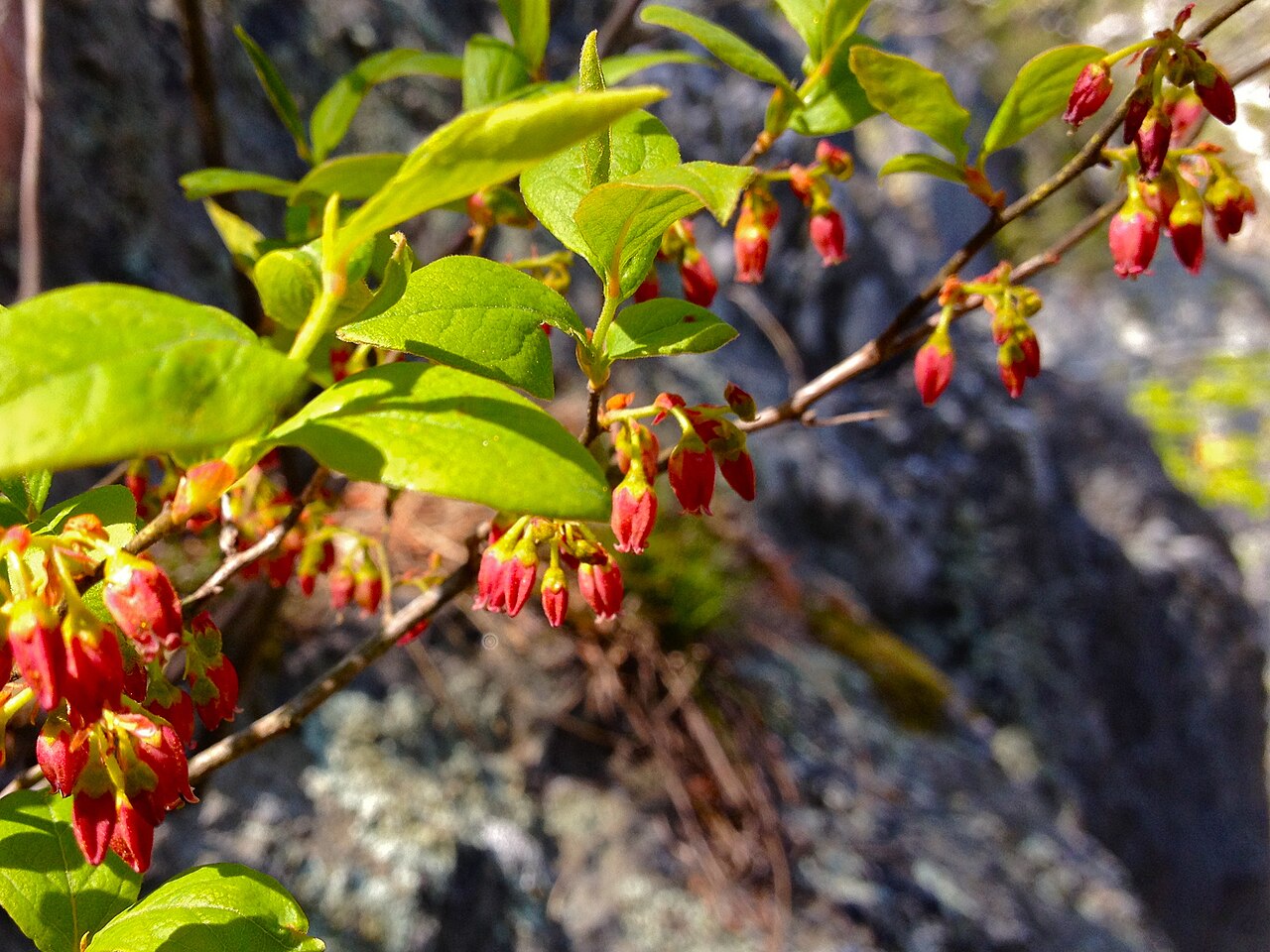
Eastern black huckleberry is the berry that makes blueberry lovers stop and rethink what they know. Gaylussacia baccata is a low, deciduous, suckering shrub of eastern North American forests, pine barrens, and rocky slopes, from Canada south through the Appalachians to Georgia and Alabama. In spring it carries dangling clusters of small red-to-pink urn-shaped flowers; by midsummer those become glossy blue-black berries about a third of an inch across.
Here is the field mark that separates a huckleberry from a blueberry: cut one open and you will find ten hard, seed-like nutlets inside, giving the berry a faintly crunchy texture. Blueberries, by contrast, have many tiny, soft seeds you barely notice. Huckleberry fans will tell you the trade is worth it — the flavor is more intense, earthier, and spicier than most cultivated blueberries, which is why the berries have been gathered for food for millennia and are still prized for pies, jams, and eating straight off the bush. The undersides of the leaves carry tiny golden resin dots that glitter in the light, another handy identification clue.
Ecologically it is a workhorse: its berries feed birds and mammals, its flowers feed bees, and it hosts butterflies including Henry’s elfin. It also resprouts vigorously from rhizomes after fire, which is why it dominates some pine-barrens understories. It is a plant of thin, acidic, undisturbed soils — the kind of ground gardeners usually try to “fix,” and this shrub would prefer you did not.
How to grow
Grow it the way it grows in the wild: in acidic, well-drained, sandy or rocky soil, in sun to part shade, with minimal fuss. Do not lime it, do not fertilize it into lushness, and do not plant it in rich, amended garden soil and expect gratitude — excess nitrogen and alkaline soil are the two fastest ways to kill it. Mulch with pine needles or shredded bark, which keep the soil acidic and cool, and water during establishment and dry spells; once settled, it is drought-tolerant, as befits a pine-barrens native.
Expect a thicket, not a specimen. Eastern black huckleberry spreads by underground stems and forms colonies, so give it room to wander or be ready to pull wandering suckers. Pruning is light: remove dead wood in late winter and let the colony renew itself. Plants grown from seed take years to fruit and vary in berry quality; nursery plants are the faster route, and even then, patience is part of the deal — wild shrubs do not perform on a commercial schedule.
Water & feeding
Water to establish, then back off. This shrub wants moist-but-drained soil in the sense that a forest floor is moist, not in the sense that a vegetable bed is watered. Feeding is usually unnecessary and often counterproductive: in its native habitat it grows in nutrient-poor soil, and fertilizer pushes soft growth that fruits poorly. If you feed at all, a light scattering of an acid-forming, low-nitrogen fertilizer in spring is the ceiling, not the floor.
Common problems
Few pests trouble it seriously in its range; its problems are almost all site problems. Alkaline soil causes chlorosis — yellow leaves with green veins — and slow decline. Waterlogged soil rots the shallow, spreading roots. Too much shade reduces fruiting, while full blazing sun in a hot climate stresses it unless the soil stays cool and mulched. Get the soil right and the site right, and the plant mostly takes care of itself.
Harvest
Pick in July and August, when the berries are fully blue-black and come away easily. Taste before you commit to a recipe — wild berries vary from bush to bush, and the best ones are worth eating fresh. The rest make superb pies, muffins, and preserves, where their intense flavor survives cooking better than milder blueberries. Leave plenty for the birds: they found these berries first, and they will remember where they are next year.
Saving seeds
Start with the crunch. A true huckleberry in Gaylussacia carries ten hard nutlets inside every berry — that is the anatomical line between huckleberry jam, with its faint crunch, and blueberry jam, without it. It also means one berry is a whole seed packet, if you are patient enough to extract it. Collect berries in late summer to early autumn, when they have turned fully blue-black and taste sweet; underripe green berries give immature seed that is not worth the trouble.
Extraction is a kitchen job, not a field job. Crush the ripe berries gently in a bowl of water and work the pulp loose with your fingers, rinsing repeatedly until the hard nutlets are clean. Pick out any remaining pulp — pulp left on the seed invites mold in storage and can inhibit germination — and spread the nutlets on paper in a cool, dry place to dry briefly. Do not over-dry them into little stones and then forget them for years: huckleberry seed is short-lived and difficult to germinate at the best of times, and fresh seed is worth far more than old seed.
The best route, honestly, is to sow fresh seed in autumn in a cold frame, in a lime-free, acidic, peaty mix kept moist, and let winter do the stratifying. If you must store seed, references disagree on the prescription, and the disagreement is worth knowing: one standard reference calls for about a month of warm stratification followed by about two months cold, while other growers report success with a cold-only period of three to four months in moist sand in the refrigerator. Either way the message is the same — this seed needs a long, moist pretreatment, not a dry packet and a prayer. Sow in spring after stratification, in lime-free compost (no garden lime, no alkaline mixes — this heath-family plant wants acid soil), in light shade, kept steadily moist. Germination is variable and slow: weeks to months, with plenty of blanks. Grow seedlings on in individual pots of lime-free compost in light shade for at least their first winter, and plant out in late spring or early summer once they are at least a hand-span tall.
Seedlings will be huckleberries, but they will not be clones of the parent bush: berry size, sweetness, and vigour will vary from seedling to seedling, which is exactly what seed does. If you have one outstanding bush and want that exact plant, take half-ripe cuttings in midsummer, layer a low branch, or divide an established plant in spring — vegetative propagation is how you copy a winner, while seed is how you roll the genetic dice and occasionally find a new one. Expect fruit to take a few years either way; huckleberries are not in a hurry.
The Florida note is a cold splash of realism. Eastern black huckleberry is a zones 3–7 northern shrub, and this guide already calls it a northern reference plant with, at most, a far-north Florida trial. Its seed expects a real winter chill and acidic, peaty, lime-free soil — two things most of Florida does not casually provide. If you are trialling it in far north Florida, fridge stratification is more reliable than counting on a mild winter, and storage must be airtight with a desiccant packet: Florida humidity will ruin damp seed in a jar faster than cold ever will. For most Florida gardeners, the honest seed-saving move is to admire this one, save seed if you have a northern patch to save from, and plant the Florida-friendly berries instead.
The honest Florida note
Florida is outside this plant’s comfort zone, and this guide says so plainly. Eastern black huckleberry’s range ends around Georgia and Alabama, it needs cool winters and acidic, undisturbed forest soil, and sustained heat reduces its vigor and fruiting. At the very most, a far north Florida gardener with naturally acidic, sandy, well-drained soil and afternoon shade could trial it as an experiment — with no promise of a crop. For Florida gardeners who want this flavor profile, rabbiteye blueberries and other heat-adapted Vaccinium relatives are the honest recommendation; this huckleberry stays a reference plant and a foraging lesson, not a Florida planting plan.
Nerdy fact: leberries and blueberries are cousins in the heath family, but the genus split is real: true huckleberries in Gaylussacia carry ten hard nutlets per berry, while blueberries in Vaccinium carry many tiny seeds. That one anatomical difference is why huckleberry jam has a faint crunch and blueberry jam does not — botany you can taste.
Where it fits in the Living Root guides
This plant is also covered in our survey guide to the wider group — see Huckleberry: Growing Guide for how it compares with its relatives. Browse all the plant guides in the Plant Guides index.