
🫐 Huckleberry
What it looks like
How to grow
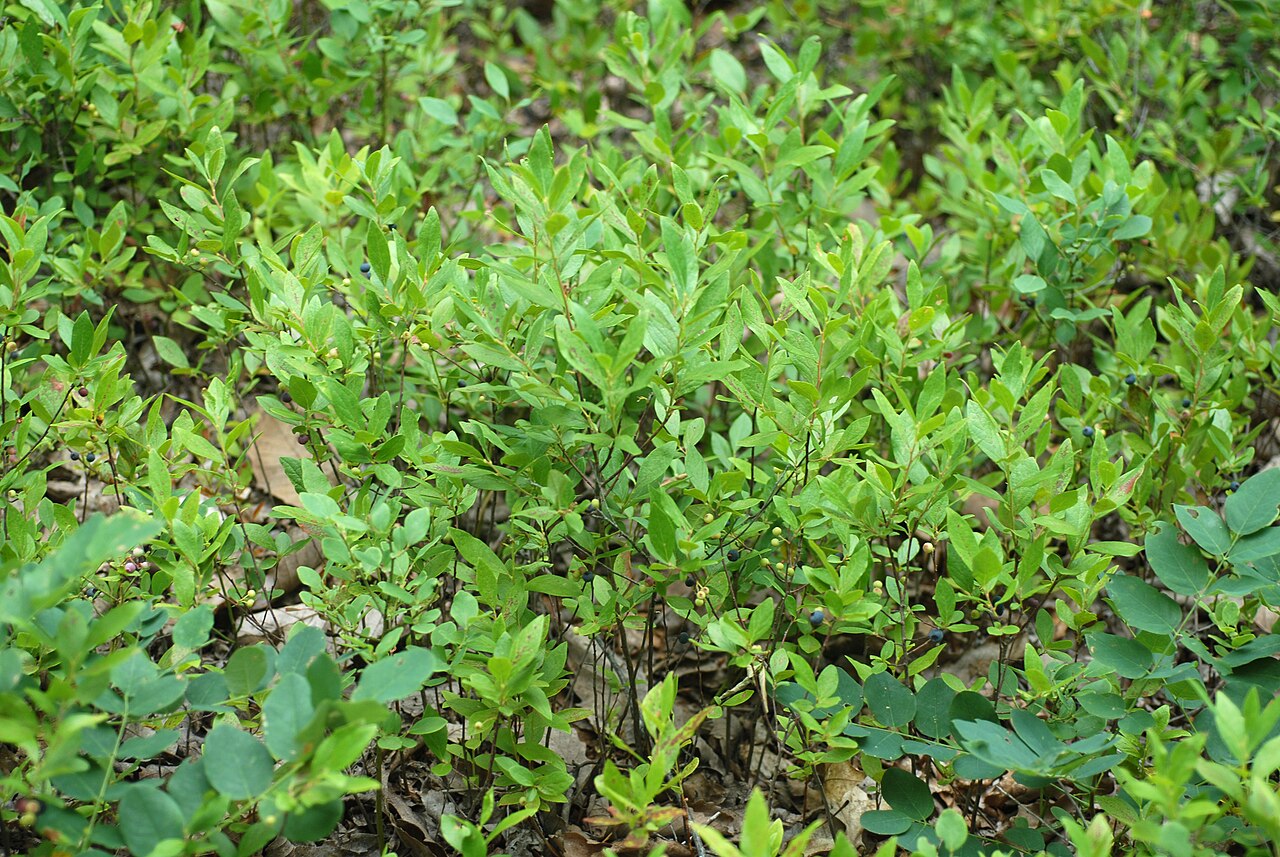
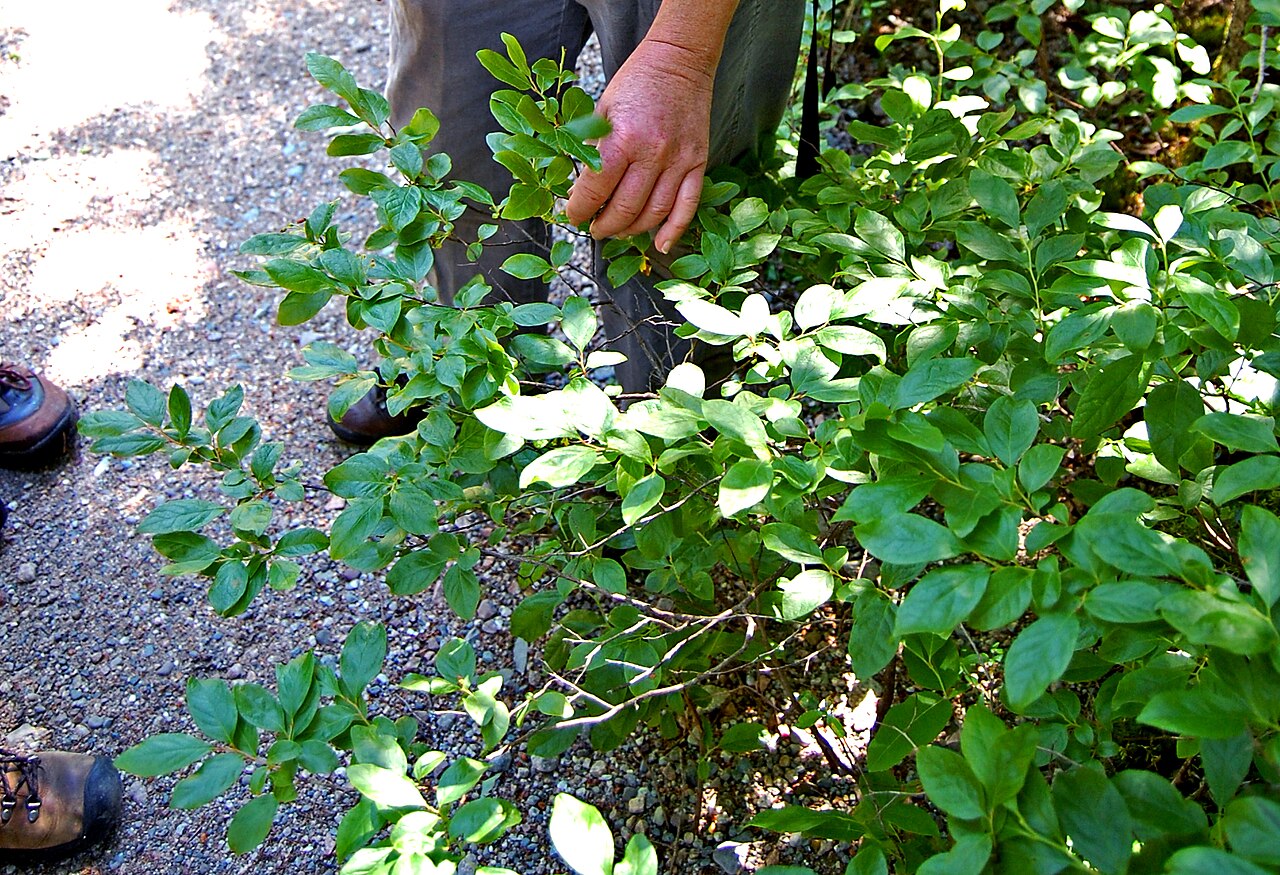
Huckleberry is a name, not one plant: eastern black huckleberry (Gaylussacia baccata) and western mountain huckleberry (Vaccinium membranaceum) are the two most gathered, with evergreen and red huckleberries as coastal relatives. All of them want what blueberries want — acidic, well-drained, organic-rich soil, and sun to light shade — and all of them resent being transplanted and pampered. Buy nursery plants, not wild-dug ones, plant in spring or fall with minimal root disturbance, and mulch with bark or pine needles. Do not expect blueberry yields: huckleberries are slower, wilder, and less predictable, and that is part of their charm. A related coastal evergreen huckleberry, Vaccinium ovatum, is covered in spirit here — same acid soil, same shade tolerance — but buy it under its own name if you want it.
Water & feeding
Keep soil evenly moist while young; once established, huckleberries tolerate dry spells better than blueberries but fruit bigger with summer water. Mulch heavily with acidic organic matter. Feed sparingly, if at all, with an acid fertilizer — rich soil and heavy feeding do not make huckleberries happier.
Common problems
- Alkaline soil — leaves yellow and plants stall; acidify with sulfur and peat before planting, or use a raised bed of acidic mix.
- Transplant shock — huckleberries are finicky movers; disturb roots as little as possible and water faithfully the first year.
- Birds and bears in wild areas — net garden plants; in the wild, pick only where it is legal and leave plenty.
- Slow establishment — a plant that sits still for a year is often rooting, not dying; be patient.
Harvest
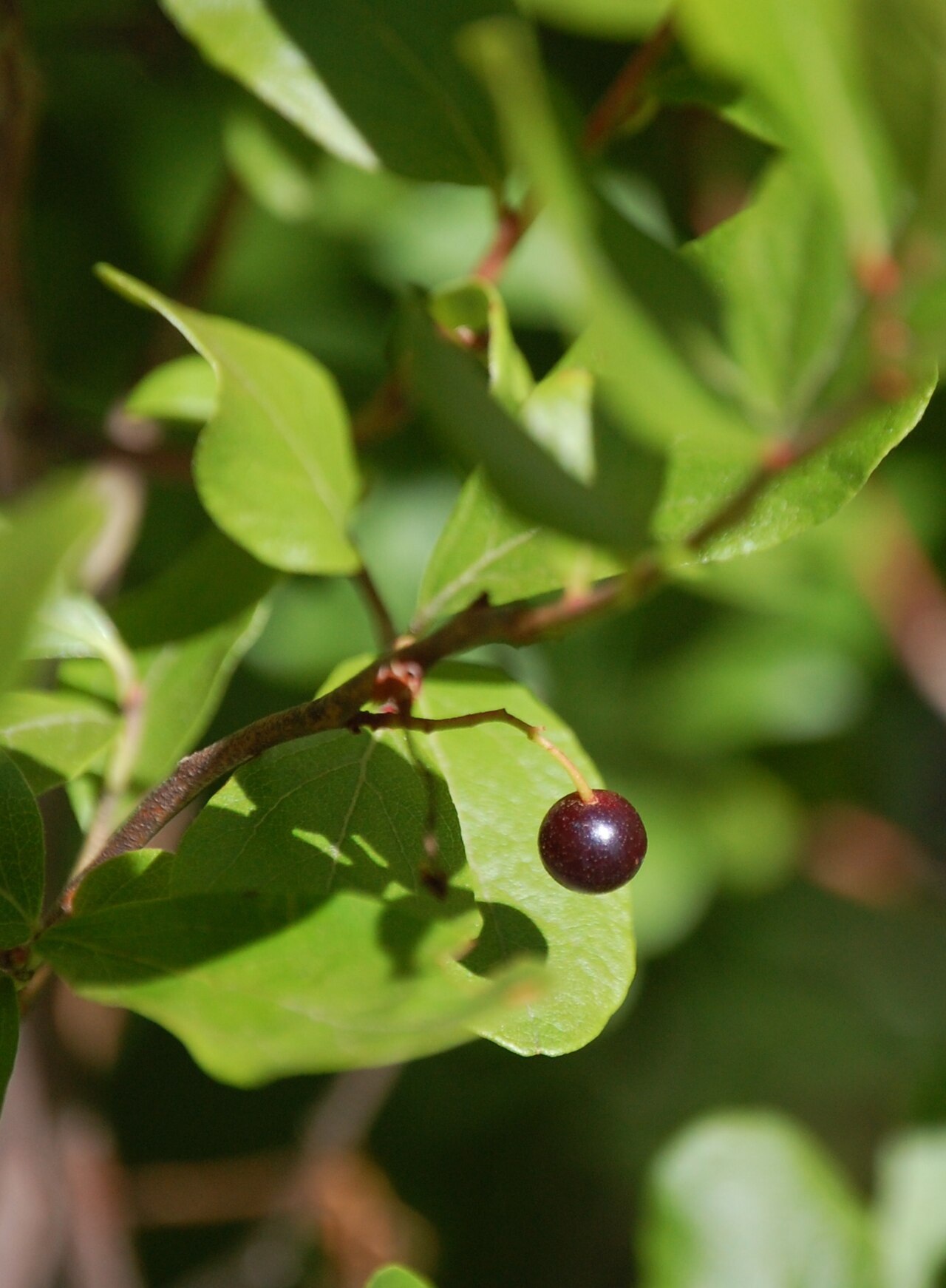
Pick when berries turn fully dark purple-black and come off easily; taste one — ripe huckleberries are sweet-tart and fragrant, unripe ones are sour and seedy. Eat fresh, bake into pies and muffins, or freeze. Wild picking rules vary, so check local regulations before foraging.
Saving seeds
A note on scope first: huckleberry is a name, not one plant, so the method below is a genus-level method, covering the gathered huckleberries, eastern black huckleberry (Gaylussacia baccata), western mountain huckleberry (Vaccinium membranaceum), and their evergreen and red coastal relatives. The details vary a little by species, but the shape of the job is the same: berries, patience, and more patience.
Start with fully ripe berries, picked in late summer into fall, dark, soft, and fragrant, the ones that come off easily and taste sweet-tart rather than sour and seedy. Mash a handful in a jar of water and stir: the pulp floats and the heavier seeds sink, so you can pour off the pulp and floating debris, rinse, and repeat until the water runs fairly clear. Spread the cleaned seed on paper to dry thoroughly out of direct sun, then store it in a labeled envelope or jar in a cool, dark place; in Florida’s humidity, an airtight jar with a desiccant packet is worth the trouble, because damp seed molds quietly in storage and you will not know until spring.
Here is where the sources honestly disagree, and you should know it before you sow. Some references report that most Vaccinium seed is not deeply dormant and needs no pretreatment, while others recommend up to about three months of cold, moist stratification for stored seed. The practical way through the disagreement is to hedge: sow fresh seed promptly, and give stored seed a cold, moist chill in the refrigerator, mixed with damp sand or peat in a sealed bag, for a month or more before sowing. Sow on the surface of a moist, acidic, lime-free mix, pressing the seed in but barely covering it, and keep it evenly moist and shaded. Germination is slow and erratic, stretching over weeks to months, and seedlings grow slowly: expect a year or two before plants are big enough to set out, and several years before they fruit. Acidic soil is non-negotiable throughout, the same bark-and-pine-needle, blueberry-style mix the parent plants want.
Seed is for experiments and for wild-type plants, not for copying a named selection. Seedlings are variable and will not reliably match a parent you loved, so named huckleberries are multiplied vegetatively instead: softwood cuttings of about four to six inches taken in early summer, dipped in rooting hormone and kept humid in an acidic peat-and-perlite mix, or suckers and layers divided from an established plant in fall. And one stewardship note that matters more than any technique: buy nursery plants and never dig wild huckleberries, which resent transplanting and belong to the landscape and the wildlife that feeds on them. Save seed from your own garden plants, sow more than you need, and settle in: huckleberries reward the gardener who thinks in seasons, not weekends.