
🌿 Helleri Japanese Holly
What it looks like
Why this variety
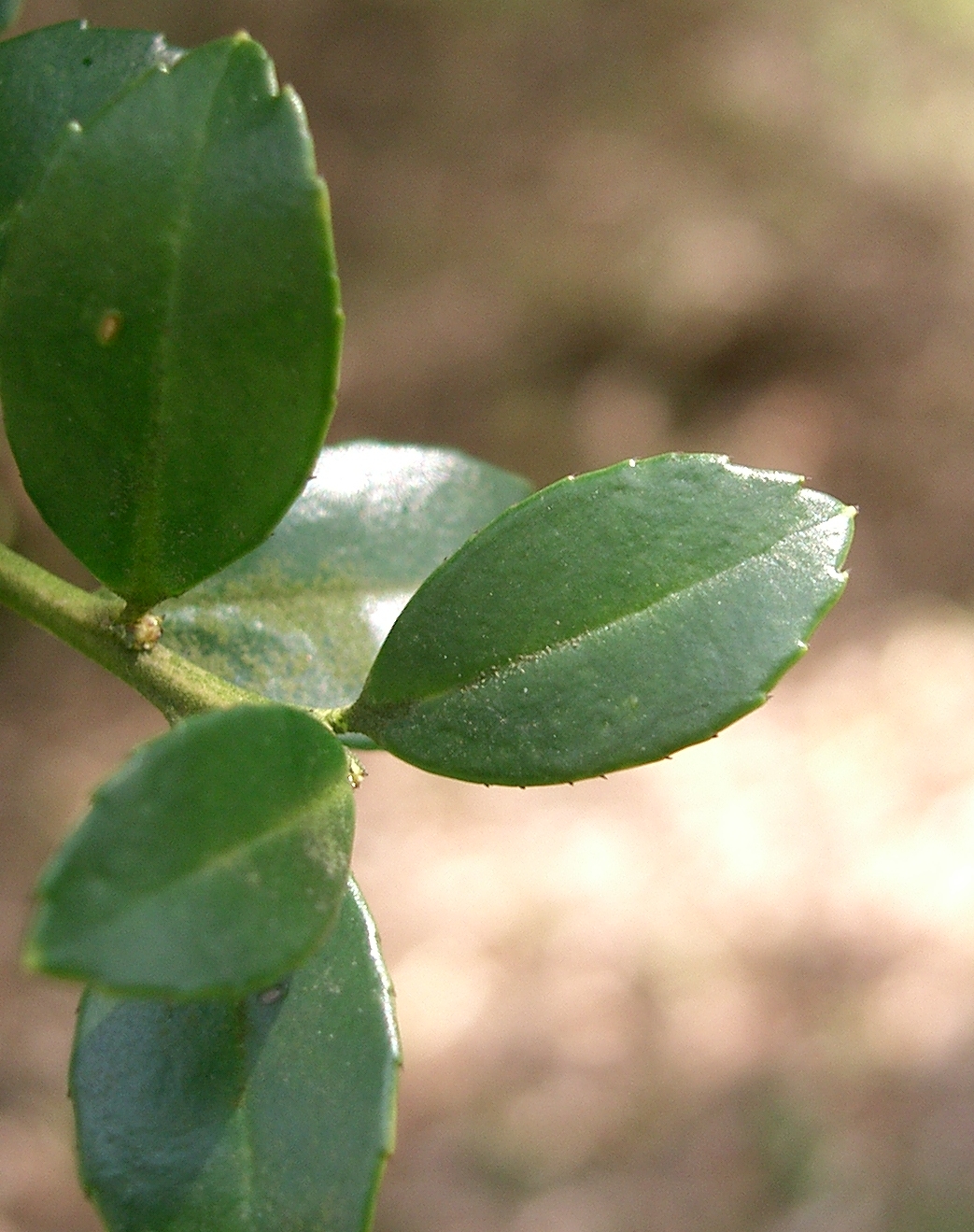
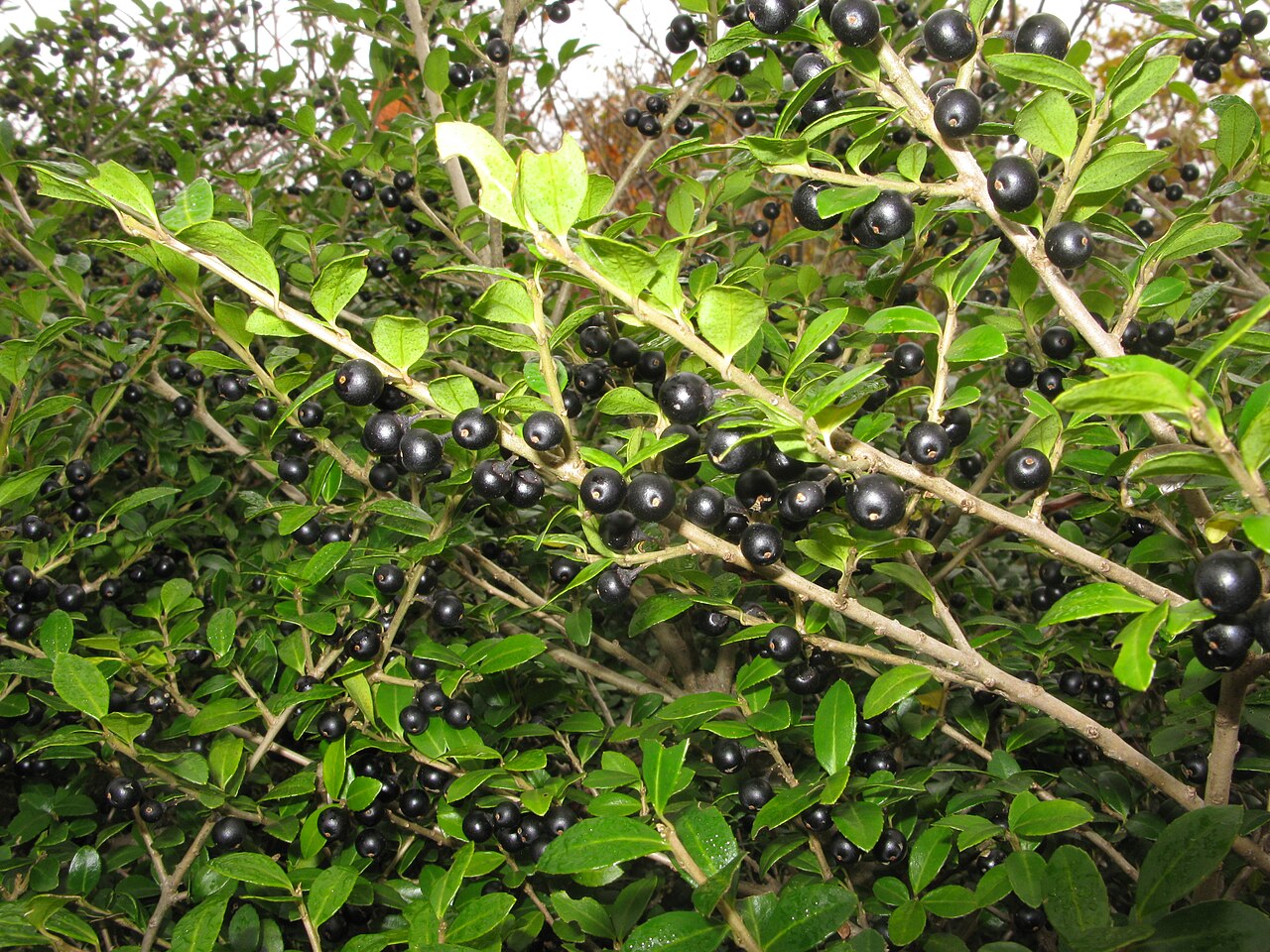
Helleri is the Japanese holly for gardeners who want the boxwood look at ankle height. Introduced in the late 1930s by Newport Nursery, it is a female form that grows into a stiffly mounding, densely branched dwarf, about 3 feet tall and 4 feet wide, with tiny, deep green, glossy leaves packed so tightly the shrub reads as a solid green cushion. It is slow-growing, needs little pruning to hold its shape, and — in a claim one nursery makes with unusual confidence — it is the only Japanese holly its landscaper friend can use with success in deer-infested country, which is high praise in a world where deer treat most evergreens as a salad bar.
The trade-off is water: Helleri prefers rich, acidic soil and is not drought tolerant, so it wants steady moisture and will sulk, thin, and brown at the edges if left to fend for itself through a dry summer. It also wants the drainage every Japanese holly demands — moist, not wet — and it rewards a sheltered spot out of harsh winter wind. Give it those two things and it will sit there, dense and green, for decades; one listing credits it with a lifespan around 40 years, which is a long time for a plant that asks so little.
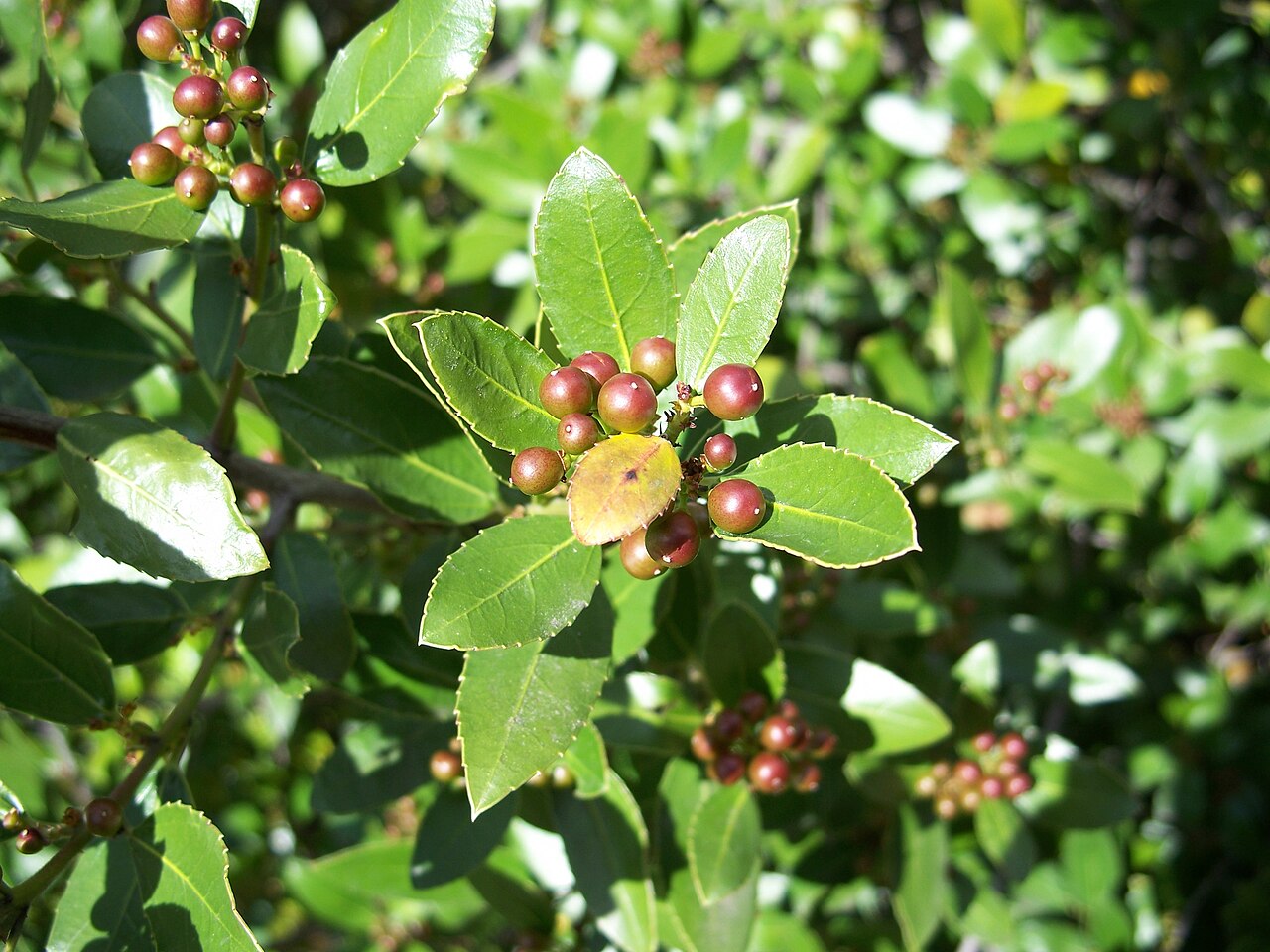
As a female form, Helleri can set small black berries if a male Japanese holly grows nearby, though berries are a bonus here, not the point — the point is the mound. If you are new to choosing between cultivars, the Varieties Matter guide explains why the name after the plant matters as much as the plant itself.
Florida honesty: Japanese holly is a North Florida plant, and even there it is a heat-and-humidity trial. It wants the coolest, most sheltered corner you can offer, with afternoon shade and soil that never stays soggy in a summer downpour. Further south, expect a short, unhappy life, and plant something that actually likes it hot instead.
How to grow
Plant Helleri in full sun to part shade in moist, rich, slightly acidic, well-drained soil, spacing plants 3–4 feet apart for a low hedge, edging, or mass planting. Work worm castings into the planting hole, mulch generously to hold moisture and keep roots cool, and water deeply through the first year — and honestly through every dry spell after, since drought intolerance is this plant’s one real flaw. It is slow-growing, so buy the size you can live with rather than expecting it to hurry.
Pruning is minimal: Helleri holds its mounding shape on its own, so prune only to remove dead wood or to tidy a stray branch, in late winter or early spring. Do not shear it into a hard ball every year — the dense natural habit is the feature, and shearing into bare wood does not regrow well on Japanese holly.
Water & feeding
Water steadily and mulch well — Helleri is not drought tolerant, so even moisture is the whole care program. Water at the soil line, keep mulch a few inches from the stems, and never let the root zone sit in standing water, which invites root rot faster than drought invites browning. Feed lightly in spring with castings or a feed for acid-loving shrubs; heavy fertilizer pushes soft growth that winter then damages.
Common problems
- Drought stress — browning edges and thinning foliage mean it needs water; mulch and regular watering prevent it.
- Wet soil and root rot — plant high with good drainage; standing water kills faster than any pest.
- Spider mites in hot, dry weather — stippled leaves mean mites; improve moisture and blast foliage with water.
- Winter burn — cold wind scorches leaves; shelter from prevailing winter wind in exposed sites.
- Deer in most gardens — Helleri is reported as deer-resistant, but “resistant” is not “proof”; a starving deer in February respects no list.
Pruning & best use
Use Helleri as a low evergreen edging along a path or foundation, as a massed groundcover-scale shrub under taller plants, or as the low layer in front of Sky Pencil or Steeds, where its mound sets off their vertical lines. It is also a strong choice for a knot garden or a formal low hedge that never needs the constant shearing boxwood demands — and unlike boxwood, it does not bring boxwood blight to the party.
Keep it away from hot, dry, windy corners and from downspouts that flood the bed, and it will repay you with decades of dense green that asks for almost nothing except water and to be left alone.
Back to the Japanese Holly growing guide
Browse all plant & pest guides
Saving seeds
Helleri is a female Japanese holly cultivar, introduced in the late 1930s, that grows into a stiffly mounding, densely branched dwarf, and seedlings won’t hold that form — plant a nursery-grown shrub and propagate by cuttings. The Saving seeds section of the Japanese Holly guide covers seed for the species generally.