
🌿 Steeds Japanese Holly
What it looks like
Why this variety
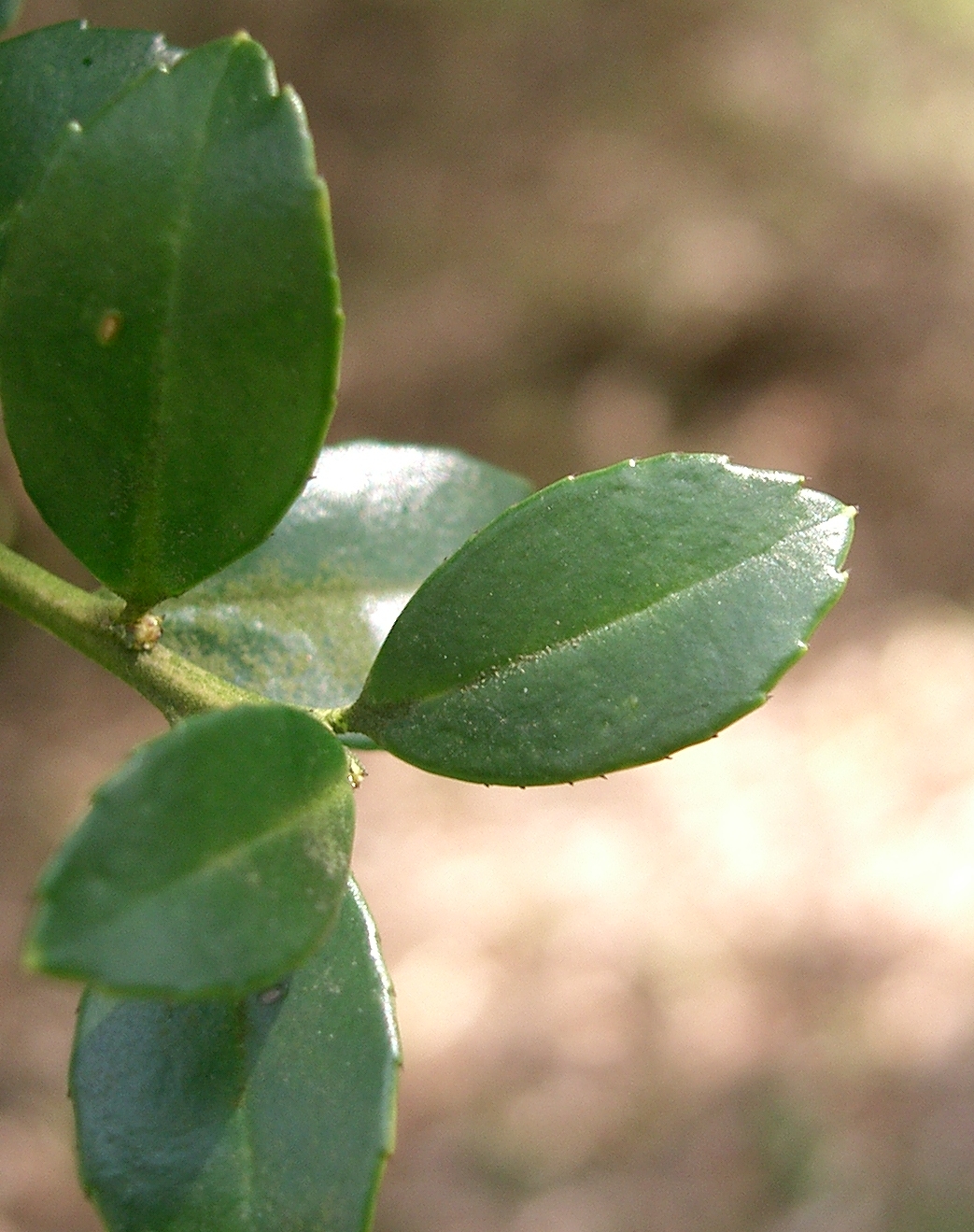
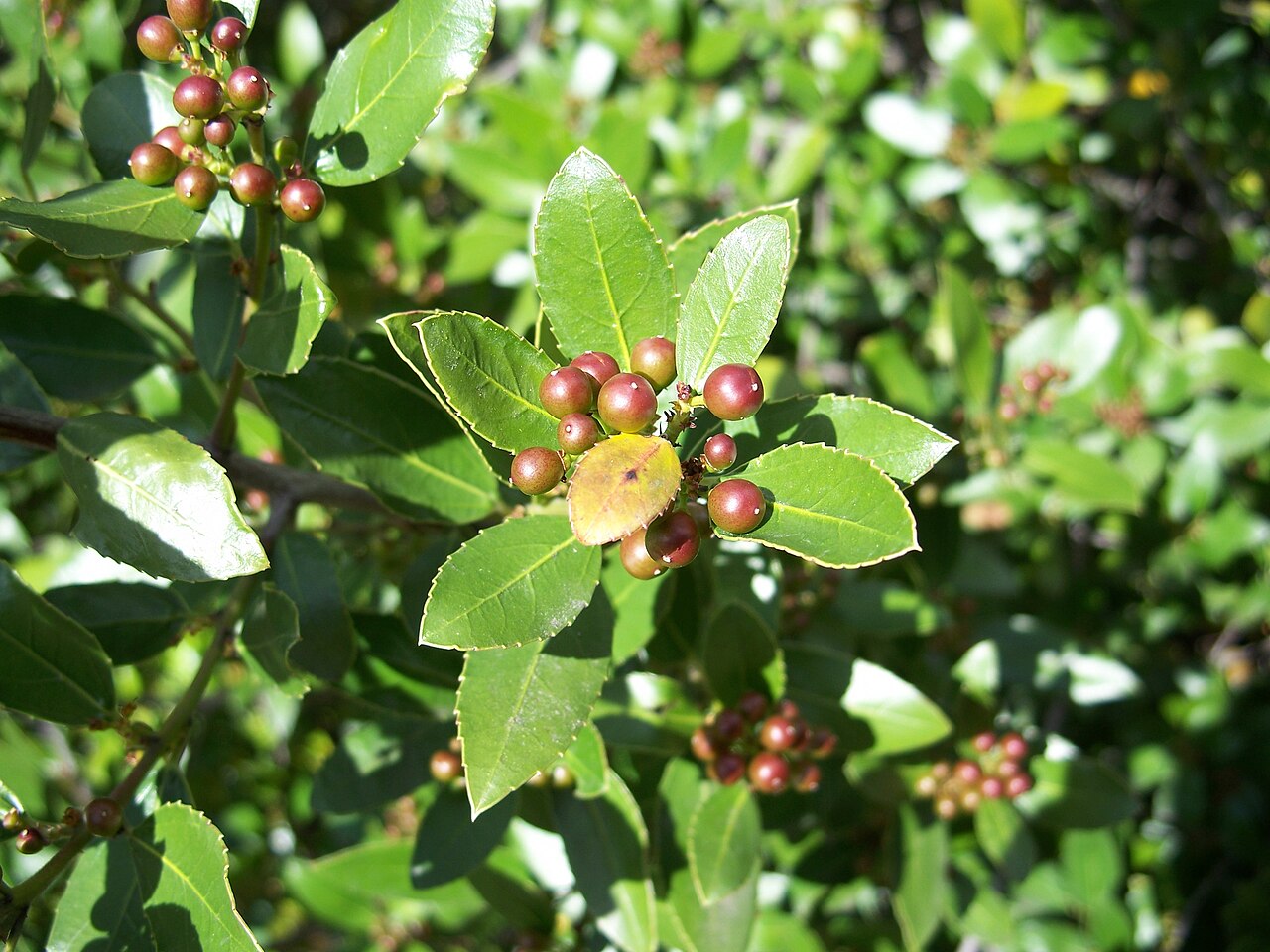
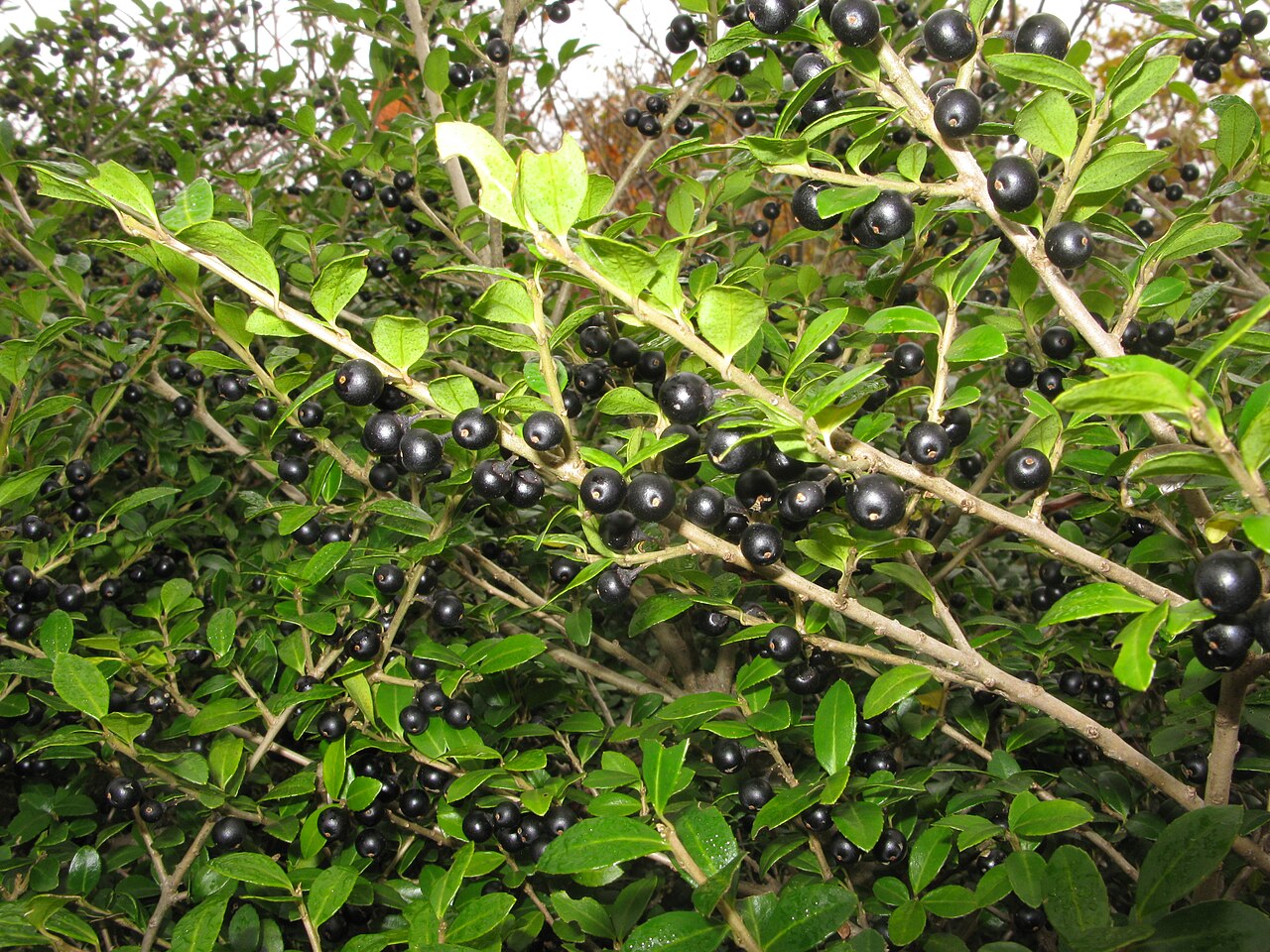
Steeds is the workhorse of the Japanese holly family: an upright, pyramidal form with dark green, glossy evergreen foliage, named and introduced by W. Steeds, and valued above all as a hedging and screening plant. Where Sky Pencil is punctuation and Helleri is a cushion, Steeds is architecture — a dense, dark, upright shrub that takes shearing well, holds its shape, and makes a proper hedge without the disease drama of boxwood.
It is also the male of the family, which matters more than it sounds. Japanese hollies are dioecious — females fruit, males pollinate — and Steeds, being male, is the plant you tuck into a hedge of female forms such as Helleri or Sky Pencil when you want berries. A hedge of Steeds alone will be dark, dense, and handsome, but berry-free; a hedge with a Steeds or two mixed in will fruit. It is also salt tolerant, which earns it a place near roads and coasts where other evergreens sulk.
Like every Japanese holly, Steeds wants moist, well-drained, slightly acidic soil and will not forgive wet feet or prolonged drought. Give it that, plus sun or light shade, and it grows steadily into the hedge you pictured when you bought it. If you are new to choosing between cultivars, the Varieties Matter guide explains why the name after the plant matters as much as the plant itself.
Florida honesty: Japanese holly is a North Florida plant, and even there it is a heat-and-humidity trial. It wants the coolest, most sheltered corner you can offer, with afternoon shade and soil that never stays soggy in a summer downpour. Further south, expect a short, unhappy life, and plant something that actually likes it hot instead.
How to grow
Plant Steeds in full sun to part shade in moist, well-drained, slightly acidic soil, spacing plants 3–5 feet apart for a hedge or screen, wider for a specimen. Work worm castings into the planting hole, mulch to hold moisture, and water well through the first year. Japanese holly is slow-growing, so a hedge takes a few seasons to fill — buy a size that matches your patience, and plant a male Steeds within pollination range of any female forms you want to fruit.
Prune in late winter or early spring: Steeds takes shearing better than most Japanese hollies, so shape a hedge lightly and often rather than hacking it back hard once a year, and never cut back into bare, leafless wood expecting regrowth. Remove dead or damaged wood any time, and keep the base slightly wider than the top so lower branches keep their leaves instead of shading themselves bare.
Water & feeding
Water to establish, then keep soil evenly moist — Steeds sulks in drought and drowns in standing water, so steady moisture with good drainage is the target. Mulch to hold moisture and keep roots cool, water at the soil line in dry spells, and feed lightly in spring with castings or an acid-loving-shrub feed; heavy feeding pushes soft growth that winter cold punishes.
Common problems
- Wet soil and root rot — the number-one killer; plant high, improve drainage, and never let it sit in standing water.
- No berries on a Steeds-only hedge — Steeds is male; it pollinates females but never fruits itself.
- Spider mites in hot, dry weather — stippled, dull leaves mean mites; blast with water and improve moisture.
- Bare lower branches on a sheared hedge — shearing a hedge narrower at the base than the top shades out lower leaves; keep the base wide.
- Winter burn in exposed sites — cold wind scorches evergreen foliage; shelter from prevailing winter wind.
Pruning & best use
Use Steeds for hedges, screens, and foundation plantings where you want a dark, dense, evergreen wall that does not demand boxwood’s disease watch. It is the natural pollinator to plant among female Japanese hollies, the anchor of a mixed holly border, and a salt-tolerant choice for roadside and coastal plantings. Shear it lightly and regularly, keep its base wide, and it will hold a crisp line for years.
Pair it with Helleri at its feet and Sky Pencil at its corners, and you have a complete Japanese holly composition — mound, wall, and exclamation point — all from one species, which is a neat trick for a plant most people mistake for boxwood.
Back to the Japanese Holly growing guide
Browse all plant & pest guides
Saving seeds
Steeds is the workhorse of the Japanese holly family: an upright, pyramidal form with dark green, glossy evergreen foliage, named and introduced by W. Steeds, and valued above all as a hedging and screening plant. Where Sky Pencil is punctuation and Helleri is a cushion, Steeds is architecture — a dense, dark, upright shrub that takes shearing well, holds its shape, and makes a proper hedge without the disease drama of boxwood. It is also the male of the family, which matters more than it sounds. Japanese hollies are dioecious — females fruit, males pollinate — and Steeds, being male, is the plant you tuck into a hedge of female forms such as Helleri or Sky Pencil when you want berries. As a named Japanese holly it is kept true by cuttings, not by seed — plant Steeds in full sun to part shade in moist, well-drained, slightly acidic soil, spacing plants 3–5 feet apart for a hedge or screen, wider for a specimen. Work worm castings into the planting hole, mulch to hold moisture, and water well through the first year. Prune in late winter or early spring: Steeds takes shearing better than most Japanese hollies, so shape a hedge lightly and often rather than hacking it back hard once a year, and never cut back into bare, leafless wood expecting regrowth. The full method is in the Saving seeds section of the Japanese Holly guide.