
🌿 Convexa Japanese Holly
What it looks like
Why this variety
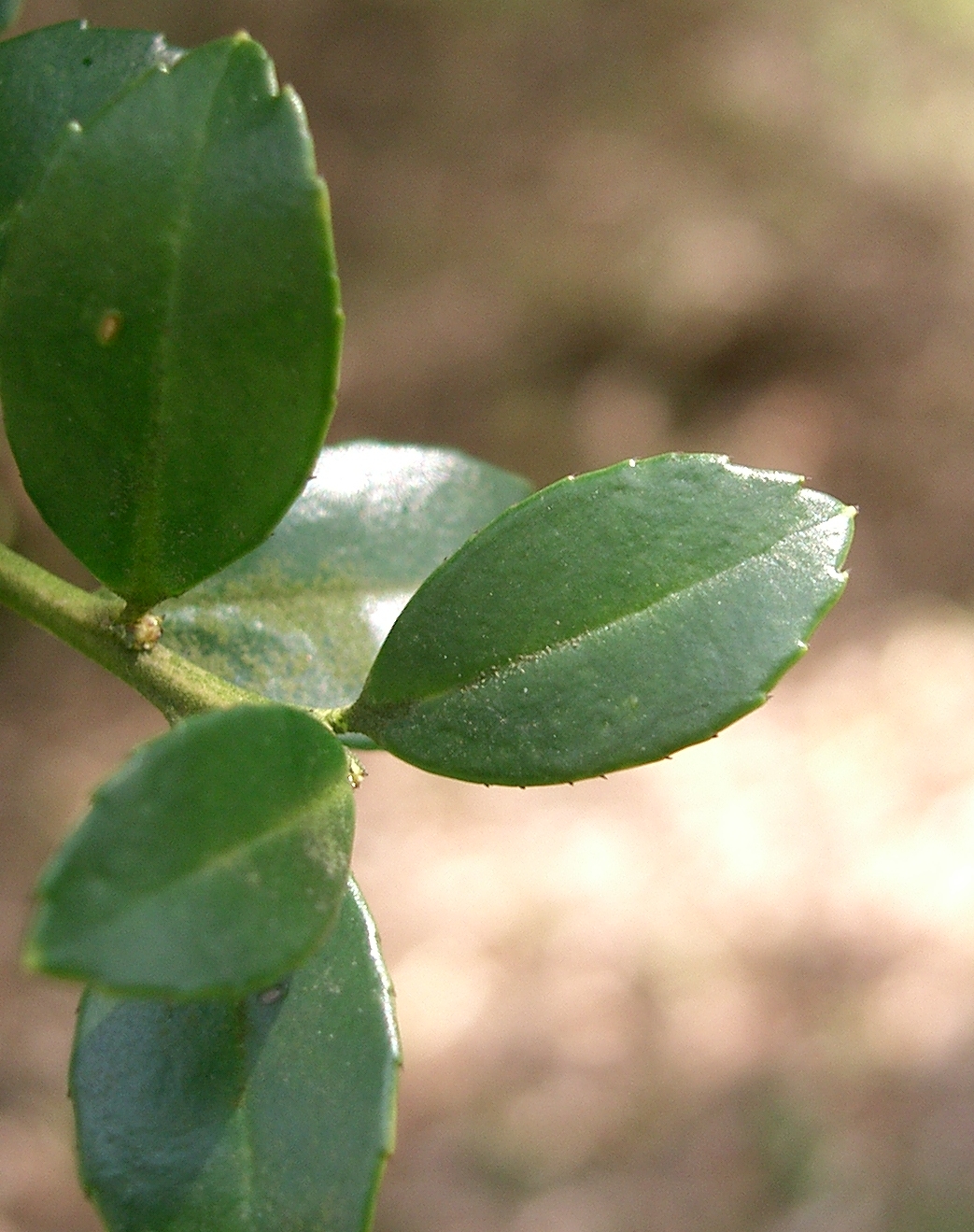
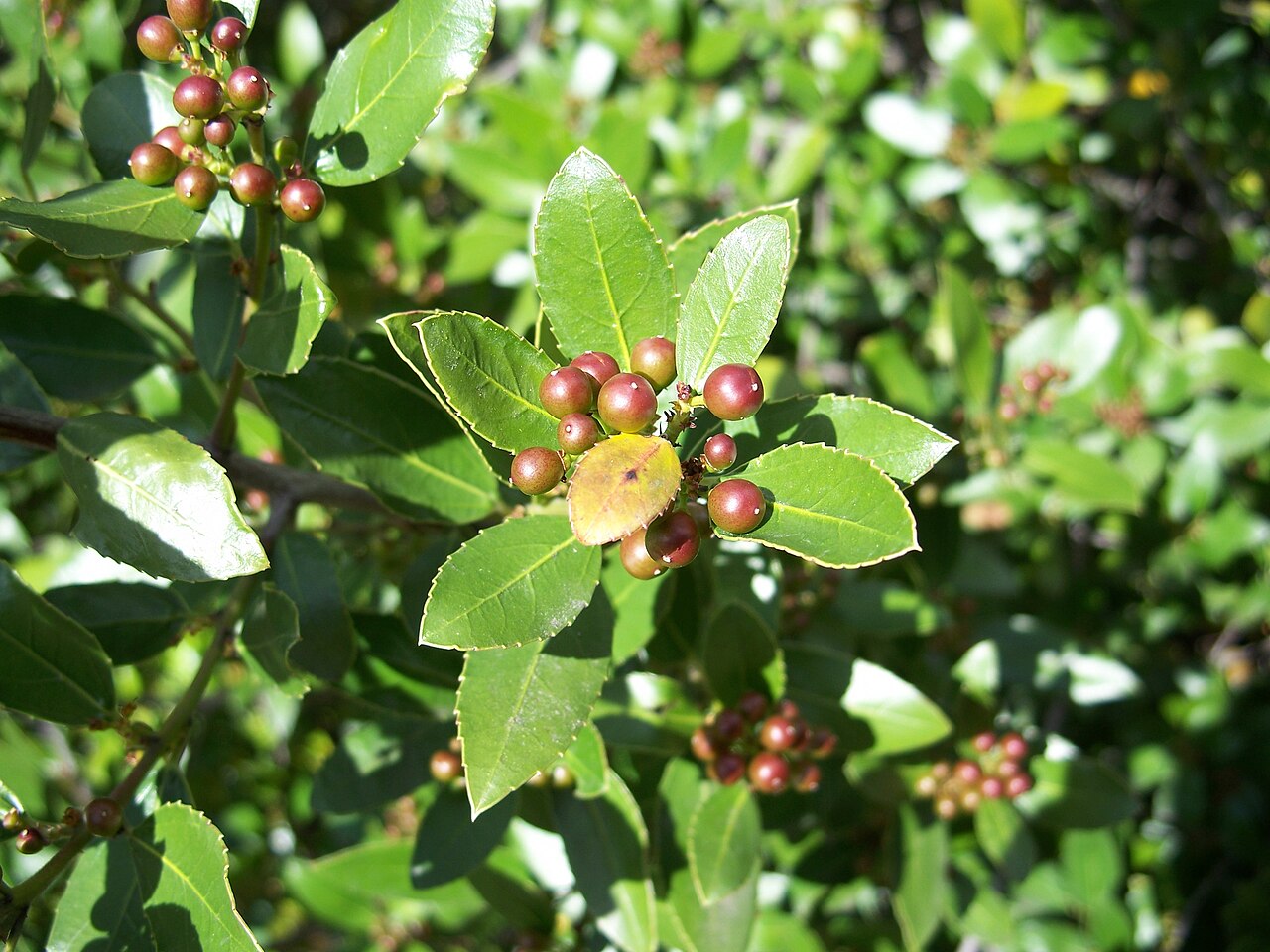
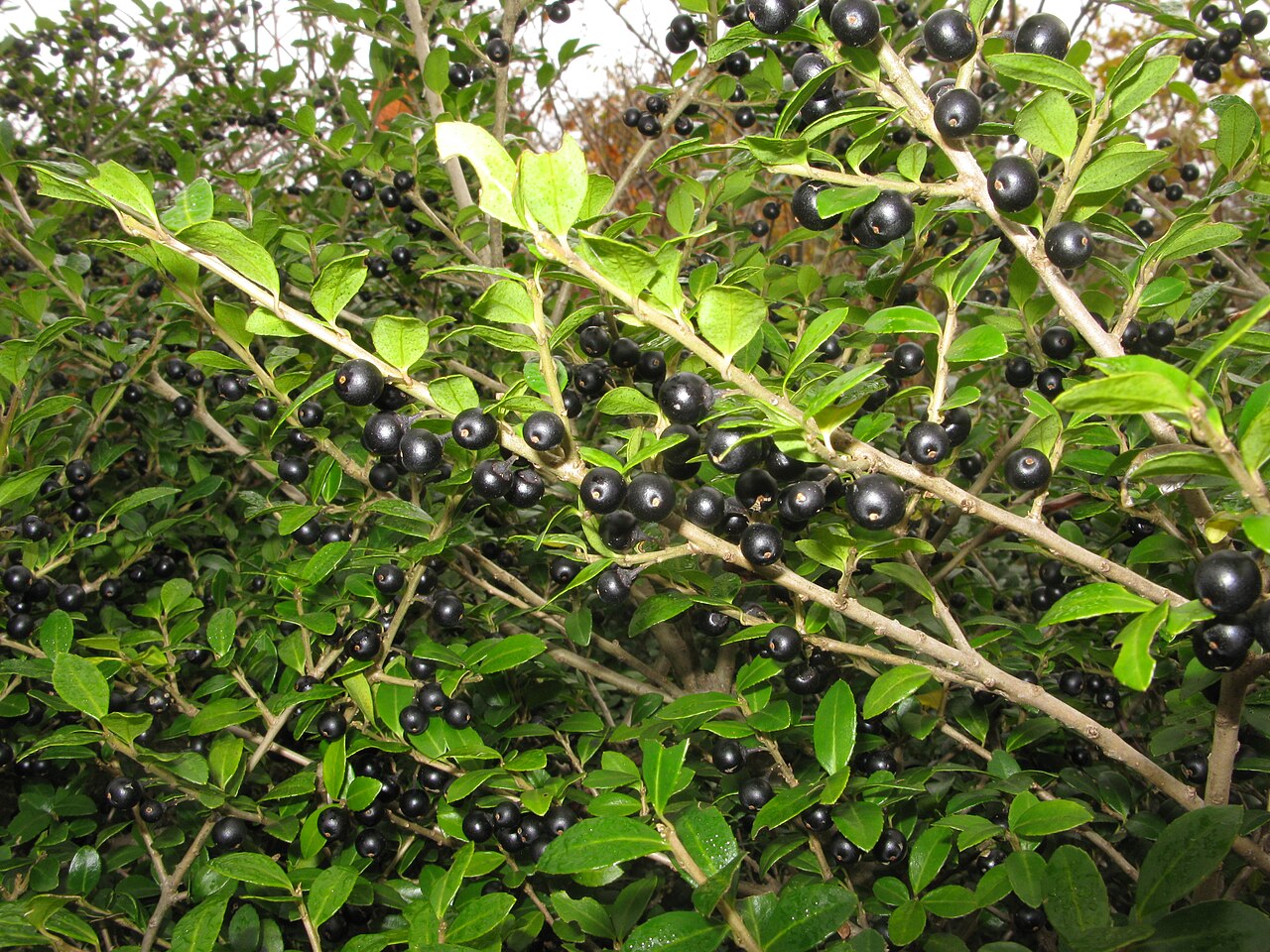
Convexa is the Japanese holly you can identify from across the garden without squinting: its leaves cup downward — convex, as the name says — giving the whole shrub a distinctive, almost quilted texture that no other Japanese holly shares. University extension lists name it among the good mounded selections of Japanese holly for foundation beds, mass plantings, and mixed borders across the South, alongside Compacta, Helleri, Hoogendorn, and Soft Touch, and it earns that company by being dense, rounded, and about 6 feet tall and wide at maturity.
That density is the point. Convexa makes a proper privacy hedge and a solid foundation shrub without constant shearing, and its cupped leaves catch light and shadow in a way flat-leaved forms do not, so the shrub looks textured rather than flat even from a distance. It carries the usual Japanese holly virtues — small, glossy, evergreen leaves, the boxwood look without the boxwood blight — and the usual Japanese holly demands: moist, well-drained, slightly acidic soil, and no standing water.
Convexa sits in the middle of the family’s size range: bigger than Helleri’s dwarf mound, smaller than the species’ full 10-foot potential, and rounder than Steeds’ upright pyramid. If you want one Japanese holly to do the ordinary jobs — foundation, hedge, mass — Convexa is the generalist that does them without fuss. If you are new to choosing between cultivars, the Varieties Matter guide explains why the name after the plant matters as much as the plant itself.
Florida honesty: Japanese holly is a North Florida plant, and even there it is a heat-and-humidity trial. It wants the coolest, most sheltered corner you can offer, with afternoon shade and soil that never stays soggy in a summer downpour. Further south, expect a short, unhappy life, and plant something that actually likes it hot instead.
How to grow
Plant Convexa in full sun to part shade in moist, well-drained, slightly acidic soil, spacing plants 4–5 feet apart for a hedge or mass, wider for a specimen. Work worm castings into the planting hole, mulch to hold moisture, and water well through the first year; Japanese holly is slow-growing, so buy a size you can live with while it fills in. Give it the drainage it insists on — a bed that ponds after summer rain is the wrong bed, however pretty the location.
Prune lightly in late winter or early spring: Convexa holds its rounded shape on its own, so remove dead or damaged wood, tidy stray branches, and shear a hedge lightly and often rather than cutting hard. Never shear back into bare, leafless wood expecting regrowth — Japanese holly resprouts poorly from old wood, and a hard cut leaves a hole that takes seasons to fill, if it fills at all.
Water & feeding
Water to establish, then keep soil evenly moist — Convexa sulks in drought and drowns in standing water, so steady moisture with good drainage is the program. Mulch to hold moisture and keep roots cool, water at the soil line during dry spells, and feed lightly in spring with castings or an acid-loving-shrub feed; heavy fertilizer pushes soft, winter-tender growth.
Common problems
- Wet soil and root rot — the number-one killer; plant high with good drainage and never let it sit in standing water.
- Drought stress — thinning foliage and dull leaves mean it needs water; mulch and regular watering prevent it.
- Spider mites in hot, dry weather — stippled leaves mean mites; blast with water and improve moisture.
- Winter burn in exposed sites — cold wind scorches evergreen leaves; shelter from prevailing winter wind.
- Hard shearing into bare wood — Japanese holly does not reliably regrow from leafless stems; shear lightly and often.
Pruning & best use
Use Convexa as a foundation shrub, a medium hedge, or a massed evergreen in a mixed border, where its cupped-leaf texture sets it apart from flat-leaved evergreens without shouting about it. It is the Japanese holly to reach for when you want a dense, rounded, 6-foot shrub that looks intentional with almost no input — the plant equivalent of a good haircut that holds its shape between appointments.
Mass it with other mounded forms for a billowing evergreen border, or let a single specimen anchor a corner, and let the cupped leaves do the talking: up close, that downward cup is the field mark that says this is Convexa, not just another green blob.
Back to the Japanese Holly growing guide
Browse all plant & pest guides
Saving seeds
Convexa is a named mounded selection of Japanese holly — keep it from cuttings, not seed; seedlings won’t hold the cupped, quilted leaves. The Saving seeds section of the Japanese Holly guide covers seed for the straight species.