
💚 Emerald Sea Shore Juniper
What it looks like
Why this variety
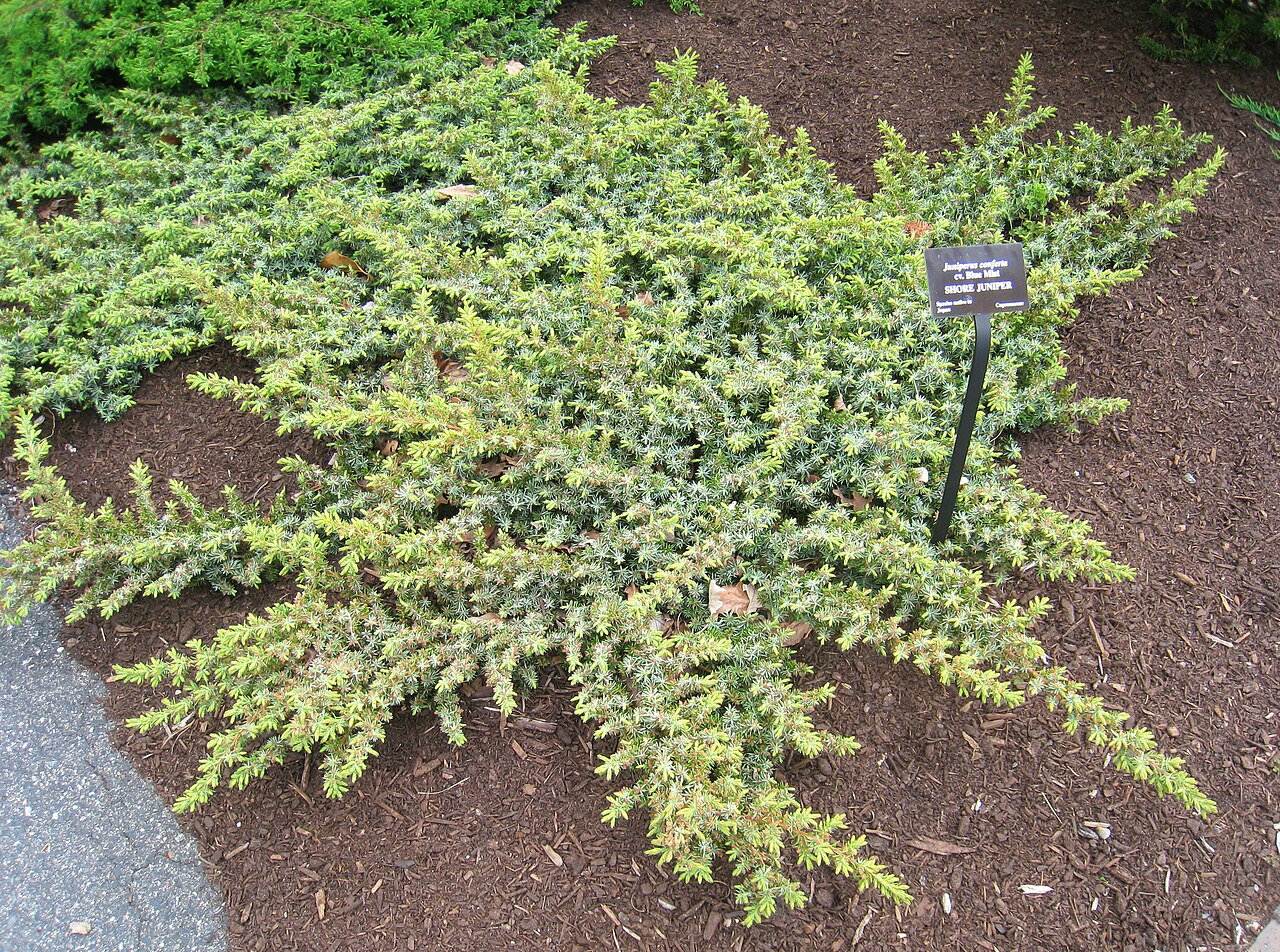
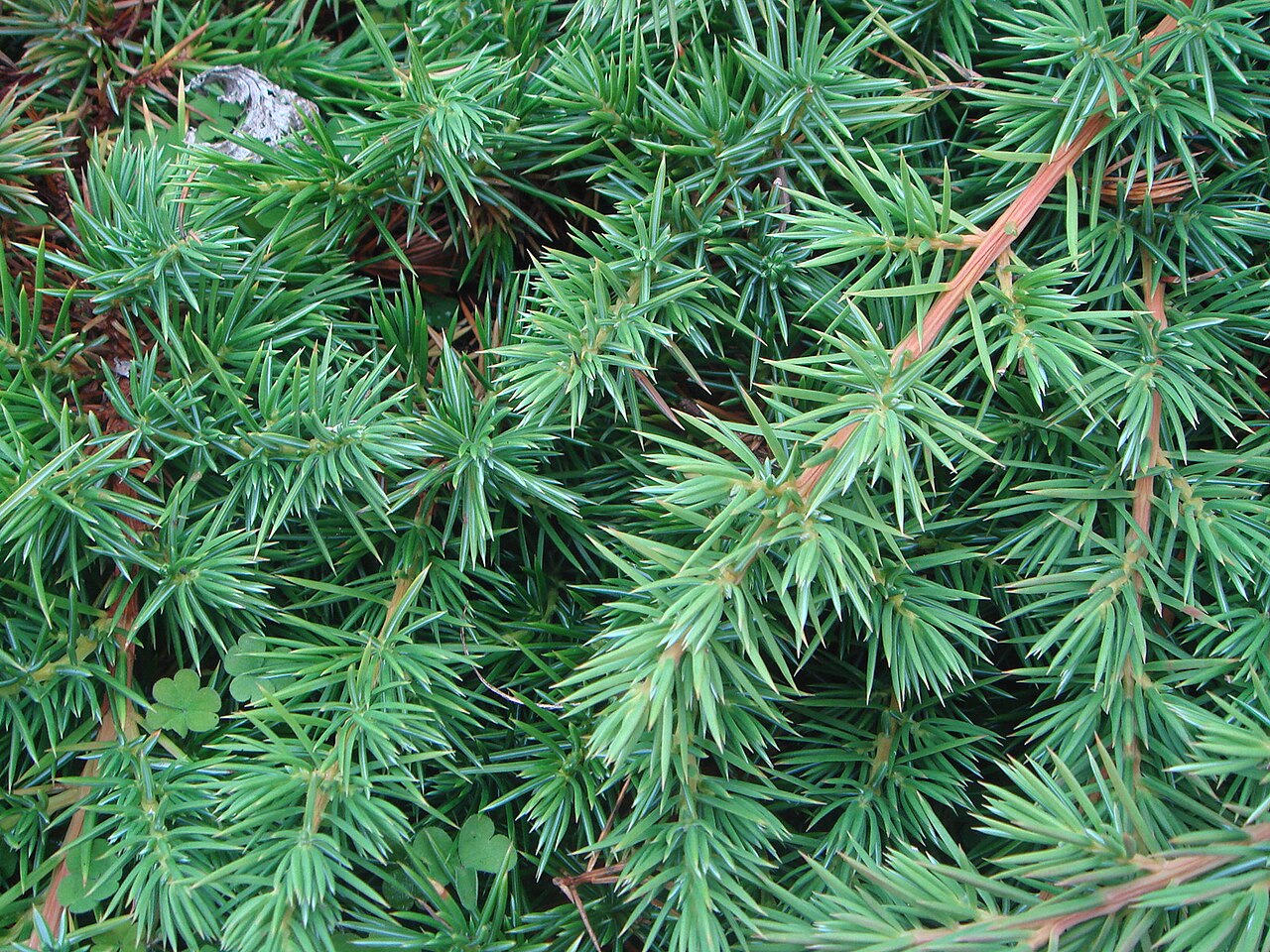
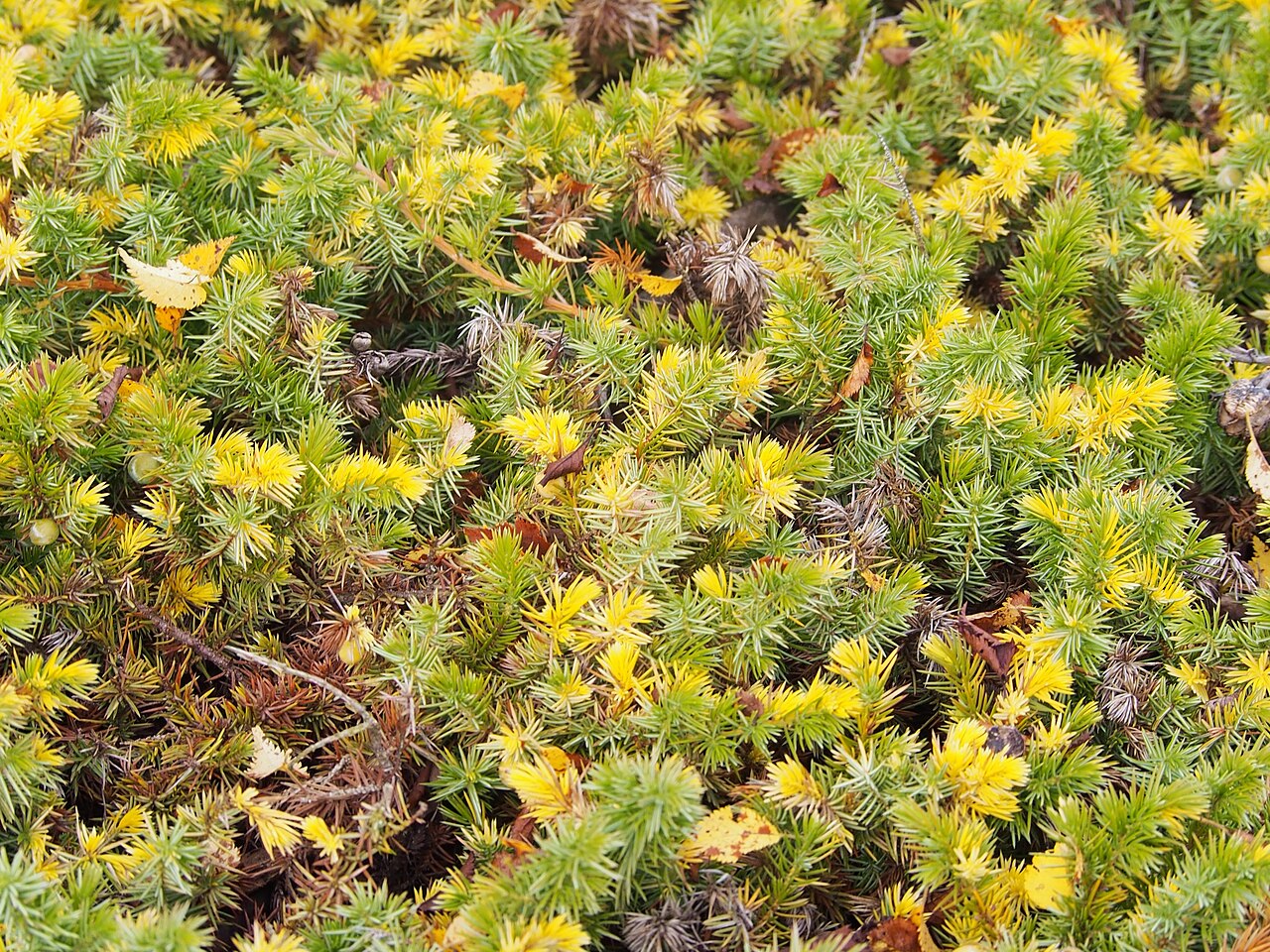
Emerald Sea is the green shore juniper with the best resume: dense, mat-like growth about 10 inches to 2 feet tall, with awl-like emerald-green leaves that turn yellow-green in winter, superior salt tolerance even by shore-juniper standards, and more cold hardiness than its cousins — it is the shore juniper rated hardy as far north as zone 5, where Blue Pacific would be pushing its luck. It is looser and a little taller in habit than Blue Pacific, and less blue, which makes it the choice when you want a green carpet rather than a blue one.
It is also the compact one of the family in some listings — around 3 feet wide in tighter forms — so it fits containers and entryways where Blue Pacific would overrun the steps. Whatever the spread in your climate, the deal is the same: full sun, sandy drainage, and salt is fine. Florida honesty: shore juniper is the happy exception among junipers — it is genuinely heat- and salt-tolerant and is rated as adaptable all the way to Florida, which is why it is often called the best spreading juniper for the South. It still demands full sun and sharp drainage; in a soggy bed or deep shade it will thin out and sulk like any juniper.
If you are new to choosing between cultivars, the Varieties Matter guide explains why the name after the plant matters as much as the plant itself. See also the species guide: Shore Juniper.
How to grow
Plant in full sun in sandy, well-drained soil, on a slope or berm if your soil holds water. Space plants 4-5 feet apart, water in well at planting, and let it knit into a mat. It suits containers, entryways, and coastal beds — anywhere you want dense green coverage without a lot of height.
Water & feeding
Water to establish, then water sparingly; established plants are drought-tolerant and rot in wet soil. Feed lightly or not at all — worm castings at planting is enough — and keep mulch off the stems so air reaches the crown.
Common problems
- Phomopsis blight in humid, airless spots — prune out affected tips promptly.
- Spider mites in hot, dry weather — stippled needles; hose down.
- Root rot in wet soil — drainage is everything.
- Bagworms — hand-pick bags early.
- Thinning in shade — full sun keeps the mat dense; shade makes it sparse.
Pruning & care
Cut out dead or blighted wood in spring and trim shoots that escape onto paths. Do not shear flat; a mat juniper sheared on top thins underneath. In containers, check drainage holes yearly — a blocked hole kills a juniper faster than a drought.
Browse all plant & pest guides
Saving seeds
Emerald Sea is a named shore juniper cultivar, and junipers are propagated by cuttings — seedlings won’t hold its dense green mat or superior salt tolerance. The Saving seeds section of the Shore Juniper guide covers seed for the species generally.