
🌿 Heritage River Birch
What it looks like
Why this variety
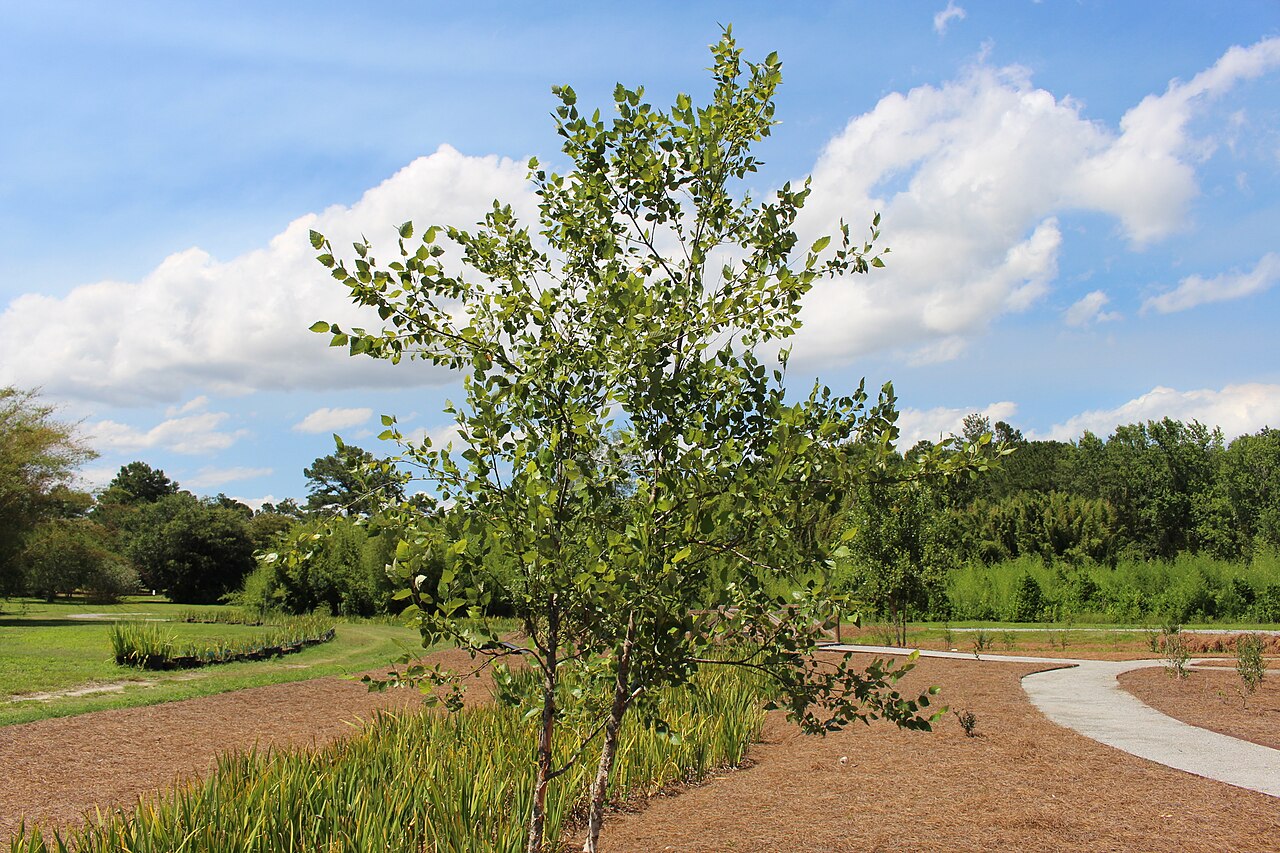
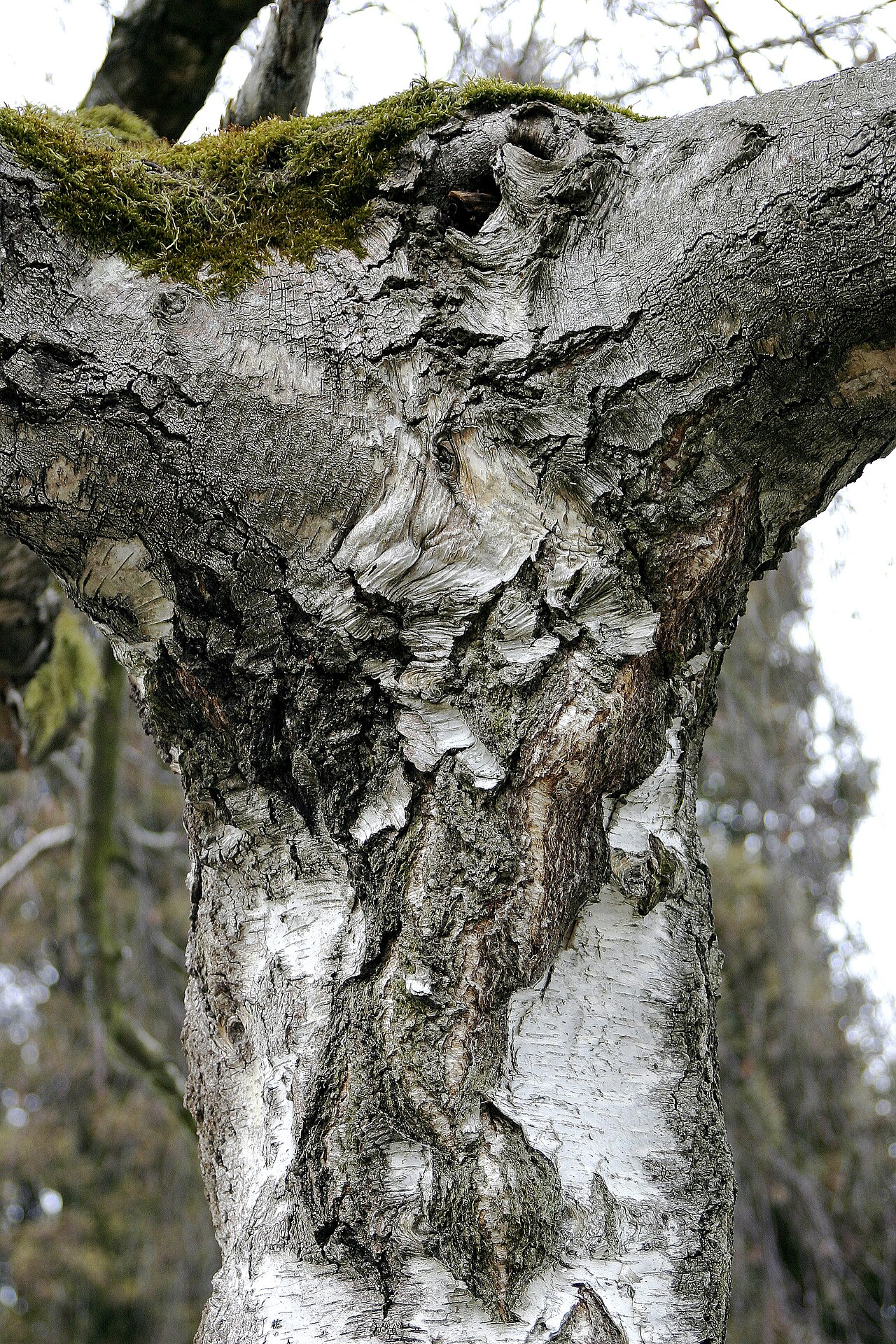
Heritage — botanically ‘Cully’, found as a seedling near St. Louis and introduced by Earl Cully — is the river birch cultivar most gardeners meet first, and for good reason. Its bark peels in large sheets to reveal a creamy, salmon-white inner trunk, the closest thing to a paper-white birch that will survive a hot summer, and its leaves are larger and glossier than the species’, with a clear yellow fall color. Extension writers call it fast-growing, tolerant of poor drainage, and reportedly resistant to bronze birch borer, which is a trio of compliments no northern birch can match south of the Mason-Dixon line.
In Florida terms, Heritage is the honest white-bark answer: river birch is native to northern Florida and the southernmost birch in the United States, and Heritage carries that heat tolerance with whiter bark. It still wants what every river birch wants — sun, moisture, and acid soil — and it still sulks on alkaline soil, where iron chlorosis yellows the leaves. Plant it where it has water and room, and it will reward you with bark worth staring at in January, when most trees are just sticks with opinions.
If you have not met the species yet, start with the River Birch guide for the whole tree, then come back here for Heritage in detail.
How to grow
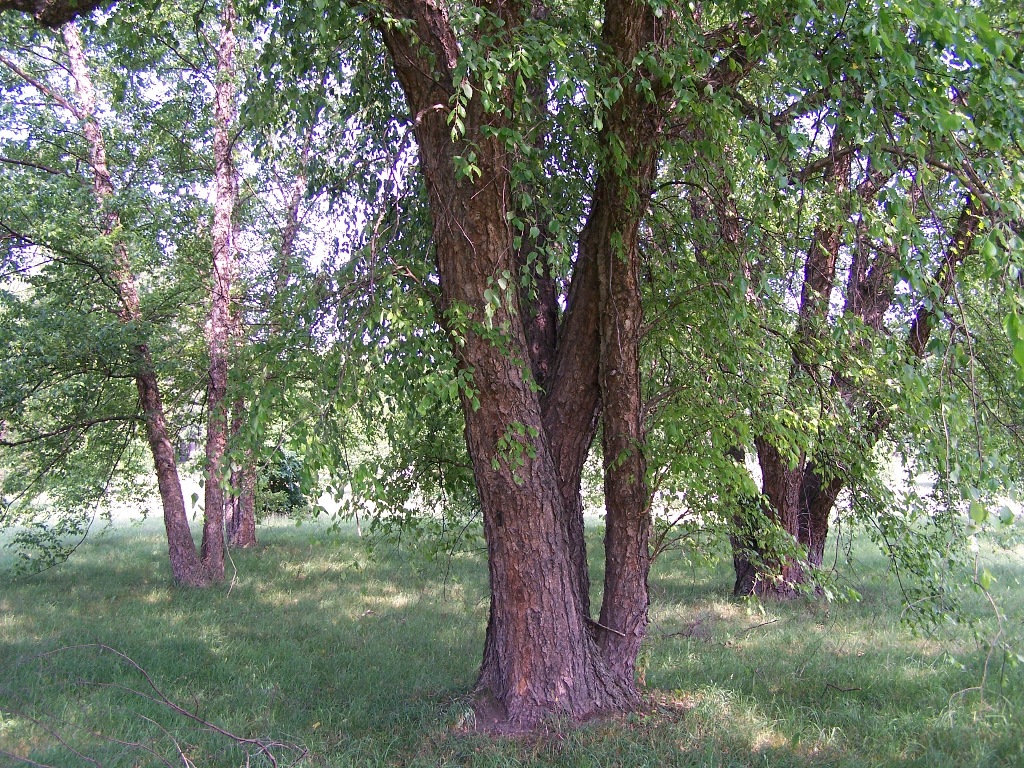
Plant Heritage in fall or spring in moist to wet, acidic soil in full sun to partial shade, with 30 to 40 feet of clearance — this is a big, fast tree, often multi-trunked, and it does not belong in a narrow tree lawn or against a house. Water deeply and regularly for the first two years and through droughts after that; river birch drops leaves early when dry, which is the tree filing a formal complaint. Mulch widely to hold moisture, work compost or worm castings into the soil at planting, and prune in late summer or fall if you must prune at all, since birches bleed sap heavily if cut in late winter and spring.
Water & feeding
River birch loves water — genuinely wet soil is fine, and periodic flooding is tolerated better than by almost any landscape tree — but it also grows on higher ground with irrigation. Keep soil evenly moist while young, mulch thickly, and feed the soil with compost rather than heavy synthetic fertilizer. On alkaline soil, do not guess at sulfur: get a soil test first, or pick a different tree.
Common problems
- Iron chlorosis on alkaline soil — yellowing between leaf veins; amend only on a soil-test recommendation.
- Leaf spot — Heritage is less prone than the species, but wet years still freckle leaves; rarely serious.
- Drought leaf drop — water deeply instead of debating it.
- Messiness — small twigs, catkins, and papery bark fall year-round; site it where litter is mulch, not a grievance.
Harvest
The harvest is four seasons of bark: salmon-pink curls in youth, creamy white sheets at maturity, dark furrowed bark at the base of old trunks, plus yellow fall leaves and fast shade. Heritage is the river birch to plant when you want the white-bark look without moving to Minnesota.
Saving seeds
Heritage — botanically ‘Cully’, found as a seedling near St. Louis — is the river birch cultivar most gardeners meet first, and seedlings won’t hold the creamy, salmon-white inner bark or the larger, glossier leaves — plant a nursery-grown tree. The Saving seeds section of the River Birch guide covers seed for the species generally.