
🌿 River Birch
What it looks like
Quick facts
- Sun: Full sun to partial shade
- Soil: Moist to wet, acidic (pH 6.5 and lower preferred); tolerates clay, sand, and loam
- Spacing: 30 to 40 feet from structures and other large trees
- Height: 50 to 90 feet tall per UF/IFAS, often multi-trunked
- Life cycle: Fast-growing deciduous tree
- Zones: UF/IFAS zones 4A through 9A; the Florida Native Plant Society lists it suitable in 8A through 9B
- Florida: Native to northern Florida — the southernmost birch in the United States — and the one birch genuinely at home here
What it is
Most birches are northern trees that treat a hot summer as a personal insult. River birch is the exception that proves the rule — and the reason it is the birch you actually see thriving in the Southeast. It is native from New Hampshire to Minnesota, south to northern Florida and Texas, and it grows where other birches will not: floodplains, streambanks, swampy bottomland, and any low spot that stays damp. The Florida Native Plant Society calls it the southernmost birch in the country, and that is not a trivia fact, it is a planting recommendation with a Latin name attached.
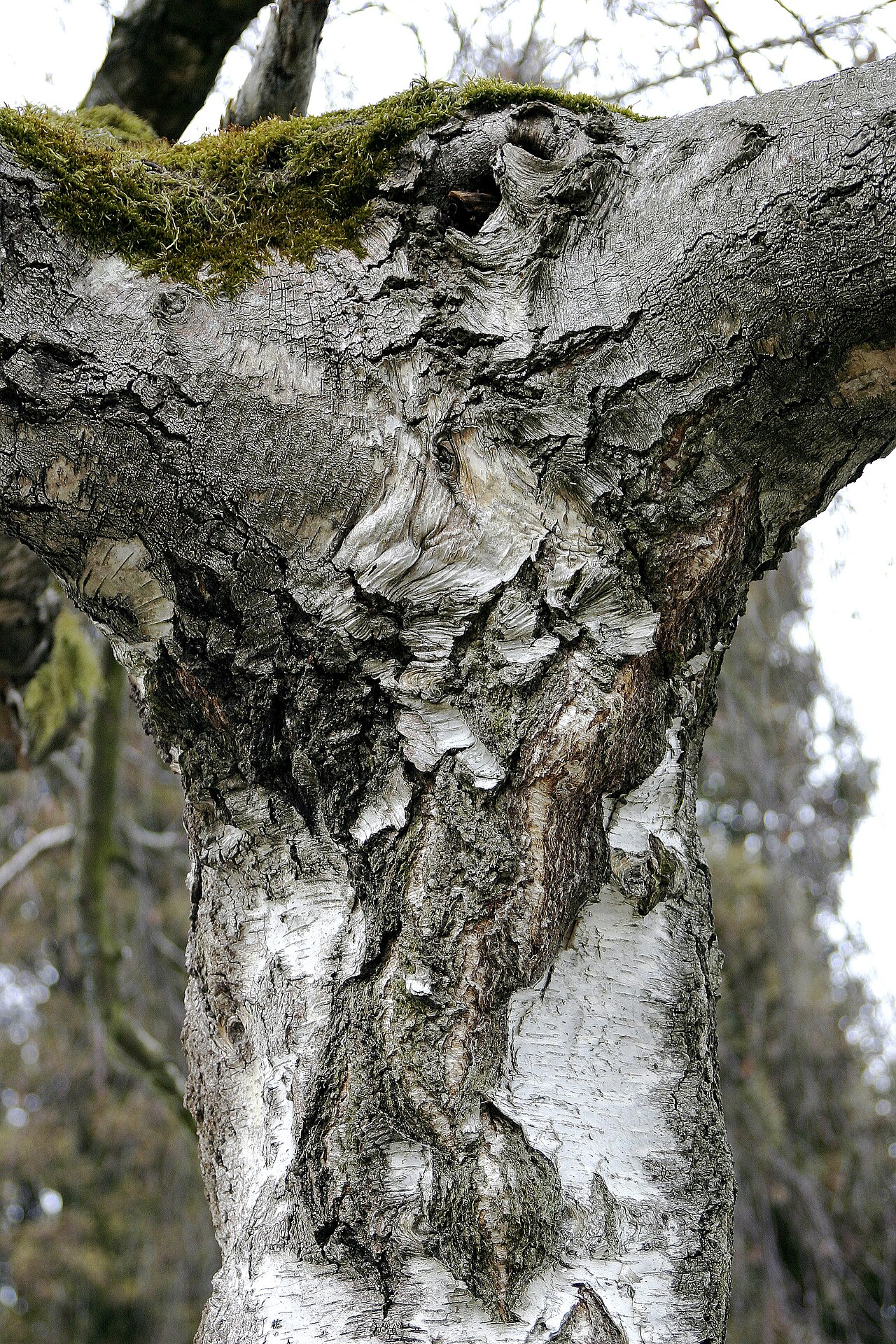
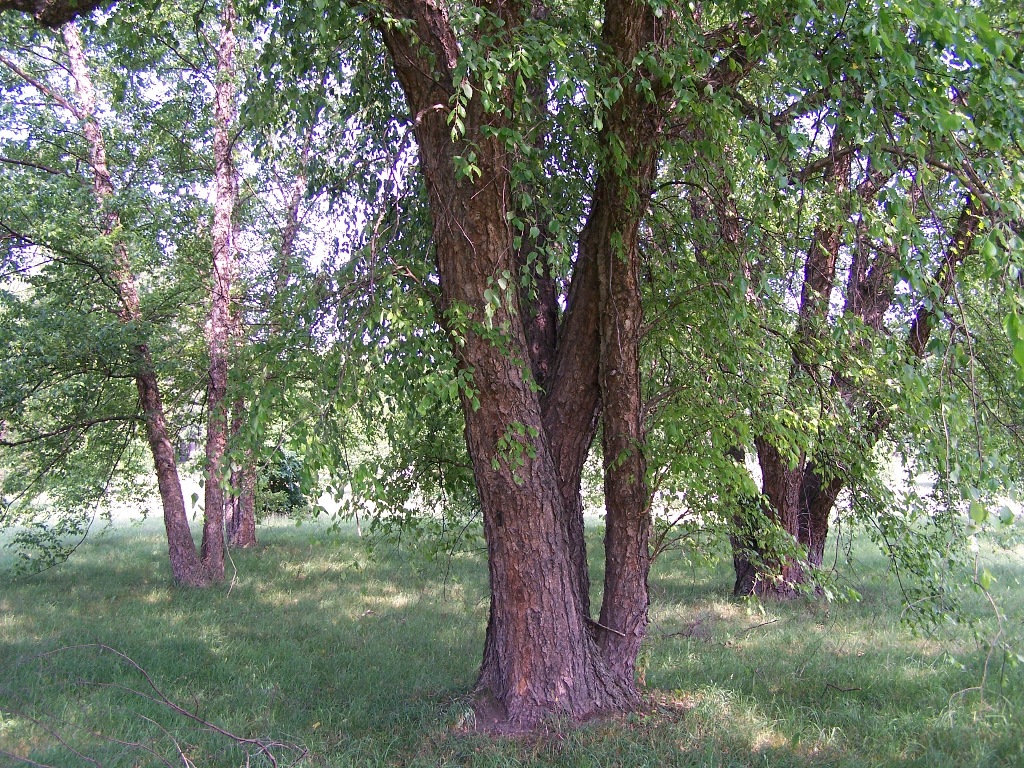
The bark is the show. On young trees it peels in papery curls of salmon-pink, cream, and cinnamon-brown; on older trunks it turns dark and furrowed at the base while the upper trunk keeps peeling. The leaves are diamond-shaped, doubly toothed, glossy green above, and they turn a clear, if brief, yellow in fall. River birch is often multi-trunked, which gives it a graceful, vase-like silhouette, and it grows fast — a young tree can put on several feet a year when it has water.
There is a famous cultivar worth knowing by name: ‘Heritage’, which UF/IFAS describes as the closest to a paper-white birch that will survive in hot areas, growing from Minnesota to Florida, tolerant of poor drainage, and reportedly resistant to bronze birch borer. ‘Dura Heat’ is another heat-selected form. If you want white bark in a warm climate, plant a cultivar selected for it — do not plant paper birch and hope.
Growing river birch in Florida
This is the birch Florida gardeners should plant, and the conditions are refreshingly straightforward: sun, water, and acid soil. River birch wants moisture — genuinely wet soil is fine, and it tolerates periodic flooding better than almost any landscape tree — but it also grows on higher ground if it gets irrigation. What it will not tolerate is high-pH soil: on alkaline soils it develops chlorosis, the yellowing between leaf veins that means the tree cannot take up iron. If your soil tests alkaline, amend toward acidity with organic matter and sulfur only on a soil-test recommendation, or pick a different tree.
Plant it where it has room and water. A low spot, a rain garden, a pond edge, a swale — all excellent. A confined street-tree pit or a narrow tree lawn is not; UF/IFAS specifically warns against those in the South. Mulch widely to hold moisture, water deeply and regularly for the first two years (and through droughts after that — river birch drops leaves early when dry, which is the tree filing a formal complaint), and feed the soil with compost or castings rather than heavy synthetic fertilizer. Prune in late summer or fall if you must prune at all; birches bleed sap heavily if cut in late winter and spring, which is messy rather than fatal, but avoidable.
One honest drawback: river birch is a bit messy. It drops small twigs, catkins, and those papery bark curls year-round. If you need a pristine patio tree, this is not it. If you need a fast, beautiful, wildlife-friendly shade tree for a wet corner where nothing else thrives, it is exactly it.
Problems worth knowing
Compared with other birches, river birch is blessedly trouble-free. It resists bronze birch borer far better than paper birch (and ‘Heritage’ is reportedly resistant outright). Leaf spot can appear in wet years, and iron chlorosis on high-pH soils is the recurring complaint — both are site problems more than tree problems. Aphids sometimes colonize the leaves and drip honeydew; usually the tree outgrows it. Give it water, acid soil, and space, and it mostly takes care of itself.
Wildlife value is high: the catkins and seeds feed birds, the bark shelters insects that birds then eat, and the canopy shades streams and ponds, cooling the water for everything living in it. Planted along a waterway, river birch is erosion control with good looks.
Where this guide came from
River birch is one of the birches surveyed in the group guide. See also the Birch guide, which surveys the whole group this plant belongs to.
Saving seeds
River birch seed comes with a deadline, and it is an unusual one: unlike most trees, river birch ripens its seed in late spring, not fall. Watch the small cone-like catkins in May and June: when they turn brown and crumble at a touch, they are ready. Snip them into a paper bag, let them fall apart over a few days, and shake out the tiny winged seeds. Sow them immediately — river birch seed does not store. Germination tests on seed a year old or older came back at zero, so this is a sow-it-now-or-lose-it seed.
Surface-sow on a moist, well-draining mix and press the seed in lightly — do not bury it. River birch seed needs light to germinate, and stratification is not necessary if the seed gets light during germination. Keep the tray moist — mist it twice a day if you can — and give it warmth and bright, indirect light. Germination usually comes in four to six weeks, and the seedlings are very small and delicate at first: keep them out of hot sun until their first true leaves appear, keep the seedbed moist, and do not let them dry out even once. Seedlings grow fast once they are established, and they can reach a foot or more in their first season.
Save seed from a healthy tree with good form and the peeling salmon bark that makes river birch worth growing, and sow more than you need — germination is uneven, and a generous sowing is the practical approach. Cuttings are not the practical alternative here: river birch is grown from seed, and that is the honest route.
In Florida, river birch is one of the few birches that actually likes it here — it tolerates heat and wet feet better than any other birch — so start seedlings in pots and plant them out once they are sturdy, in a spot with moist soil and room to grow. And label your pots: a birch seedling looks like any other seedling until it grows up, and you will not remember which one it was.
Varieties
Every named variety of River Birch with its own growing guide:
- Heritage River Birch — The white-bark birch that survives the heat: salmon-white peeling bark, big glossy leaves, and a fast climb — the river birch most people actually plant.
- Dura-Heat River Birch — The heat-proof river birch: smaller glossy leaves, whitish peeling bark, and a shrug at summers that flatten other birches.
- Fox Valley River Birch — The river birch for small yards: a dense, compact tree only 10 to 12 feet tall, with glossy leaves and peeling bark in miniature.