
🌿 Fox Valley River Birch
What it looks like
Why this variety
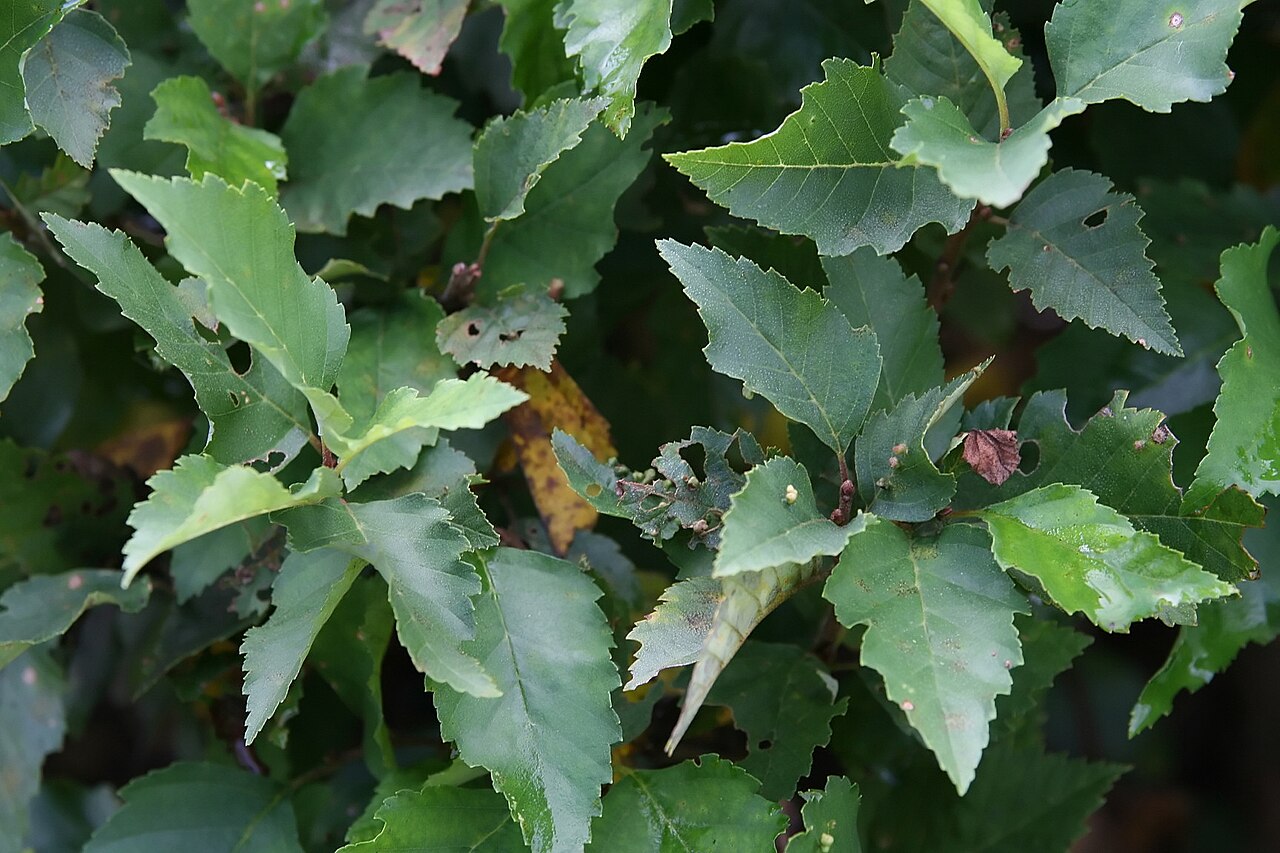
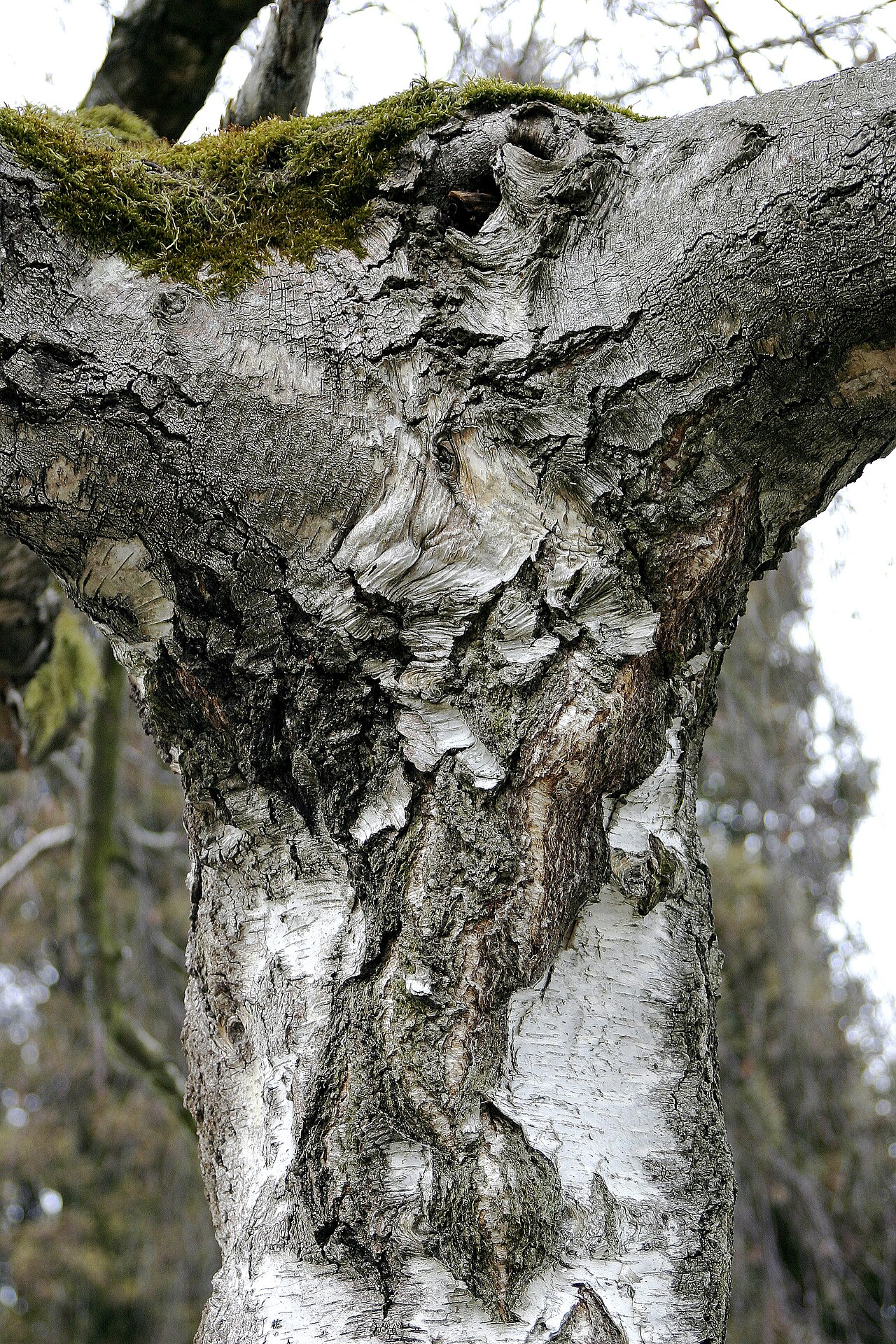
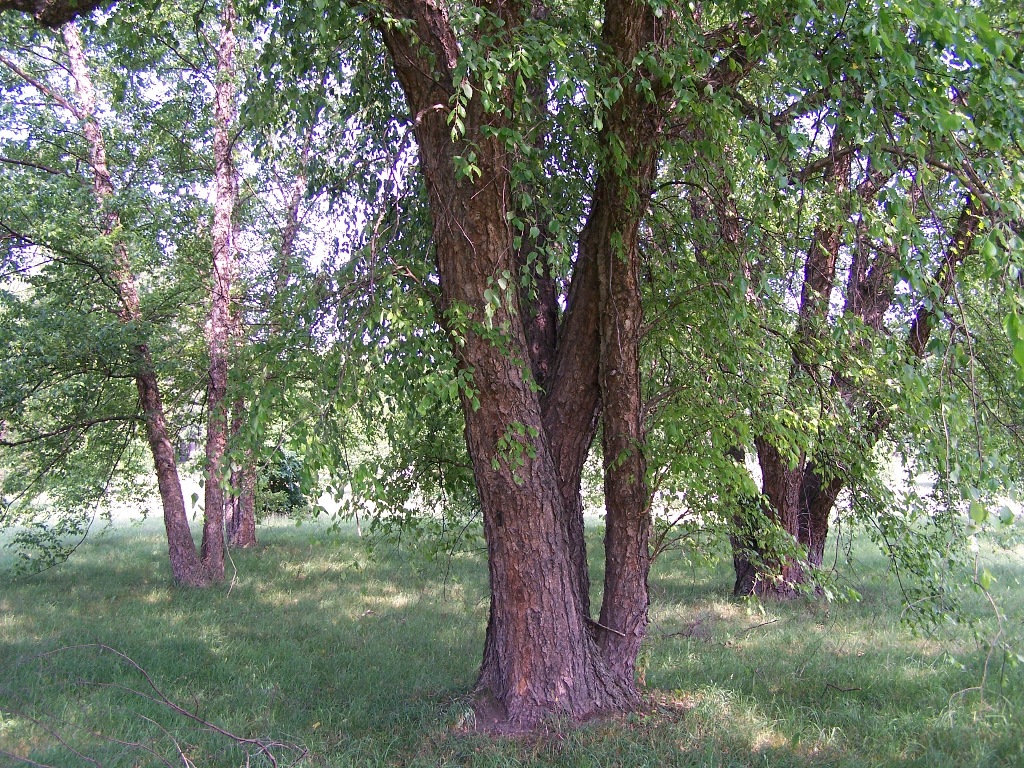
Fox Valley — ‘Little King’, introduced through the Chicagoland Grows program — is river birch shrunk to fit a real yard: a dense, compact tree only 10 to 12 feet tall, branching to the ground, with glossy green leaves and the species’ exfoliating bark in miniature. It is the answer to the gardener who loves river birch bark but does not have 40 feet to spare, and it works where the species cannot: a foundation planting, a small garden, a rain-garden corner, a courtyard that would be swallowed by Heritage in a decade.
Compact does not mean carefree: Fox Valley still wants sun, moisture, and acid soil, and it still drops leaves early when dry and yellows on alkaline soil. What it does not do is heave sidewalks, swallow houses, or demand a chainsaw’s opinion in twenty years. In North Florida, where river birch is native, it is the small-yard birch that actually belongs — a native tree in a size a subdivision can live with.
If you have not met the species yet, start with the River Birch guide for the whole tree, then come back here for Fox Valley in detail.
How to grow
Plant Fox Valley in fall or spring in moist, acidic soil in full sun to partial shade, with 12 to 15 feet of clearance — small for a birch, still a tree, not a shrub to wedge against a wall. Water deeply for the first two years and through droughts, mulch widely, and work compost or worm castings into the soil at planting. Its dense, low-branching habit needs little pruning; remove dead wood in late summer or fall, and let the crown fill in rather than shearing it into a box.
Water & feeding
Keep soil evenly moist while young; Fox Valley’s shallow birch roots dry out faster than a big tree’s, so mulch and regular deep watering matter more, not less, at this size. Feed the soil with compost, and get a soil test before amending alkaline soil — chlorosis is the same warning at 10 feet as at 70.
Common problems
- Iron chlorosis on alkaline soil — yellowing between veins, the river birch tell.
- Drought leaf drop — a small tree shows thirst fast; water deeply.
- Leaf spot in wet years — cosmetic on a dense small crown, rarely serious.
- Crowding — a 12-foot tree still needs its 12 feet; do not plant it where it must be sheared to survive.
Harvest
The harvest is river birch bark at eye level: peeling curls you can admire without binoculars, glossy summer leaves, yellow fall color, and a tree that fits the yard it was planted in. Fox Valley proves a native tree does not have to be enormous to be the right tree.
Saving seeds
Fox Valley — ‘Little King’ — is a compact river birch cultivar, and named cultivars are planted as nursery trees — seedlings won’t hold its dense, 10- to 12-foot form. The Saving seeds section of the River Birch guide covers seed for the species generally.