
🌿 Dura-Heat River Birch
What it looks like
Why this variety
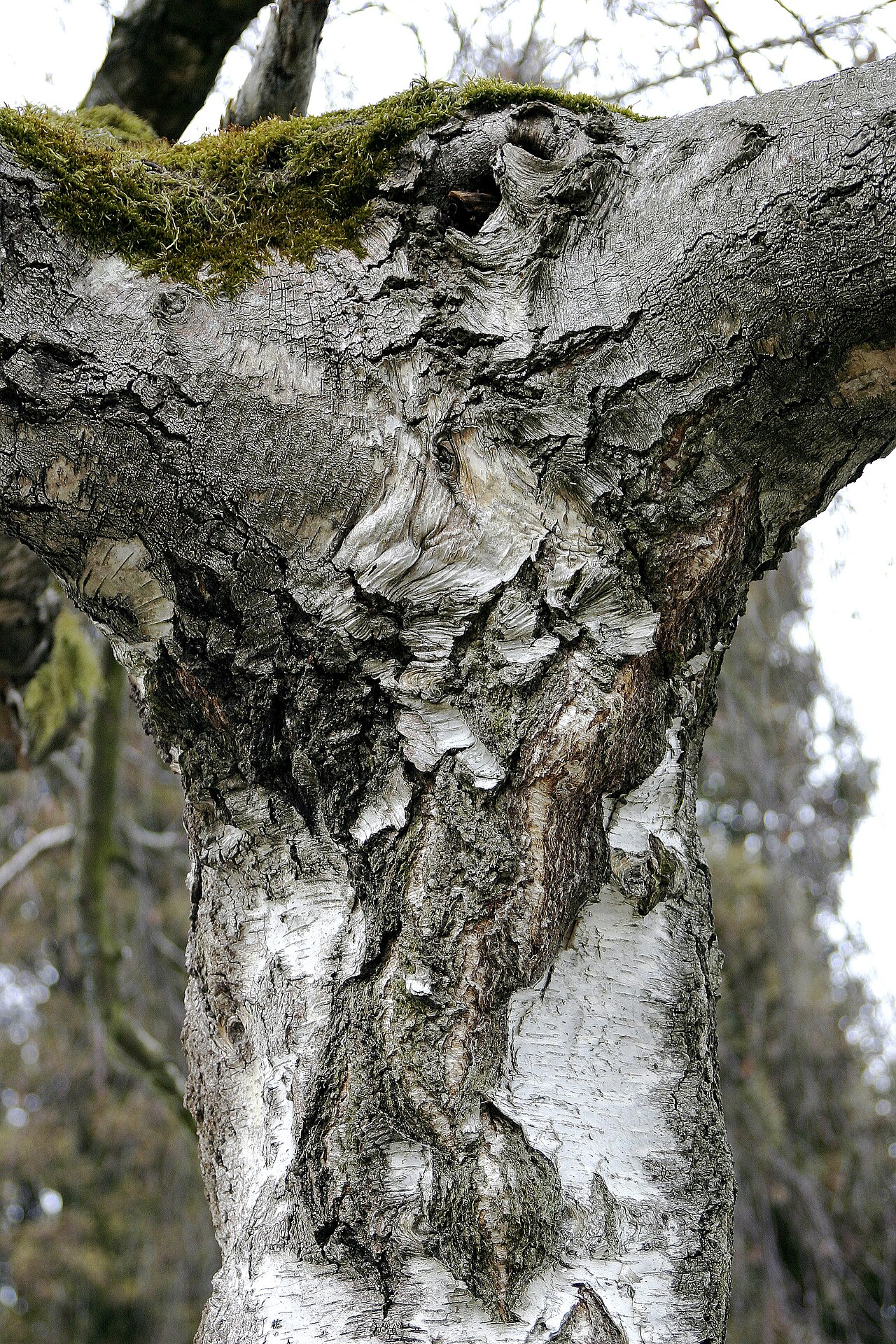
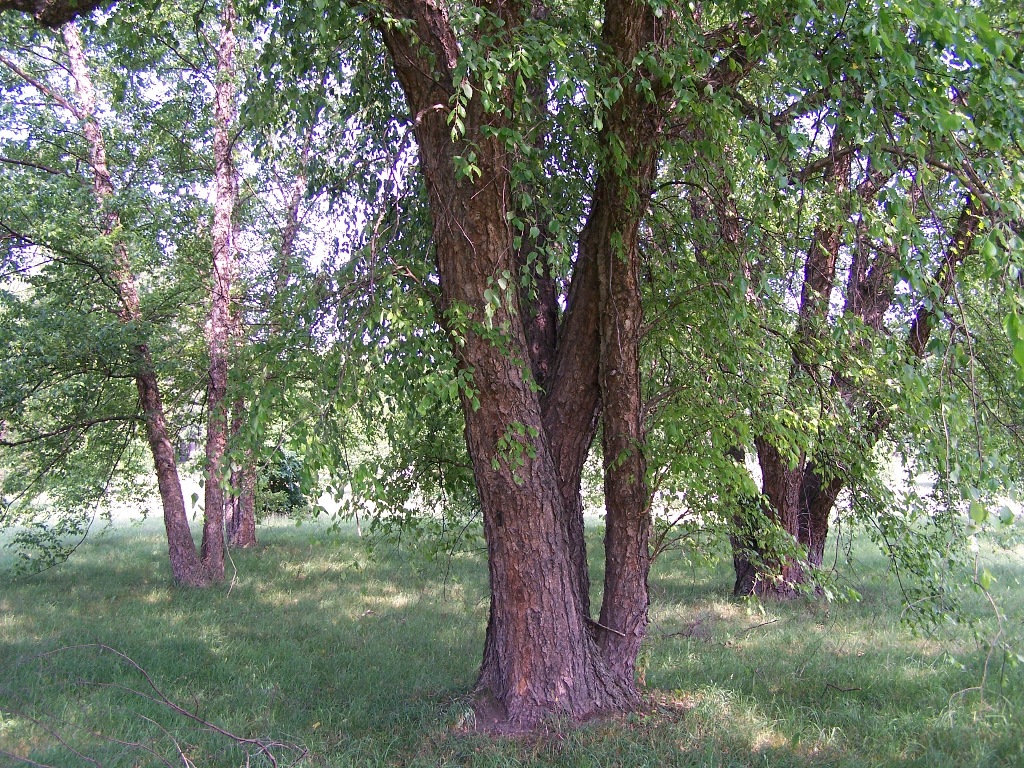
Dura-Heat — ‘BNMTF’, discovered as a seedling in Georgia — is the river birch bred for the sentence in its name: it takes heat better than most birches, and it takes drought better than the species once established. Compared with Heritage it is a somewhat smaller tree, with smaller, glossy, olive-green leaves and whitish exfoliating bark, and extension writers credit it with better resistance to aphids alongside its heat tolerance. If Heritage is the showy white-bark birch, Dura-Heat is the workhorse that keeps its leaves in August while other birches are already writing their wills.
For North Florida gardeners, Dura-Heat is a genuinely useful choice: river birch is the one birch native to northern Florida, and this cultivar leans into that southern edge rather than apologizing for it. It still needs acid soil — alkaline soil brings the same iron chlorosis that plagues every river birch — and it still wants moisture, even if it forgives a dry spell better than its cousins. Think of it as the river birch for the hotter, drier corner of the yard, not as a desert tree.
If you have not met the species yet, start with the River Birch guide for the whole tree, then come back here for Dura-Heat in detail.
How to grow
Plant Dura-Heat in fall or spring in moist, acidic soil in full sun to partial shade, with room for a 30- to 50-foot tree. Water deeply for the first two years, mulch widely, and work compost or worm castings into the soil at planting. Once established it tolerates heat and short droughts better than the species, but regular deep watering still keeps the canopy full and the fall color clear. Prune in late summer or fall to avoid the spring sap-bleed that makes birch pruning messy rather than fatal.
Water & feeding
Water deeply until established, then deeply through droughts; Dura-Heat forgives a missed watering better than most birches, which is not the same as preferring to be dry. Mulch to hold moisture, feed the soil with compost, and watch for chlorosis on alkaline soil — a soil test beats guessing at amendments every time.
Common problems
- Iron chlorosis on alkaline soil — the river birch signature complaint.
- Leaf spot in wet years — usually cosmetic, rarely worth spraying.
- Drought stress if the heat tolerance is taken as an excuse to never water — tolerant is not xeric.
- Aphids — Dura-Heat resists them better than most, but a stressed tree still invites a crowd; water and predators usually settle it.
Harvest
The harvest is a birch that still looks like a birch in late summer: glossy green leaves, whitish peeling bark, yellow fall color, and a tree that did not need a northern climate to earn it. Dura-Heat is the river birch for gardeners who have heat first and shade second.
Saving seeds
Dura-Heat is a named river birch cultivar, ‘BNMTF’, discovered as a seedling in Georgia, so seedlings won’t hold its heat tolerance and glossy leaves — buy a nursery tree instead. The Saving seeds section of the River Birch guide covers seed for the species generally.