
🌸 Somerset Burkwood Daphne
What it looks like
Why this variety
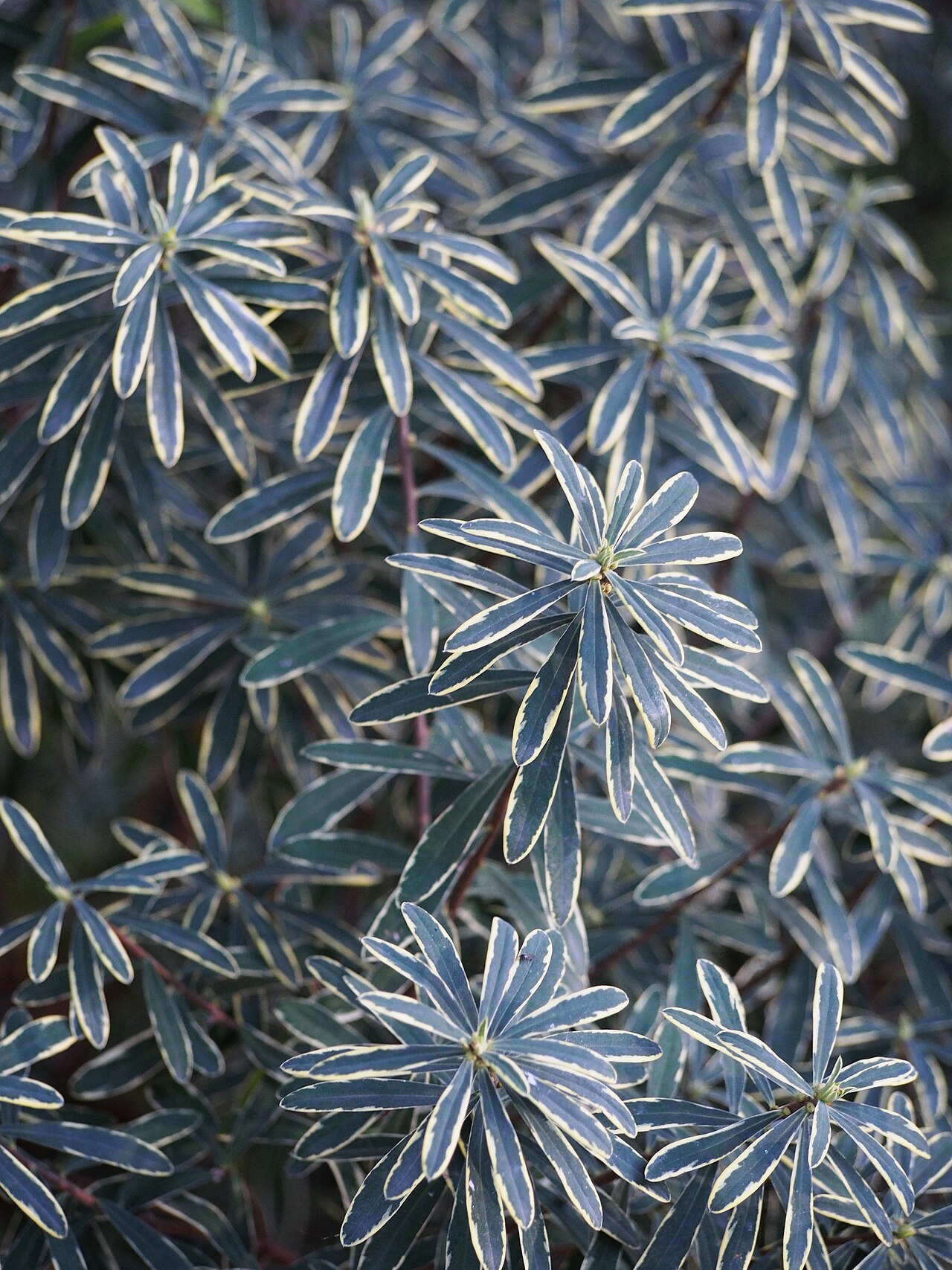
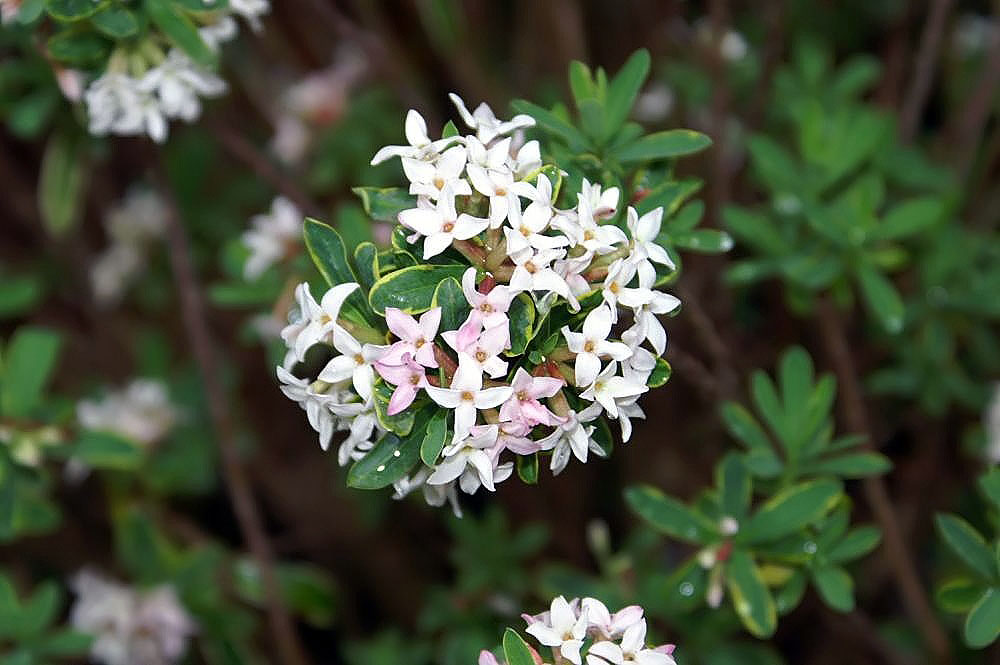
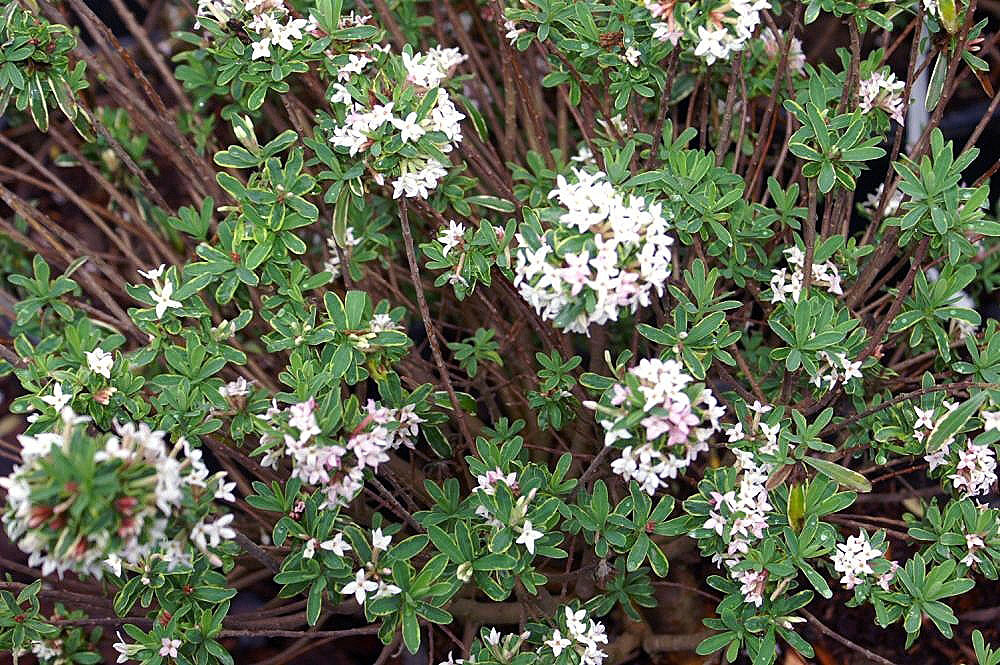
Somerset is the Burkwood daphne before the variegation — the green-leaved original, and the parent from which Carol Mackie mutated. It is a slow-growing, densely branched, deciduous to semi-evergreen shrub with larger flowers than most daphnes: clusters of creamy white to pale blush-pink blooms, sometimes described as large and purple-pink, that are extremely fragrant in late spring and are followed by tiny red drupes in fall. If Carol Mackie is the pretty one, Somerset is the strong one — more vigorous, more floriferous, and less fussy about its foliage.
That vigor is the reason to choose Somerset over its famous offspring. It grows a little bigger, blooms a little bolder, and does not spend energy maintaining cream edges that cannot photosynthesize. It is also the daphne to plant if you want the fragrance without the variegation debate: plain green leaves, spectacular scent, and a tidy mounded habit that fits a border without shouting. Gardeners who find variegated plants fussy — and there are many — often end up preferring Somerset once they smell it.
If you are new to choosing between cultivars, the Varieties Matter guide explains why the name after the plant matters as much as the plant itself.
Florida honesty: like all Burkwood daphnes, Somerset is a cool-climate shrub (zones 5–8) and a poor bet for most of Florida. Only the coolest north Florida gardens are even marginal, and there it needs afternoon shade, perfect drainage, and acceptance that heat and humidity shorten its life. For most Florida gardeners this is a plant to admire in other people’s gardens, in cooler states, rather than a border investment.
How to grow
Plant in spring from a container in morning sun with afternoon shade, in soil that is moist, humus-rich, and sharply drained. Amend generously with compost, plant at the pot’s depth, water in well, and mulch to keep roots cool. Do not move it once planted — daphnes establish slowly and resent disturbance, and smaller plants establish better than large ones. Prune lightly if at all, right after flowering, since daphnes bloom on older wood and hard pruning is rarely rewarded.
Water & feeding
Water steadily through dry spells; Somerset wants even moisture and hates both drought and wet feet. Mulch to hold moisture and keep roots cool, keeping mulch off the crown. Feed lightly in spring; heavy fertilizer pushes soft growth. In wet summers, drainage matters more than feeding — a raised bed or amended mound is the best insurance a daphne can have.
Common problems
- Root rot in wet soil — the number-one daphne killer; heavy wet clay is fatal.
- Sudden decline — even well-grown daphnes sometimes die mysteriously; it is the genus’s worst habit.
- All parts toxic — foliage and berries are poisonous if eaten, sap irritates skin; gloves on, and site away from samplers.
- Slow establishment — daphnes take a while to settle; do not judge a first-year plant.
- Transplant shock — plant once and leave it; moving a daphne is asking for trouble.
Pruning & garden use
Use Somerset as a specimen or border shrub where its late-spring fragrance can carry — near a path, a patio, or a window that opens. Its dense, rounded habit suits foundation plantings and woodland edges, and its fall red drupes add a second season of interest (do not eat them — all daphne parts are toxic). Prune only dead wood or shaping cuts right after flowering, and let it mound naturally. It is the Burkwood daphne for gardeners who want the scent at full volume, without the variegation maintenance.
Back to the Burkwood Daphne guide
Browse all plant & pest guides
Saving seeds
Somerset is the Burkwood daphne before the variegation — the green-leaved original, and the parent from which Carol Mackie mutated. It is a slow-growing, densely branched, deciduous to semi-evergreen shrub with larger flowers than most daphnes: clusters of creamy white to pale blush-pink blooms, sometimes described as large and purple-pink, that are extremely fragrant in late spring and are followed by tiny red drupes in fall. If Carol Mackie is the pretty one, Somerset is the strong one — more vigorous, more floriferous, and less fussy about its foliage. As a named Burkwood daphne it is kept true by cuttings, not by seed — plant in spring from a container in morning sun with afternoon shade, in soil that is moist, humus-rich, and sharply drained. Amend generously with compost, plant at the pot’s depth, water in well, and mulch to keep roots cool. Do not move it once planted — daphnes establish slowly and resent disturbance, and smaller plants establish better than large ones. Prune lightly if at all, right after flowering, since daphnes bloom on older wood and hard pruning is rarely rewarded. The full method is in the Propagation section of the Burkwood Daphne guide.