
🤍 Nikko Slender Deutzia
What it looks like
Why this variety
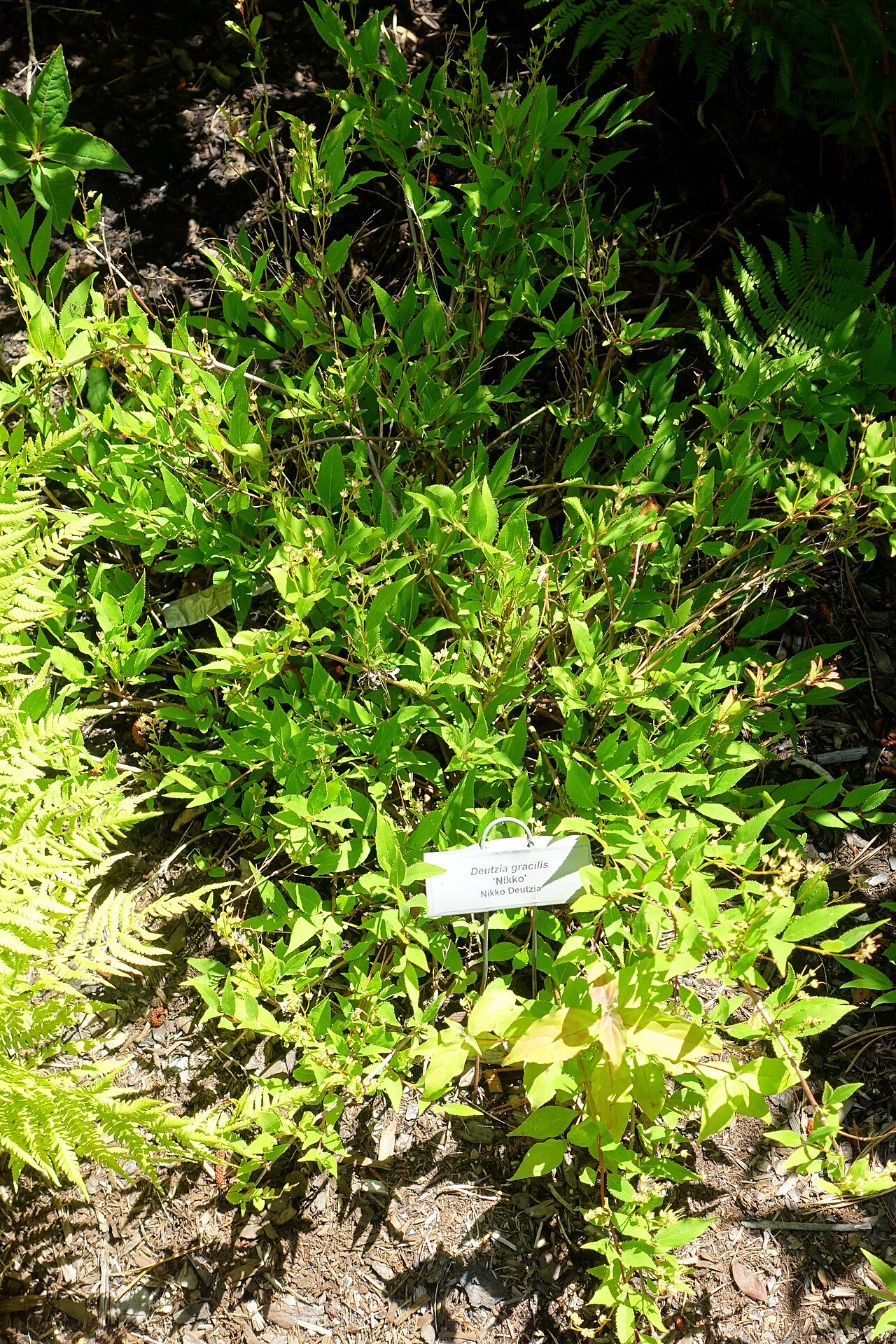
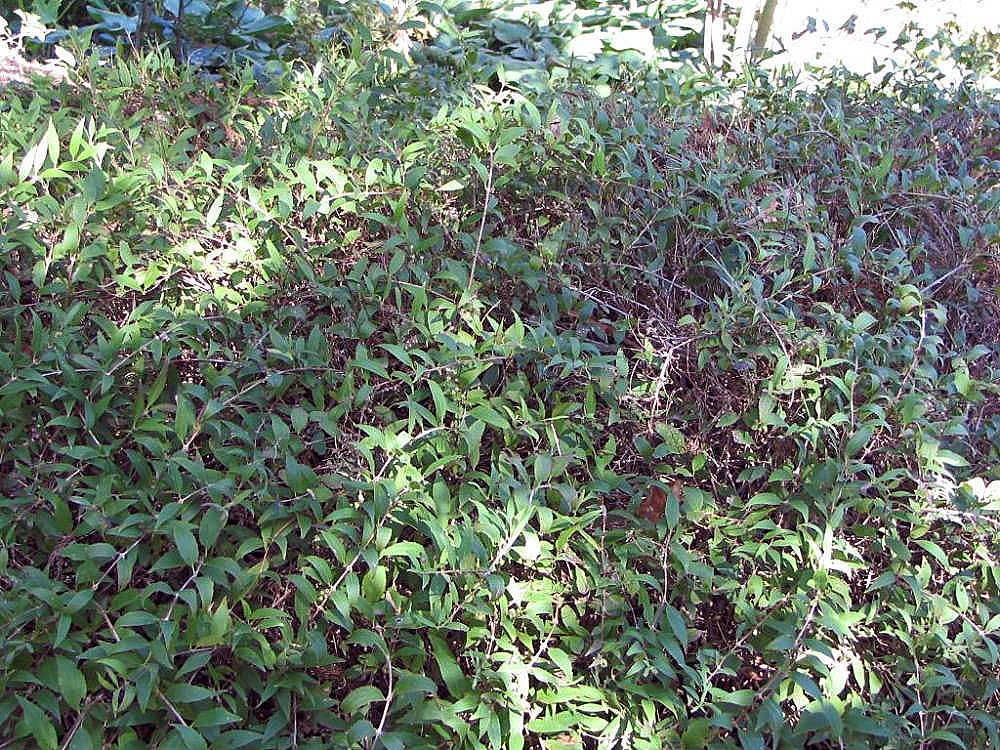
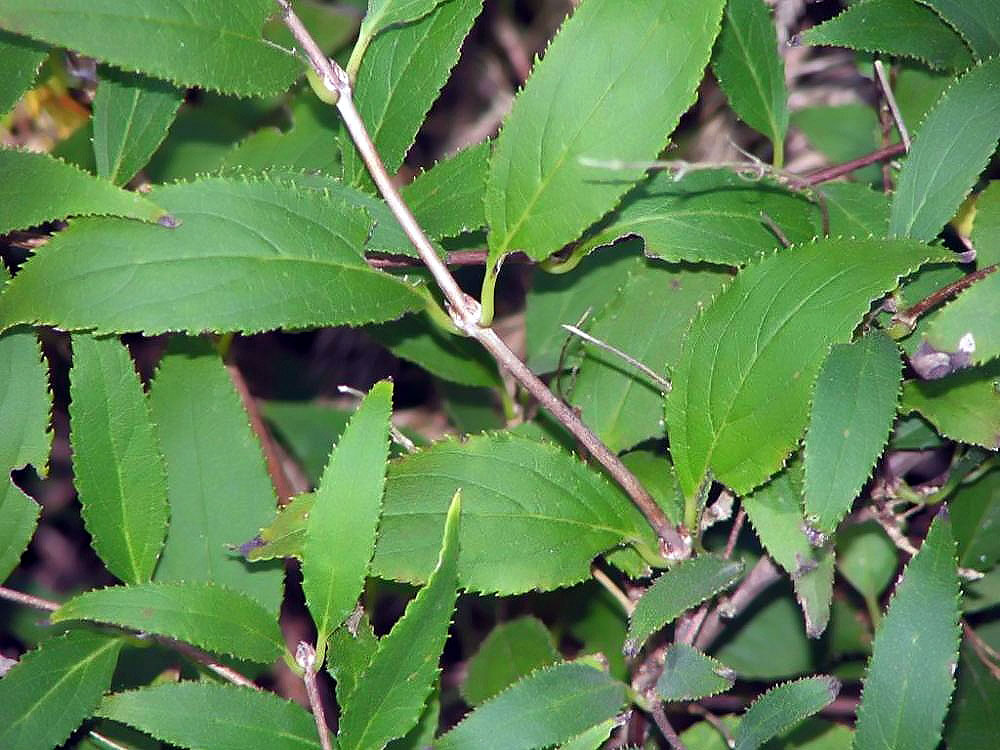
Nikko is the slender deutzia that made the species famous in small gardens. It is a dwarf, dense, low-mounding form — about 2 feet tall but spreading 4–5 feet wide — that in late spring covers itself so completely in small white star-shaped flowers that you can barely see the leaves. Then, unlike most deutzias, it gives you a second show: deep burgundy fall color that turns a groundcover shrub into a seasonal event.
Nikko’s size is its superpower. The species is already compact, but Nikko is compact enough for edging, slopes, rock gardens, and mass plantings where a full-sized shrub would be a mistake. It keeps its low, mounded habit without pruning, it blooms abundantly, and it has earned the Royal Horticultural Society’s Award of Garden Merit — which is the plant world’s way of saying ‘this one actually does what it promises.’ For a small garden that wants a spring explosion without a large shrub’s appetite for space, Nikko is the answer.
If you are new to choosing between cultivars, the Varieties Matter guide explains why the name after the plant matters as much as the plant itself.
Florida honesty: Nikko is a zones 5–8 shrub, so only north Florida is in range, and even there it needs afternoon shade and steady moisture through summer heat. It blooms on last year’s wood, so a hard freeze that kills stems can cost a spring show — less of a worry in north Florida than farther north, but heat is the trade-off. Central and south Florida are too hot for a reliable plant; enjoy Nikko in north Florida borders, or in cooler gardens.
How to grow
Plant in full sun to part shade in average, well-drained garden soil, with compost worked into the planting area. Space plants 4–5 feet apart for mass plantings, or closer for a faster groundcover effect. Water during establishment and in dry spells; established plants are moderately drought tolerant but bloom better with steady moisture. Prune right after flowering, because deutzias bloom on the previous year’s wood — prune in winter and you prune off the spring show, the classic deutzia rookie mistake. Remove the oldest stems at the base every few years to keep the mound vigorous.
Water & feeding
Water to establish, then water in dry spells; Nikko tolerates some drought once established but rewards steady moisture with heavier bloom. Mulch to hold moisture and keep roots cool. Feed lightly in spring with compost or a balanced organic fertilizer — deutzia is not a heavy feeder, and rich soil plus shade can make it leggy. In hot summers, afternoon shade and mulch matter more than fertilizer.
Common problems
- Short bloom season — glorious for two weeks, unremarkable the rest of the year; pair with summer plants.
- Pruning at the wrong time — winter pruning removes next spring’s flowers; prune only after bloom.
- Heat stress in hot summers — afternoon shade and steady moisture help in warm zones.
- Leggy in shade — too much shade thins the mound and cuts bloom; give it sun for the best show.
- Few serious pests — deer tend to leave it alone and diseases are rare, which is part of its charm.
Pruning & garden use
Use Nikko as an edging shrub, a slope cover, a mass planting under trees (in sun to part shade), or a low border plant in front of taller shrubs. Its spreading habit makes it a living mulch that suppresses weeds once established, and its fall burgundy color extends its season past the spring show. Prune right after flowering only, removing oldest stems at the base every few years. It is the deutzia for gardeners who want the fireworks without the ladder — everything good about the species, at knee height.
Back to the Slender Deutzia guide
Browse all plant & pest guides
Saving seeds
Nikko is the slender deutzia that made the species famous in small gardens. It is a dwarf, dense, low-mounding form — about 2 feet tall but spreading 4 to 5 feet wide — that in late spring covers itself so completely in small white star-shaped flowers that you can barely see the leaves. Then, unlike most deutzias, it gives you a second show: deep burgundy fall color that turns a groundcover shrub into a seasonal event. As a named cultivar it is kept true by cuttings, not by seed — seedlings would not hold the dwarf, dense, low-mounding habit. Plant in full sun to part shade in average, well-drained garden soil, and prune right after flowering, because deutzias bloom on the previous year’s wood. The full method is in the Saving seeds section of the Slender Deutzia guide.