
🤍 Slender Deutzia
Deutzia gracilis
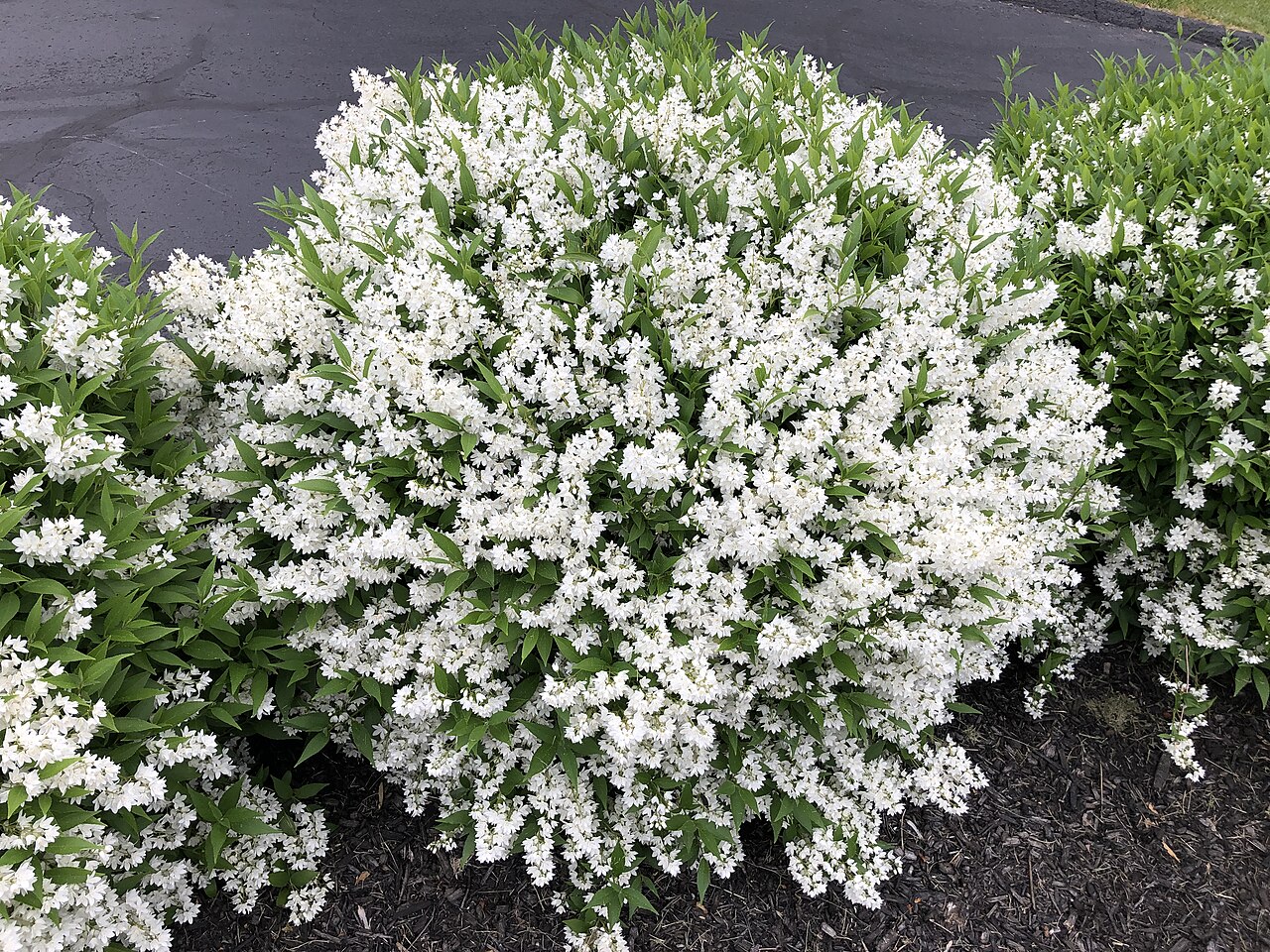
Slender deutzia is the shrub equivalent of a fireworks finale that lasts two weeks and is worth planning the whole spring around. For a brief, glorious stretch in late spring, this compact deciduous shrub disappears under a froth of small white star-shaped flowers, so completely that you can barely see the leaves. Then it settles back into being a tidy, graceful, green mound for the rest of the year, like nothing happened. Gardeners who know it forgive the short show instantly.
Quick facts
- Sun: Full sun to part shade
- Soil: Average, well-drained garden soil; tolerates a wide pH range
- Size: Roughly 2–5 feet tall and 3–4 feet wide (compact cultivars like ‘Nikko’ stay around 2 feet tall)
- Life cycle: Deciduous shrub
- Bloom: Late spring, masses of small white flowers
- Zones: USDA zones 5–8
What it is
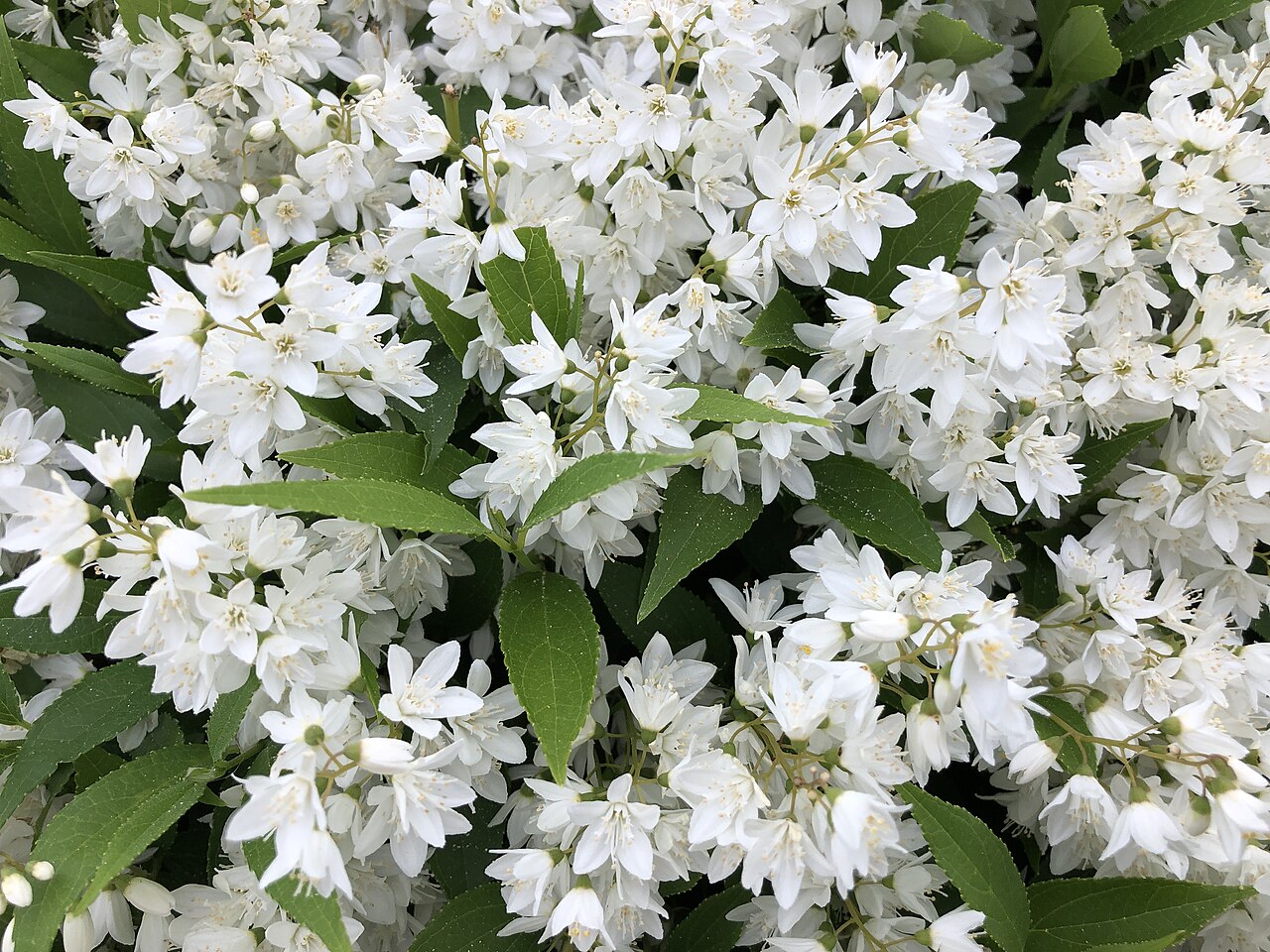
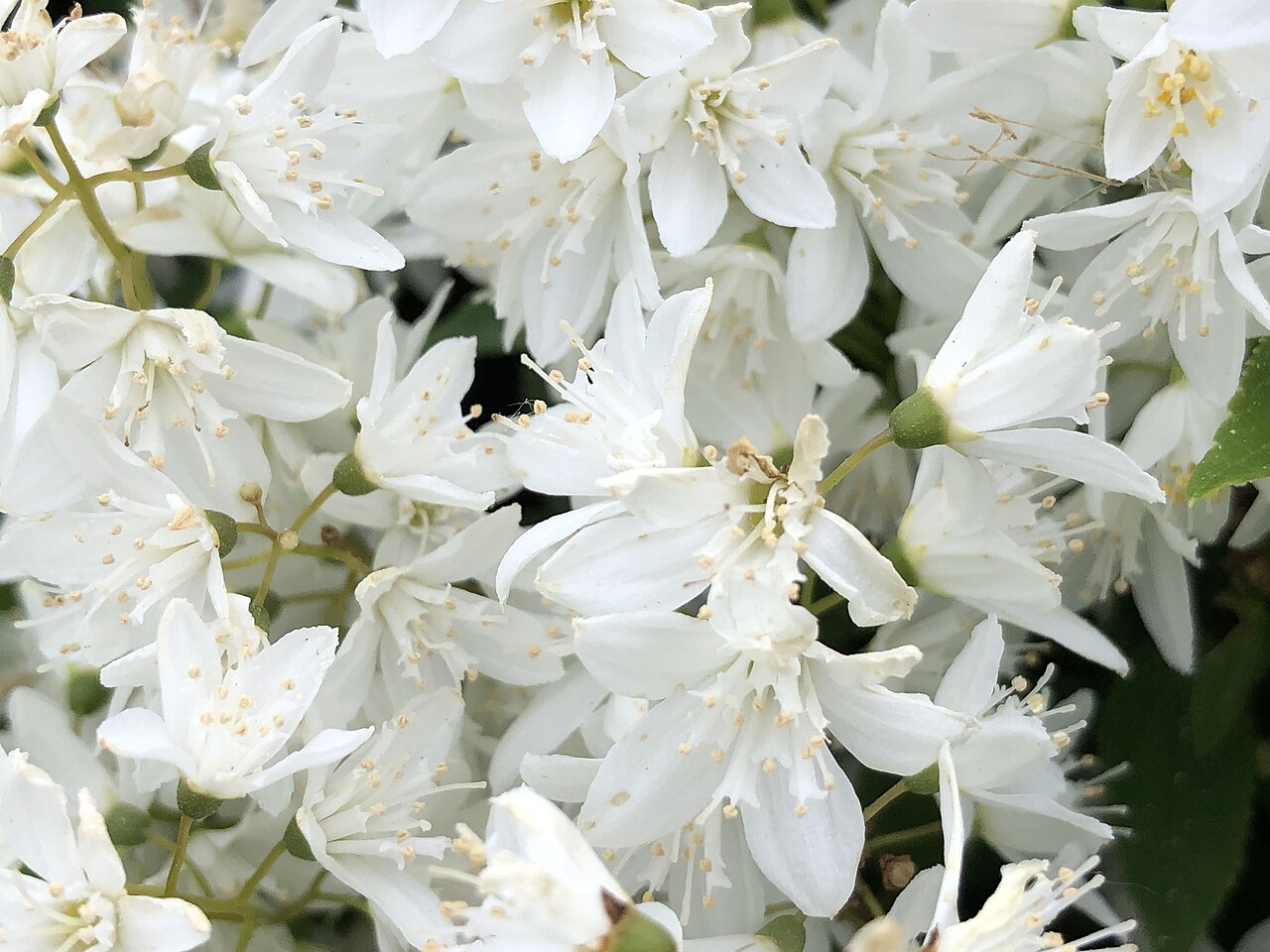
Slender deutzia (Deutzia gracilis) is a compact deciduous shrub in the Hydrangeaceae family — the hydrangea family — native to Japan. The species name gracilis means slender or graceful, and the plant earns it: arching, fountain-like stems, small serrated leaves, and flowers in such profusion that the shrub looks snow-covered in May. The flowers are small, five-petaled, and star-shaped, carried in short clusters along the stems, and they are lightly fragrant up close.
It is one of the smaller deutzias, which is a genuine virtue. Big shrubs need big gardens; slender deutzia fits in a foundation planting, the front of a shrub border, or a small garden where a 10-foot shrub would be a hostile takeover. The cultivar ‘Nikko’ is the famous one — a low, wide mound, about 18–24 inches tall and 3–5 feet wide, with the same white froth of bloom plus good reddish fall color — and it is the form most gardeners actually end up planting.
The Florida translation
Zones 5–8 put slender deutzia outside the comfortable range for most of the state, and summer heat is the reason. Deutzias are temperate shrubs that want a real winter and a moderate summer; long, hot, humid summers stress them, and the bloom show — the whole reason to plant one — is thinner when the plant is struggling. In the coolest northern corner, a part-shade spot with good moisture is a plausible trial, but for most gardens in this state this is a reference plant: lovely, worth knowing, and better admired in cooler climates than battled in a hot one. Its smaller, tougher cousins in the hydrangea family will give you more joy per gallon of water here.
How to grow it (where the climate fits)
Site. Full sun gives the heaviest bloom; part shade is fine, especially where summers are hot. Shelter from harsh wind keeps the arching stems graceful instead of battered.
Soil. Average, well-drained garden soil suits it, and it tolerates a wide range of soil pH. Like most flowering shrubs it does best with organic matter in the soil — compost worked into the planting area feeds the soil biology that keeps moisture even and nutrients cycling, which is the unglamorous foundation under every good bloom show.
Care. Water during establishment and in dry spells; established plants are moderately drought tolerant but bloom better with steady moisture. Prune right after flowering, because deutzias bloom on the previous year’s wood — prune in winter and you prune off the spring show, which is the classic deutzia rookie mistake. Remove the oldest stems at the base every few years to keep the mound vigorous and young.
Trouble spots
Slender deutzia is blessedly low-drama: few serious pests or diseases, deer tend to leave it alone, and it transplants easily from containers in spring. Its main faults are a short bloom season (glorious, but brief) and a tendency to look unremarkable for the rest of the year — which is only a fault if you expected a four-season showpiece instead of a spring specialist. Plant it where its two weeks of glory are visible from the house, and pair it with summer performers that take over after it bows out.
For the bigger, bolder, and sometimes unrulier relatives, see the Deutzia guide.
What it looks like
Saving seeds
Slender deutzia seed is dust-fine and easy, if you can see it. Let the seed capsules ripen on the plant until they are brown and dry, then shake them into a paper bag over a sheet of white paper — the seed is so fine you will lose it on a dark bench. Sow on the surface of moist mix, because the seed needs light to germinate, and keep it warm; no cold treatment is needed, and germination usually comes in two to three weeks.
Dry the seed thoroughly before storing, and keep it cool and dry; it keeps a few years. Sow more than you need, since the seed is fine and germination is uneven, and prick out seedlings once they are big enough to handle without crushing them.
Cuttings are the faithful route for named forms — softwood cuttings taken in summer root readily, and every cutting is a clone of the parent. Seed is for the species itself and for the patient gardener. A seedling will be a slender deutzia, but it will not be a named cultivar.
And the Florida honesty: deutzia is a cool-climate shrub for zones 5 to 8, and it is marginal here — north Florida only, in afternoon shade with moist soil, and even there it is a stretch. If it flowers for you in spring, enjoy it; it is earning its keep against the climate.
Varieties
Every named variety of Slender Deutzia with its own growing guide:
- Aurea — The golden-leaved classic: yellow foliage and white flowers on the compact slender deutzia frame.
- Chardonnay Pearls — The golden one: lime-yellow foliage all season, with pearl-like buds that burst into white stars in spring.
- Nikko — The groundcover deutzia: a dwarf, spreading mound that disappears under white flowers and turns burgundy in fall.
- Rosea — The pink surprise: slender deutzia flowers flushed rosy-grey outside and soft carmine within — the species, blushing.