
🌸 Deutzia
What it looks like
How to grow
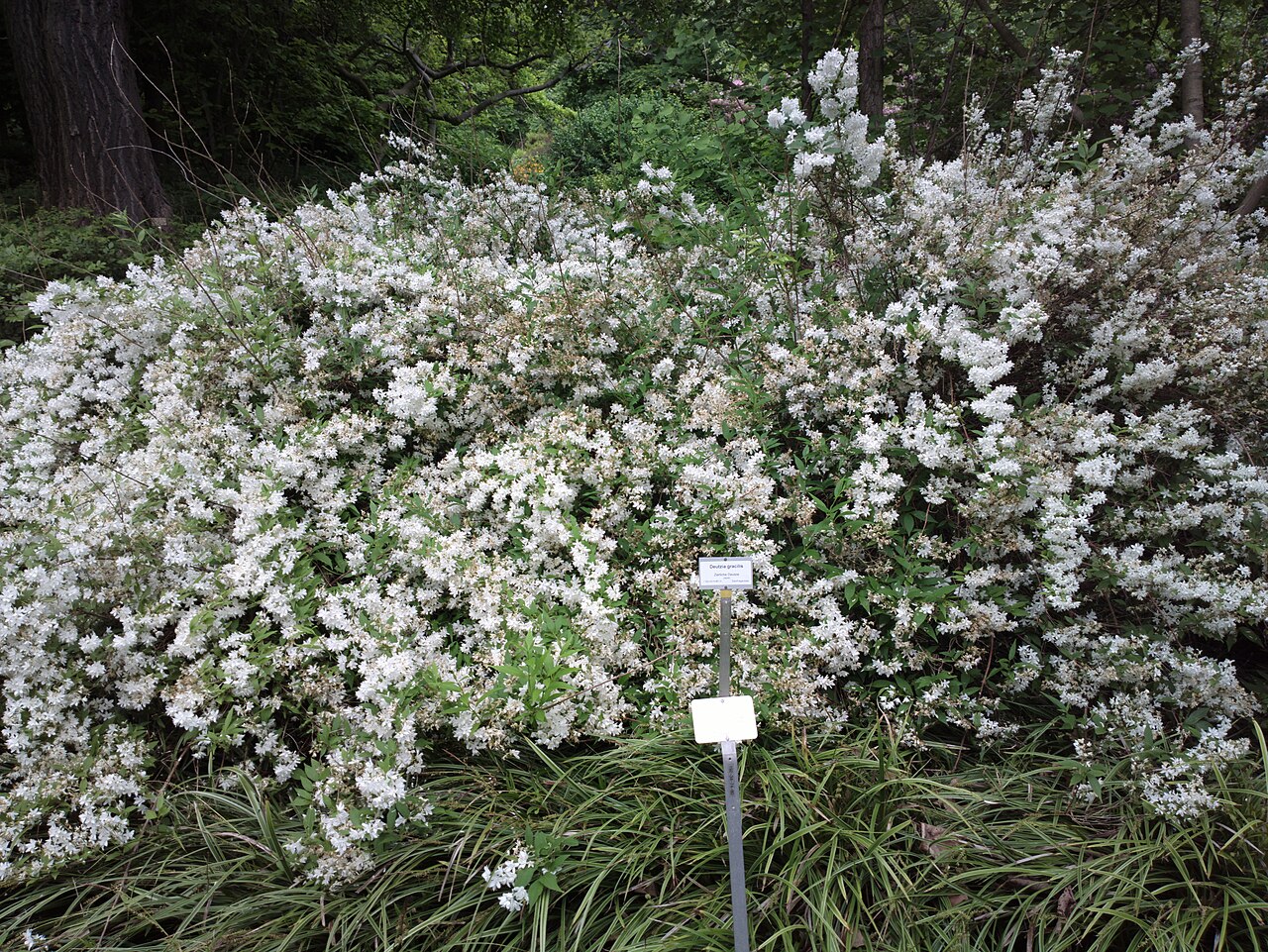
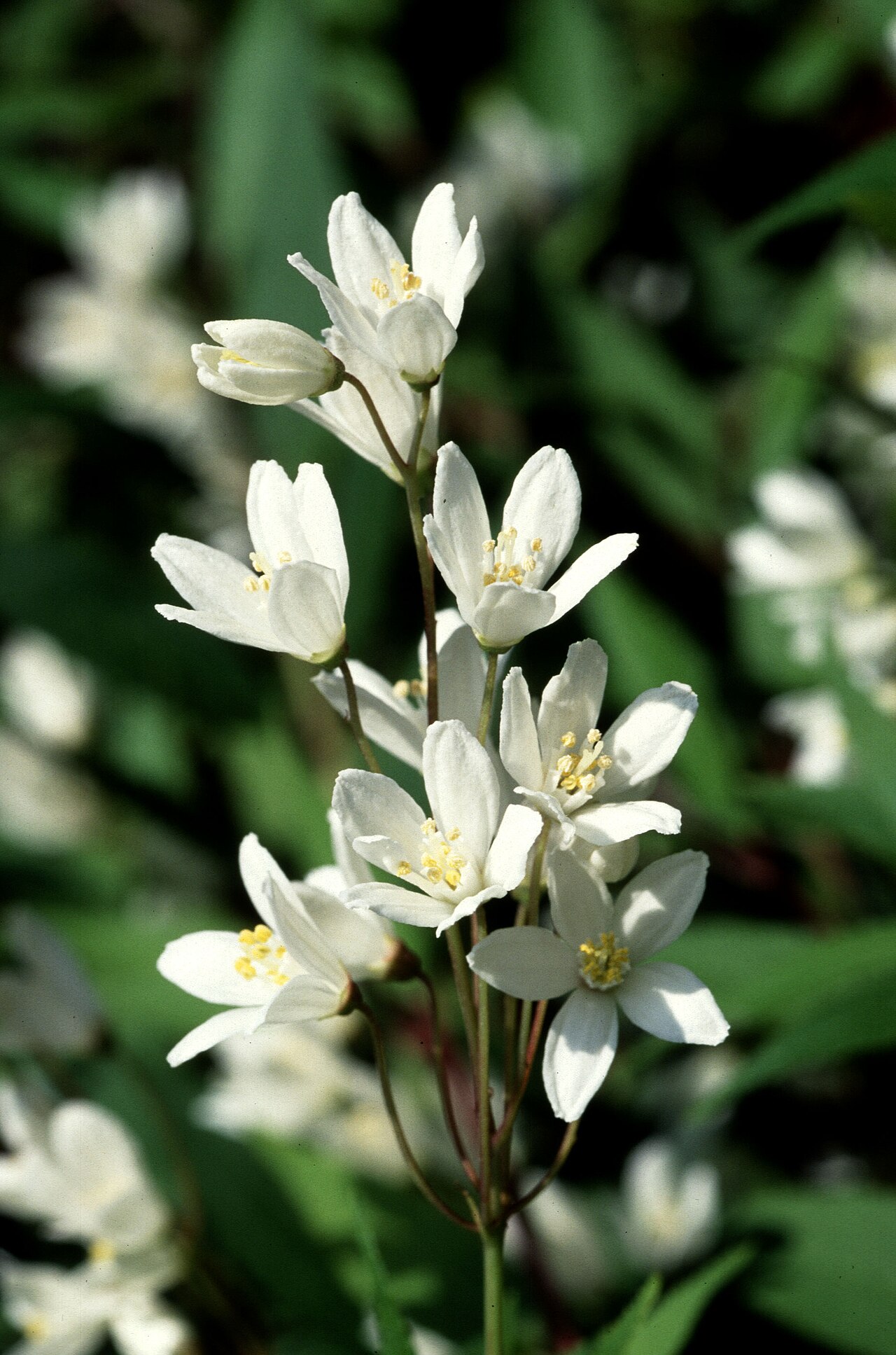
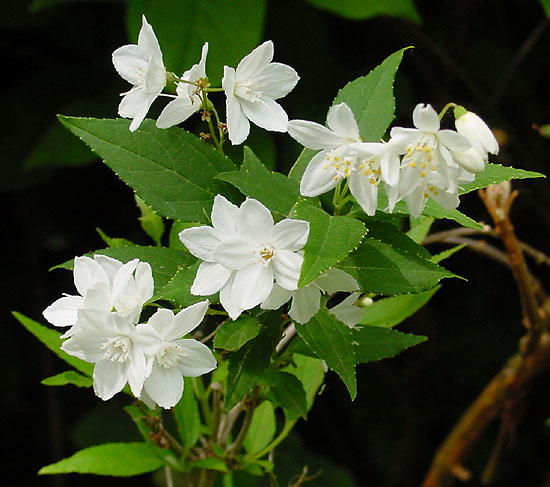
Deutzia is an old-fashioned deciduous shrub that earns its keep in one glorious spring flush, when arching stems are covered in clusters of small starry white or pink flowers. Dwarf types like slender deutzia stay around 2-4 feet tall, while fuzzy deutzia can reach 6-10 feet, so check the plant tag rather than assuming. Plant in spring or fall in full sun for the heaviest bloom — part shade works, but flowers will be thinner — in moist, well-drained soil enriched with compost. It is a lovely filler in a mixed border, a low hedge, or the front of a taller shrub planting, and it is generally unbothered by pests.
Water & feeding
Keep the soil consistently moist for the first year, then water during dry spells; established plants tolerate some drought but bloom best with steady moisture. Feed lightly in early spring with compost or a balanced slow-release fertilizer — deutzia is not a heavy feeder. Mulch to hold moisture, and avoid planting in a low spot where water stands after rain.
Common problems
- Pruning at the wrong time — deutzia flowers on old wood, so prune right after flowering, never in late winter, or you will cut off the spring show.
- Leggy old stems — remove about a third of the oldest stems at ground level after bloom each year.
- Leaf spot and aphids — occasional and rarely serious; improve air flow and wash aphids off with water.
- Weak bloom — usually too much shade or a hard late-winter prune.
Harvest
There is nothing to harvest except the view and a few cut stems for a vase — snip flowering branches just after they open and enjoy them indoors. Propagate by softwood cuttings in summer, and let the shrub keep its natural arching shape rather than shearing it into a box.
Saving seeds
Here is the honest version first: if you want another deutzia exactly like the one you have, take a cutting. Deutzia is a genus of shrubs — slender deutzia, fuzzy deutzia, and a cheerful crowd of hybrids — and seed from a named cultivar or a hybrid will not reliably repeat its parent. Seed saving is still worth doing, but it is a lottery ticket, not a photocopy, and the prize is a shrub that might bloom a little differently than its mother. For a genus this pretty, that is a perfectly good gamble, as long as you know you are gambling.
Start by not deadheading everything. After the spring fountain of white and pink bells finishes, let some flower clusters stay on the shrub. Small dry capsules form where the flowers were; collect them in late summer or early autumn, when they are brown and papery and starting to crack. Snip whole clusters into a paper bag, let them finish drying indoors for a week or so, then crush and shake them gently — the seed inside is tiny, so work over a tray and do not sneeze at the wrong moment.
Clean out the chaff as best you can, spread the seed on paper for a few more days until it feels thoroughly dry, and store it in a labeled, airtight container in a cool, dark place. Deutzia seed is small and dries out fast, which is a virtue in storage and a hazard at sowing: sow on the surface of a moist seed mix in spring and press it in lightly rather than burying it, and do not let the surface dry out while you wait. Sources disagree on whether a cold spell helps — some growers sow fresh and get on with it, others chill the seed for a few weeks first to mimic winter — so if your first batch is shy, try the other route before blaming the seed. Germination is measured in weeks rather than days, and seedlings are slow to amount to much: expect a year or two of nursery-bed patience and flowers only around the third year, give or take.
The faithful route, for the record, is softwood cuttings in late spring or early summer: a healthy non-flowering shoot a few inches long, lower leaves stripped, cut end dipped in rooting hormone if you have it, stuck in a gritty, humid mix until roots form in a matter of weeks. Layering a low branch into the soil works, too. So the practical plan is both: cuttings for the shrub you love, seed for the shrub you have not met yet. In Florida, note the range honestly — most deutzias are shrubs for zones 5 to 8, so seed saving here is mostly a north-Florida or cool-climate project, and stored seed still wants that same cool, dry, airtight jar, with a desiccant packet standing guard against the humidity.