
🤍 Rosea Slender Deutzia
What it looks like
Why this variety
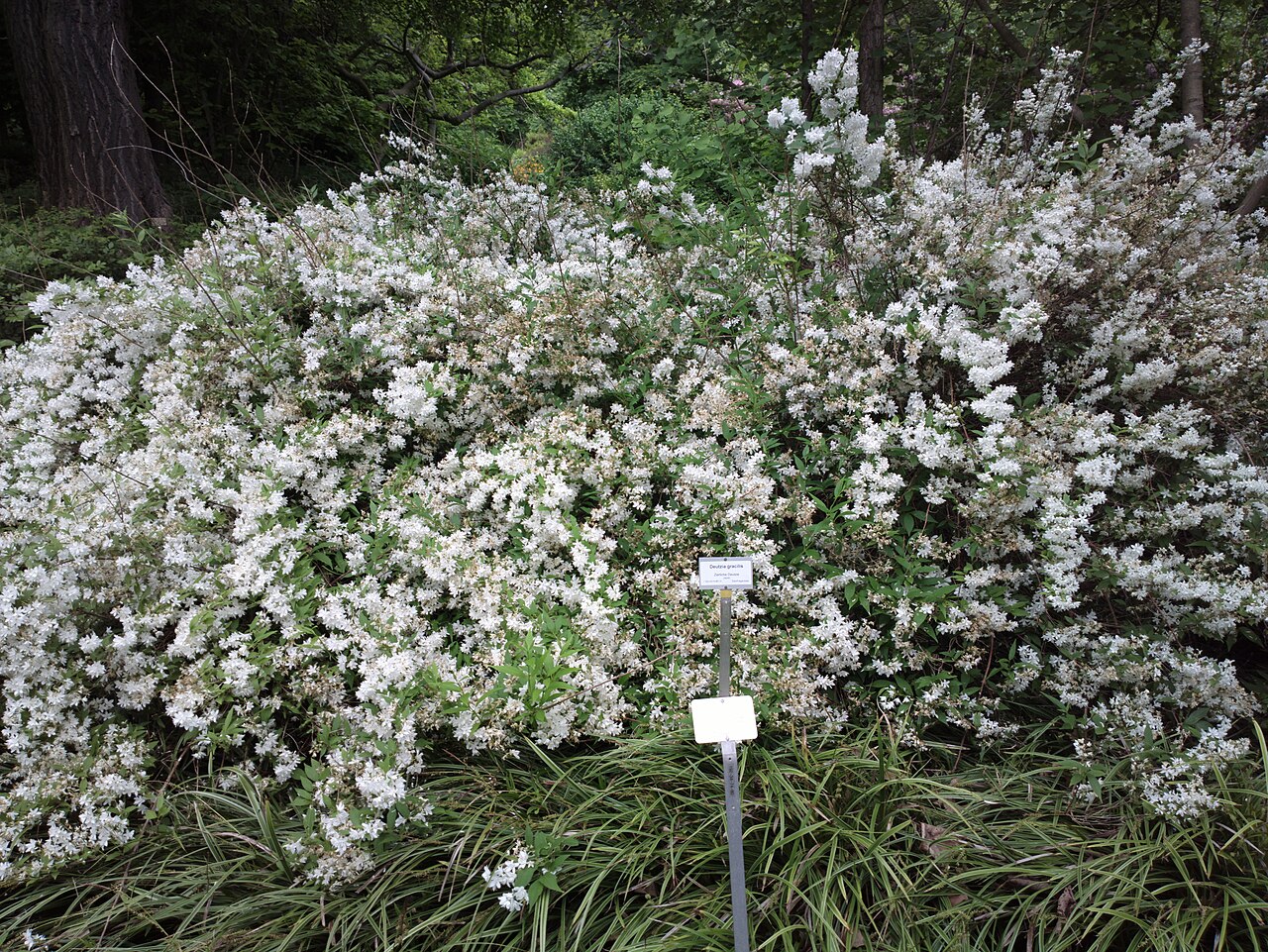
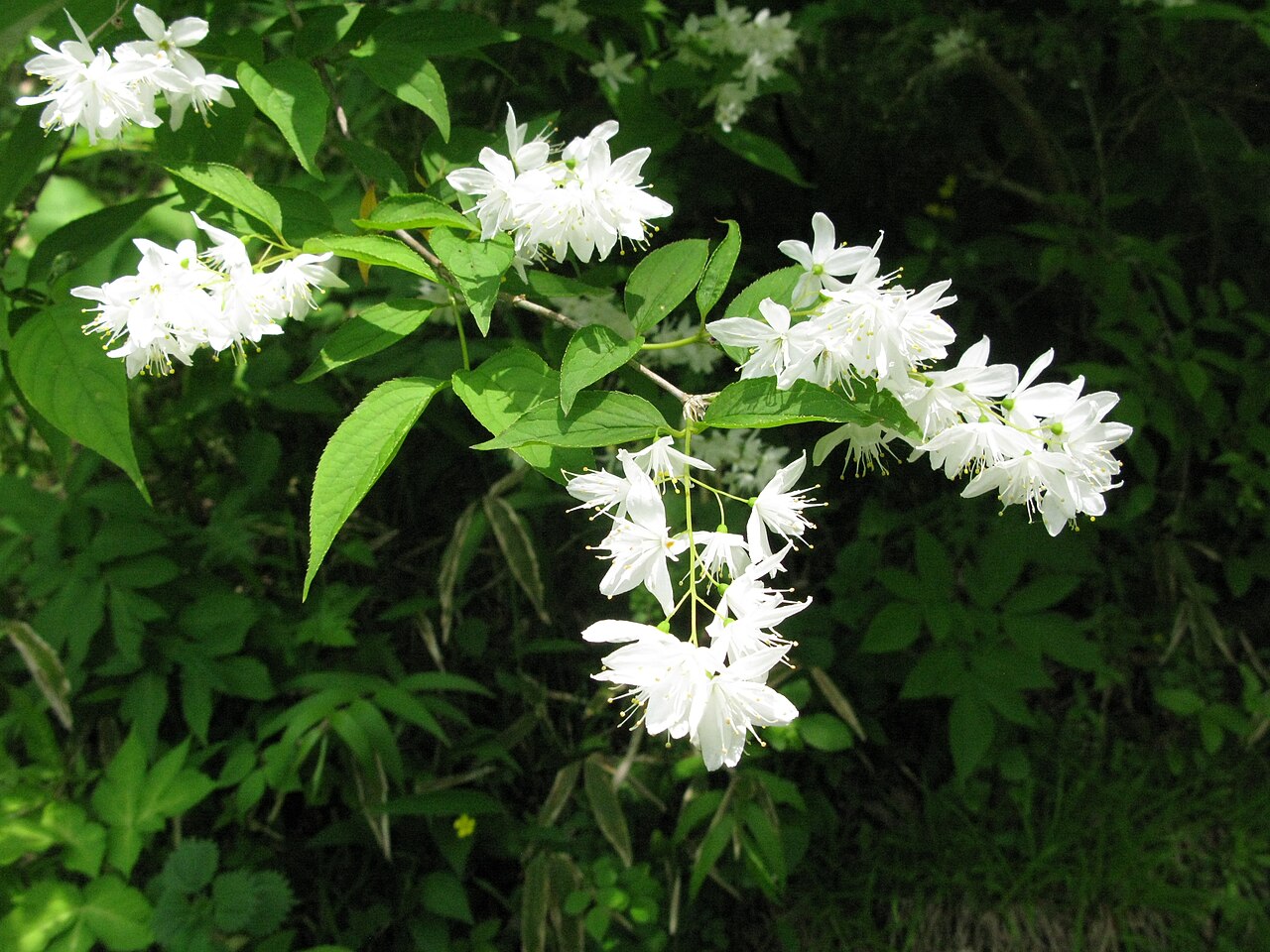
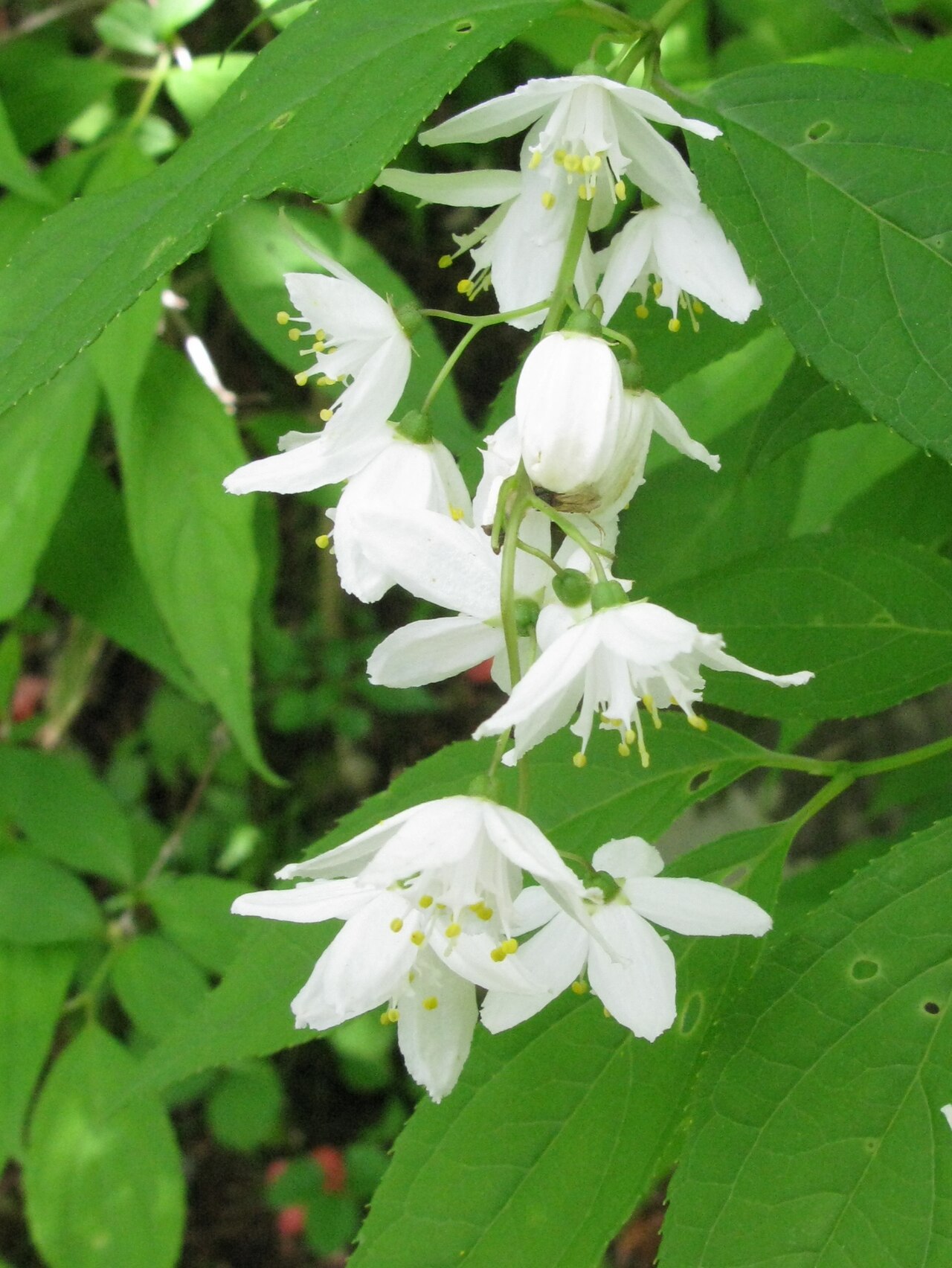
Rosea is slender deutzia for gardeners who thought deutzia only came in white. Its flowers are rosy-grey on the outside and soft carmine within — a pink flush that makes each small star look hand-tinted — while the plant itself is otherwise the familiar compact, graceful species: 2–4 feet tall and wide, arching stems, a froth of bloom in late spring. It is the same plant, blushing, and the effect is charming precisely because it is unexpected.
Rosea is also a useful reminder that ‘white-flowered’ is a generalization, not a law. Deutzia breeders have selected pink forms across several species, and Rosea brings that color to the smallest, tidiest deutzia frame. It does not bloom longer than the species, it does not grow differently, and it does not need different care — it just blooms pink, which for a gardener planning a pink-and-white spring border is the only difference that matters.
If you are new to choosing between cultivars, the Varieties Matter guide explains why the name after the plant matters as much as the plant itself.
Florida honesty: Rosea is a zones 5–8 shrub, so north Florida only, with afternoon shade and steady moisture in summer heat. Its pink flush shows best in cooler spring weather; in a hot spring it may read paler. Central and south Florida are too hot for a reliable plant; in north Florida it can be a lovely pink accent in a spring border.
How to grow
Plant in full sun to part shade in average, well-drained soil with compost worked in. Water during establishment and in dry spells. Prune right after flowering, since deutzia blooms on previous year’s wood — winter pruning removes the spring show. Remove oldest stems at the base every few years to renew the mound. Otherwise, leave it alone: slender deutzia is blessedly low-drama, with few pests and little disease.
Water & feeding
Water to establish and in dry spells; established plants are moderately drought tolerant but bloom better with steady moisture. Mulch to hold moisture and keep roots cool. Feed lightly in spring with compost; deutzia is not a heavy feeder, and overfeeding makes leggy growth with fewer flowers.
Common problems
- Short bloom season — glorious but brief; pair with summer performers.
- Pruning at the wrong time — the classic deutzia mistake; prune only after flowering.
- Heat stress in hot summers — afternoon shade and mulch help in warm zones.
- Pink varies with weather — the flush is strongest in cool springs and paler in heat.
- Unremarkable the rest of the year — a tidy green mound after bloom, which is fine if you planned for it.
Pruning & garden use
Use Rosea in a pink-and-white spring border, as a companion to white Nikko or golden Chardonnay Pearls, or as a small specimen where its pink flush can be seen up close. It suits foundation plantings and perennial borders at 2–4 feet. Prune right after flowering only, and pair it with summer plants that take over after its two-week show — Rosea is a spring specialist, and a good garden plans for what comes after the specialist bows out.
Back to the Slender Deutzia guide
Browse all plant & pest guides
Saving seeds
Rosea is slender deutzia for gardeners who thought deutzia only came in white. Its flowers are rosy-grey on the outside and soft carmine within — a pink flush that makes each small star look hand-tinted — while the plant itself is otherwise the familiar compact, graceful species: 2–4 feet tall and wide, arching stems, a froth of bloom in late spring. It is the same plant, blushing, and the effect is charming precisely because it is unexpected. As a named deutzia it is kept true by cuttings, not by seed — seedlings would not hold the rosy-grey and soft carmine flowers. Plant in full sun to part shade in average, well-drained soil with compost worked in. Water during establishment and in dry spells. Prune right after flowering, since deutzia blooms on previous year’s wood — winter pruning removes the spring show. The full method is in the Saving seeds section of the Slender Deutzia guide.