
🤍 Aurea Slender Deutzia
What it looks like
Why this variety
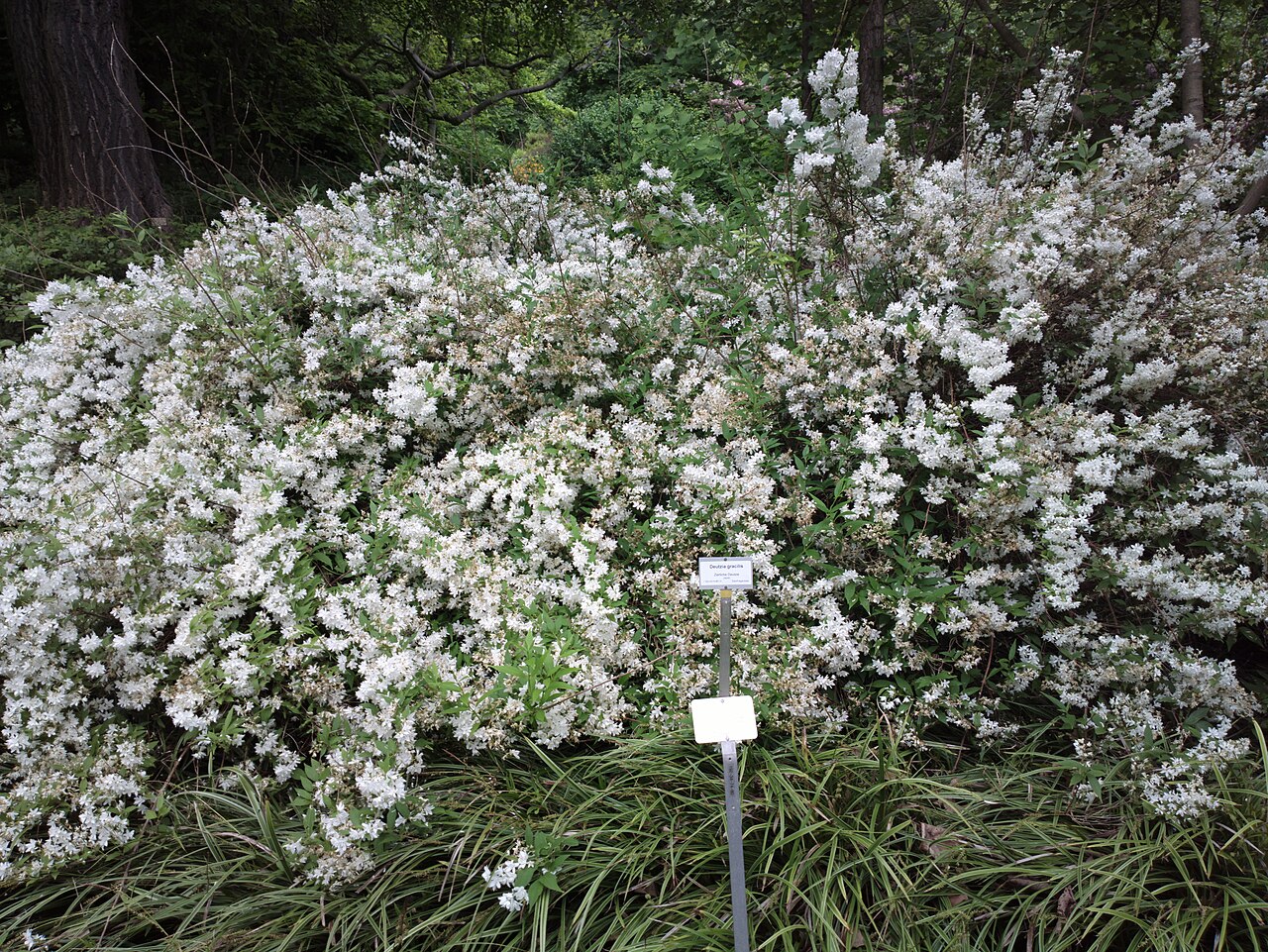
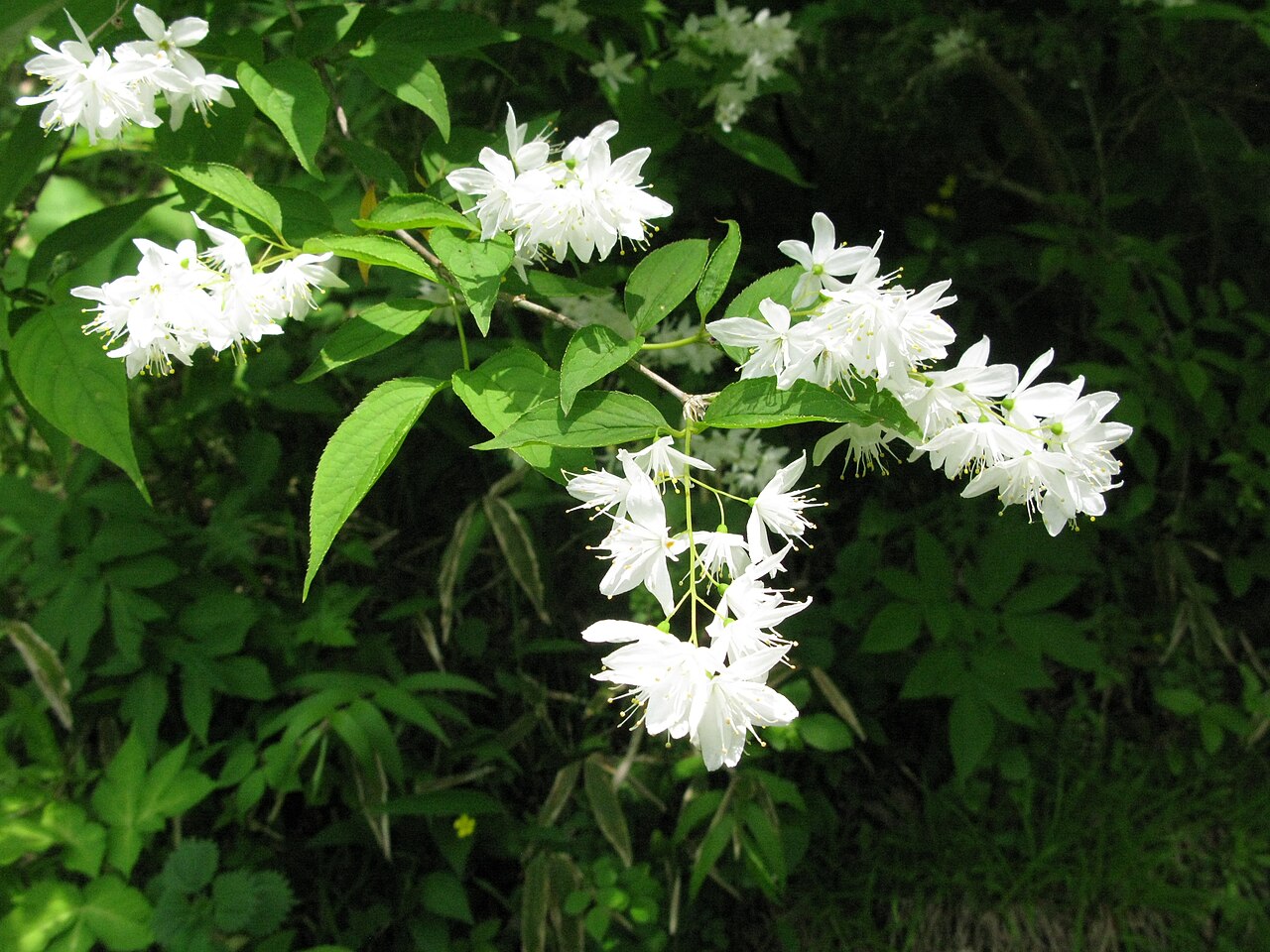
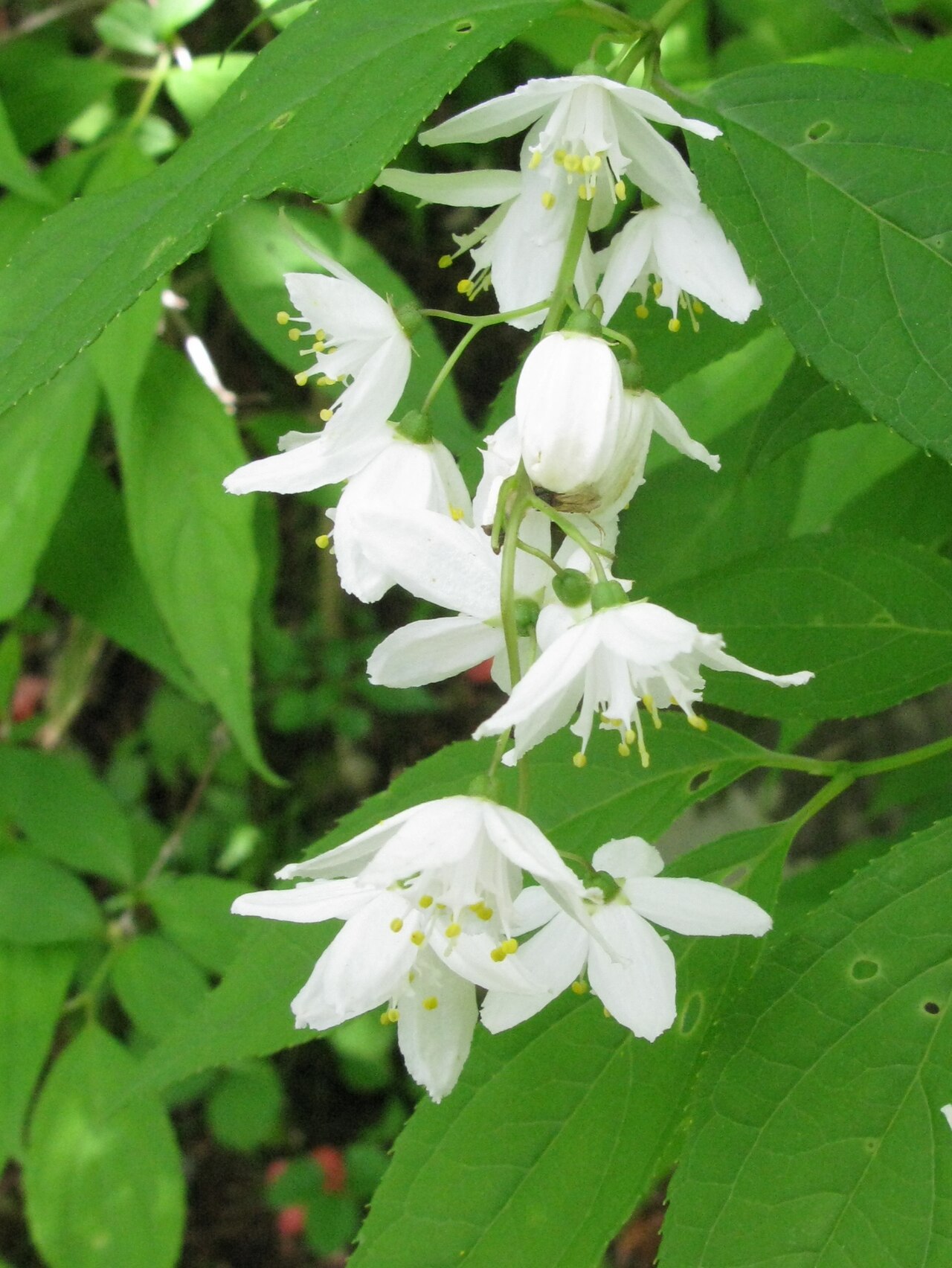
Aurea is the older golden deutzia — the yellow-leaved form of slender deutzia that predates the patented Chardonnay Pearls and offers a similar glow without the trademark. Its leaves are yellow to golden, its flowers are the species’ small white stars in late spring, and its habit is the compact, graceful mound of the species, roughly 2–4 feet tall and wide. In a border it reads as a splash of sunlight, even on a cloudy day.
The difference between Aurea and Chardonnay Pearls is mostly a matter of shade and sourcing: Aurea is the classic yellow form, widely listed in woody-plant references, while Chardonnay Pearls is the named, patented selection with pearl-like buds and a more chartreuse tone. Gardeners who want golden foliage and do not mind a plant without a marketing campaign will be happy with Aurea — and gardeners who already have Chardonnay Pearls do not need Aurea too, unless they are collecting golden deutzias, which is a hobby nobody should be ashamed of.
If you are new to choosing between cultivars, the Varieties Matter guide explains why the name after the plant matters as much as the plant itself.
Florida honesty: Aurea is a zones 5–8 shrub, so north Florida only, and its yellow foliage needs afternoon shade in heat to avoid scorch. Give it morning sun, steady moisture, and mulch, and it can brighten a north Florida border; give it blazing afternoon sun and it will bleach, scorch, and sulk. Central and south Florida are too hot for a reliable plant.
How to grow
Plant in full sun to part shade — afternoon shade in hot climates — in average, well-drained soil with compost worked in. Water during establishment and in dry spells. Prune right after flowering, because deutzia blooms on previous year’s wood; remove oldest stems at the base every few years to keep the mound young and vigorous. Do not shear it into a ball — its graceful arching habit is the point.
Water & feeding
Water to establish and in dry spells; yellow foliage shows drought and heat stress early, so steady moisture matters. Mulch to hold moisture and keep roots cool. Feed lightly in spring with compost. Avoid heavy nitrogen, which pushes soft growth that scorches more easily in sun.
Common problems
- Foliage scorch in hot sun — afternoon shade and steady water are the fix.
- Pruning at the wrong time — winter pruning removes spring flowers; prune only after bloom.
- Short bloom season — flowers are brief; foliage carries the plant the rest of the year.
- Leggy in deep shade — needs sun for a dense mound and good bloom.
- Color variation — yellow intensity varies with sun exposure; more sun means brighter gold, up to the scorch point.
Pruning & garden use
Use Aurea as a golden accent in a border, paired with purple, blue, or dark green plants that make yellow foliage sing. It suits small gardens and foundation plantings at 2–4 feet, and it brightens a part-shade corner that would otherwise read as dark. Prune right after flowering only, removing oldest stems at the base every few years. It is the deutzia for gardeners who want a golden shrub without paying a patented-cultivar premium — sunlight, on a budget, in plant form.
Back to the Slender Deutzia guide
Browse all plant & pest guides
Saving seeds
Aurea is a golden-leaf form, so seed saved from it won’t come true — buy a nursery shrub instead. The Saving seeds section of the Slender Deutzia guide covers seed for the straight species.