
🌿 Plena Fuzzy Deutzia
What it looks like
Why this variety
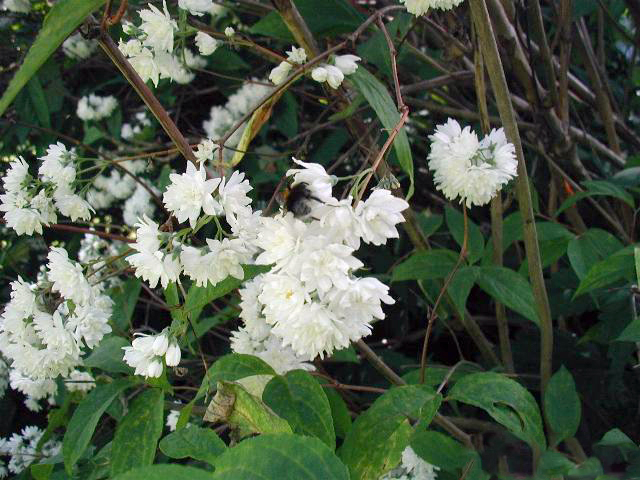
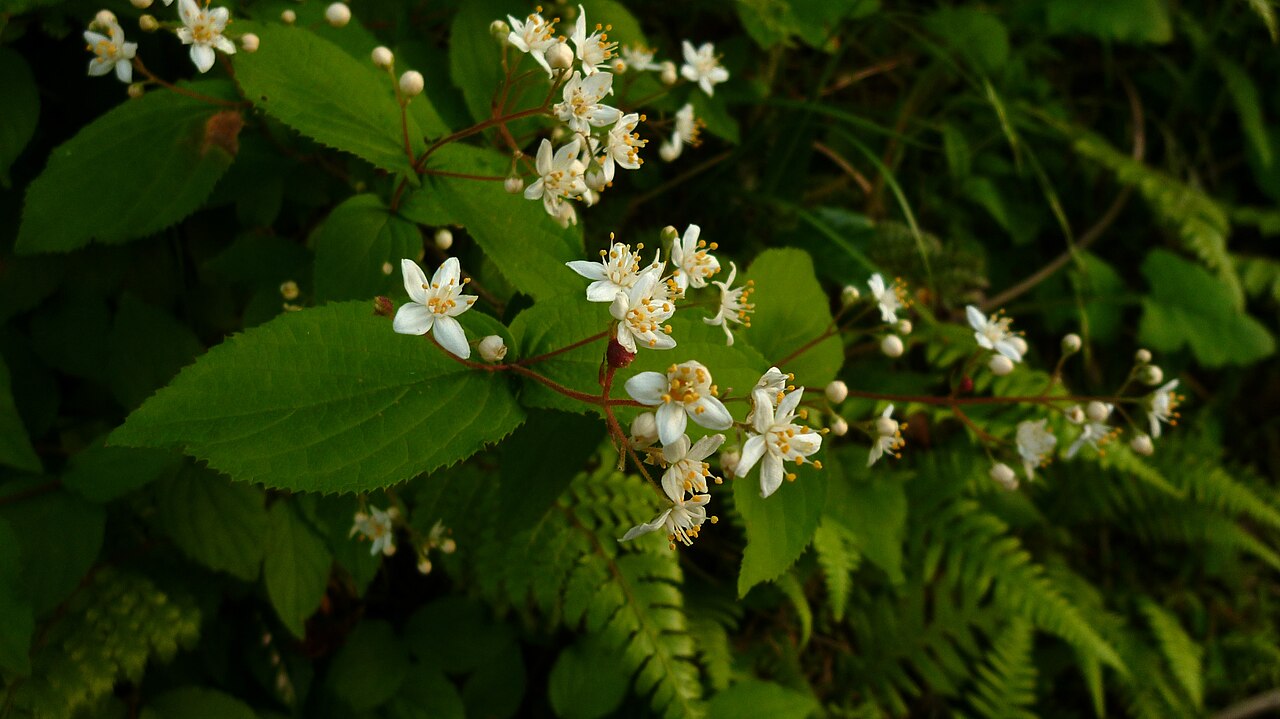
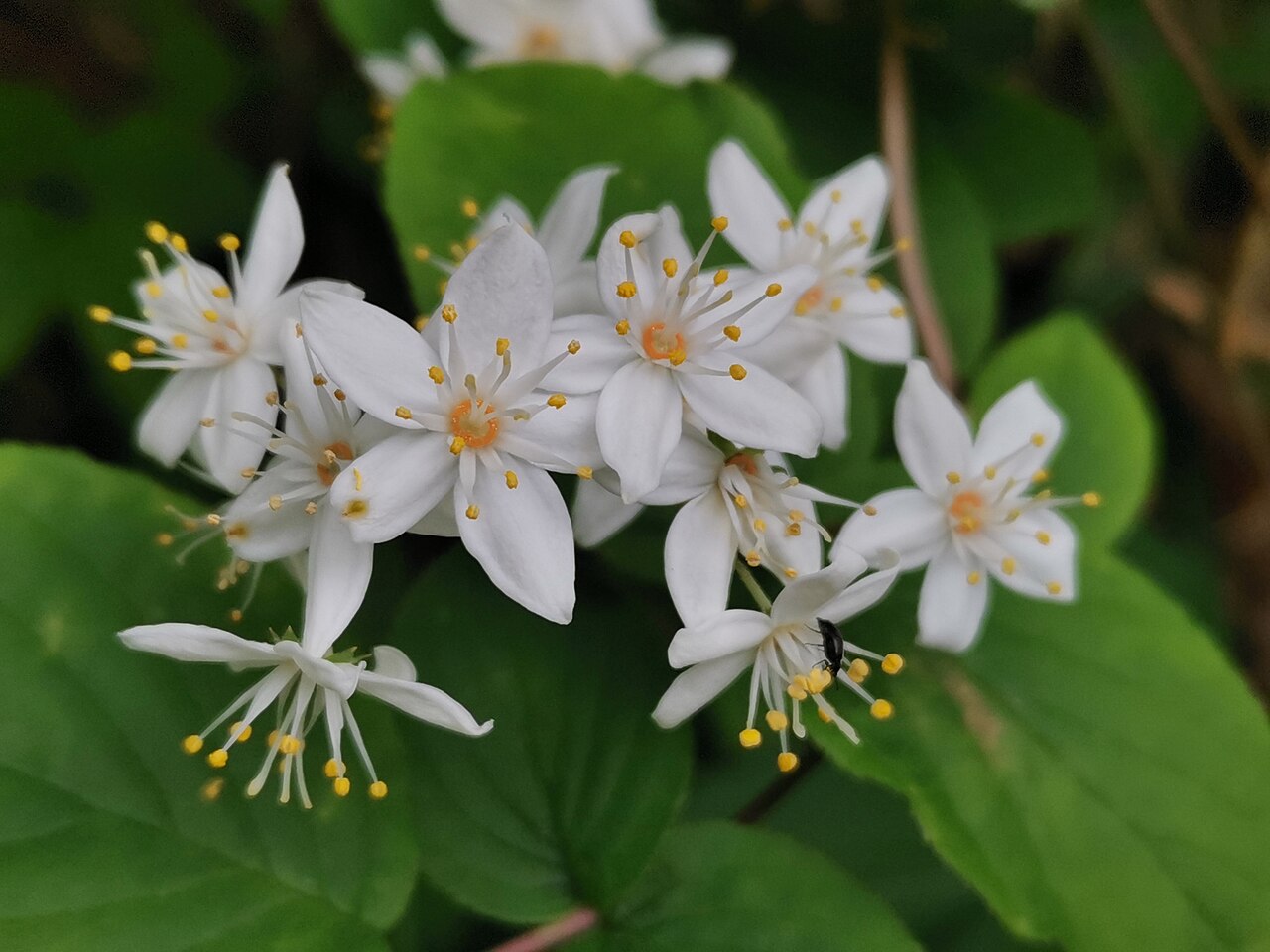
Plena — also sold as ‘Flore Pleno’ — is the classic double fuzzy deutzia, and the one most often called Bridal Wreath, because its arching branches loaded with double white flowers tinged rosy-purple on the outside really do look like a wreath made for a wedding. It was introduced in the 1860s, exhibited by nurseries in 1863, and it has been a cottage-garden staple ever since, which is a long time for a plant to stay fashionable without a rebrand.
Plena’s useful quirk is timing: it blooms a touch later than other fuzzy deutzias, into early summer, which stretches the deutzia season if you plant it alongside an earlier type. At about 6 feet tall it is also more manageable than the towering Candidissima, fitting a medium border without swallowing it. Double flowers, pink-tinged backs, arching habit, later bloom — Plena is the fuzzy deutzia that does everything the species does, but fancier and fashionably late.
If you are new to choosing between cultivars, the Varieties Matter guide explains why the name after the plant matters as much as the plant itself.
Florida honesty: Plena is a zones 5–8 shrub, so north Florida only, with afternoon shade and steady moisture in summer heat. Its later bloom can be an advantage in a north Florida spring, pushing the show past the earliest heat. Central and south Florida are too hot for a reliable plant; in north Florida, in a medium border with room to arch, it can be a beautiful early-summer showpiece.
How to grow
Plant in full sun to part shade in any good, well-drained garden soil, with compost worked in. Space about 6 feet apart to allow its arching habit room. Water during establishment and in dry spells. Prune just after flowering — deutzia blooms on year-old wood, so winter pruning removes the show. Cut out oldest stems at the base every few years to renew the plant, and deadhead spent clusters if self-seeding is a concern.
Water & feeding
Water during establishment and dry spells; established plants are fairly self-sufficient but bloom more heavily with steady moisture. Mulch to hold moisture and keep roots cool. Feed lightly in spring with compost. Drainage matters more than feeding — do not plant Plena where water stands.
Common problems
- Self-seeding — deadhead before seed ripens if volunteers are unwanted; never plant near natural areas.
- Pruning at the wrong time — winter pruning removes bloom; prune only after flowering.
- Size — about 6 feet needs a medium border, not a foundation strip.
- Brief bloom — a few glorious weeks, then green; pair with summer plants.
- Label confusion — sold as ‘Plena,’ ‘Flore Pleno,’ and ‘Flora Plena’; all refer to the same double form.
Pruning & garden use
Use Plena as a cottage-garden specimen, a medium-border anchor, or a companion to roses and peonies that bloom at the same time. Its arching branches suit a spot where they can be seen from below — beside a path, at a border corner — rather than crammed against a fence. Cut stems for arrangements while in bloom; double deutzia flowers last well in water. Prune right after flowering, renewing oldest stems every few years, and let its bridal-wreath habit do the decorating.
Back to the Fuzzy Deutzia guide
Browse all plant & pest guides
Saving seeds
Plena — also sold as ‘Flore Pleno’ — is the classic double fuzzy deutzia, and the one most often called Bridal Wreath, because its arching branches loaded with double white flowers tinged rosy-purple on the outside really do look like a wreath made for a wedding. It was introduced in the 1860s, exhibited by nurseries in 1863, and it has been a cottage-garden staple ever since. Plena’s useful quirk is timing: it blooms a touch later than other fuzzy deutzias, into early summer, which stretches the deutzia season if you plant it alongside an earlier type. As a named double deutzia it is kept true by cuttings, not by seed — seedlings would not hold the double flowers. Plant in full sun to part shade in any good, well-drained garden soil, with compost worked in, and prune just after flowering, since deutzia blooms on year-old wood. The full method is in the Saving seeds section of the Fuzzy Deutzia guide.