
🍋 Thornless Key Lime
What it looks like
Why this variety
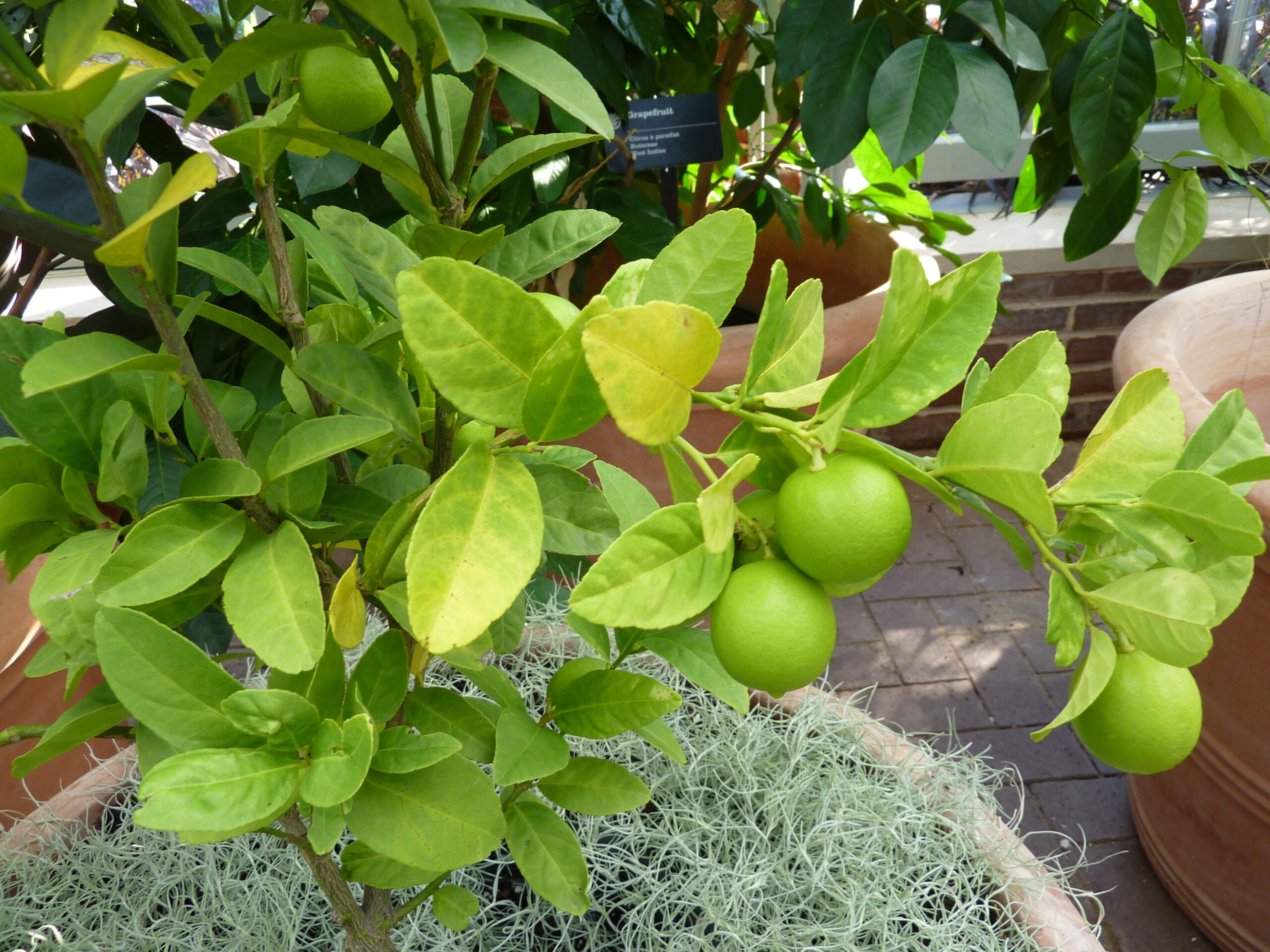
Thornless Key lime is Key lime with the argument removed. Same small, seedy, intensely aromatic fruit, same floral juice that made Key lime pie famous, same nearly everbearing habit in warm climates — minus the thorns that turn every harvest into a negotiation. Sold as Mexican Thornless Lime and as Thornless Key Lime, it is a thornless form of the Key lime type, not a different species, and that distinction is the whole point: you are not trading flavor for convenience, you are just skipping the blood donation.
If you have ever picked Key limes in a long-sleeved shirt in July and wondered why the tree hates you personally, this is the tree that answers that question. It still wants sun, drainage, and attention — it just no longer stabs you for giving it.
How to grow
Florida verdict, split honestly by latitude: thornless Key lime grows well in south Florida and is marginal in north Florida. Key limes are the most cold-sensitive citrus, with foliage damage from about 30 to 32 °F, so north of central Florida this is a pot plant to move under cover — and thornlessness does not change cold sensitivity one degree. A thornless tree freezes just as dead as a thorny one if you leave it out.
Buy a grafted tree on appropriate rootstock from a reputable source — sold by Florida nurseries as Thornless Key Lime — plant in the warmest, sunniest, best-drained spot with the graft union above the soil, and start with certified disease-free stock. Citrus greening (HLB) is Florida’s defining citrus challenge: scout for psyllids on new flush and keep the tree vigorous.
Container growing is the safe choice for most Florida gardeners outside the far south: a large pot wheels inside for freezes, and Key limes fruit generously in pots. In the ground in south Florida, give it a warm south wall and room for a small, spreading tree, and prune lightly — without thorns, pruning is a pleasure rather than a chore, which means you will actually do it.
Water & feeding
Water deeply when the top few inches dry, and mulch to hold moisture — citrus hates soggy roots even more than it hates a dry spell, so drainage is not optional. Young trees need water more often through their first dry season, and container trees need it far more often: a pot in the sun dries out with impressive speed.
Feed with a citrus fertilizer split across spring and summer, including micronutrients — yellowing between leaf veins often means zinc or manganese, and sandy, high-pH pockets lock those up. Skip fertilizer in late fall, when tender new growth would walk straight into a freeze.
Common problems
- Citrus greening (HLB) — blotchy leaves, lopsided fruit, slow decline, spread by the Asian citrus psyllid. There is no cure: buy certified disease-free trees, scout for psyllids, and keep trees vigorous.
- Frost — the hard limit; foliage damage from about 30 to 32 °F. Move pots in early.
- Asian citrus psyllid — watch new flush for the insects that spread greening.
- Citrus leafminer, scale, and aphids — inspect new growth.
- Root rot in poorly drained soil — plant high and drain well.
- False confidence — thornlessness is not cold hardiness; do not leave it out on a freeze night because it was polite.
Harvest
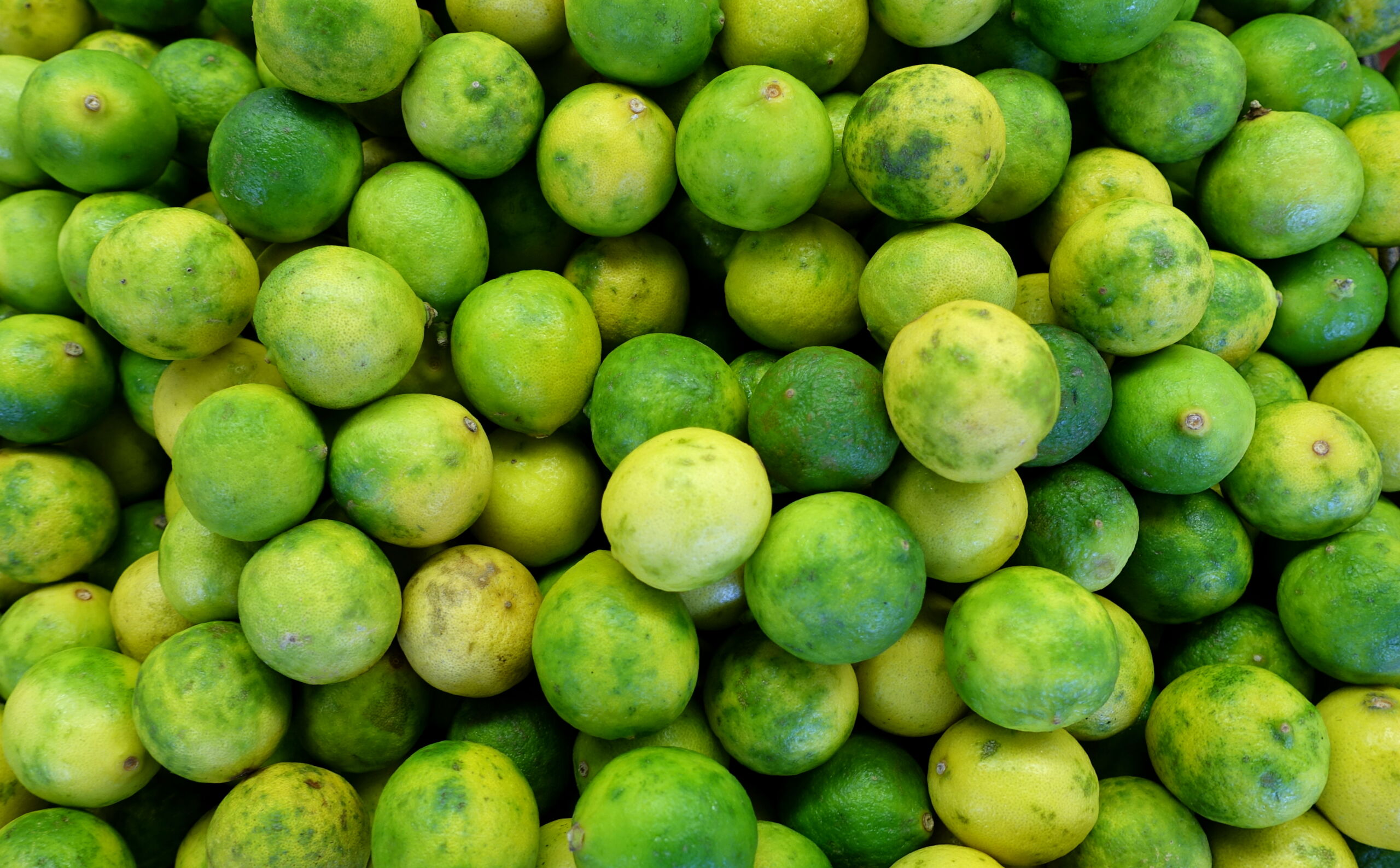
Pick when fruit turns yellowish and feels heavy for its size — Key limes are used yellow, not green, for the classic pie flavor. Juice promptly, because the thin rind means they dry out faster than Persian limes. Taste-test rather than stripping the tree: fruit ripens in flushes through much of the year in warm climates and holds on the tree for weeks. Use juice and zest in pie, drinks, and marinades.
Browse all plant & pest guides
Saving seeds
Thornless Key lime is Key lime with the argument removed: same small, seedy, intensely aromatic fruit, same floral juice that made Key lime pie famous, same nearly everbearing habit in warm climates — minus the thorns that turn every harvest into a negotiation. Sold as Mexican Thornless Lime and as Thornless Key Lime, it is a thornless form of the Key lime type, not a different species, and that distinction is the whole point: you are not trading flavor for convenience, you are just skipping the blood donation. But it is a selected form, not a seed strain: a seedling of a thornless Key lime is a Key lime, not reliably a thornless one — and Key lime seedlings are famously variable besides. To keep this exact tree, buy a grafted tree on appropriate rootstock from a reputable source. The full method is in the Saving seeds section of the Key Lime guide.