
❤️ Sartenaya Custard Apple
What it looks like
Why this variety
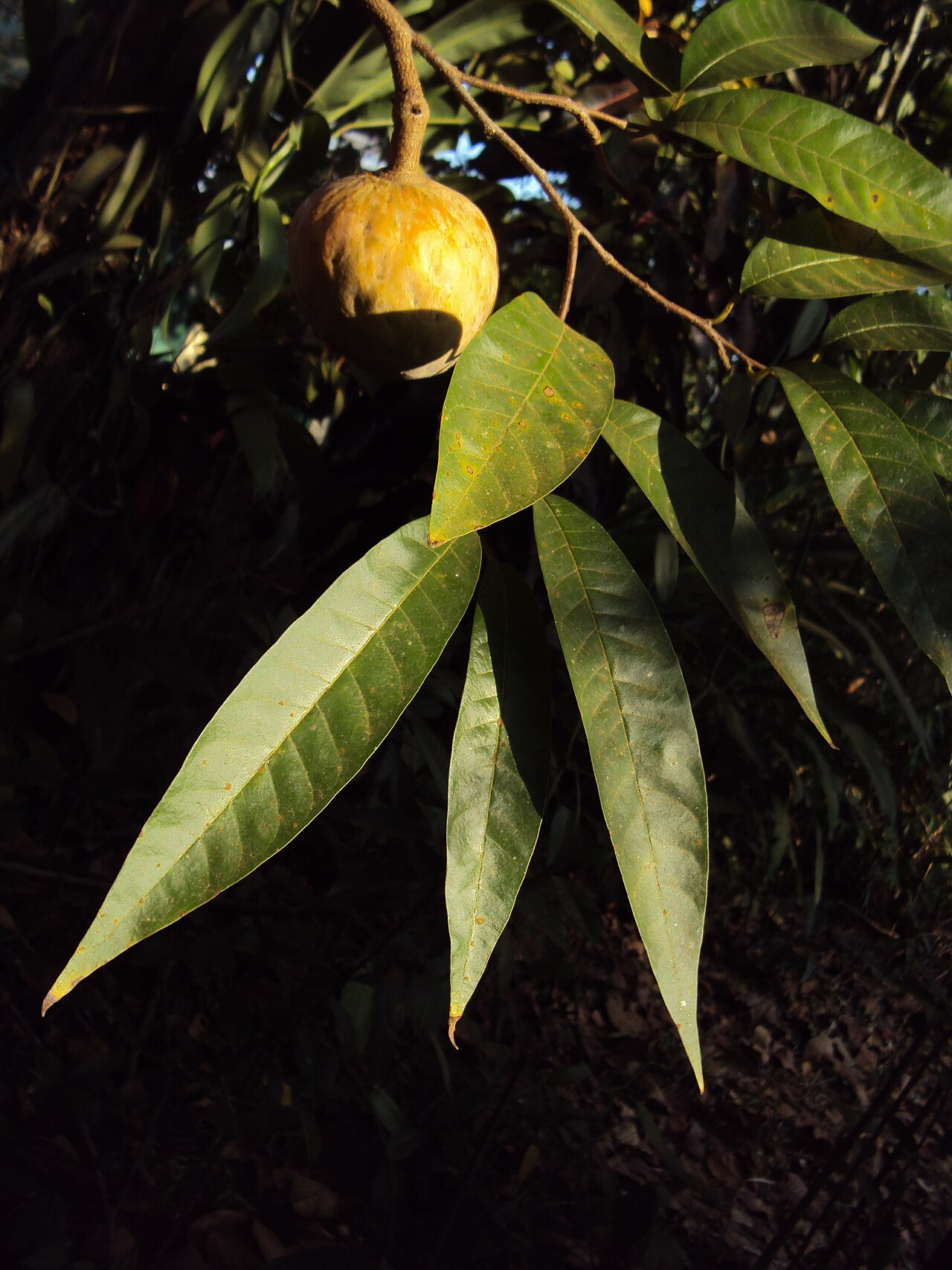
Sartenaya is the custard apple that Florida annona growers recommend by taste: a medium fruit with a waxy, shiny red surface and pink flesh described in the Florida selection literature as having a magnificent taste and texture — above average quality, not gritty, and very productive in the right hands. Where Tikal trades yield for excellence, Sartenaya gives you both: flavor ranked among the best and a tree that actually produces.
The waxy, shiny skin is more than pretty — it signals a healthy, well-grown fruit, and Sartenaya’s pink flesh scoops like custard, which is the entire point of a custard apple. Like all annonas, it benefits enormously from evening hand-pollination: transfer pollen with a small brush when flowers open, and a tree that might set sparsely sets generously.
Florida note: Sartenaya is a South Florida tree, frost-tender, and a Central Florida protection trial only. Plant in full sun, sheltered from wind, in well-drained soil; a hard freeze is the one thing this tree cannot negotiate with.
For the species as a whole, see the Custard Apple growing guide.
How to grow
Custard apple, also called bullock’s heart, is a distinct annona species — Annona reticulata, not the sugar apple (Annona squamosa) that shares its common name in some regions, and not the atemoya hybrid either. Plant a grafted tree in full sun in well-drained soil, sheltered from wind, in frost-free South Florida; it is a tropical tree that sulks below freezing and dies in a hard freeze. Annona flowers often need a hand with pollination: hand-pollinate in the evening when flowers open, transferring pollen with a small brush, for reliable fruit set. Prune lightly to keep the canopy low and reachable — a 20-foot custard apple is a ladder problem, not a harvest.
Plant a grafted tree in full sun, hand-pollinate evening flowers, water consistently through the growing season, and prune lightly to keep harvests within reach.
Water & feeding
Water consistently through the growing season — custard apples drop flowers and small fruit in drought — and mulch heavily to hold moisture in sandy soil. Feed little and often through the warm months with a balanced fertilizer; in sand, split feeds so nutrients do not wash past the roots. Back off water and feed in winter when growth slows.
Common problems
- Poor fruit set without hand pollination — the flowers’ timing makes self-pollination unreliable; evening hand-pollination is the fix.
- Anthracnose and fruit rots in wet weather — airflow, sun, and prompt cleanup of fallen fruit help.
- Mealybugs and scale on stems and fruit — wash off, encourage predators, and prune out heavy infestations.
- Cold damage — any frost burns foliage; a hard freeze can kill the tree. Central Florida plantings are protection trials, not promises.
Harvest
Pick when fruit softens slightly and gives gently, then ripen indoors until spoon-soft. Eat fresh with a spoon at peak — custard apple’s window is short, and Sartenaya’s magnificent texture is at its best for a day or two, not a week.
Browse all plant & pest guides
Saving seeds
Sartenaya is the custard apple that Florida annona growers recommend by taste: a medium fruit with a waxy, shiny red surface and pink flesh described in the Florida selection literature as having a magnificent taste and texture — above average quality, not gritty, and very productive in the right hands. Where Tikal trades yield for excellence, Sartenaya gives you both: flavor ranked among the best and a tree that actually produces. As a named custard apple it is kept true by grafting, not by seed — plant a grafted tree in full sun in well-drained soil, sheltered from wind, in frost-free South Florida; it is a tropical tree that sulks below freezing and dies in a hard freeze. Annona flowers often need a hand with pollination: hand-pollinate in the evening when flowers open, transferring pollen with a small brush, for reliable fruit set. The full method is in the Saving seeds section of the Custard Apple guide.