
🍈 Custard Apple
What it looks like
How to grow
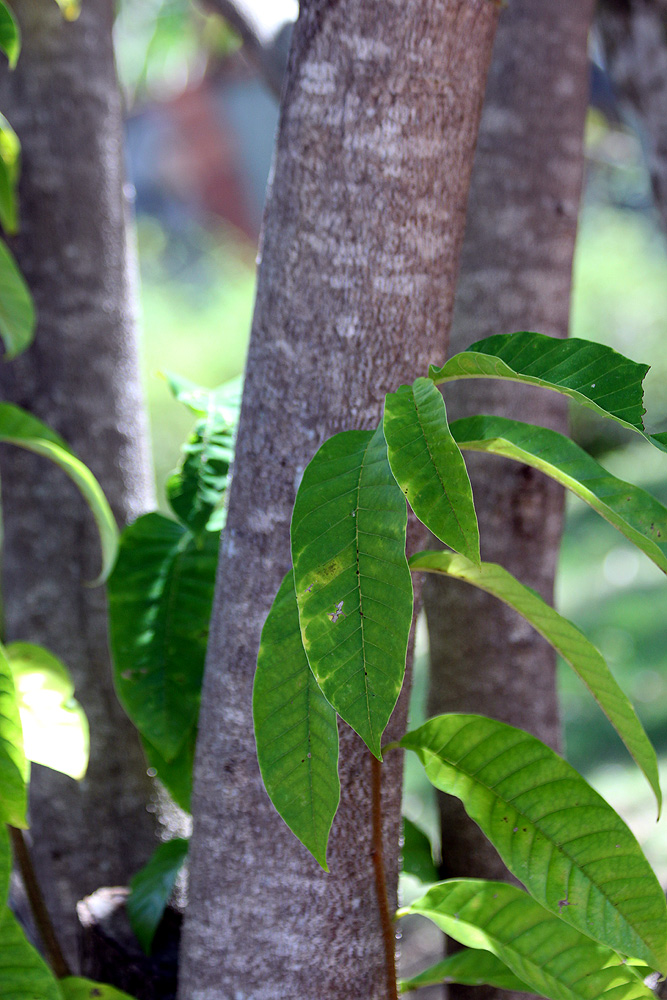
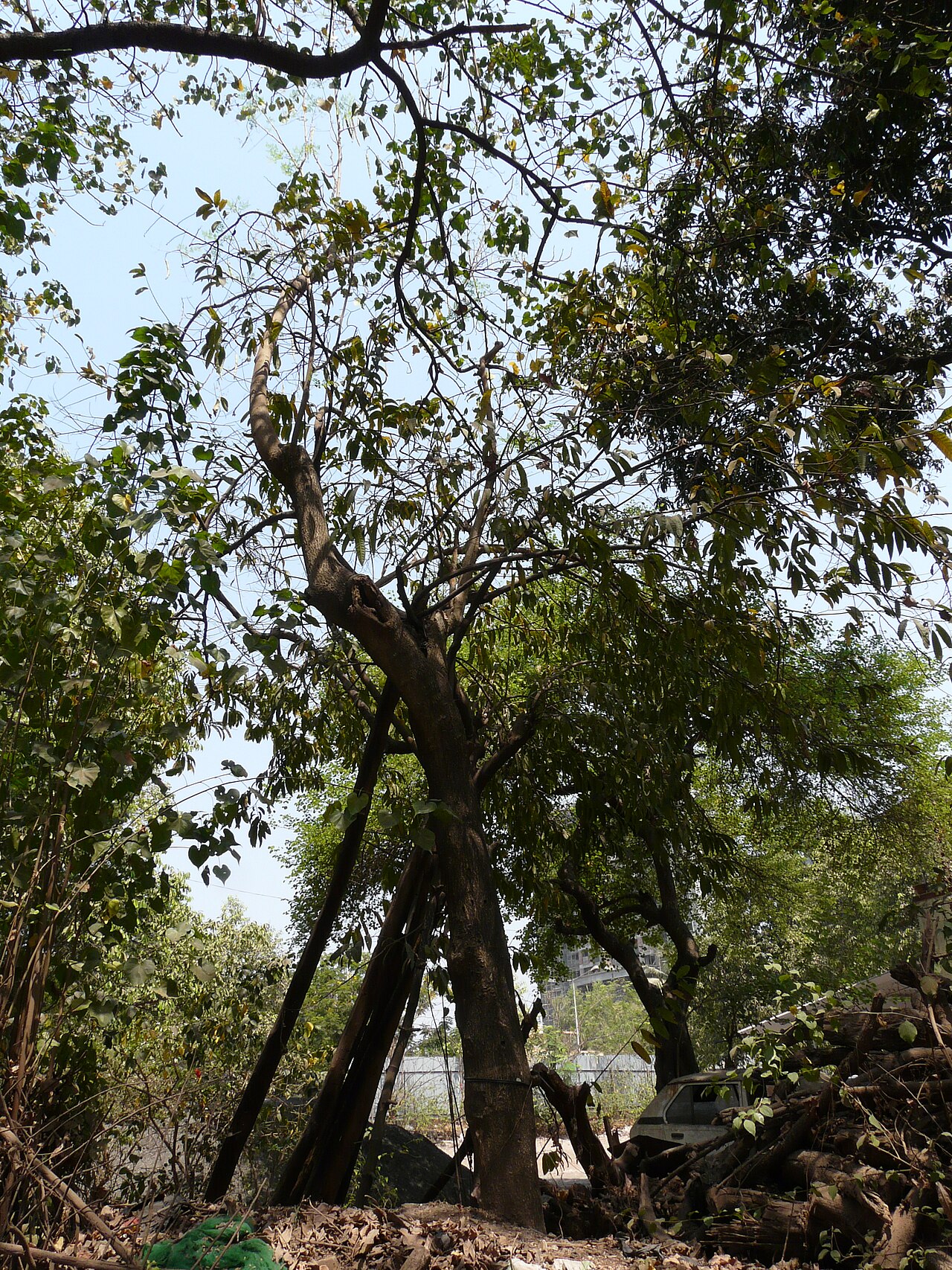
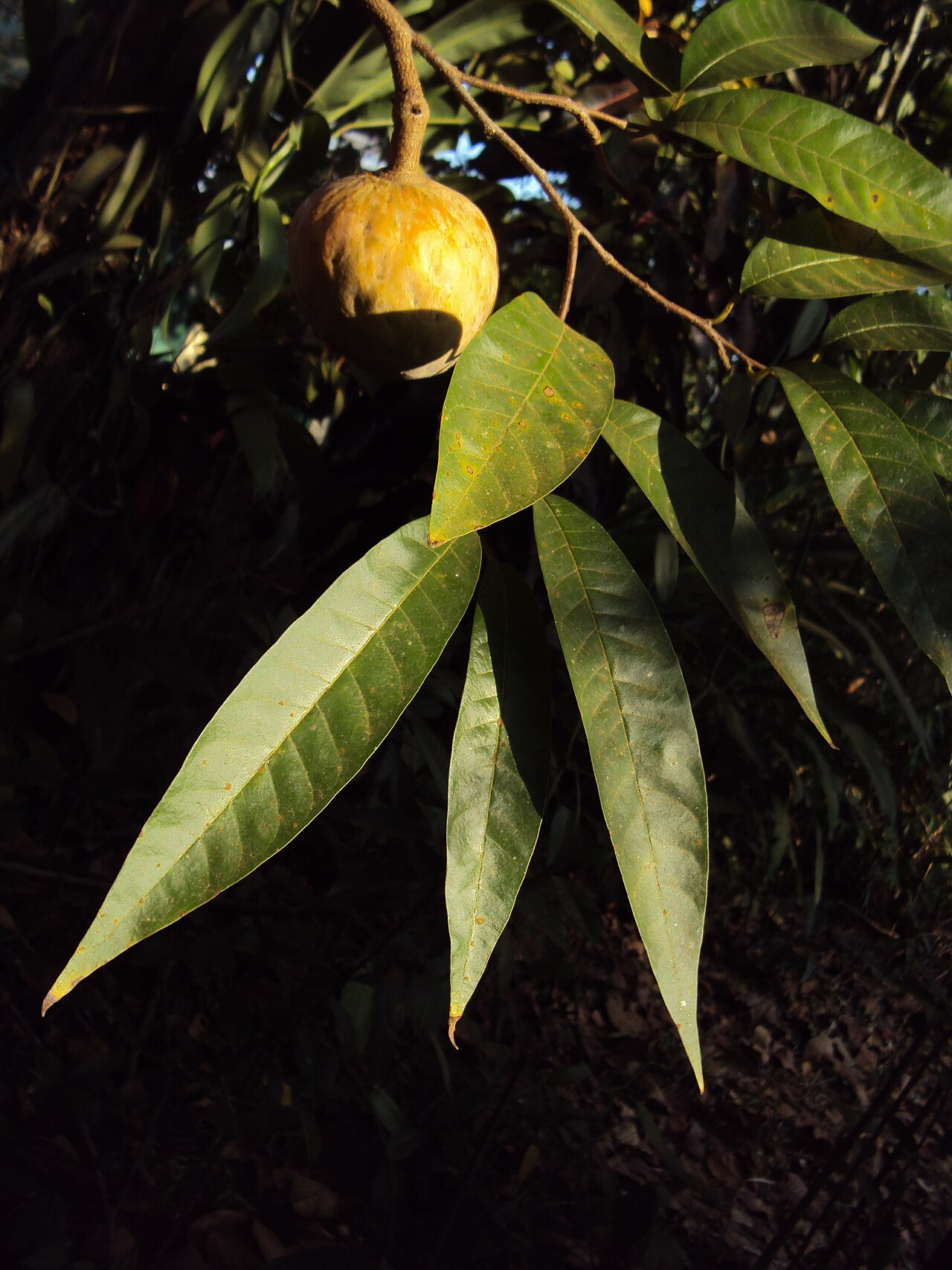
Custard apple, also called bullock’s heart, is a distinct annona species — Annona reticulata, not the sugar apple (Annona squamosa) that shares its common name in some regions, and not the atemoya hybrid either. It makes heart-shaped fruit with smooth, netted skin and sweet, custard-like flesh, and it grows as a small, semi-deciduous tree in warm, frost-free gardens. Plant a grafted tree in full sun in fertile, well-drained soil in zones 10-11; it needs steady warmth and moisture and dislikes frost and waterlogging alike. Hand-pollination improves fruit set, since annona flowers are often poorly pollinated by insects alone. One safety note: the seeds are toxic and must not be eaten — scoop flesh away from seeds, and keep seeds away from children.
Water & feeding
Water deeply and regularly, especially while fruit swells; custard apple wants consistent moisture but not standing water. Mulch to hold moisture. Feed several times a year with a balanced fertilizer or compost; hungry trees drop fruit.
Common problems
- Poor pollination — hand-pollinate morning flowers with a soft brush for reliable set.
- Frost — no tolerance; site warm and protected.
- Fruit flies and mealybugs — pick promptly and clean up fallen fruit.
- Toxic seeds — never eat seeds, and do not blend whole fruit into smoothies.
Harvest
Pick when fruit softens slightly and the skin colors to yellow-brown with a blush; it ripens quickly off the tree, so check daily. Scoop flesh away from the many hard seeds and eat fresh, or blend into ice cream and drinks. Use ripe fruit promptly — it softens fast.
Browse all plant & pest guides
Saving seeds
Custard apple (Annona squamosa, also sold as sugar apple and sweetsop) is a tree that practically begs you to save its seeds: every fruit you eat hands you a pocketful of glossy, hard, dark seeds, and the tree they grow into can fruit within a few years. Start with a fully ripe fruit from a healthy tree — the flesh should be soft and fragrant, not a hard, underripe specimen — and scoop the seeds out, rinsing away every trace of pulp under cool water, because pulp left on the seed invites mould. Do not blend whole fruit into smoothies or eat the seeds: custard apple seeds are toxic and belong in soil, not in food. Give the cleaned seeds only a brief drying in the shade, a day or so until they are no longer wet to the touch, and then — this is the crucial part — sow them promptly. Custard apple seed loses viability fast once it dries out, and while a short spell of cool storage can stretch that window to a matter of months, fresh seed sown within days or weeks of harvest is dramatically more reliable than any stored packet.
The hard seed coat is the second thing standing between you and a seedling, and here the gentle approach beats the aggressive one. A warm soak for a day or two, with the water changed daily, softens the coat and wakes the embryo without risking damage; some growers also nick the coat lightly, but cutting too deep injures the seed inside, so soaking is the safer first step and usually all you need. Sow in warm, well-drained mix in individual pots, keep the pots at a genuinely tropical warmth — a heat mat or a very warm windowsill — and keep the mix moist but never soggy, because a cool, wet pot rots custard apple seed before it ever sprouts. Germination is gloriously uneven, with seedlings emerging over several weeks to a couple of months from the same batch, so label your pots, keep watering, and do not declare a batch dead just because its siblings sprouted first.
Two honesty notes before you plant your orchard. First, seedlings do not grow true: a seed from a superb named variety will give you a tree with its own fruit character, sometimes excellent and sometimes merely decent, which is why named custard apple varieties are grafted rather than seed-grown. Treat seed-grown trees as a lottery ticket with good odds, not a clone. Second, this is a tropical tree that sulks in cold — frost can kill it — so in Florida, give seedlings the warmest sheltered spot you have, protect young trees from cold snaps, and remember that even saved seed hates Florida humidity if it is stored damp: if you must hold seed briefly, dry it only briefly, seal it airtight with a desiccant packet, and refrigerate it rather than leaving it in a humid shed. Sow fresh, keep it warm, and within a few years you may be eating custard apples from a tree you started over dessert.
Varieties
Every named variety of Custard Apple with its own growing guide:
- Fernandez Custard Apple — The compact dark-red custard apple: sweet, custard-textured fruit on a smaller tree, the custard apple for South Florida gardens.
- San Pablo Custard Apple — The big, vigorous custard apple: long, large fruit with dark-pink flesh, the Florida-selected custard apple that produces and produces.
- Tikal Custard Apple — The excellent-quality custard apple: bright-red flesh, medium yield, and flavor that earned its reputation in Florida selections.
- Sartenaya Custard Apple — The magnificent-tasting custard apple: waxy red skin, pink flesh, and flavor the Florida selections rank among the best.