
🍮 San Pablo Custard Apple
What it looks like
Why this variety
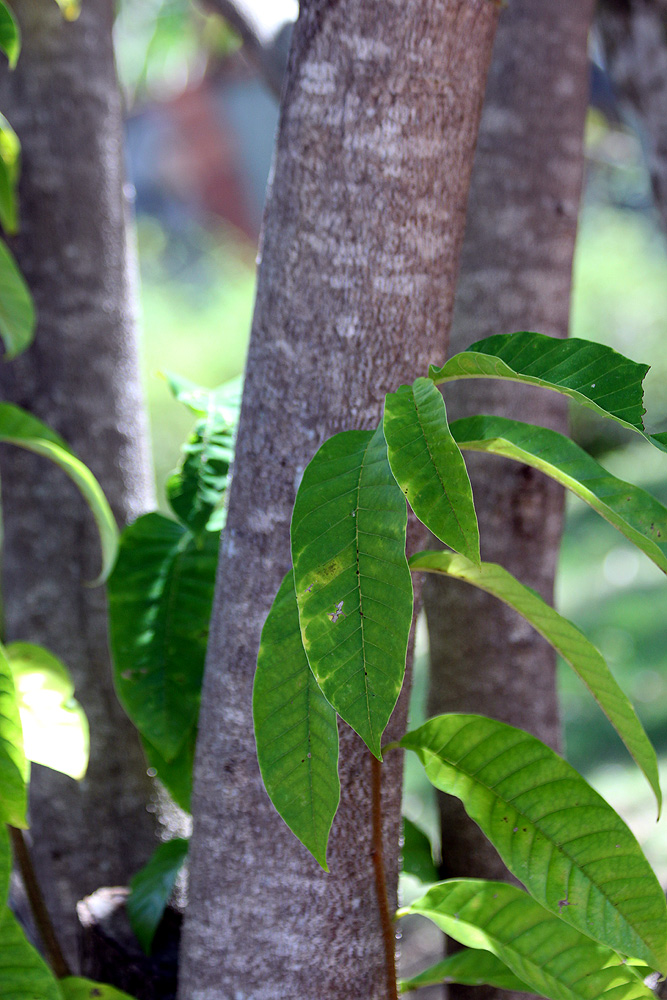
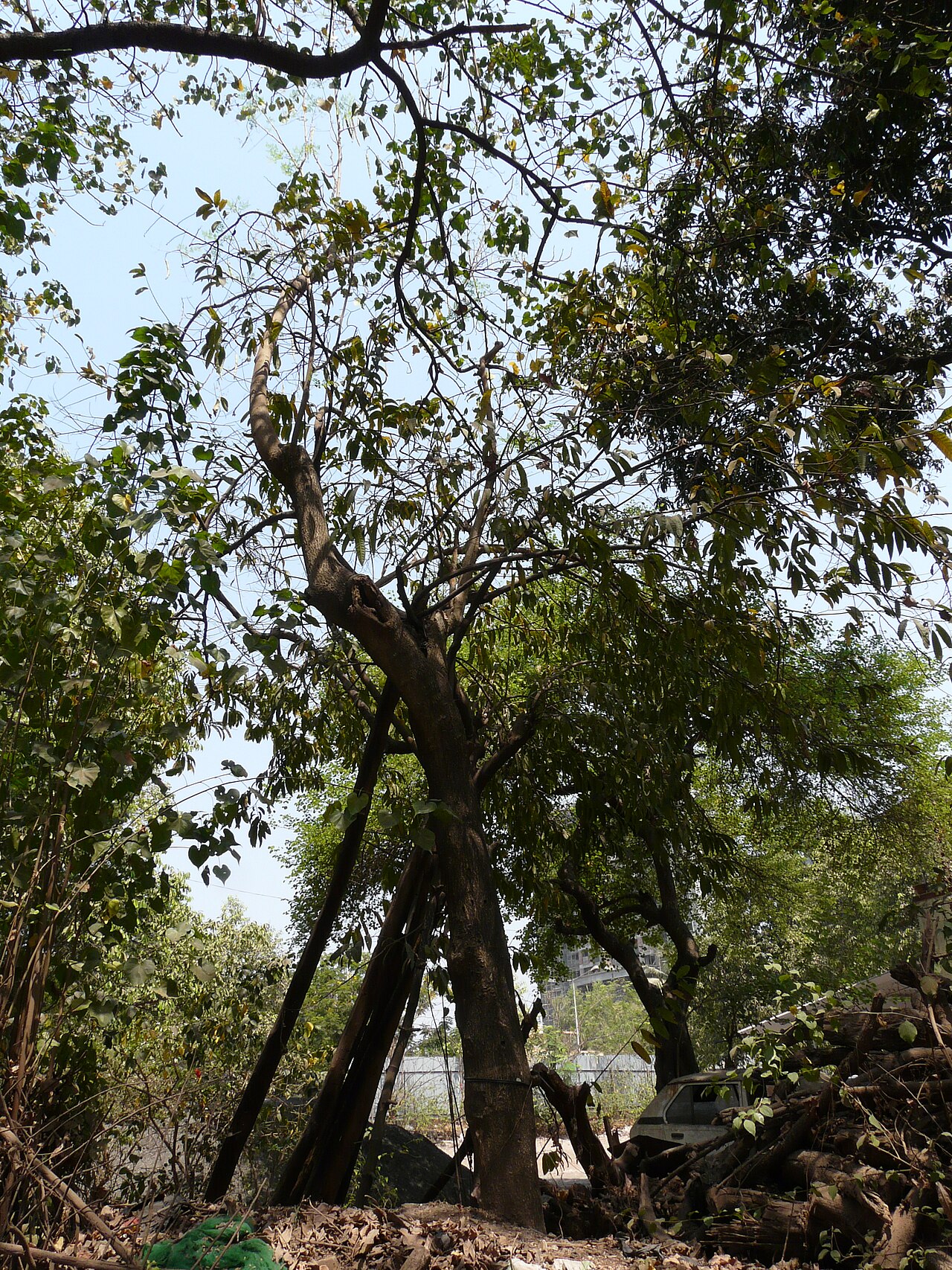
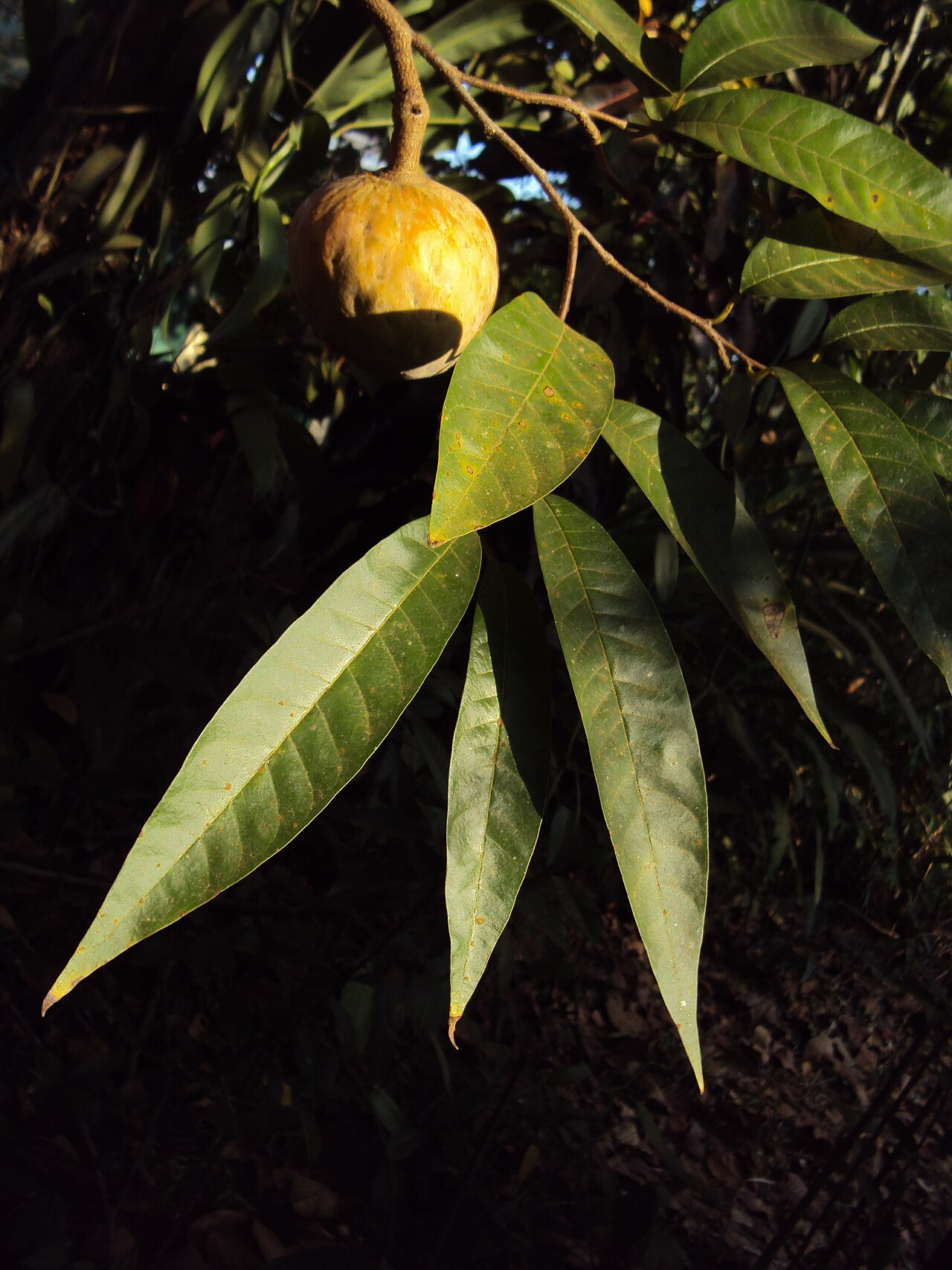
San Pablo is the custard apple for growers who want size and vigor: a Florida-selected cultivar with long, large fruit, an opaque light-red skin, and dark-pink flesh with a good aroma and taste, on a vigorous, productive tree. Where Fernandez, the first flagship in this index, is the compact dark-red selection, San Pablo is the bigger, more vigorous tree with bigger fruit, and growers who have fruited both usually keep both, because a custard apple harvest is short and two trees stretch it — and because San Pablo’s productivity is the kind that fills a table, not just a tasting.
In Florida, San Pablo is a South Florida tree and a Central trial only with frost protection on standby, in full sun and well-drained soil, with the same culture as Fernandez: water to establish and through dry spells, mulch to hold moisture, hand-pollinate flowers if fruit set is poor, and harvest when fruit yields slightly to pressure and the skin color lightens. It is frost-tender, so a hard freeze can kill a young tree outright, and it sheds leaves in fall and winter, looking briefly awful before budding out — that bare winter look is normal for custard apple, not a death announcement, and the tree leafs out again as fruit season approaches.
If you are new to choosing between cultivars, the Varieties Matter guide explains why the name after the plant matters as much as the plant itself. San Pablo is a perfect example: it is not just a custard apple in the abstract, it is a custard apple with a specific job, a specific history, and specific strengths.
How to grow
Plant in spring in full sun and well-drained soil — custard apple is a frost-tender tropical tree that wants heat, humidity, and steady moisture, and it wants protection from cold above all. Work worm castings into the planting hole, water to establish and through dry spells, and mulch to hold moisture. In the South, plant outdoors in a sheltered spot; in the Central garden, trial only with frost protection on standby. Hand-pollinate flowers if fruit set is poor, prune lightly for shape after harvest, and harvest fruit when it yields slightly to pressure and the skin color lightens.
Set plants 15-20 feet in soil with a pH around 6.0-7.0. Work worm castings into the bed at planting and mulch to hold moisture. A well-fed custard apple plant rewards that care directly: steadier growth, better bloom, and a show that actually shows up.
Water & feeding
Keep soil evenly moist through the growing season — custard apple is a tropical tree that wilts and drops fruit in dry soil and blooms hardest with steady water. Water at the soil line, mulch to hold moisture, and feed regularly: castings at planting plus a balanced organic feed through the growing season. In a drought, deep watering keeps fruit sizing; in a wet season, drainage is the care program, because custard apple roots rot in standing water.
Common problems
- Freeze damage — custard apple is frost-tender; a hard freeze can kill it outright, so protect young trees and trial only in the South or with protection.
- Poor fruit set without pollinators — annona flowers can set poorly without help; hand-pollinate if fruit set is light.
- Fruit rot in wet weather — space for air, water at the soil line, and pick fruit promptly when ripe.
- Scale and mealybug — inspect leaves and fruit, wipe pests off, and encourage predators before reaching for sprays.
- Confusion with sugar apple and cherimoya — custard apple is Annona reticulata, a distinct species; buy by Latin name, not by common name alone.
Harvest
Harvest fruit in winter to spring, when fruit yields slightly to pressure and the skin color lightens — custard apple picked too early never ripens properly, and custard apple picked ripe is soft, fragrant, and ready to eat within a day or two. Pick fruit by hand, since ripe custard apple bruises easily, and eat fresh, scooped with a spoon, or freeze pulp for smoothies and custards. Do not refrigerate unripe fruit, and do not expect a seedling tree to match a named cultivar like San Pablo for size and sweetness.
Browse all plant & pest guides
Saving seeds
San Pablo is the custard apple for growers who want size and vigor: a Florida-selected cultivar with long, large fruit, an opaque light-red skin, and dark-pink flesh with a good aroma and taste, on a vigorous, productive tree. Where Fernandez, the first flagship in this index, is the compact dark-red selection, San Pablo is the bigger, more vigorous tree with bigger fruit, and growers who have fruited both usually keep both, because a custard apple harvest is short and two trees stretch it. As a named custard apple it is kept true by grafting, not by seed — plant in spring in full sun and well-drained soil, and buy a grafted nursery tree. Custard apple is a frost-tender tropical tree that wants heat, humidity, and steady moisture, and it wants protection from cold above all. Hand-pollinate flowers if fruit set is poor, prune lightly for shape after harvest, and harvest fruit when it yields slightly to pressure and the skin color lightens. The full method is in the Saving seeds section of the Custard Apple guide.