
❤️ Tikal Custard Apple
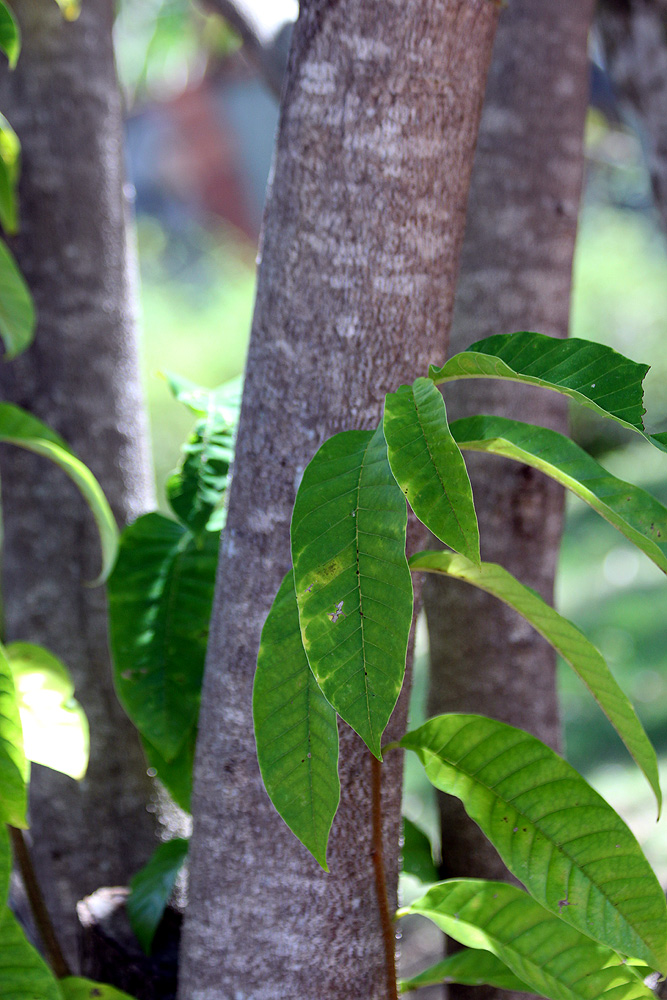
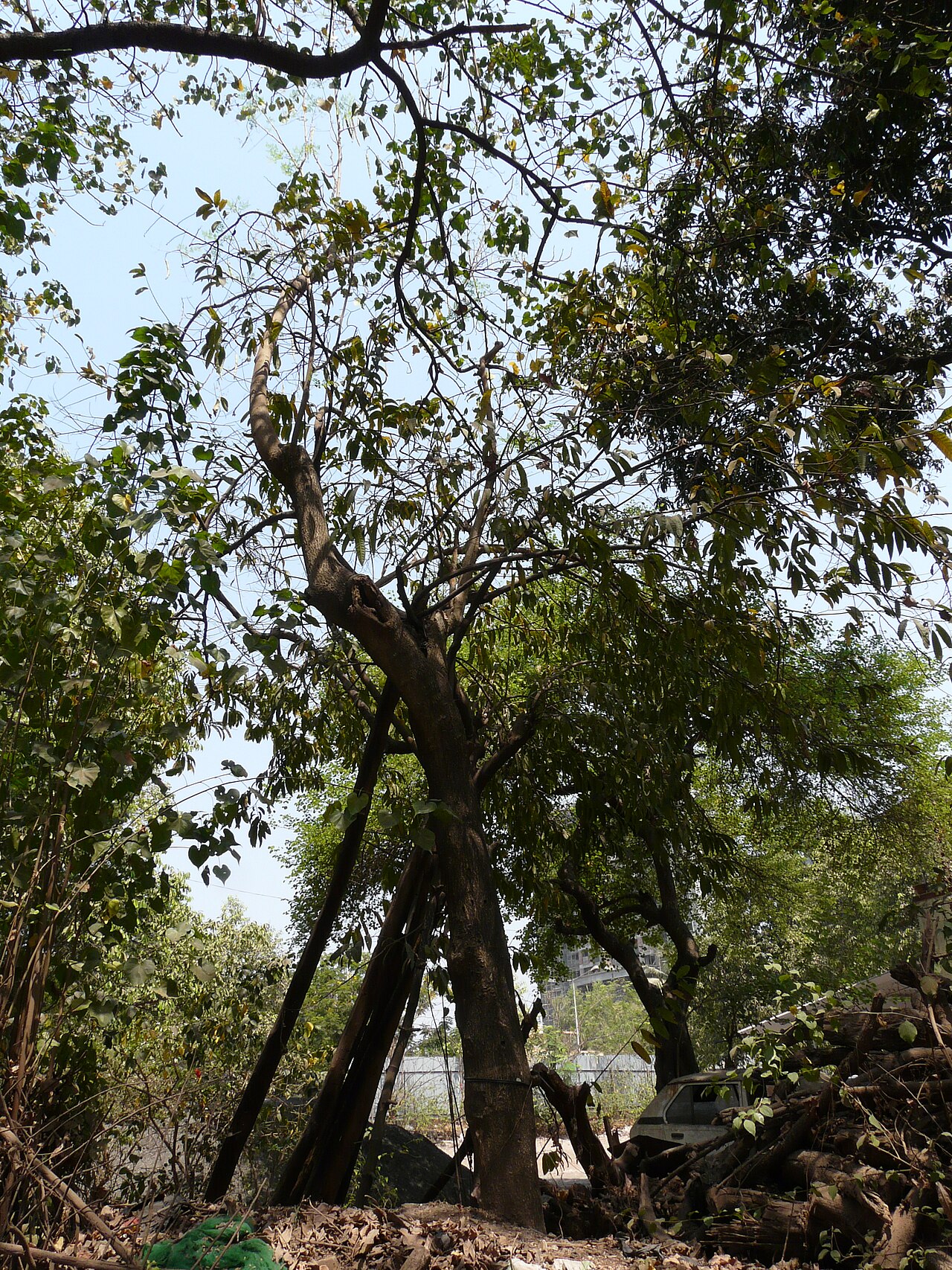
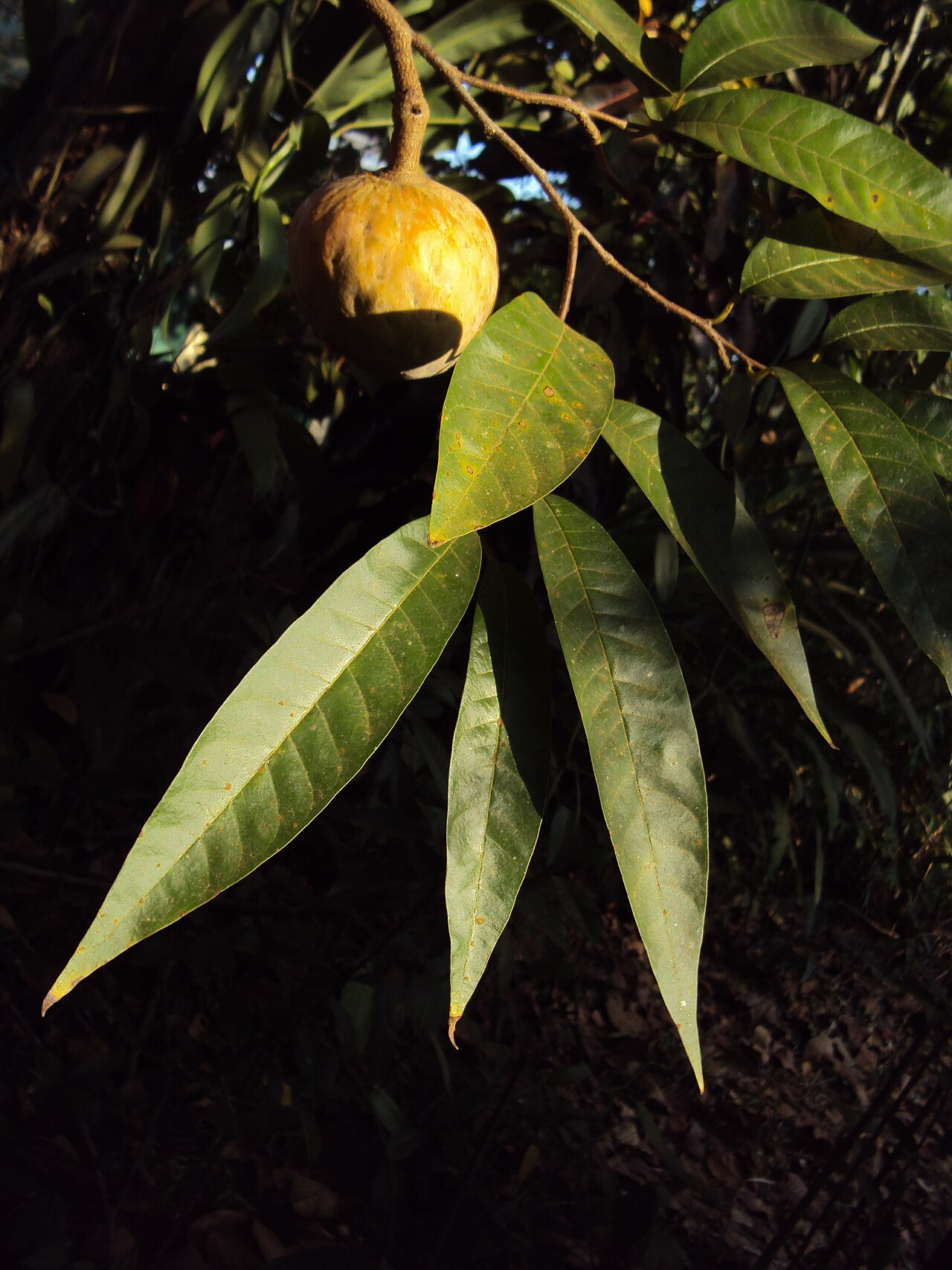
What it looks like
Why this variety
Tikal is the custard apple flavor enthusiasts name first: a Florida-selected cultivar of excellent quality and medium yield, with flesh that is bright-red except for the white areas surrounding the seeds — a striking, almost marbled interior that looks as good as it tastes. The flavor is sweet, aromatic, and clean, without the grittiness that marks lesser annonas, which is why Tikal appears in Florida selection lists alongside San Pablo and Fernandez rather than in the seedling lottery.
Medium yield is the honest trade: Tikal will not bury you in fruit the way San Pablo can, but what it produces is consistently excellent, and for a South Florida garden with room for one or two annona trees, quality per fruit beats quantity per tree. Hand-pollinate in the evening when flowers open for reliable set — annona flowers’ timing makes self-pollination unreliable, and a few minutes with a small brush is the difference between a good tree and a good harvest.
Florida note: Tikal is a South Florida tree, frost-tender, and a Central Florida trial only with protection — a hard freeze can kill it. Plant in full sun, sheltered from wind, in well-drained soil, and have a frost plan before winter, not during it.
For the species as a whole, see the Custard Apple growing guide.
How to grow
Custard apple, also called bullock’s heart, is a distinct annona species — Annona reticulata, not the sugar apple (Annona squamosa) that shares its common name in some regions, and not the atemoya hybrid either. Plant a grafted tree in full sun in well-drained soil, sheltered from wind, in frost-free South Florida; it is a tropical tree that sulks below freezing and dies in a hard freeze. Annona flowers often need a hand with pollination: hand-pollinate in the evening when flowers open, transferring pollen with a small brush, for reliable fruit set. Prune lightly to keep the canopy low and reachable — a 20-foot custard apple is a ladder problem, not a harvest.
Plant a grafted tree in full sun in well-drained soil, hand-pollinate evening flowers for reliable set, and prune lightly to keep the canopy reachable.
Water & feeding
Water consistently through the growing season — custard apples drop flowers and small fruit in drought — and mulch heavily to hold moisture in sandy soil. Feed little and often through the warm months with a balanced fertilizer; in sand, split feeds so nutrients do not wash past the roots. Back off water and feed in winter when growth slows.
Common problems
- Poor fruit set without hand pollination — the flowers’ timing makes self-pollination unreliable; evening hand-pollination is the fix.
- Anthracnose and fruit rots in wet weather — airflow, sun, and prompt cleanup of fallen fruit help.
- Mealybugs and scale on stems and fruit — wash off, encourage predators, and prune out heavy infestations.
- Cold damage — any frost burns foliage; a hard freeze can kill the tree. Central Florida plantings are protection trials, not promises.
Harvest
Pick when fruit softens slightly and gives gently — custard apples ripen off the tree, so pick at maturity and let it soften indoors. Eat with a spoon straight from the shell at peak softness; overripe custard apple ferments fast, so the window between perfect and past it is short and worth watching.
Browse all plant & pest guides
Saving seeds
Tikal is the custard apple flavor enthusiasts name first: a Florida-selected cultivar of excellent quality and medium yield, with flesh that is bright-red except for the white areas surrounding the seeds — a striking, almost marbled interior that looks as good as it tastes. The flavor is sweet, aromatic, and clean, without the grittiness that marks lesser annonas, which is why Tikal appears in Florida selection lists alongside San Pablo and Fernandez rather than in the seedling lottery. Medium yield is the honest trade: Tikal will not bury you in fruit the way San Pablo can, but what it produces is consistently excellent. But it is a named cultivar, not a seed strain: a seedling of Tikal is a custard apple, not Tikal, and hand-pollination is needed for reliable set in any case. To keep this exact tree, plant a grafted tree in full sun in well-drained soil, sheltered from wind, in frost-free South Florida. The full method is in the Saving seeds section of the Custard Apple guide.