
🌺 Purple Moon Hyacinth Bean
What it looks like
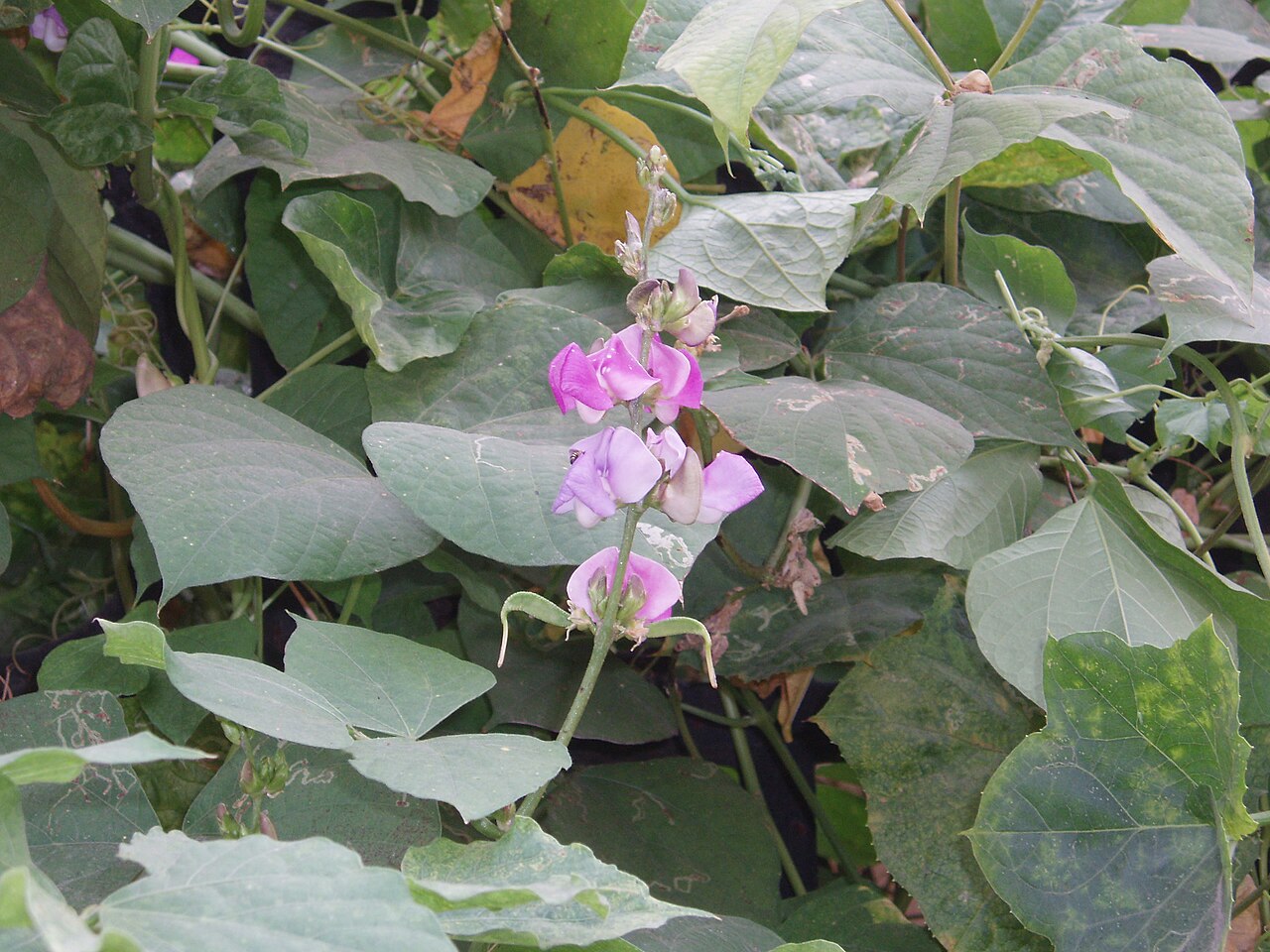
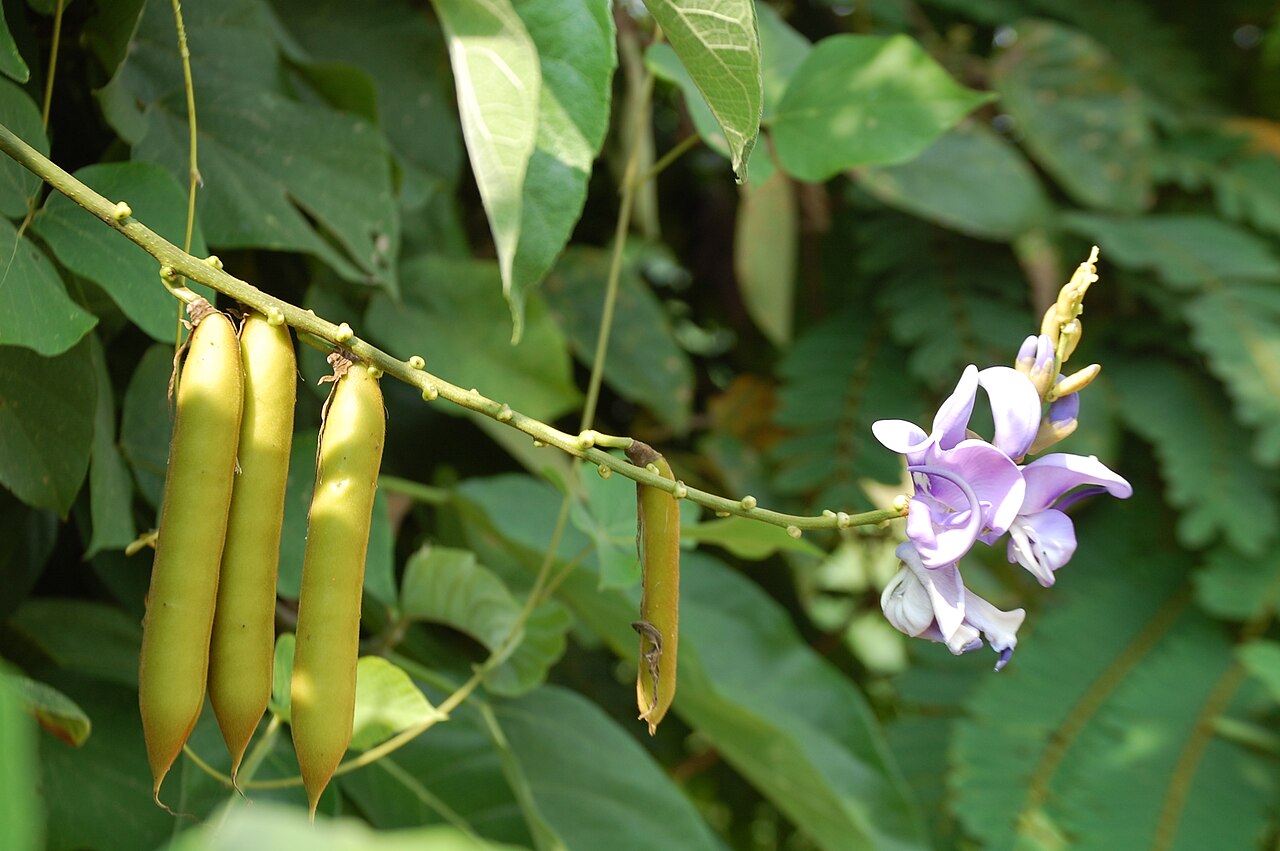
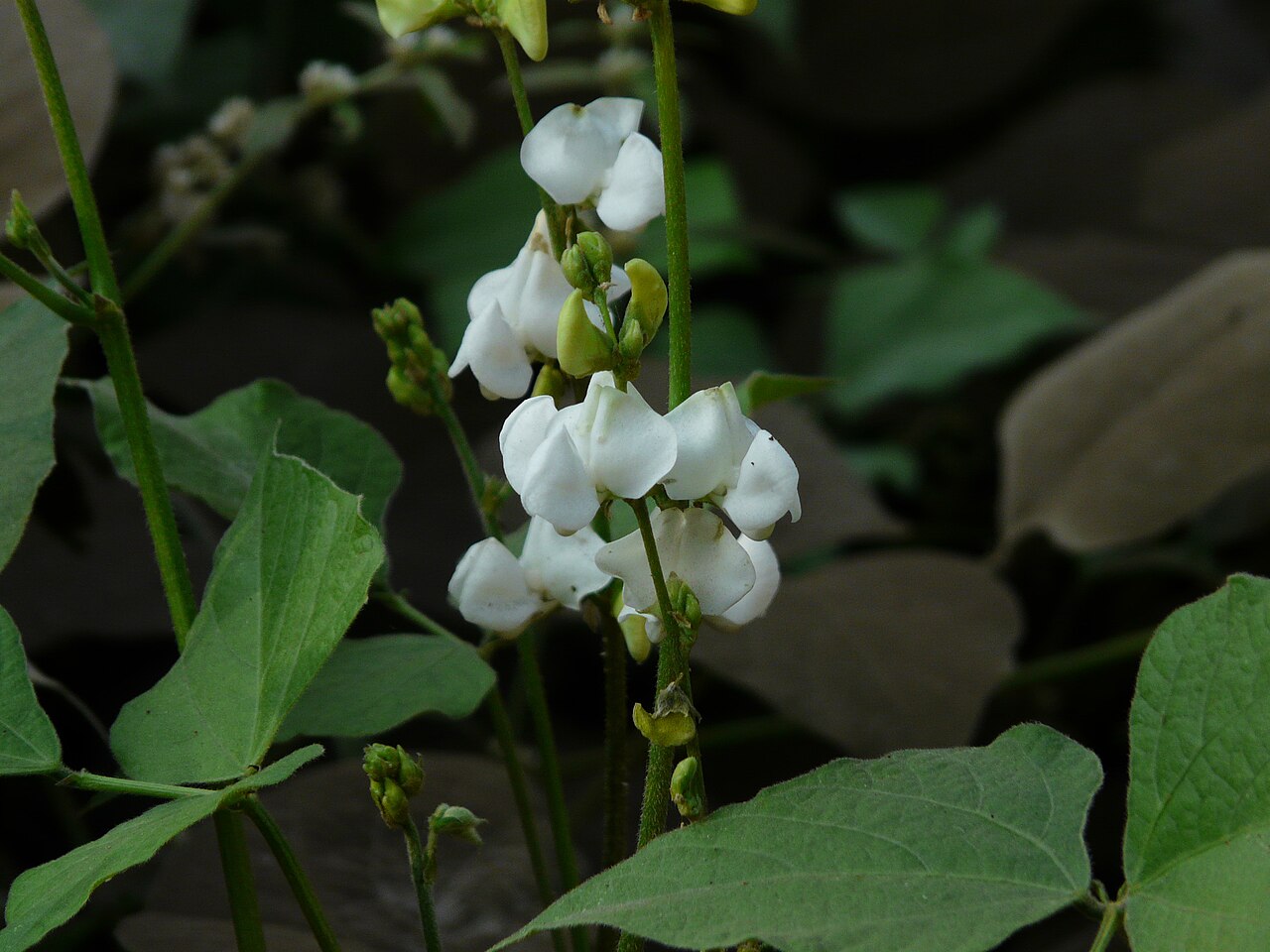
No verified photo of ‘Purple Moon’ itself was found, so the pictures below show the species — the same plant, photographed generally.
Why this variety
Purple Moon is the hyacinth bean at full drama: violet-purple flowers and magenta-purple pods on a vigorous vine that covers a fence, pergola, or trellis in a single season. If Ruby Moon is the famous purple hyacinth bean, Purple Moon is its close cousin in the same purple-on-purple key — grown as much for ornamental screening as for food, with sweet-pea-like flowers that feed pollinators all summer.
A note on honesty: Purple Moon’s documented distinction is its flower and pod color; its culture follows the species standard, which is what this guide gives you — no invented cultivar-specific days or spacing. What is documented is the vine itself: heat-loving, drought-tolerant once established, nitrogen-fixing, and capable of 6-20 feet of growth. In Florida, where frost rarely interrupts it, Purple Moon can behave as a perennial, coming back where annual vines give up.
If you have not grown the species before, start with the Hyacinth Bean growing guide for the general picture, then come back here for what makes this variety different.
How to grow
Direct-sow Purple Moon after frost into warm soil (70-95°F for germination), planting an inch deep, 12-18 inches apart along a strong trellis, fence, or pergola. Vines reach 6-20 feet, so build the support first — wrestling a trellis into an established hyacinth vine is a comedy nobody wants to star in. Flowering and pod set usually begin 60-90 days from sowing.
Purple Moon is drought-tolerant once established and fixes nitrogen, making it a good cover crop as well as a vegetable. In Florida, plant in spring for a long summer-to-fall show, and in frost-free areas let it persist as a perennial vine, cutting it back as needed. SAFETY FIRST: hyacinth bean pods and beans must be thoroughly cooked before eating — never eat them raw. Traditional preparation boils pods and beans well and discards the cooking water, changing it during boiling.
Water & feeding
Water deeply once a week, especially during flowering and pod formation; sandy soils need more frequent watering. Mulch to hold moisture. Fertilizer is usually unnecessary except in very sandy soils, where a low-nitrogen feed at flowering helps — nitrogen fertilizer on a nitrogen-fixing vine mostly grows leaves you then have to prune.
Common problems
- Cold soil — wait for warm, frost-free soil; hyacinth bean is a heat lover.
- Aphids and bean beetles — handpick and encourage beneficial insects.
- Leaf spot and mildew — space for airflow and avoid overhead watering.
- Tough pods — picked too late; pick young pods at 2-3 inches, before seeds swell.
Harvest
Pick young, tender pods at 2-3 inches for cooking, or let pods mature fully on the plant until dry, brown, and brittle for dried beans. Cook young pods thoroughly, and boil dried beans well, discarding cooking water, before eating. Regular picking of young pods encourages more production. Harvest before the first frost where frost occurs, and save seed from mature, dried pods for next year.
Browse all plant & pest guides
Saving seeds
Purple Moon is the hyacinth bean at full drama: violet-purple flowers and magenta-purple pods on a vigorous vine that covers a fence, pergola, or trellis in a single season. If Ruby Moon is the famous purple hyacinth bean, Purple Moon is its close cousin in the same purple-on-purple key — grown as much for ornamental screening as for food, with sweet-pea-like flowers that feed pollinators all summer. As an open-pollinated hyacinth bean it comes true from seed: direct-sow Purple Moon after frost into warm soil (70-95°F for germination), planting an inch deep, 12-18 inches apart along a strong trellis, fence, or pergola. In Florida, plant in spring for a long summer-to-fall show, and in frost-free areas let it persist as a perennial vine, cutting it back as needed. The full method is in the Saving seeds section of the Hyacinth Bean guide.