
🌿 Syrian Oregano
What it looks like
Why this variety
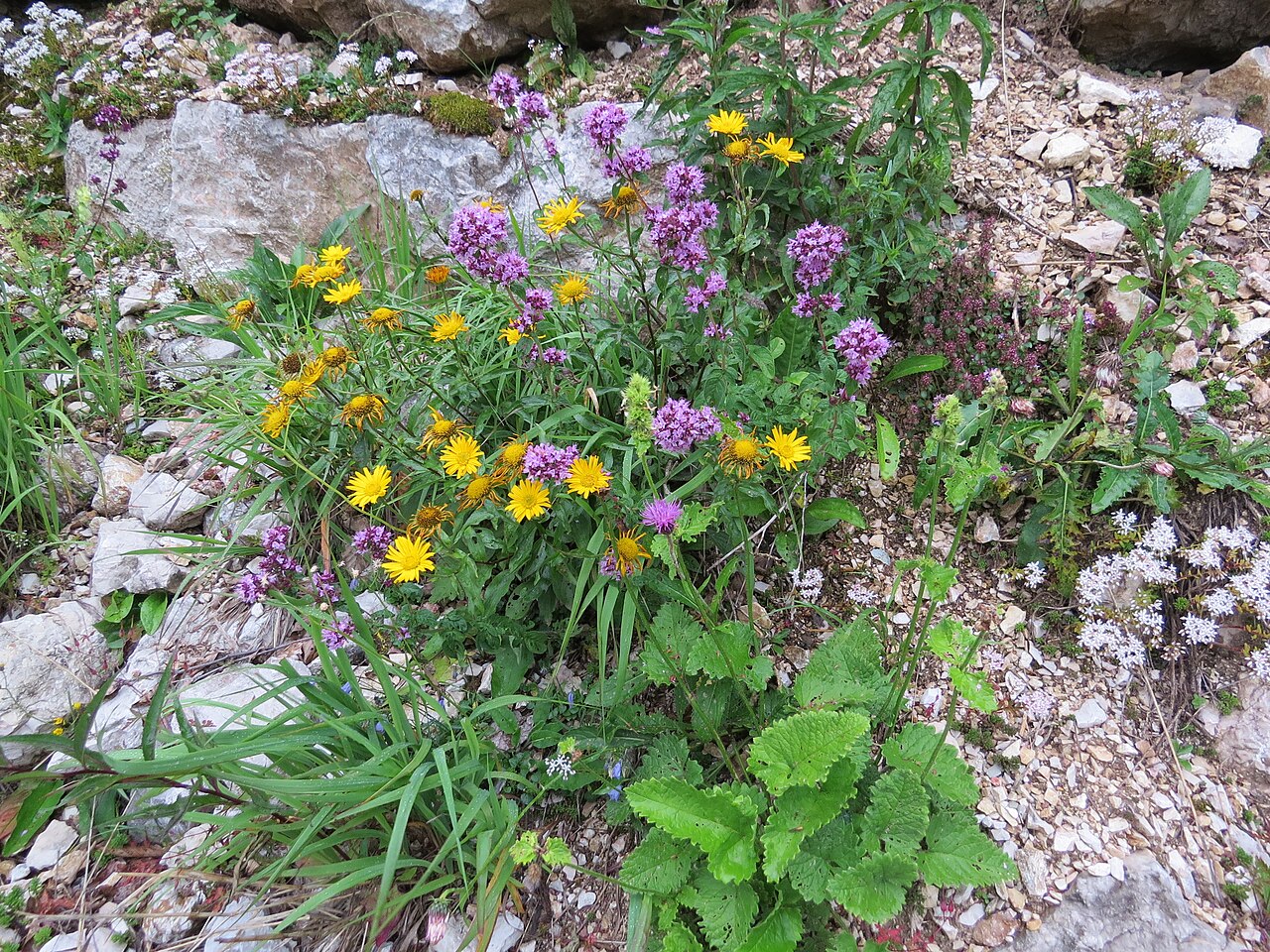
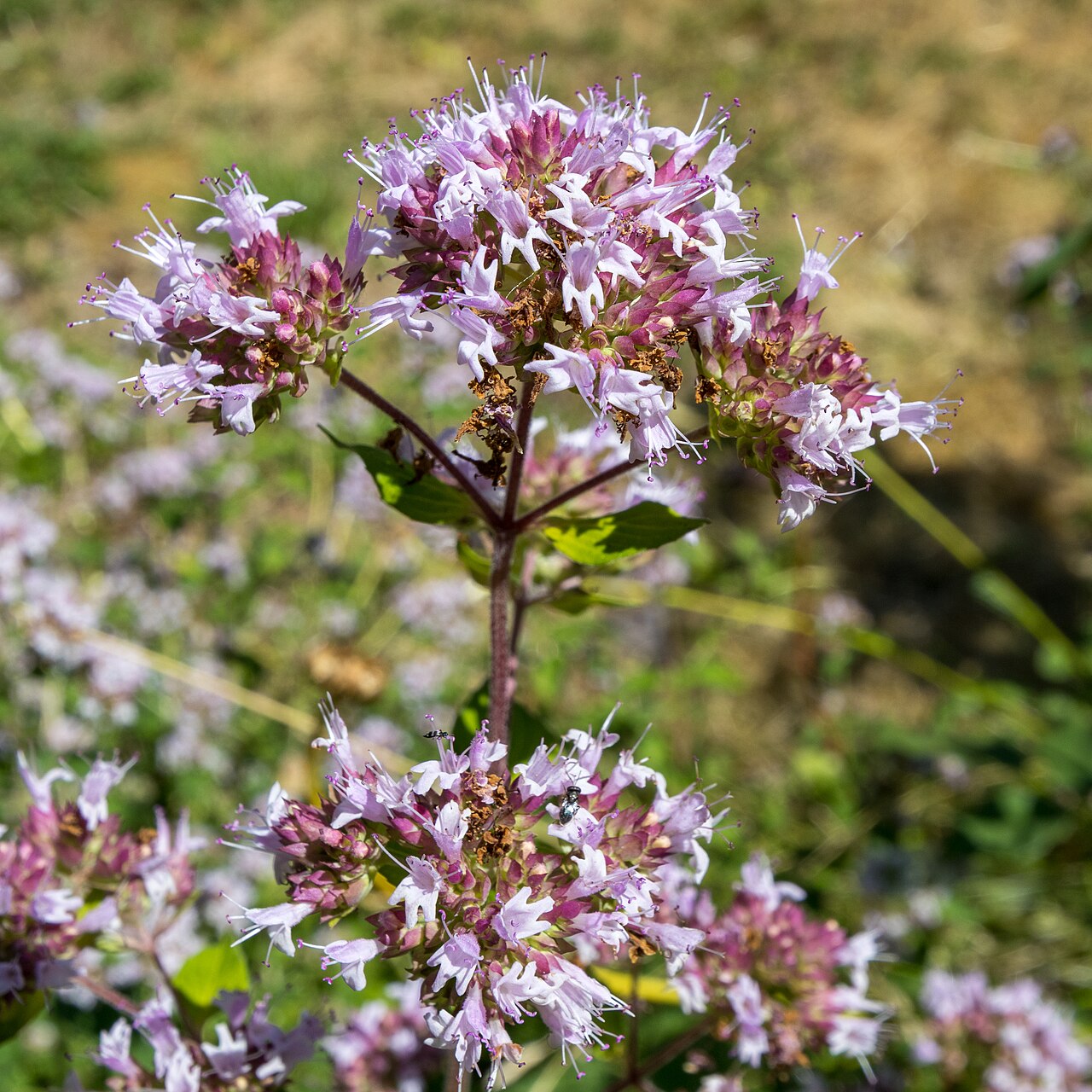
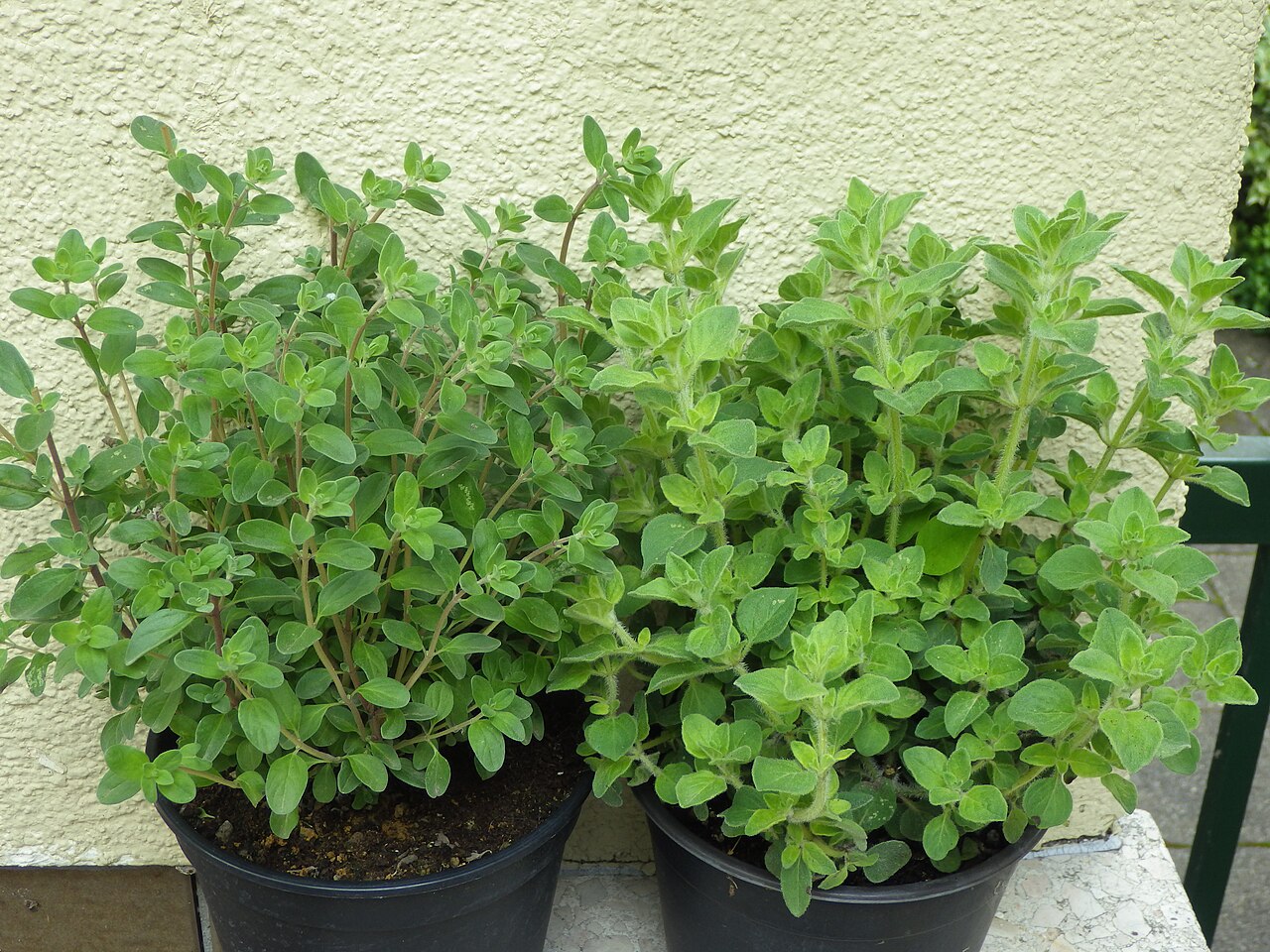
Syrian oregano is the oregano behind za’atar, the Middle Eastern herb blend of oregano, sumac, and sesame that seasons everything from hummus to flatbread. Botanically it is a distinct species, Origanum syriacum — also called Lebanese oregano and Bible hyssop — not a cultivar of common oregano, and it tastes like it: strong, spicy, and minty-oregano at once, with silvery-green, hairy leaves on tall, dense clumps that can reach several feet.
For Florida gardeners it has a special appeal: it is a genuine heat-lover, thriving where cooler-climate oreganos sulk, and it is hardy in zones 9–10, which covers much of the state as a perennial. It does not love humidity the way it loves heat, so drainage and airflow still rule — but if your garden’s problem is too much sun rather than too little, Syrian oregano is the oregano that agrees with you.
How to grow
Plant after last frost in full sun and well-drained, sandy-loam soil. Syrian oregano grows quickly into dense clumps, so give it room and airflow, and in Florida’s wet summers a raised bed or pot with gritty mix is the safest home — wet feet kill it faster than heat ever will. In zones below 9, grow it as a summer annual or in a pot you bring indoors before frost; it does not always grow well permanently indoors, so treat the indoor stay as winter shelter, not a permanent address.
Start from nursery plants or cuttings. Shear lightly after flowering to keep clumps tidy, and divide every few years when the center goes woody. It is a vigorous grower, so regular cutting is not a chore, it is the maintenance plan — and the harvest.
Water & feeding
Water to establish, then water sparingly. Syrian oregano is a dry-climate plant with woolly, hairy leaves that reduce water loss through transpiration — the plant’s own sun hat and water bottle in one. Let soil dry well between waterings, and never let it sit soggy.
Feed little or nothing. Lean soil grows the most pungent oregano; rich soil grows big, bland leaves. A light spring top-dress of worm castings is all it needs, and in a pot, even that can be skipped in a good year.
Common problems
- Root rot in wet or humid soil — the main Florida risk; raised beds, gritty mix, and airflow are the fix, not more water.
- Winter kill outside zones 9–10 — grow as an annual or overwinter potted plants indoors, and don’t mourn a frost-killed plant that gave you a summer of za’atar.
- Leggy, sparse centers with age — shear after flowering and divide every few years.
- Humidity stress — Syrian oregano tolerates heat better than humidity; space generously and water at soil level, never overhead.
Harvest
Harvest leaves regularly through summer, cutting stems as needed once plants are established. For za’atar, dry the leaves thoroughly — Syrian oregano dries well and keeps its strong flavor — then crumble with toasted sesame and sumac for the classic blend, or use the dried herb straight in hummus, falafel, tabbouleh, and roasted vegetables.
Morning harvest has the strongest oils. Dry whole stems in a dark, airy spot and strip leaves when fully dry; a summer’s growth from one vigorous plant fills more jars than a za’atar habit can empty.
Browse all plant & pest guides
Saving seeds
Syrian oregano is the oregano behind za’atar, the Middle Eastern herb blend of oregano, sumac, and sesame that seasons everything from hummus to flatbread. Botanically it is a distinct species, Origanum syriacum — also called Lebanese oregano and Bible hyssop — not a cultivar of common oregano, and it tastes like it: strong, spicy, and minty-oregano at once, with silvery-green, hairy leaves on tall, dense clumps that can reach several feet. For Florida gardeners it has a special appeal: it is a genuine heat-lover, thriving where cooler-climate oreganos sulk, and it is hardy in zones 9–10, which covers much of the state as a perennial. It does not love humidity the way it loves heat, so drainage and airflow still rule — but if your garden’s problem is too much sun rather than too little, Syrian oregano is the oregano that agrees with you. As a distinct species it comes true from seed: sow seed in a greenhouse in early spring, barely covering it, and prick out seedlings when large enough to handle — or start from nursery plants or cuttings for a faster start, since cuttings root readily and give you a plant months sooner. Plant after last frost in full sun and well-drained, sandy-loam soil. Syrian oregano grows quickly into dense clumps, so give it room and airflow, and in Florida’s wet summers a raised bed or pot with gritty mix is the safest home — wet feet kill it faster than heat ever will. In zones below 9, grow it as a summer annual or in a pot you bring indoors before frost; it does not always grow well permanently indoors, so treat the indoor stay as winter shelter, not a permanent address. Shear lightly after flowering to keep clumps tidy, and divide every few years when the center goes woody. The full method is in the Saving seeds section of the Oregano guide.