
🌿 Oregano
What it looks like
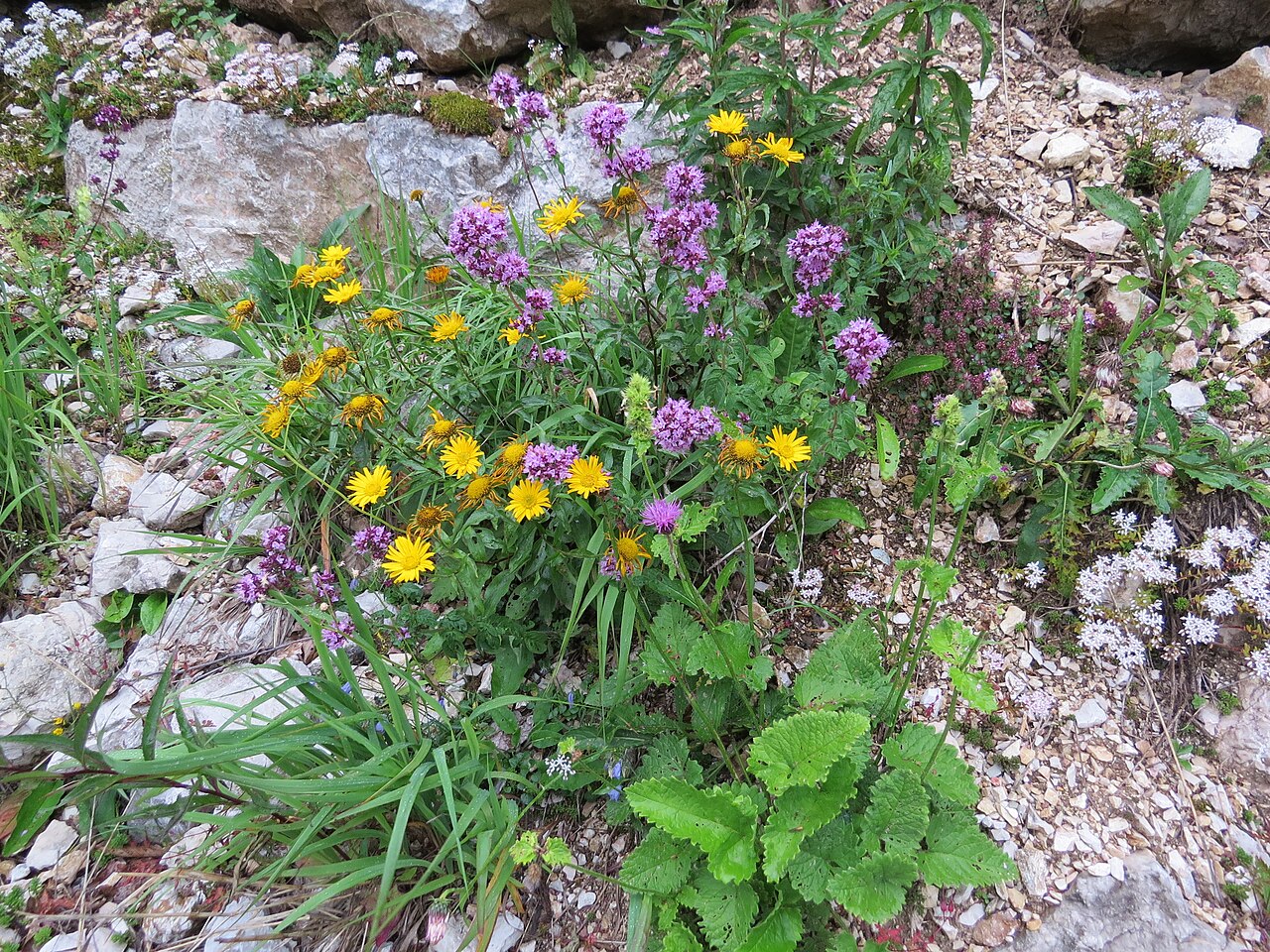
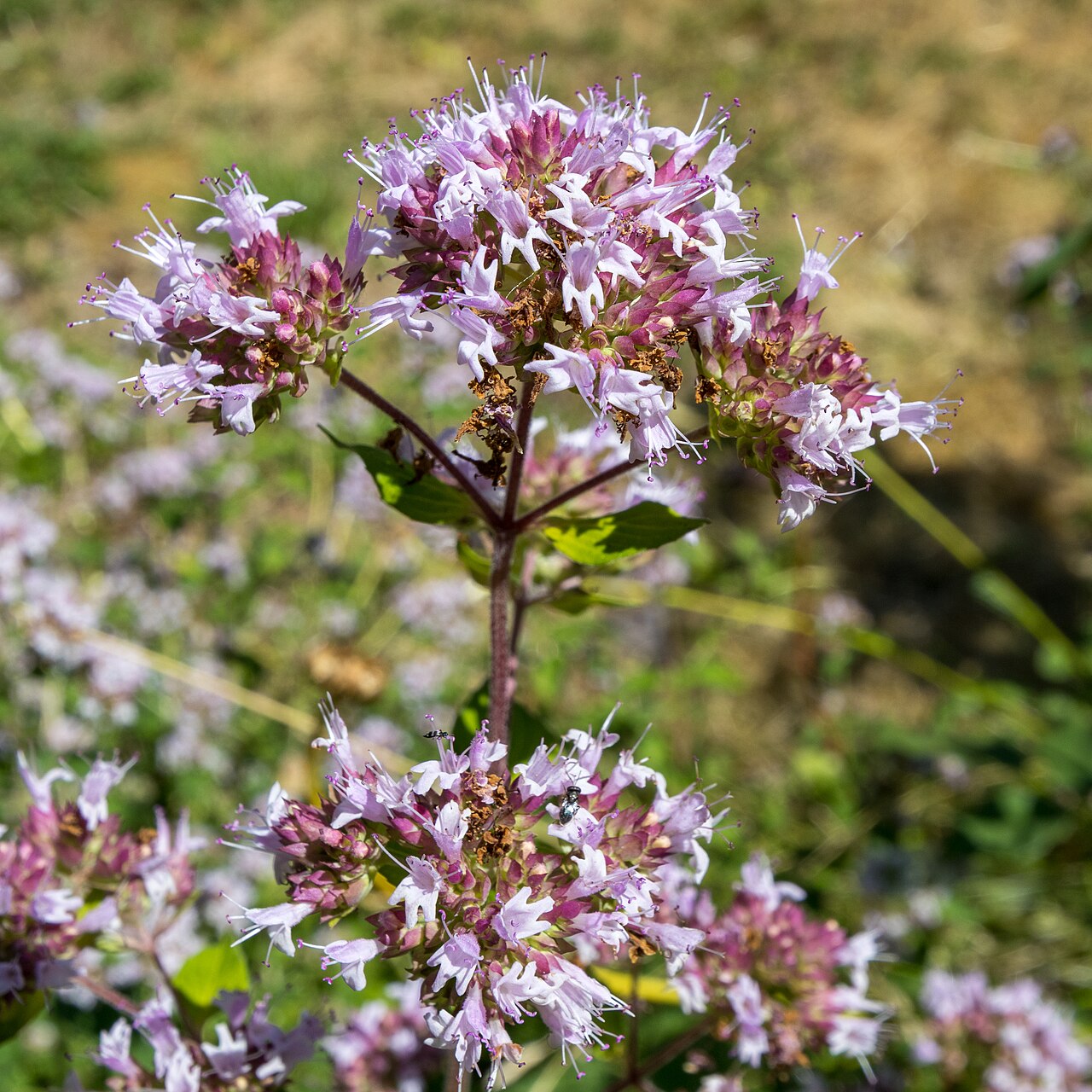
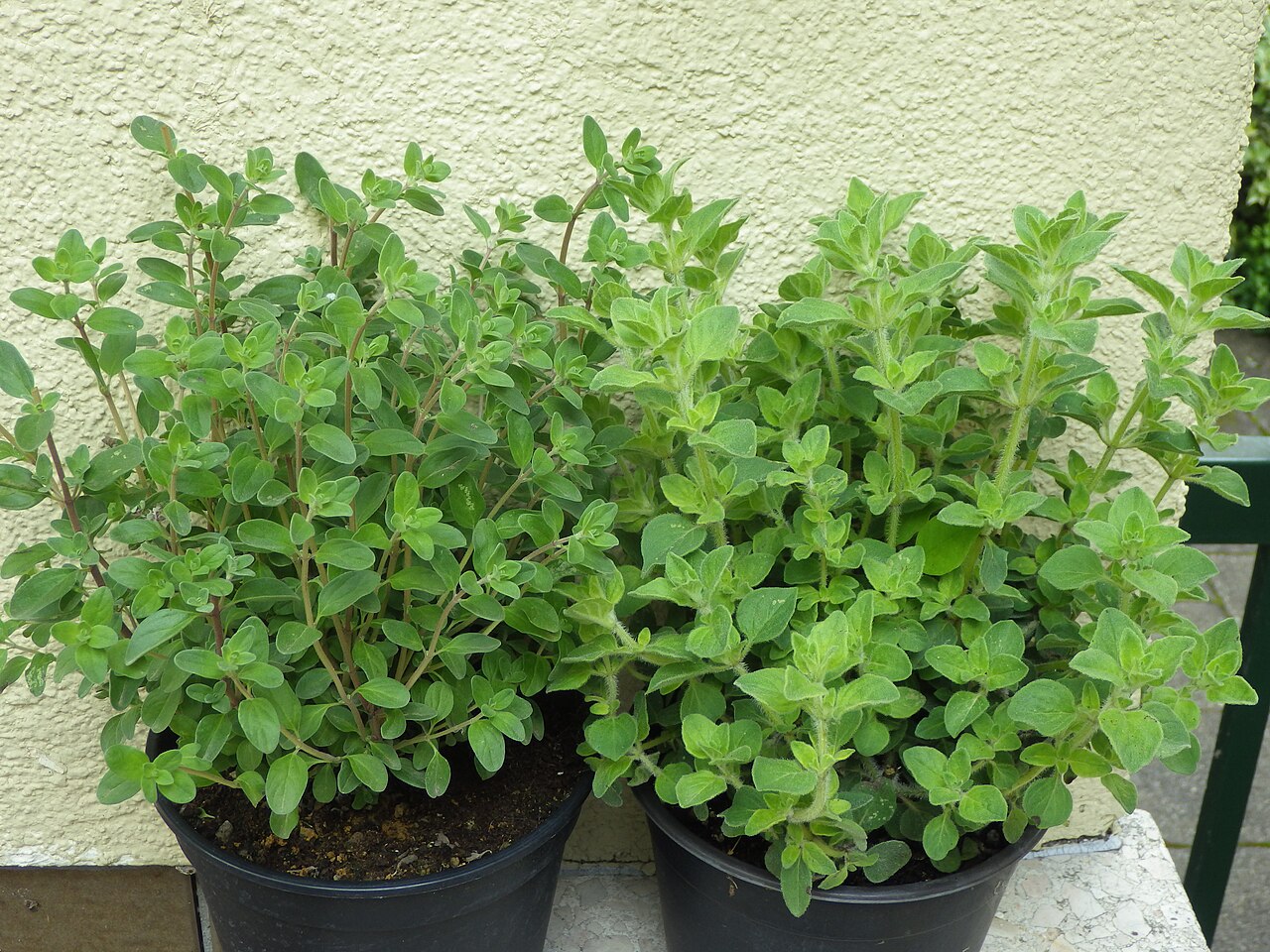
How to grow
If your oregano tastes like nothing, you probably bought the wrong plant or loved it too much. True culinary oregano is Greek oregano (Origanum vulgare subsp. hirtum), with small, intensely pungent leaves; much of what is sold generically as oregano is milder and blander. Mexican oregano (Lippia graveolens) is a different species with a citrusy, earthy note — wonderful in chili and bean dishes, but not interchangeable in a Greek salad. Give oregano the Mediterranean treatment: full sun, sharp drainage, and lean soil. Rich, wet soil makes big, bland leaves. Start from transplants or cuttings, since seed-grown oregano is variable and often disappoints. Space plants generously for airflow, shear back by a third after flowering to keep them compact, and divide every few years when the center goes woody. In cold zones, mulch lightly in winter; in hot, humid climates, oregano thrives as long as its feet stay dry — raised beds or pots are your friend.
Water & feeding
Water to establish, then let the soil dry between waterings. Oregano would rather be thirsty than soggy, and drought concentrates its oils. Feed lightly: a spring top-dress of worm castings is plenty. Heavy fertilizer dilutes flavor, which defeats the entire point of growing it.
Common problems
- Root rot in wet soil — the number one killer; fix drainage or grow in a container with extra perlite.
- Leggy, woody centers — shear after flowering and divide every 3-4 years to renew plants.
- Spider mites in hot, dry conditions — spray plants with water and improve airflow; healthy plants usually outgrow them.
- Winter kill in cold zones — mulch after the ground freezes and avoid cutting plants back hard in fall.
Harvest
Snip sprigs as needed once established; the flavor is strongest just before flowering. For drying, cut whole stems, bundle, and hang in a dark, airy spot — oregano is one of the few herbs that actually tastes stronger dried than fresh, which is why dried oregano dominates Mediterranean cooking. Strip dried leaves from stems and store airtight.
Browse all plant & pest guides
Saving seeds
Oregano seed is dust — tiny, light, and easy to lose — which is the first thing to know about saving it. Let a few flower heads ripen fully on the plant: the small white or pink flowers fade, the heads turn brown and dry, and the seed shakes loose at a touch. Snip the dry heads into a paper bag, crush them gently, and winnow out the chaff. The seed is so small that a paper bag and a kitchen sieve are the whole harvest kit, and a single plant produces far more seed than one garden needs.
The one rule that matters is light. Oregano seed needs light to germinate, so sow it on the surface of a moist seed-starting mix and press it in gently, but do not bury it. Cover it with only the thinnest dusting of mix, if anything at all, and keep it bright and moist. It needs no cold treatment — just warmth, light, and moisture — and it usually sprouts within one to two weeks. Sow in spring, or in fall for Florida’s cool season, and thin the seedlings once they are up.
Oregano self-seeds readily, so a plant you grew once will often volunteer the next year. Division is the other route, and the faithful one: Greek oregano, the one with the real flavor, is a specific subspecies, and seed-grown plants vary in flavor — some are mild to the point of tasteless. If you want the true Greek oregano flavor, divide a plant you trust rather than sowing seed and hoping.
Save seed from your best-flavored plants — taste the leaves before you let a plant go to seed, and save from the ones that actually taste like oregano. Label the jar, because oregano seed all looks alike, and keep it dry and cool: Florida humidity is the enemy of stored seed, so dry it thoroughly, jar it with a silica gel packet, and keep it in a cool, dark place.
Varieties
Every named variety of Oregano with its own growing guide:
- Greek Oregano — The real pizza herb: small, intensely pungent, carvacrol-rich leaves on the hardiest culinary oregano — if your oregano tastes like nothing, this is the fix.
- Italian Oregano — The sweet, mellow oregano-marjoram hybrid: milder and sweeter than Greek, made for tomato sauces, pizza, and anyone who finds Greek oregano too fierce.
- Hot & Spicy Oregano — Greek oregano with a kick: the hottest, most peppery hirtum strain — the oregano for chili, Cajun cooking, and sauces that need backbone.
- Golden Oregano — The ornamental oregano: golden-yellow leaves that light up the herb bed, with a milder oregano flavor for cooks who like their herbs sunny-side up.
- Kaliteri Oregano — The connoisseur’s Greek oregano: small, dark, compact, silvery-haired leaves with the strongest archetypal oregano flavor — Greek kaliteri means ‘the best.’
- Syrian Oregano — The za’atar oregano: silvery-green leaves, a strong spicy flavor, and the herb behind the Middle East’s most famous spice blend — a heat-lover that wants Florida summers.
- Variegata Oregano — The white-edged oregano: green leaves elegantly edged in white — the oregano that earns its bed on looks and still seasons dinner.
- Thumbles Variety Oregano — The pathway oregano: a fragrant ornamental oregano made for edging walks, where every brush releases scent — the oregano you grow for your feet as much as your food.