
🌿 Kaliteri Oregano
What it looks like
Why this variety
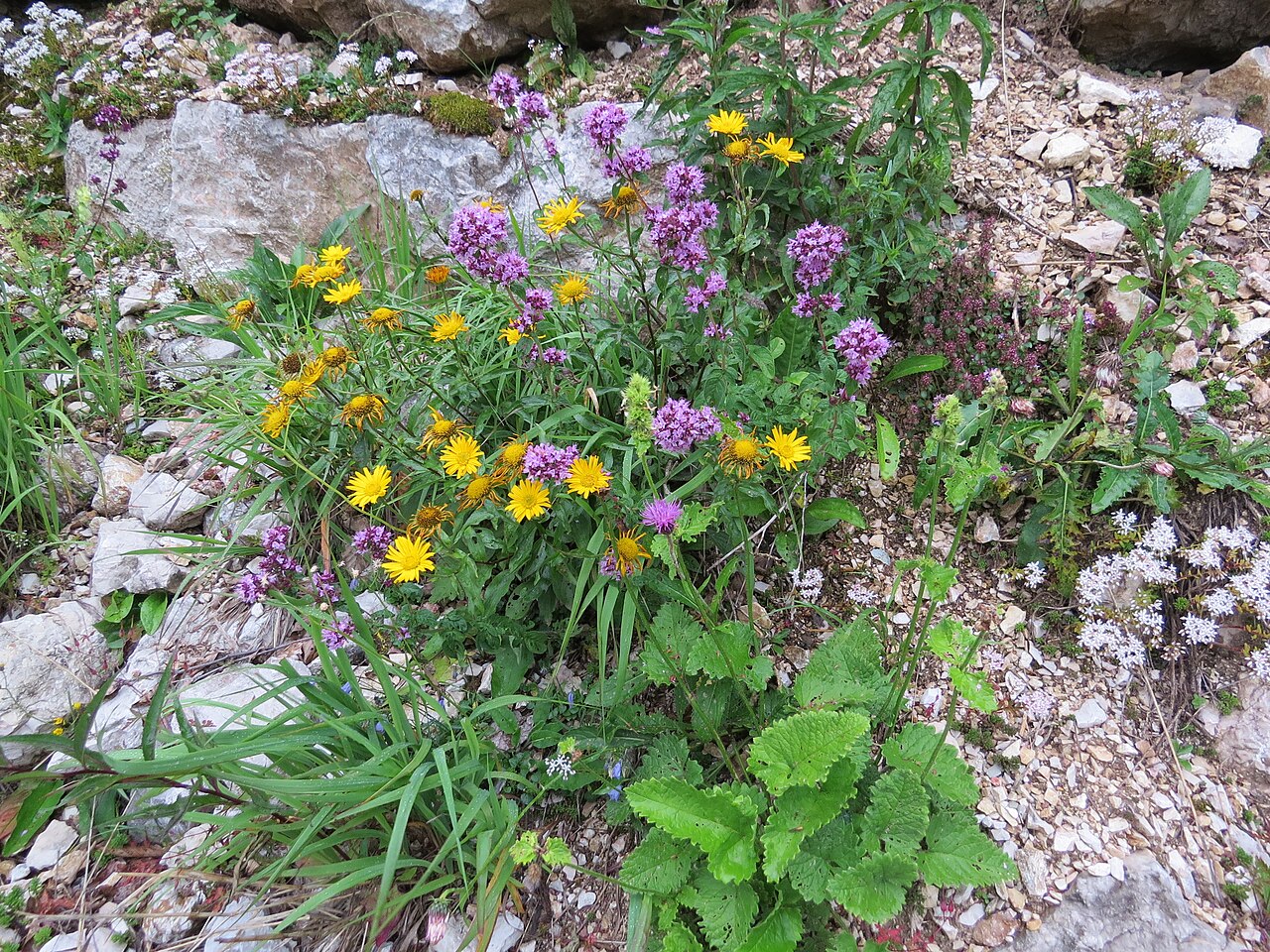
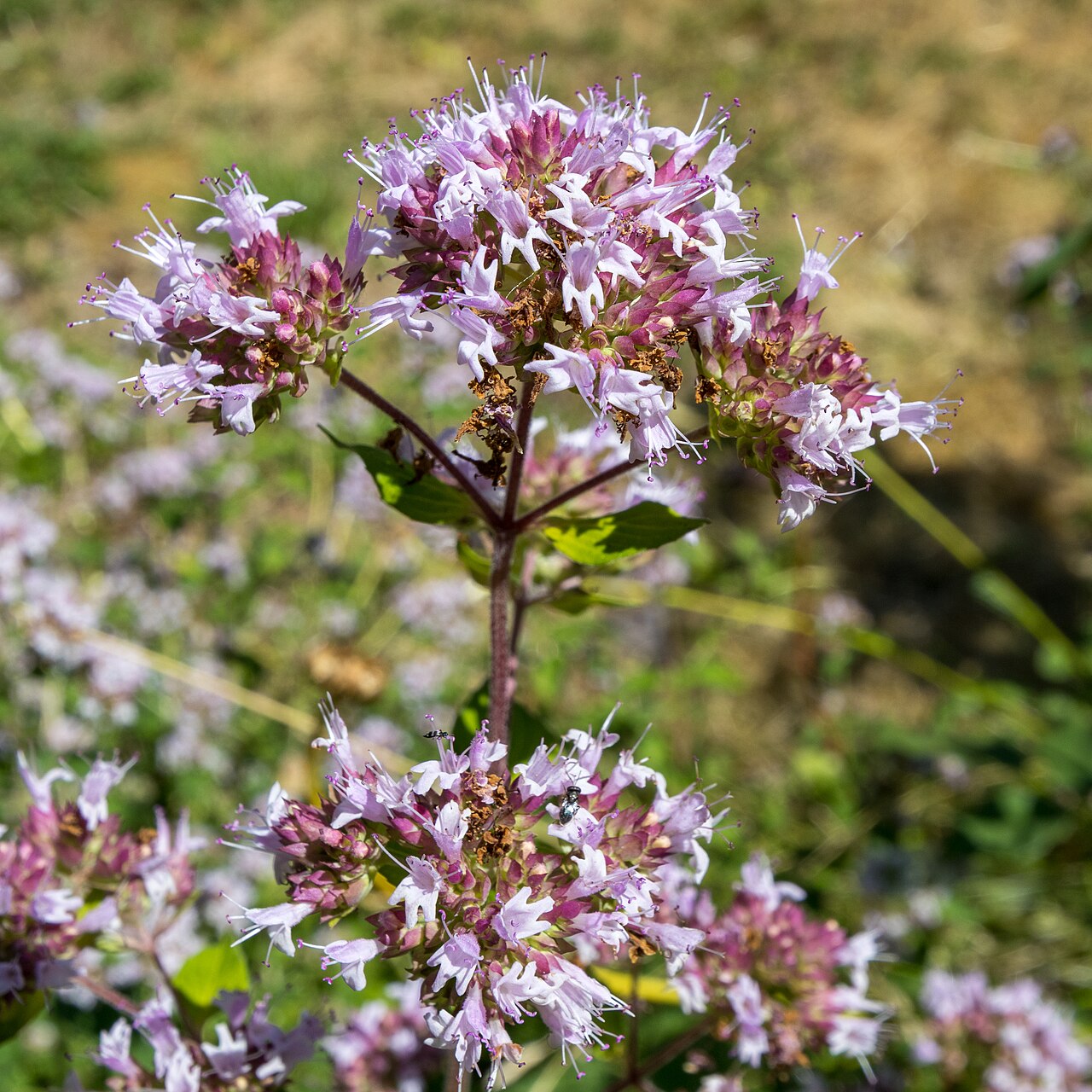
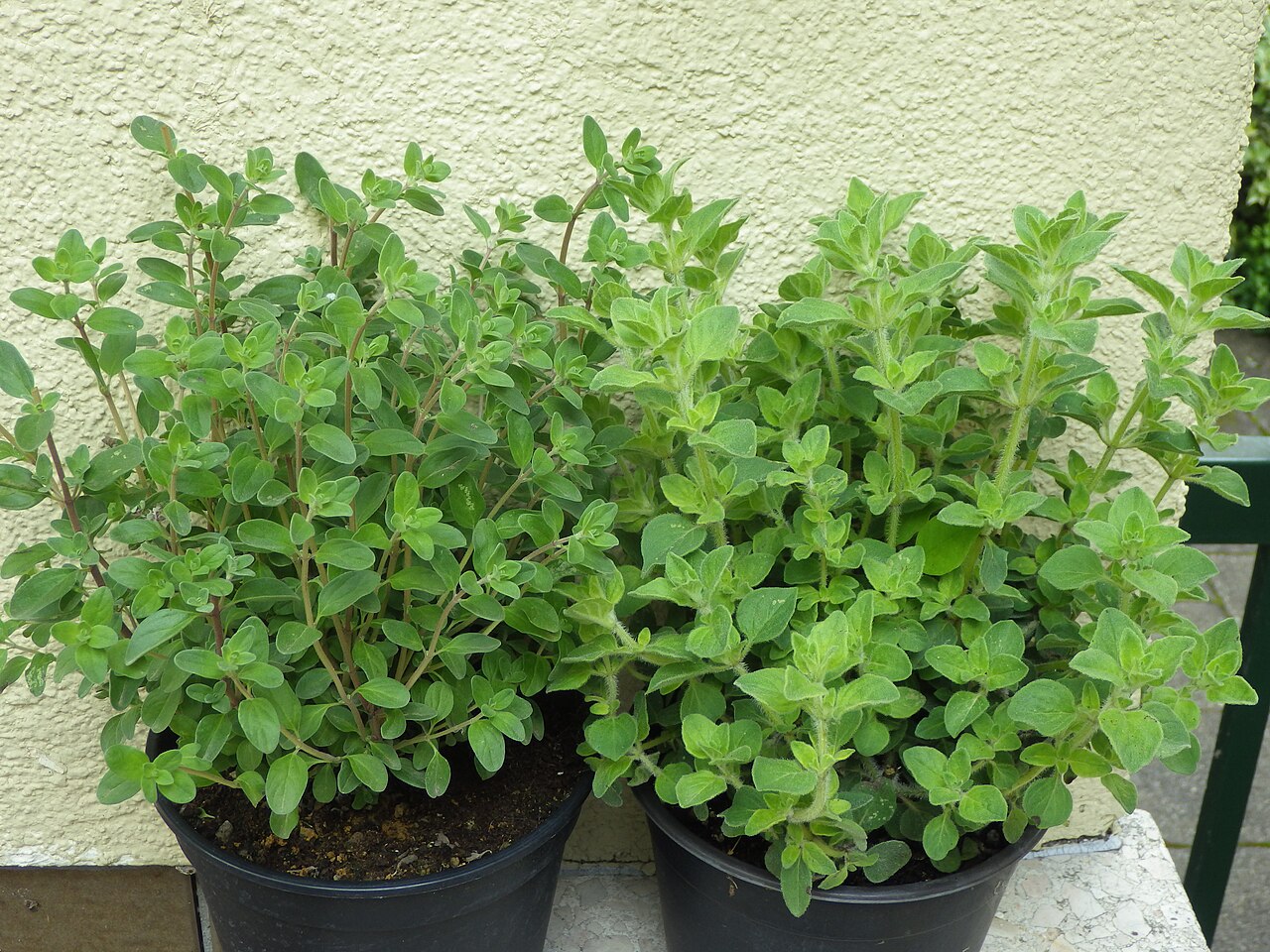
If Greek oregano is the real pizza herb, Kaliteri is the Greek oregano that Greek cooks reach for first. It is a hirtum landrace — a traditional strain rather than a modern bred cultivar — with small, hardy, dark, compact, thick leaves, silvery hairs, and often purple undersides, and references give it an excellent reputation for flavor and pungency, calling it the archetypal oregano flavor. The name is the review: in Greek, kaliteri means ‘the best.’
Compared with the standard Greek Oregano guide’s hirtum, Kaliteri runs more compact and darker, with a denser, hairier leaf that holds its oils through heat and drought. For a Florida garden, that compact, hairy habit is not cosmetic: silvery hairs reflect sun and slow water loss, which is exactly the engineering a Mediterranean plant brings to a humid subtropical summer.
How to grow
Give it the Mediterranean treatment, strictly: full sun, sharp drainage, and lean soil. Start from named plants or cuttings, since seed sold as generic oregano is variable and often disappoints — and a landrace’s character lives in the plant, not the packet. In Florida, a raised bed or pot with gritty mix is ideal, because summer rain, not summer heat, is what kills oregano here.
Space 12–18 inches apart for airflow, shear back by a third after flowering to keep plants compact, and divide every few years when the center goes woody. Kaliteri’s compact habit means it needs less shearing than rangier oreganos, but it still rewards a haircut with denser, more flavorful regrowth.
Water & feeding
Water to establish, then let the soil dry between waterings. Oregano would rather be thirsty than soggy, and drought concentrates its oils — the carvacrol and thymol that make oregano taste like oregano get stronger, not weaker, when the plant is a little stressed.
Feed lightly: a spring top-dress of worm castings is plenty. Heavy fertilizer dilutes flavor, which defeats the entire point of growing the strain famous for having the most of it.
Common problems
- Root rot in wet soil — the number one killer; fix drainage or grow in a container with extra perlite.
- Mild flavor from wrong plants — if your ‘Kaliteri’ tastes weak, it probably is not Kaliteri; buy named plants from a reputable source and taste a leaf before committing a whole bed.
- Woody, bare centers with age — cut back hard in spring and divide every few years; a young oregano out-flavors an old, woody one.
- Spider mites in hot, dry conditions — spray with water and improve airflow.
Harvest
Snip sprigs as needed once established; flavor is strongest just before flowering, when the oils peak. For drying, cut whole stems, bundle, and hang in a dark, airy spot — oregano is one of the few herbs that actually tastes stronger dried than fresh, and Kaliteri’s dense, oil-rich leaves dry into the most potent jar in the pantry.
Strip dried leaves from stems and store airtight, whole until use. Crumble only when cooking: a pinch of Kaliteri does the work of a spoonful of supermarket oregano, and that is not exaggeration, it is carvacrol arithmetic.
Browse all plant & pest guides
Saving seeds
Kaliteri is the Greek oregano that Greek cooks reach for first, a hirtum landrace with small, hardy, dark, compact, thick leaves, and the guide’s advice is to start from named plants or cuttings, since seed sold as generic oregano is variable and a landrace’s character lives in the plant, not the packet — divide every few years when the center goes woody. The Saving seeds section of the Oregano guide covers seed for the species generally.