
🌿 Greek Oregano
What it looks like
Why this variety
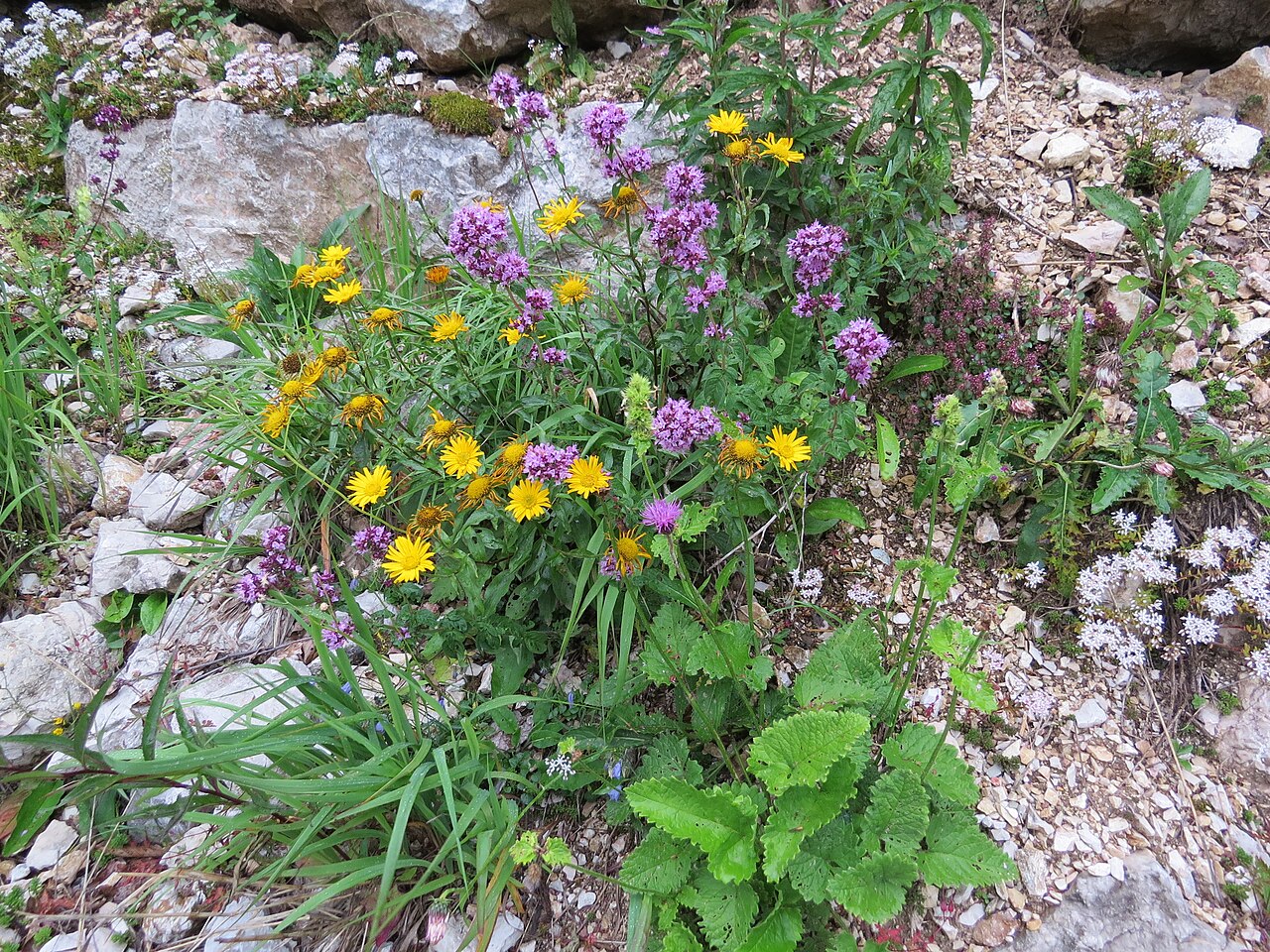
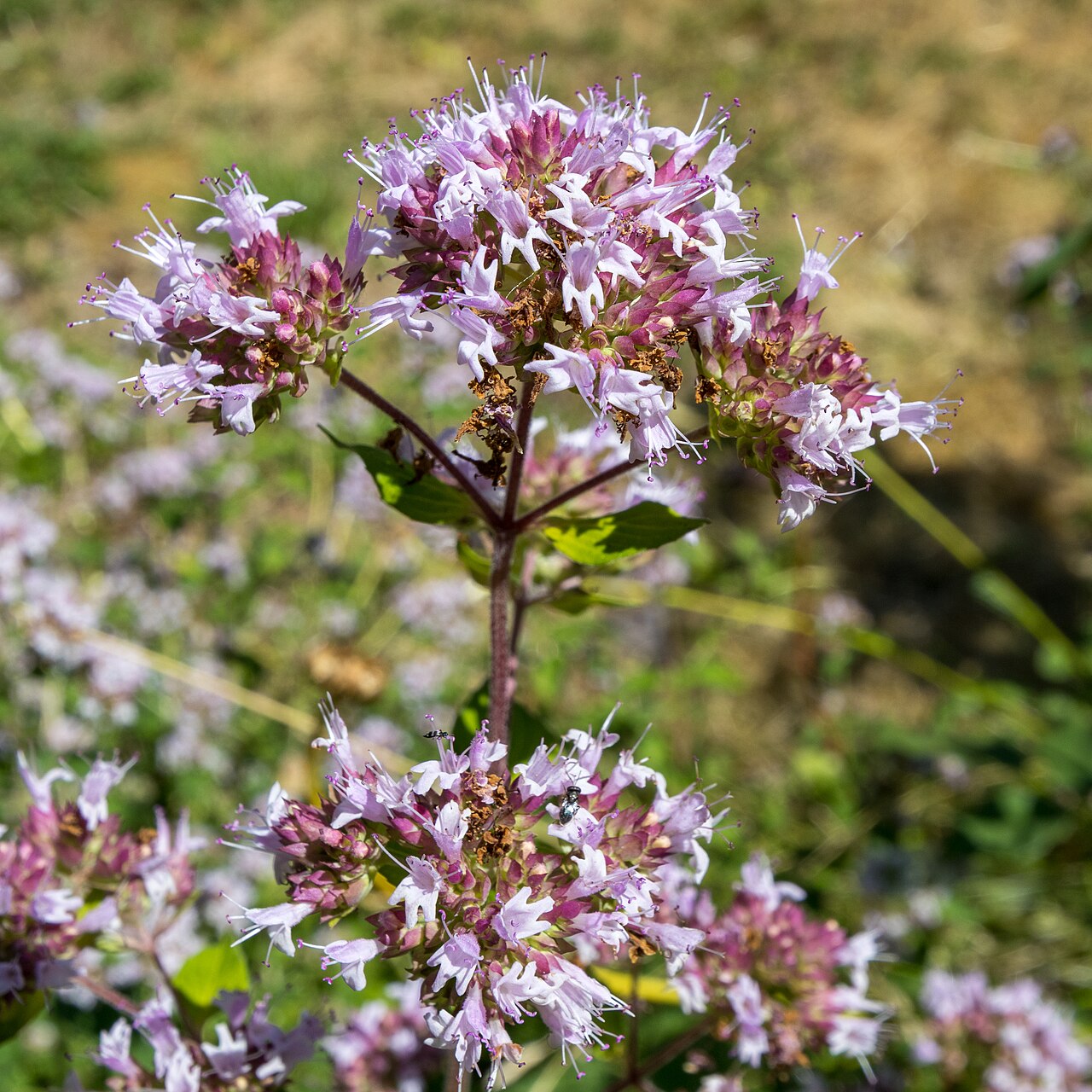
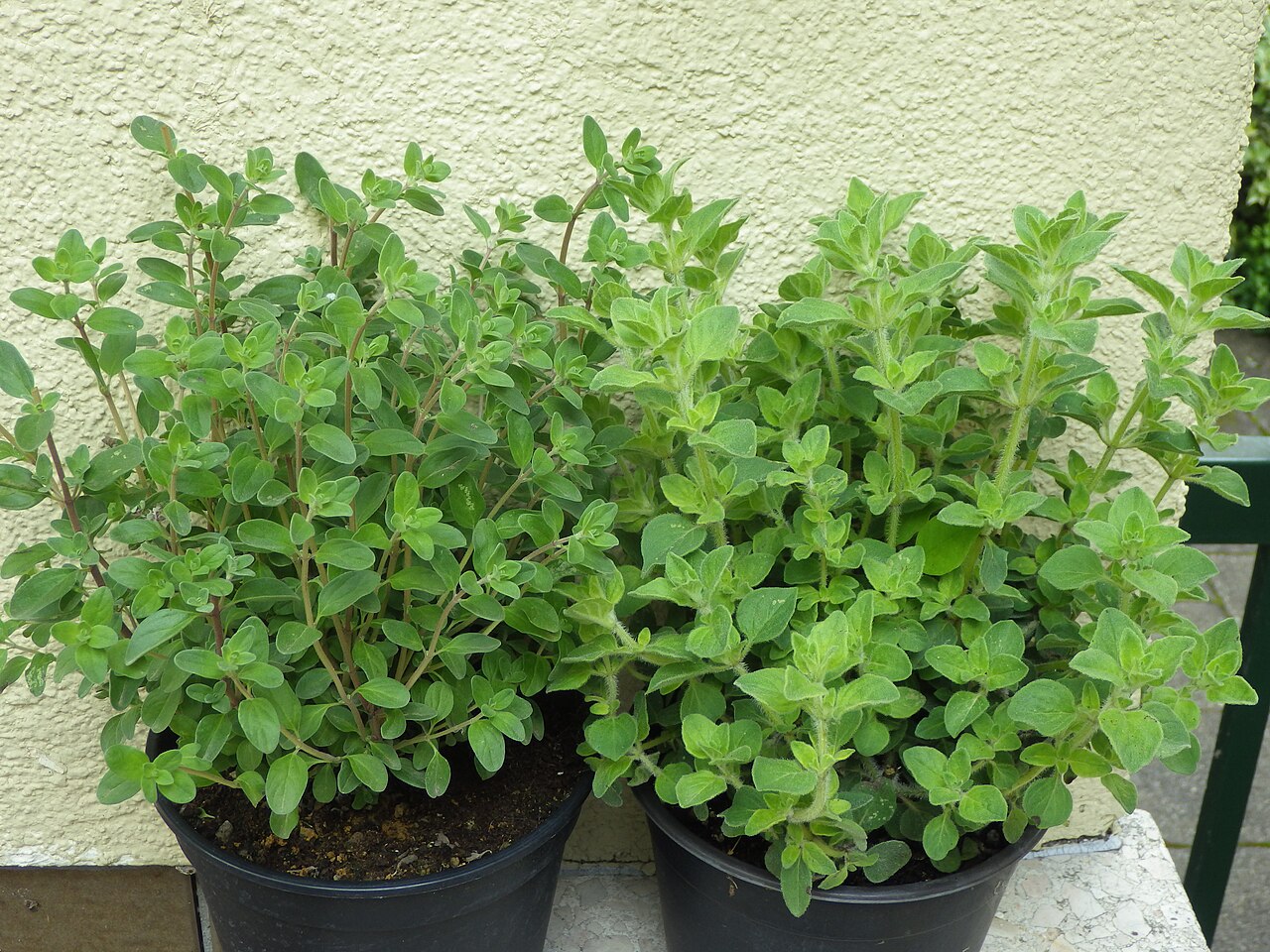
Greek oregano is the oregano that other oreganos are judged against. It is Origanum vulgare subsp. hirtum, the subspecies behind the pungent, peppery, slightly bitter flavor of Greek salads, souvlaki, and proper pizza sauce — small, dark green, slightly hairy leaves packed with the essential oils carvacrol and thymol, which are what make oregano taste like oregano instead of like vague green dust.
Much of what is sold generically as ‘oregano’ is milder stuff, which is why home cooks so often report that their oregano tastes like nothing: they bought the wrong plant. Greek oregano fixes that at the source, and it is also the hardiest culinary oregano, perennial in zones 5–10, drought-tolerant, and happy in poor soil. In Florida it wants the Mediterranean treatment — sun, sharp drainage, and restraint with water — and it will out-produce fancier herbs for years on almost no care.
How to grow
Buy plants or sow seed, but buy from a reputable source: seed sold as generic oregano often grows into mild plants, while true hirtum seed or, better, a named plant holds the pungent character. Plant in spring in full sun and sharply drained, lean soil — a raised bed or pot with gritty mix is ideal in Florida, where summer rain is the main enemy.
Space 12–18 inches apart and pinch tips to keep plants bushy. Cut back by a third after the first flush and again after flowering to keep plants compact; oregano that is never cut grows woody and sparse in the center. Divide every 3–4 years in spring to renew vigor.
Water & feeding
Water sparingly once established; Greek oregano is drought-tolerant and its flavor concentrates in dry, sunny conditions — overwatering dilutes both the oils and the plant’s will to live. Water at planting and in prolonged drought, and let soil dry well between waterings.
Feed little or nothing. Lean soil grows the most pungent oregano; rich soil and heavy fertilizer grow big, bland leaves, which is the exact opposite of the goal.
Common problems
- Root rot in wet, heavy soil — the main Florida risk. Raised beds, gritty mix, and no mulch piled on the crown prevent it.
- Mild flavor from wrong plants — if your ‘Greek oregano’ tastes weak, it probably is not hirtum. Buy named plants from a reputable source and taste a leaf before committing a whole bed.
- Woody, bare centers with age — cut back hard in spring and divide every few years; a young oregano out-flavors an old, woody one.
- Aphids on new growth in spring — a water jet clears them, and overfed plants attract them first.
Harvest
Pick leaves from year one lightly, and heavily from year two, cutting stems just before flowering for the strongest flavor — oils peak as buds form. Strip leaves from stems and use fresh, or dry bundles upside down in a warm, airy spot out of direct sun; dried Greek oregano is famously more potent than fresh, and the flavor intensifies as it dries.
Store dried leaves whole in a sealed jar and crumble only when cooking. A single well-grown plant yields a year’s pizza and salad supply, and regular cutting keeps it bushy and productive rather than woody and tired.
Browse all plant & pest guides
Saving seeds
Greek oregano is Origanum vulgare subsp. hirtum, the pungent subspecies behind proper pizza sauce, and true hirtum seed comes true — but buy from a reputable source, since seed sold as generic oregano often grows into mild plants. The full method is in the Saving seeds section of the Oregano guide.