
🫘 Bahar Pigeon Pea
What it looks like
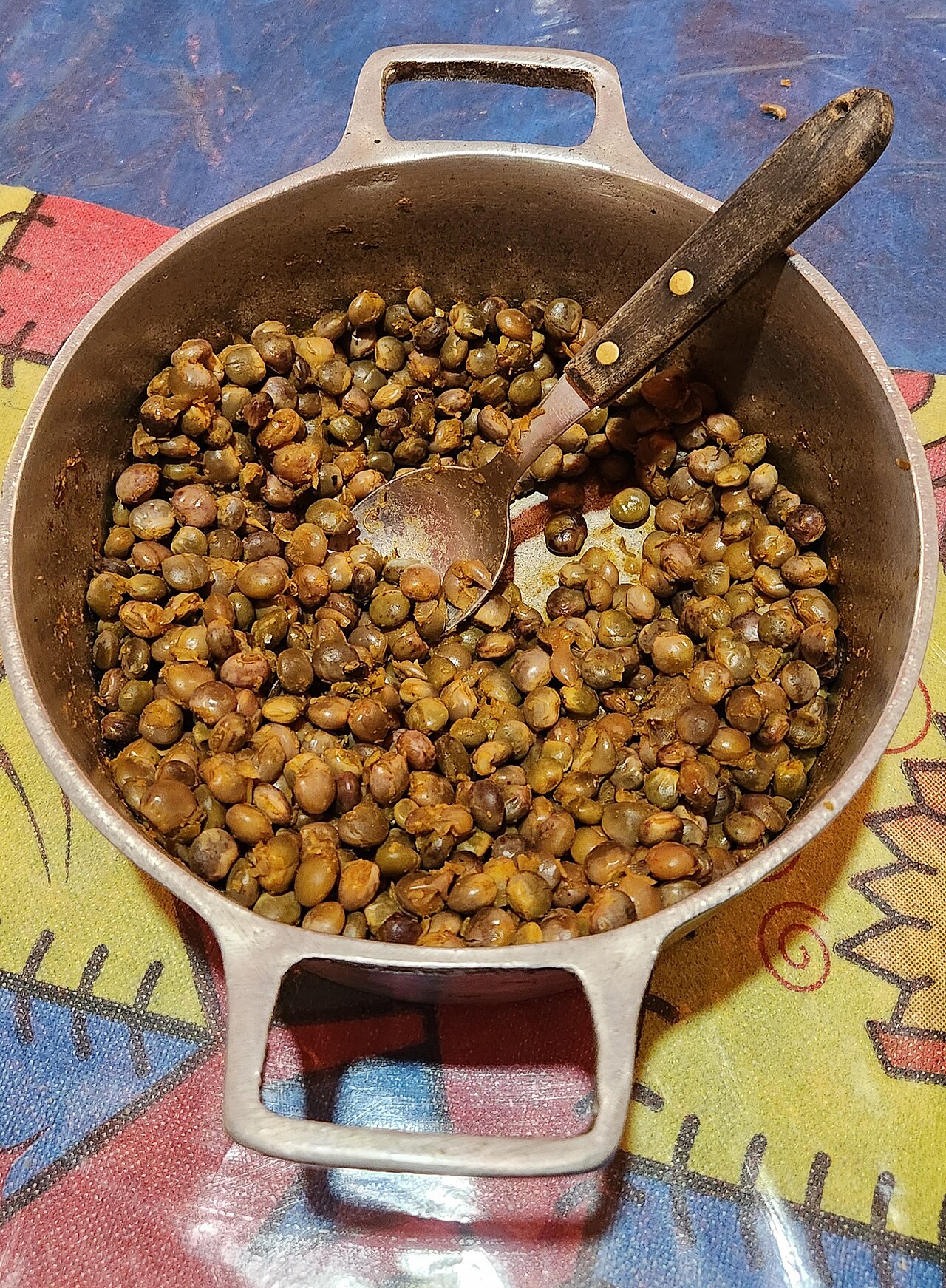
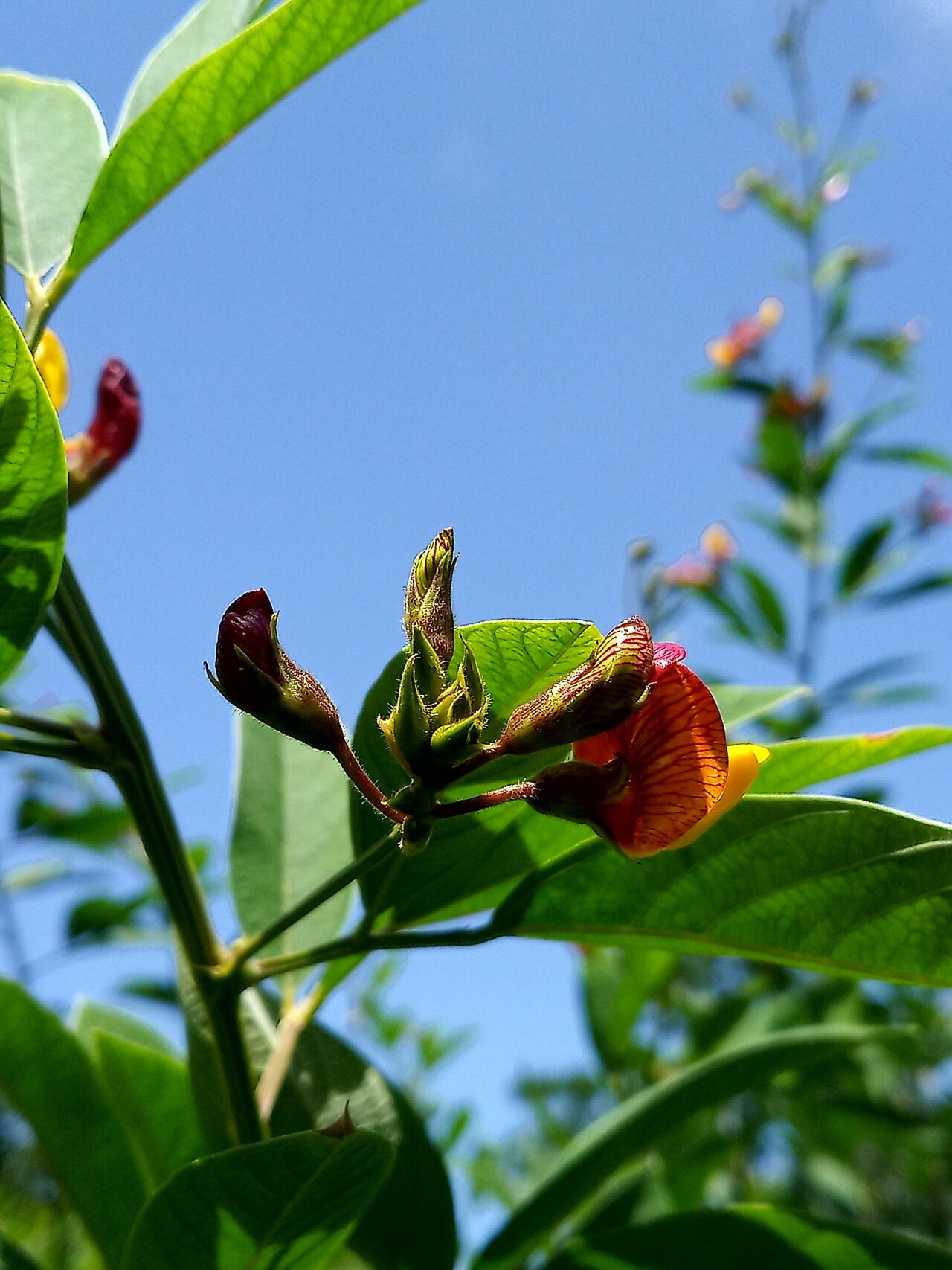
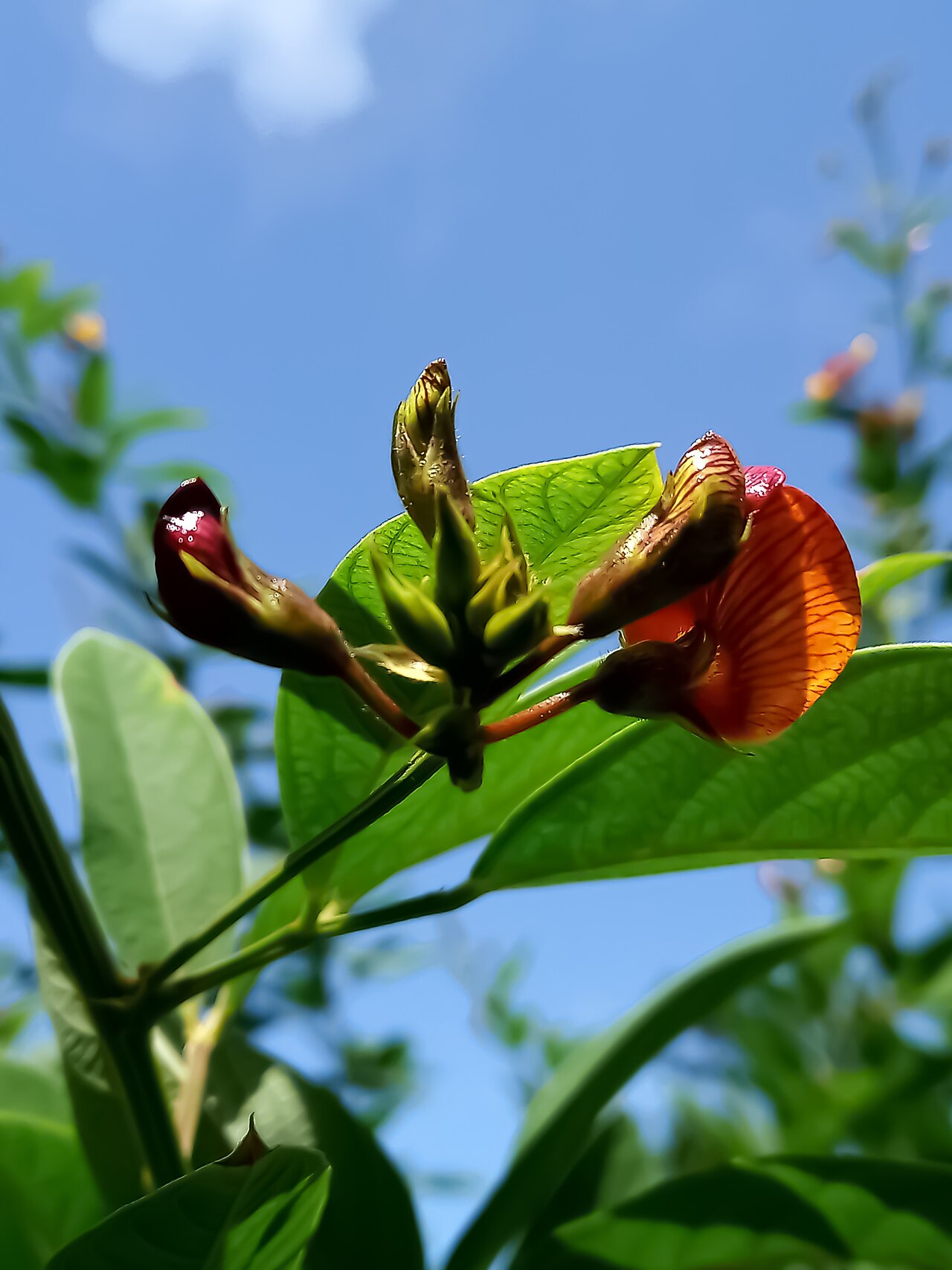
Why this variety
Bahar is the pigeon pea you plant when you have space, time, and a serious dal habit: a long-duration, tall, spreading variety maturing in about 250 days, yielding heavily (20–25 quintals per hectare in trials) and noted for escaping pod-borer damage where shorter types get hit. It is a big shrub that occupies its bed for most of the year — plan for that, and it will repay you with fresh peas in season and a winter’s worth of dry dal.
In Florida, Bahar is a zones 9–11 perennial prospect: plant in May, let it grow through summer, flower in fall, and harvest into winter, then prune back after harvest for regrowth. Give it the widest spacing of any pigeon pea here — this is a shrub, not a row crop, and crowding it invites the mildew it otherwise shrugs off.
How to grow
Sow seed 1.5 inches deep in warm soil above 60°F. In Florida, plant in late spring (May) and harvest in late fall (October–November); most types are day-length sensitive, growing vegetatively through long summer days and flowering as days shorten in fall. Deep taproots let pigeon pea survive drought and poor soil, and it fixes nitrogen generously — it is as much a soil-building shrub as a food crop. Inoculate seed with the appropriate Rhizobium if legumes have never grown on the site.
Water & feeding
Water to establish, then water moderately; pigeon pea is drought-tolerant and hates waterlogging. It generally needs little fertilizer, though it responds to sulfur on sulfur-poor soils. On sandy Florida soil, a compost mulch does more good than any fertilizer bag.
Common problems
- Frost — kills most types; grow as an annual north of zone 9 or protect plants.
- Pod-boring caterpillars — shake larvae onto a sheet and remove; encourage birds and beneficial insects.
- Leaf spot and mildew in humid weather — space for airflow and prune for light.
- Wind — tall shrubs tip easily; stake or plant in sheltered spots.
Harvest
Pick green pods slightly on the green side for fresh peas, or let pods brown fully on the plant for dry harvest: sun-dry 4–6 days, thresh, and store fully dry. Dried peas need soaking overnight and 2–3 hours of cooking until soft — Bahar’s large harvest is worth the pot time.
For the crop in general, see the Pigeon Pea growing guide. Browse all plant & pest guides.
Saving seeds
Bahar is a released variety, so seed saved from it comes true — save seed from your best pods and let them dry fully before storing. The full method is in the Saving seeds section of the Pigeon Pea guide.