
🫘 Pigeon Pea
What it looks like
How to grow
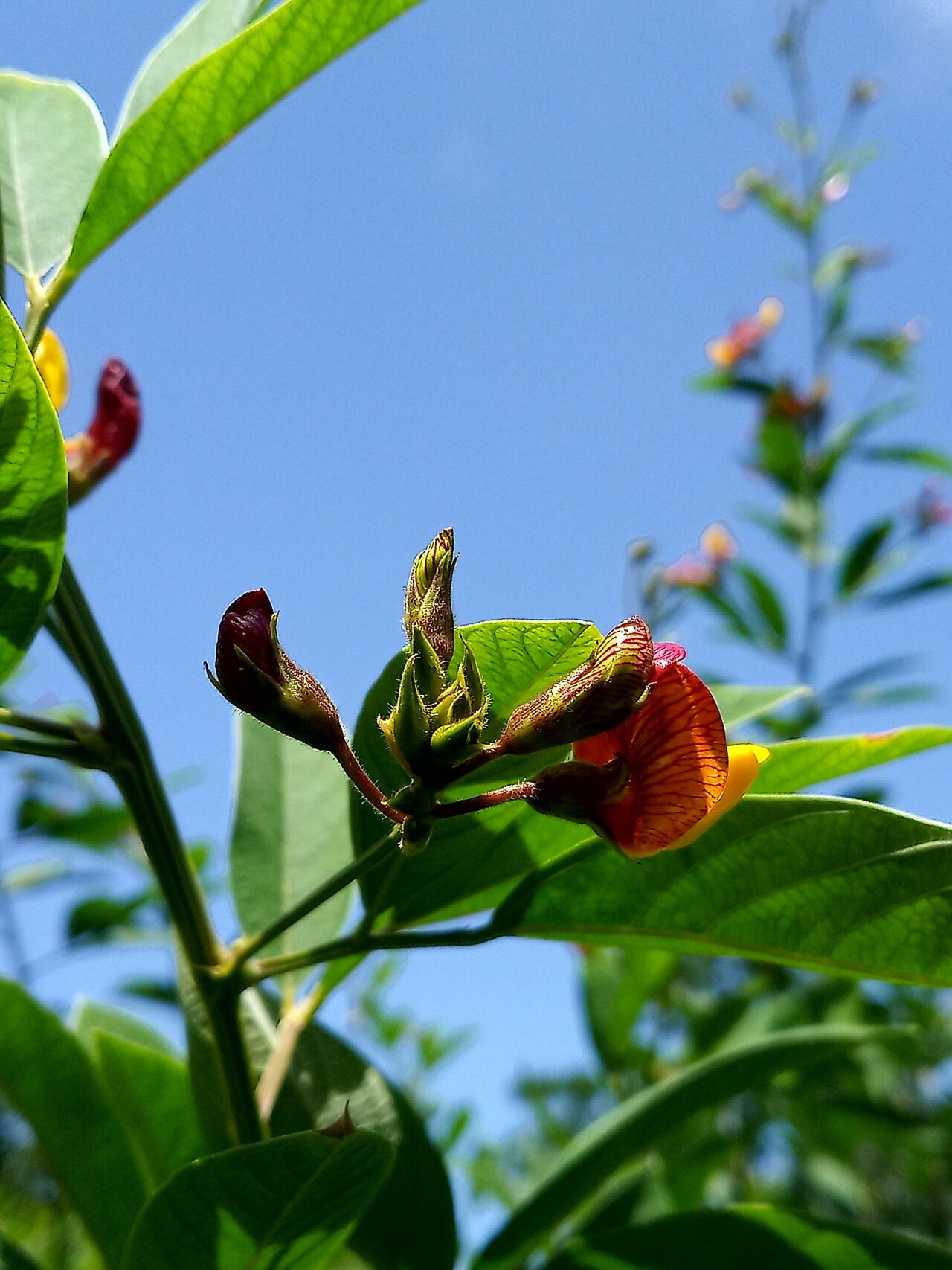
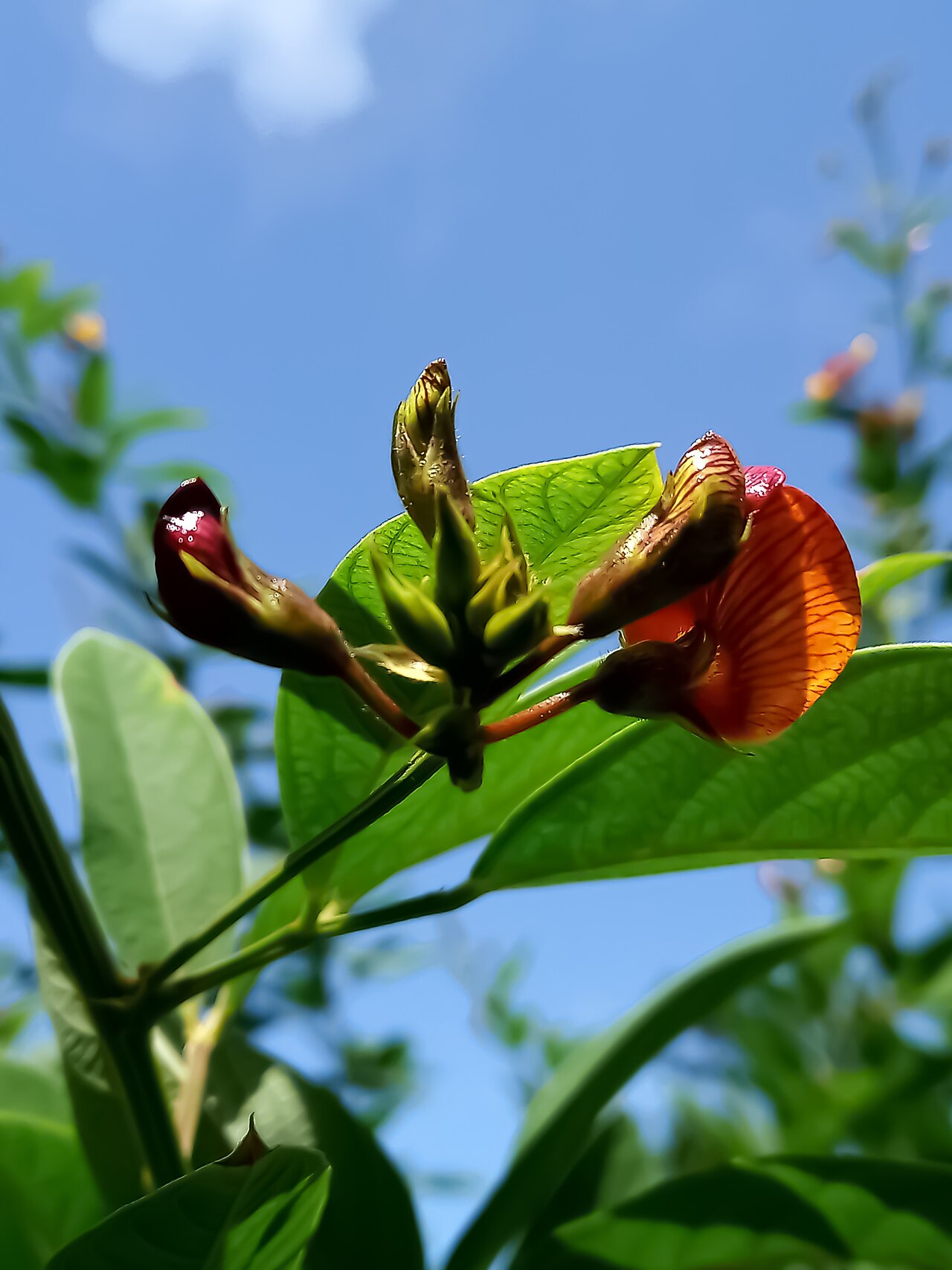
Pigeon pea, also called gandules, toor, red gram, or Congo pea, is an erect, woody, short-lived perennial legume, 3–10 feet tall, grown for fresh shell peas and dry pulses. In Florida, UF/IFAS Extension advises planting in late spring (May) and harvesting in late fall (October–November); most varieties are day-length sensitive, growing vegetatively through long summer days and flowering as days shorten in fall. Sow seed 1.5 inches deep in warm soil above 60°F, thinning to 12–18 inches for small varieties or several feet for large ones, in rows 3–4 feet apart. Deep taproots let pigeon pea survive drought and poor soil, and it fixes nitrogen generously — it is as much a soil-building shrub as a food crop. Some types are killed by frost; in zones 9–11 plants live 2–5 years, pruned back after harvest.
Water & feeding
Water to establish, then water moderately; pigeon pea is drought-tolerant and hates waterlogging. It generally needs little fertilizer, though it responds to sulfur on sulfur-poor soils. Inoculate seed with the appropriate Rhizobium if legumes have never grown on the site.
Common problems
- Frost — kills most types; grow as an annual north of zone 9 or protect plants.
- Pod-boring caterpillars — shake larvae onto a sheet and remove; encourage birds and beneficial insects.
- Leaf spot and mildew in humid weather — space for airflow and prune for light.
- Wind — tall shrubs tip easily; stake or plant in sheltered spots.
Harvest
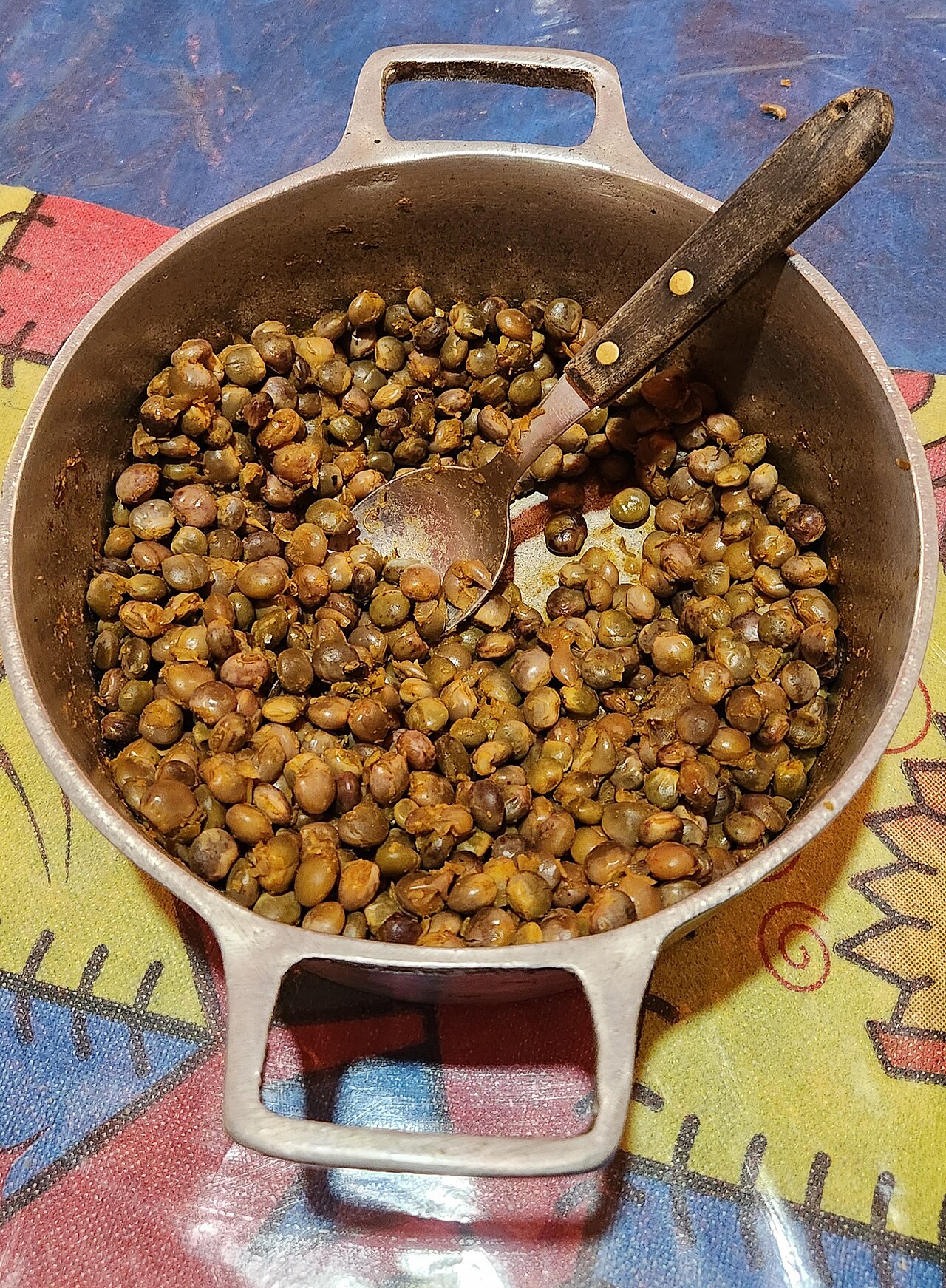
Pick green pods slightly on the green side and shell for fresh peas — steam and eat like edamame, or cook into rice and peas, the classic Caribbean dish. For dry peas, let pods brown on the plant, sun-dry 4–6 days, thresh, and store fully dry. Dried peas need soaking overnight and 2–3 hours of cooking until soft. Prune plants back after harvest to encourage regrowth and more branch tips for the next crop.
Browse all plant & pest guides
Saving seeds
Pigeon pea seed is as straightforward as legume seed gets, with one rule that matters: do not plant it until the soil is properly warm. Let the pods dry fully on the plant until they are brown and rattling — that is the seed telling you it is done — and pick them on a dry day, because pods harvested damp in Florida humidity mold fast. Shell the seed over a tray and spread it on a plate in a dry, airy spot for a week or two until it is hard enough that your thumbnail cannot dent it. Toss any seed with holes, which is weevil work, and freeze the good seed for three days before storing, which kills any weevil eggs hiding inside.
Sow direct where the plant will grow, after the soil has warmed to at least 65°F and all frost danger has passed — pigeon pea seedlings are killed by temperatures below 40°F, so there is no point in rushing. A 12- to 24-hour soak in room-temperature water softens the hard seed coat and speeds emergence, but never use hot water, which damages the embryo. Sow 1 to 2 inches deep in well-draining soil, and expect germination in 7 to 14 days in warm soil. Direct-sow rather than transplant: the taproot runs down within two days of germination and is easily damaged by moving. Space plants 2 to 4 feet apart — a pigeon pea grows into a small shrub, not a bean vine, and it needs room.
Save seed only from healthy plants, and from pods that dried cleanly on the plant. Pigeon pea is mostly self-pollinating, so seed usually stays true, though insects do cross-pollinate sometimes — if you grow two varieties and want them pure, separate them or bag a few flowers. Dry pods give you dry peas for storage and next year’s seed; pick plump green pods for eating fresh. In Florida, pigeon pea is a perennial shrub in the warmest zones and an annual elsewhere, so in North Florida treat it as a warm-season annual and save plenty of seed each fall.
Store dry seed in a sealed jar in a cool, dry place; in Florida humidity, a jar with a silica packet beats a paper envelope on a shelf. Seed keeps for a few years under good conditions, but test a few on a wet paper towel before you trust an old jar with a whole bed. Pigeon pea also fixes nitrogen, so the plant you save seed from is feeding the soil for whatever follows it.
Varieties
Every named variety of Pigeon Pea with its own growing guide:
- Asha Pigeon Pea — The famous Indian pigeon pea — ICPL 87119, wilt-resistant, high-yielding, and the genome-sequenced standard.
- Prabhat Pigeon Pea — The extra-early pigeon pea — a short-season type for gardens that cannot wait for Asha.
- UPAS 120 Pigeon Pea — The extra-early pigeon pea: done in about 120 days, semi-spreading, and the short-season answer for gardens that cannot wait.
- Maruti Pigeon Pea — The wilt-fighting workhorse: medium-duration, high-yielding, and bred to stand where fusarium wilt flattens lesser peas.
- Bahar Pigeon Pea — The long-season giant: tall, spreading, and heavy-yielding — a 250-day commitment that pays off in a mountain of dal.