
🫘 UPAS 120 Pigeon Pea
What it looks like
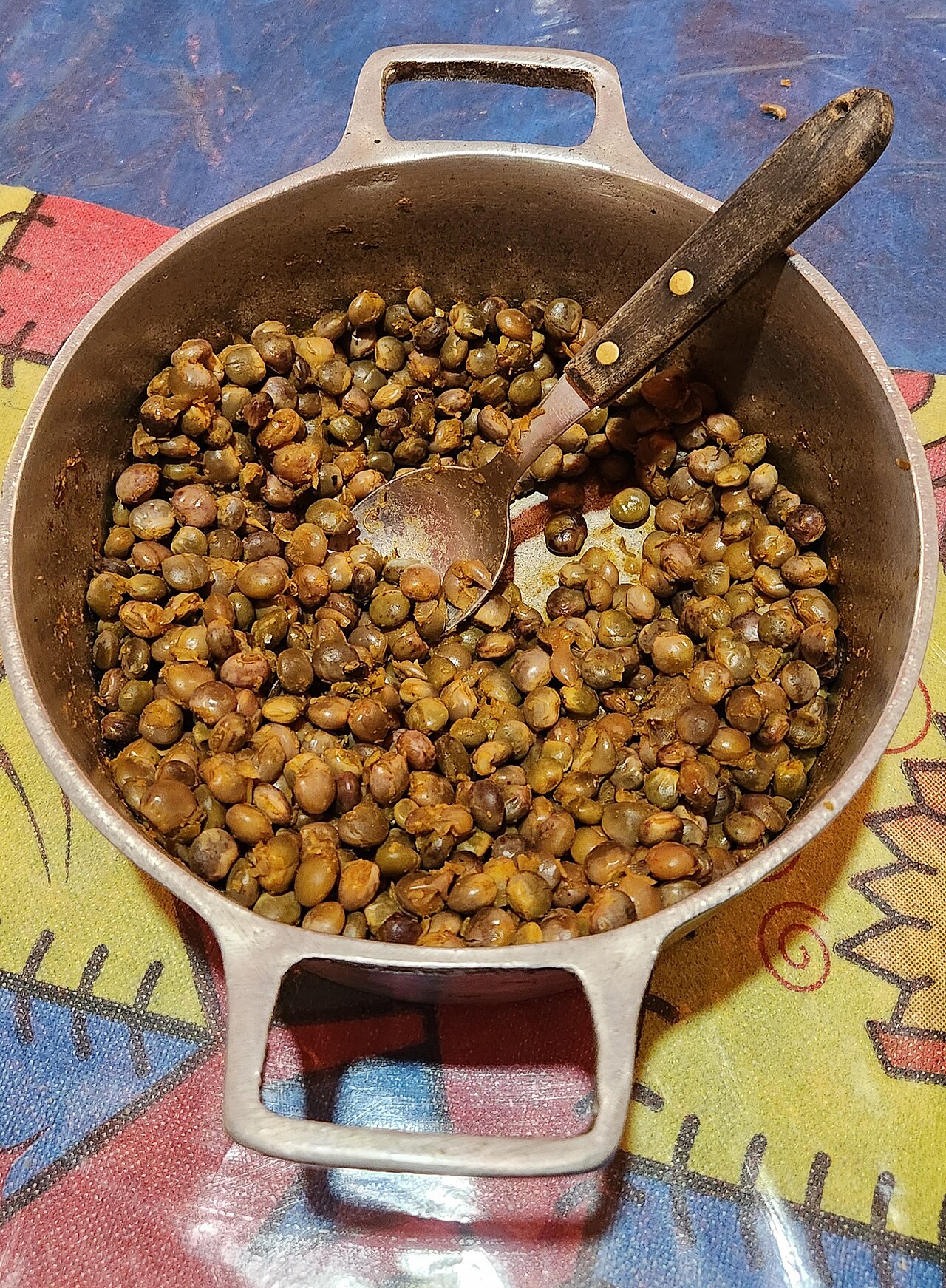
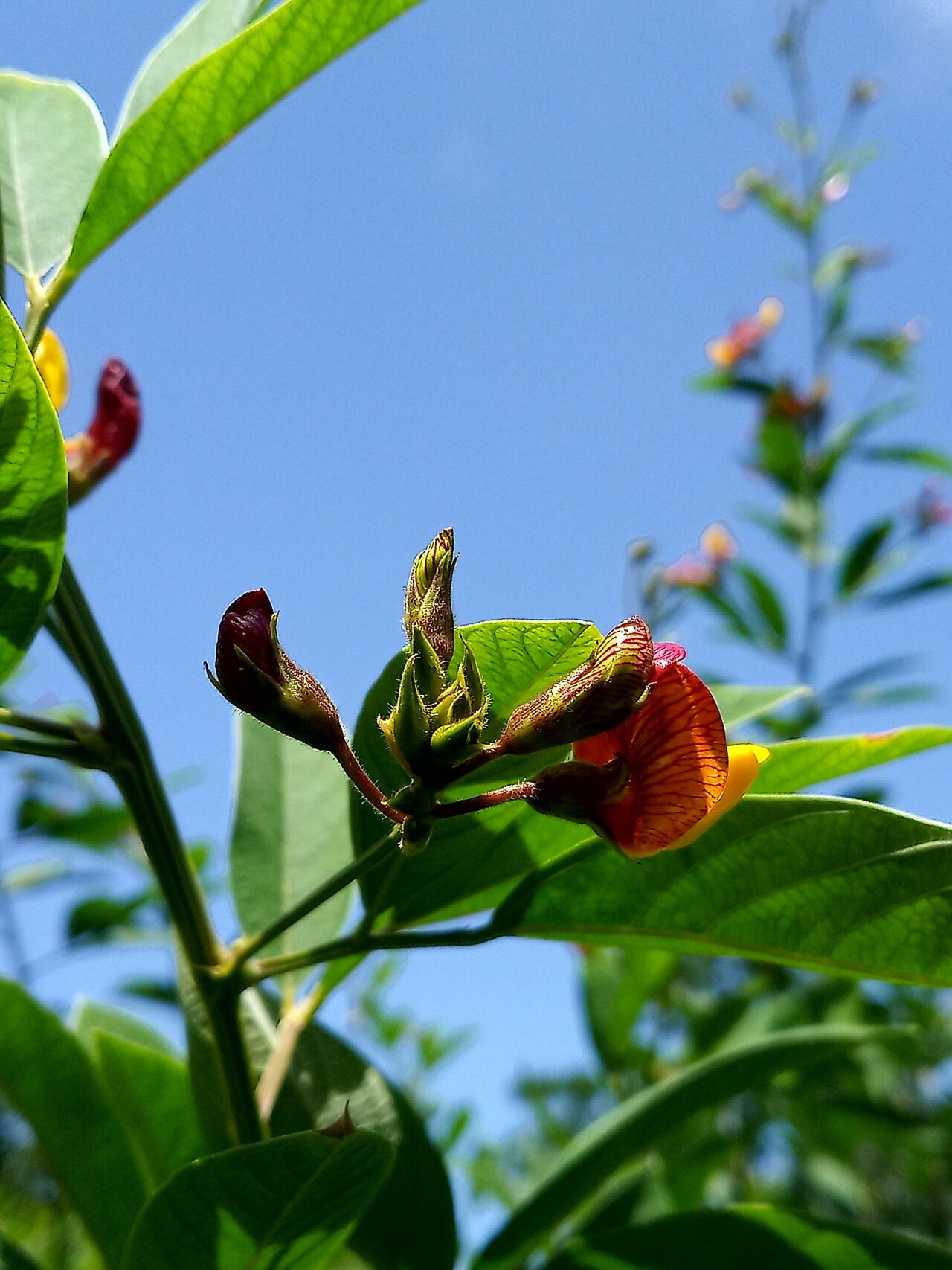
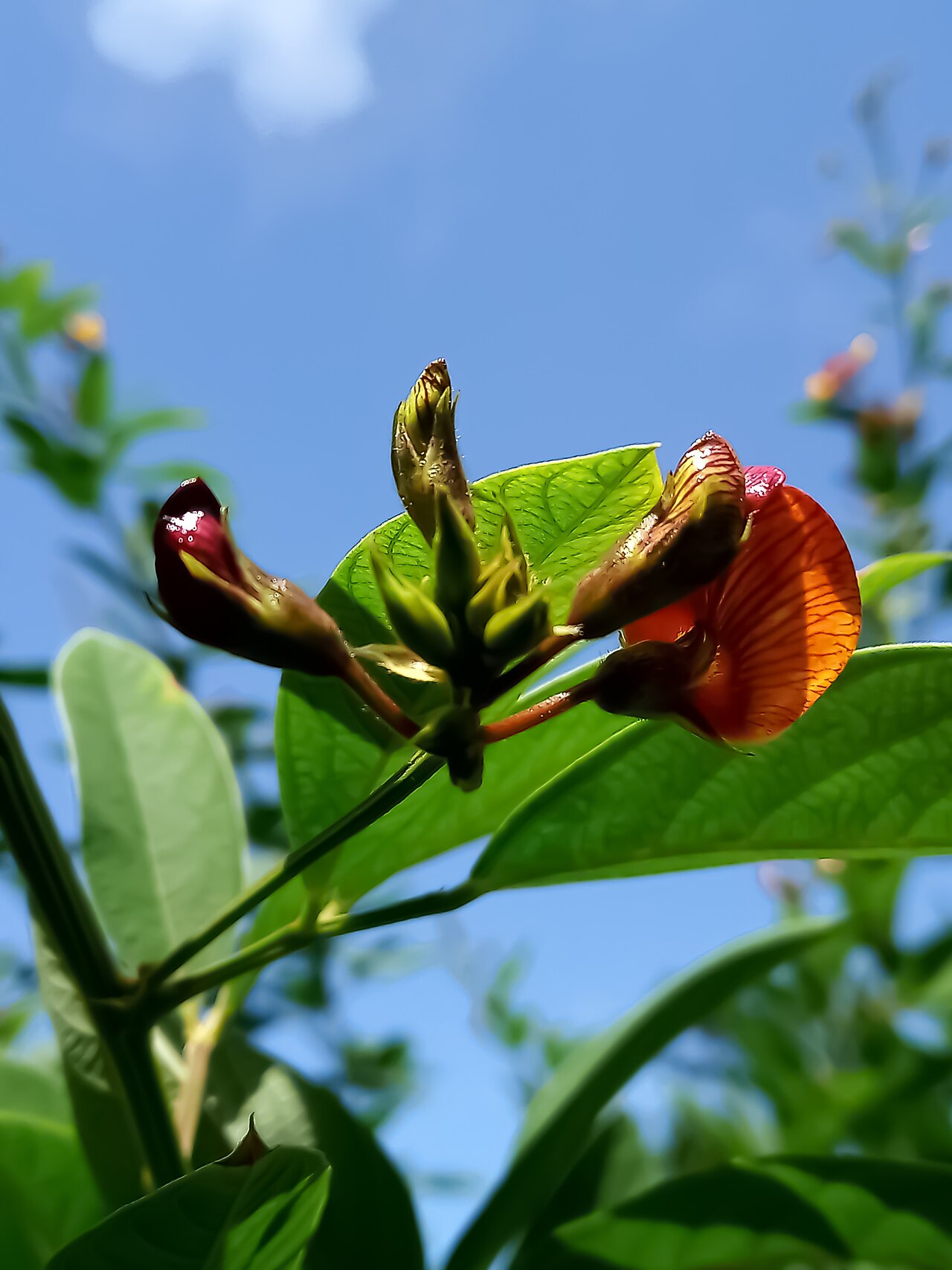
Why this variety
UPAS 120 is the pigeon pea for impatient gardeners: an extra-early selection, developed at Pantnagar, that matures in about 120–125 days — weeks ahead of traditional types — on medium-tall, semi-spreading plants with small, light-brown seeds. Its earliness is not just convenience: it escapes frost that catches long-duration types, and it fits a double-cropping slot where a 250-day pea never could.
The honest trade-off is disease: UPAS 120 is susceptible to sterility mosaic disease, so give it airflow, rotation, and clean seed, and do not plant it where pigeon peas just struggled. In Florida’s long season it is a spring-planted, fall-harvested shrub that doubles as a nitrogen-fixing soil builder while it feeds you.
How to grow
Sow seed 1.5 inches deep in warm soil above 60°F. In Florida, plant in late spring (May) and harvest in late fall (October–November); most types are day-length sensitive, growing vegetatively through long summer days and flowering as days shorten in fall. Deep taproots let pigeon pea survive drought and poor soil, and it fixes nitrogen generously — it is as much a soil-building shrub as a food crop. Inoculate seed with the appropriate Rhizobium if legumes have never grown on the site.
Water & feeding
Water to establish, then water moderately; pigeon pea is drought-tolerant and hates waterlogging. It generally needs little fertilizer, though it responds to sulfur on sulfur-poor soils. On sandy Florida soil, a compost mulch does more good than any fertilizer bag.
Common problems
- Frost — kills most types; grow as an annual north of zone 9 or protect plants.
- Pod-boring caterpillars — shake larvae onto a sheet and remove; encourage birds and beneficial insects.
- Leaf spot and mildew in humid weather — space for airflow and prune for light.
- Wind — tall shrubs tip easily; stake or plant in sheltered spots.
Harvest
Pick green pods slightly on the green side and shell for fresh peas, or let pods brown on the plant for dry peas: sun-dry 4–6 days, thresh, and store fully dry. Dried peas need soaking overnight and 2–3 hours of cooking until soft.
For the crop in general, see the Pigeon Pea growing guide. Browse all plant & pest guides.
Saving seeds
UPAS 120 is the pigeon pea for impatient gardeners: an extra-early selection, developed at Pantnagar, that matures in about 120–125 days — weeks ahead of traditional types — on medium-tall, semi-spreading plants with small, light-brown seeds. Its earliness is not just convenience: it escapes frost that catches long-duration types, and it fits a double-cropping slot where a 250-day pea never could. In Florida’s long season it is a spring-planted, fall-harvested shrub that doubles as a nitrogen-fixing soil builder while it feeds you. UPAS 120 is an open-pollinated pure-line selection — the same class as Maruti and Prabhat, the extra-early OP pigeon peas already covered in this project — and no F1 hybrid pigeon pea seed exists in the trade, so seed saved from your own plants comes true to UPAS 120. Let the pods dry fully on the shrub, shell the hard peas, and dry them a little longer before storing; give it airflow and rotation, since UPAS 120 is susceptible to sterility mosaic disease. The full method is in the Saving seeds section of the Pigeon Pea guide.