
🫘 Prabhat Pigeon Pea
What it looks like
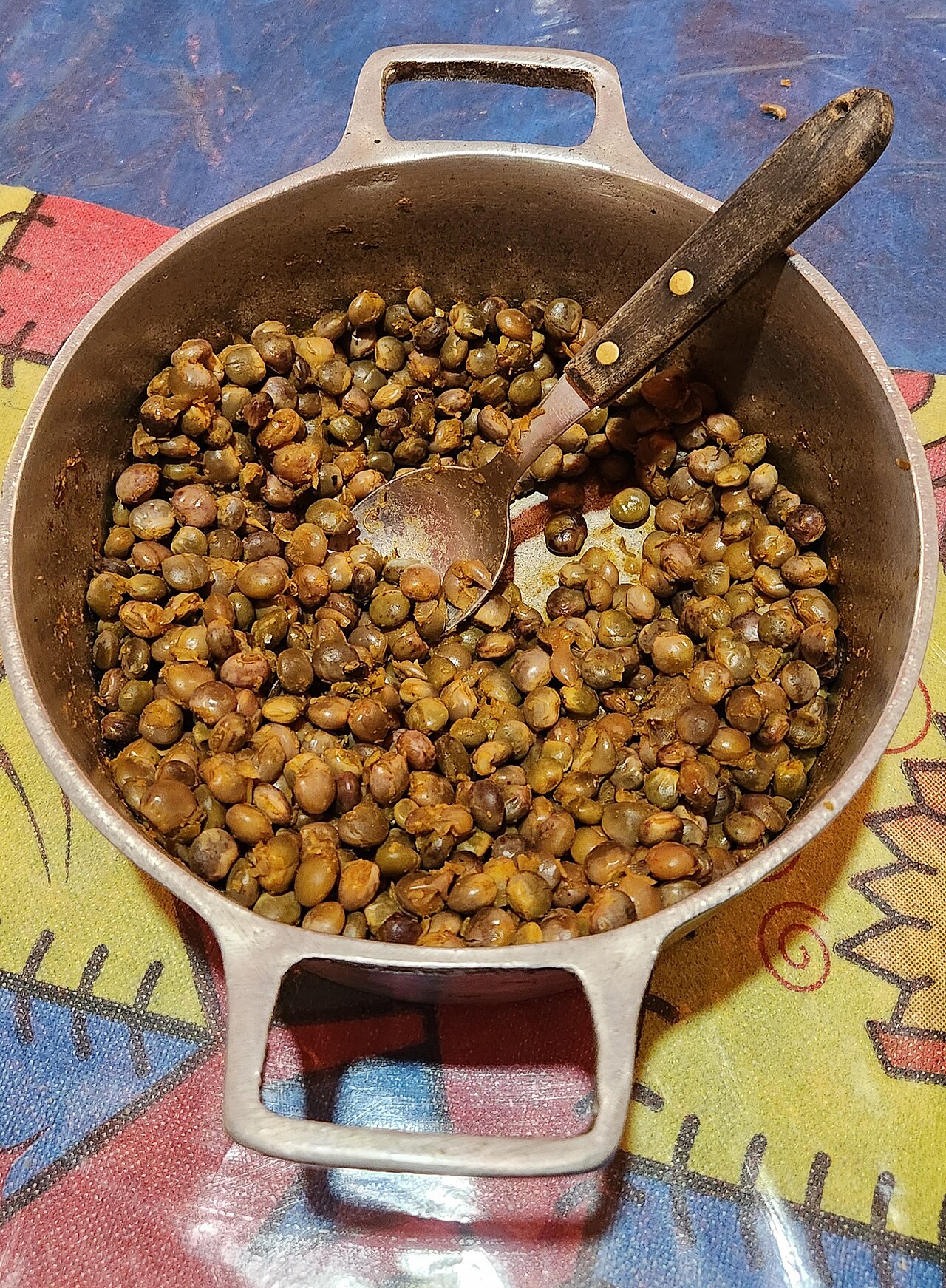
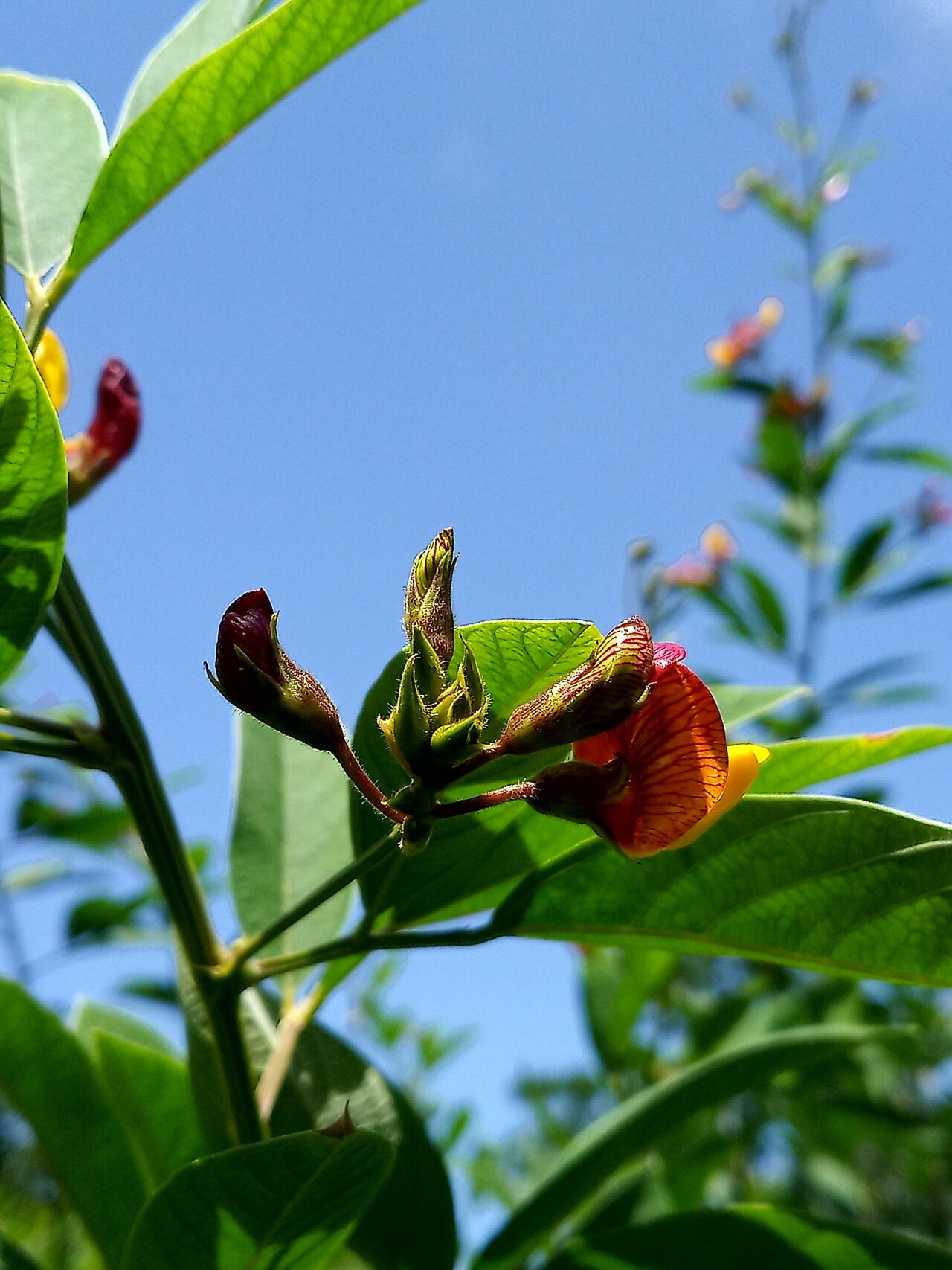
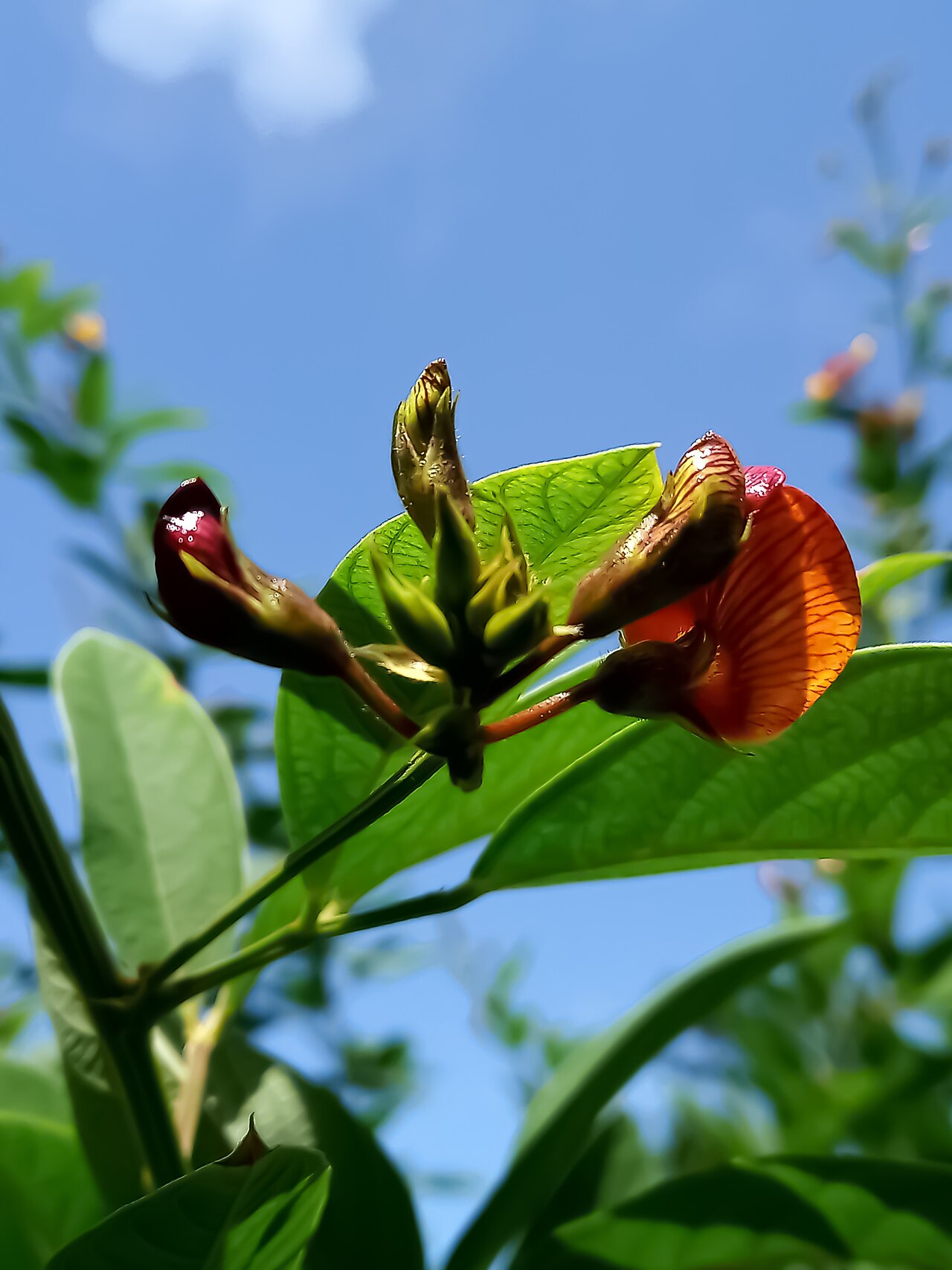
Why this variety
Prabhat is the pigeon pea for gardeners who love the idea of pigeon peas but flinch at Asha’s six-month wait: an extra-early variety, listed in pigeon pea breeding literature among the early-duration types developed for short seasons, maturing in roughly 90 to 120 days rather than 160-plus. Plants are more compact than Asha’s tall shrubs, pods are smaller and earlier, and the whole plant behaves more like an annual vegetable and less like a woody shrub — which makes it the pigeon pea to try first, especially in a garden with frost, a short season, or a gardener who wants to learn the crop before committing a bed to a shrub for a year.
The kitchen payoff is the same as Asha’s, sooner: fresh green peas for gandules-style cooking, and dry peas for dal, from a plant that finishes in a single season with time to spare. Prabhat’s earliness also means it can be succession-sown, or sown after an early crop, in a way Asha cannot, and its compact habit fits a raised bed without the three-to-six-foot spacing a large shrub demands. Grow Prabhat if you want pigeon peas this year, not next year, and grow Asha alongside it if you have room for both — early and late, fresh and dry, is a better pigeon pea strategy than either alone.
If you are new to choosing between cultivars, the Varieties Matter guide explains why the name after the plant matters as much as the plant itself. And if you want the whole clan at a glance, the broader Pigeon Pea guide covers pigeon peas generally.
How to grow
Pigeon pea in Florida is a shrub that thinks it is a garden plant, and it is one of the best perennial foods you can grow in the warmer parts of the state: sow in spring, give it room — three to six feet for large types — and let it grow into a woody, drought-tough bush that gives fresh peas, dry dal, and nitrogen for the whole bed. It loves heat, tolerates poor sandy soil, and keeps producing through summer when annual vegetables have surrendered, and in frost-free gardens it can live several years, getting woodier and more productive. The catch is time: pigeon peas take months to first harvest, so sow early, be patient, and plant something quick alongside them for dinner in the meantime. Once they start, though, a single shrub can feed a family for a season.
Sow in spring in warm soil, seeds an inch deep and 2 to 3 feet apart for compact plants, in full sun and well-drained soil, tolerating the same wide pH range as other pigeon peas. Water steadily while establishing and flowering, about an inch a week while pods fill, and expect green peas in about three months and dry peas in three to four, depending on weather. In Florida, Prabhat can be sown in spring for a summer harvest, or in late summer for fall, and its shorter season means it is less exposed to late-season storms than a long-duration shrub. Stake if wind threatens, though compact plants rarely need it.
Water & feeding
Pigeon peas are famously drought-tolerant once established, which is not the same as drought-loving: give young plants steady water until they are woody and rooted, then about an inch a week while they flower and fill pods, because dry plants drop blossoms. Work worm castings into the planting hole, mulch thickly, and go easy on nitrogen fertilizer, because pigeon peas fix their own nitrogen in abundance. Water at soil level, and once pods start drying for the dry harvest, ease off, because wet pods at maturity invite mold.
Common problems
Pod borers and pod flies are the main pests, as with all pigeon peas; check pods and remove damaged ones. Fusarium wilt can affect susceptible types, so rotate and avoid planting pigeon peas where pigeon peas recently grew. Drought during flowering drops blossoms, so keep water steady while pods fill, even though established plants tolerate dry spells. Aphids may visit young growth; wash them off. Prabhat’s shorter season is itself a defense: it often finishes before the worst late-season pest pressure arrives.
Harvest
Pick green peas when pods are plump and green, shell fresh, and cook as gandules, or let pods dry on the plant for dry dal peas, threshing and storing airtight and cool. Freeze blanched green peas for later. Save seed from healthy plants; Prabhat is largely self-pollinating, though insects can cross varieties, so separate it from other pigeon peas if seed purity matters.
Nerdy fact: Prabhat’s name means dawn in Hindi, which is fitting for an extra-early variety: it is the pigeon pea that arrives first, while other types are still growing, and in a garden, as in a day, the early arrival sets the tone for everything that follows.
Saving seeds
Prabhat is the pigeon pea for gardeners who love the idea of pigeon peas but flinch at Asha’s six-month wait: an extra-early variety, listed in pigeon pea breeding literature among the early-duration types developed for short seasons, maturing in roughly 90 to 120 days rather than 160-plus. Plants are more compact than Asha’s tall shrubs, pods are smaller and earlier, and the whole plant behaves more like an annual vegetable and less like a woody shrub — which makes it the pigeon pea to try first. As an open-pollinated pigeon pea variety it comes true from seed: sow in spring, give it room — three to six feet for large types — and let it grow into a woody, drought-tough bush that gives fresh peas, dry dal, and nitrogen for the whole bed. The full method is in the Saving seeds section of the Pigeon Pea guide.