
🔥 Mesa Red Blanket Flower
What it looks like
Why this variety
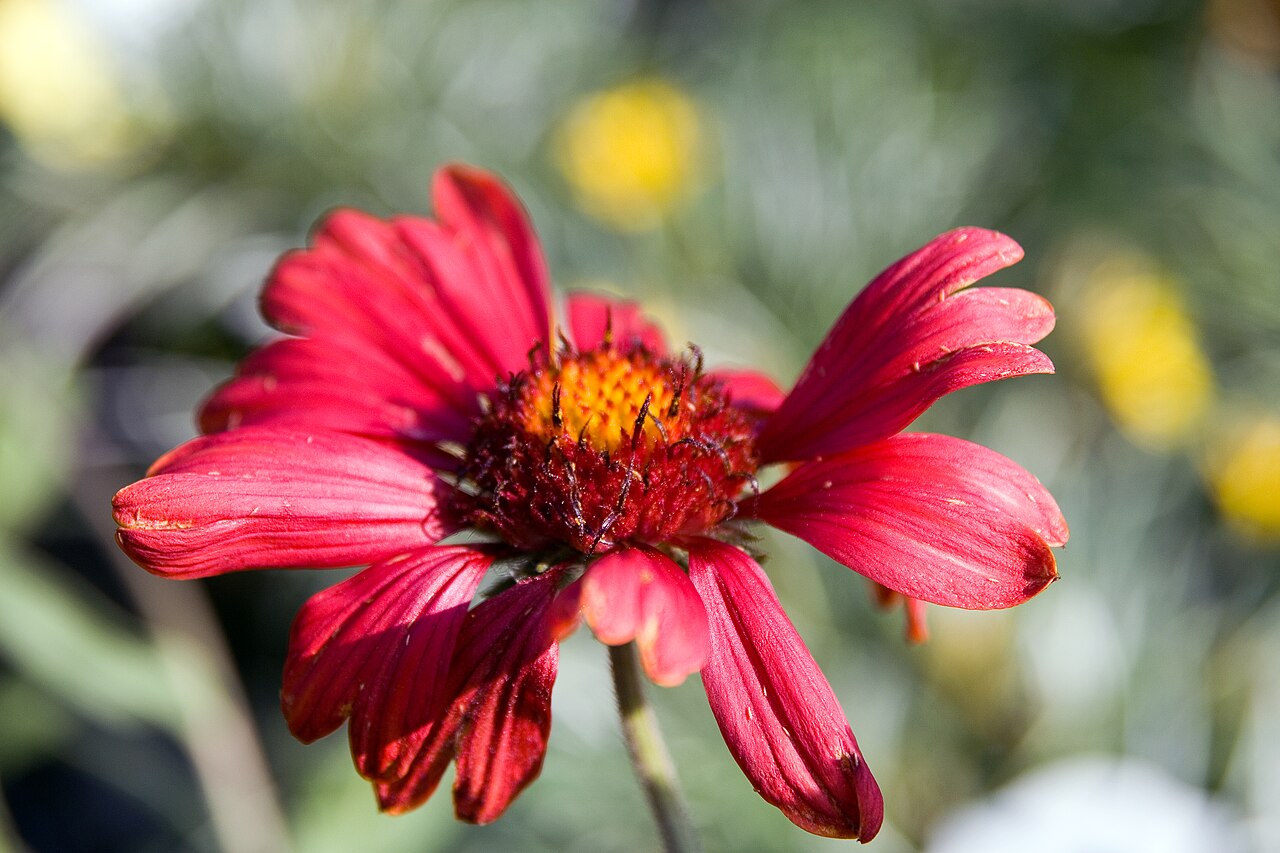
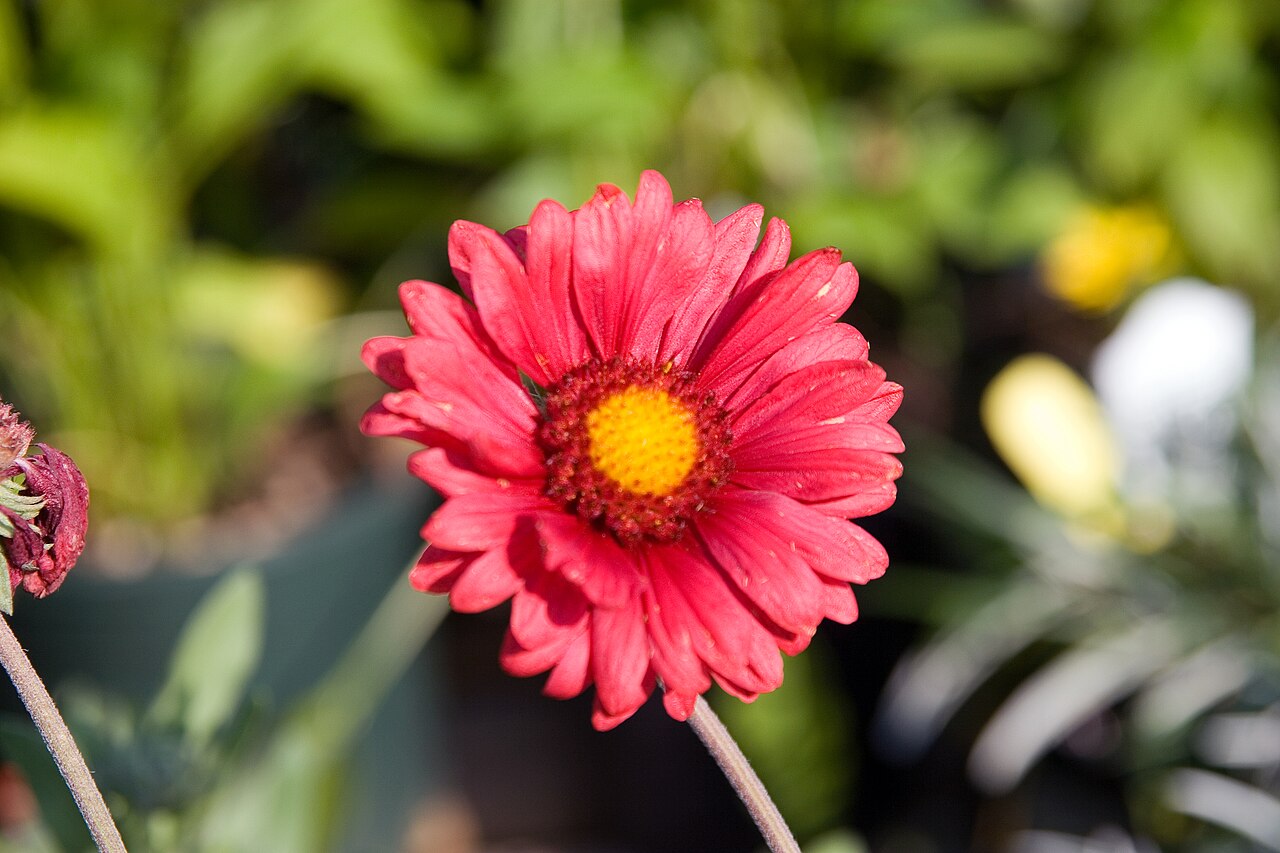
The Mesa series was bred to fix gaillardia’s one bad habit — ragged, uneven bloom — and ‘Mesa Red’ is the payoff: uniform, solid scarlet-red flowers on a compact, well-branched plant, weeks earlier than older types and steady all season. Where ‘Arizona Sun’ gives you a two-tone sunset and ‘Goblin’ gives you a classic bicolor, Mesa Red gives you one confident color, which makes it the easiest blanket flower to design with: a drift of solid red reads from the street, and it never clashes with itself.
How to grow
Plant in spring in full sun and well-drained soil; Mesa Red’s compact habit (about 18 inches) suits the front of a border, a container, or a hot strip by a driveway where nothing else survives. It tolerates heat, drought, poor soil, and salt, which makes it a favorite for coastal gardens. Deadhead lightly — Mesa types rebloom fast — and do not overfeed, or the compact habit goes leggy.
Florida soil is the plot twist: sugar sand drains fast, holds almost no nutrients (low cation exchange capacity), and dries to dust between summer storms. Work in compost or worm castings before planting — castings hold water and nutrients in the root zone without burning roots, and they feed the microbes that make those nutrients plant-available. Mulch thickly; bare sand is a weed invitation and a moisture leak.
Water & feeding
Water to establish, then back off; mature plants are very drought-tolerant. Overwatering in heavy soil causes crown rot, the main killer, so in Florida’s rainy season a raised or sandy bed is worth more than any watering schedule. Feed once in spring with compost if you must; usually nothing is needed.
Common problems
- Crown rot in wet soil — drainage first, water second.
- Short lifespan (2–3 years typical) — let it self-seed for a permanent patch.
- Aphids and leafhoppers — minor; water blast handles most visits.
- Fading color in extreme heat — Mesa Red holds its red better than most, but afternoon shade helps in the Deep South.
Harvest
Deadhead for continuous bloom or cut stems for bouquets — solid red gaillardias are the exclamation point in a summer arrangement. Leave a few heads to seed for next year’s drift.
Browse all plant & pest guides
Saving seeds
The Mesa series was bred to fix gaillardia’s one bad habit — ragged, uneven bloom — and Mesa Red is the payoff: uniform, solid scarlet-red flowers on a compact, well-branched plant, weeks earlier than older types and steady all season. The Mesa series is an F1 hybrid, seed-propagated series (UW-Madison Extension), so it does not come true from seed: saved seed would give you variable plants, not another Mesa Red. Plant in spring in full sun and well-drained soil; Mesa Red’s compact habit (about 18 inches) suits the front of a border, a container, or a hot strip by a driveway. The full method is in the Saving seeds section of the Blanket Flower guide.