
🔥 Blanket Flower
What it looks like
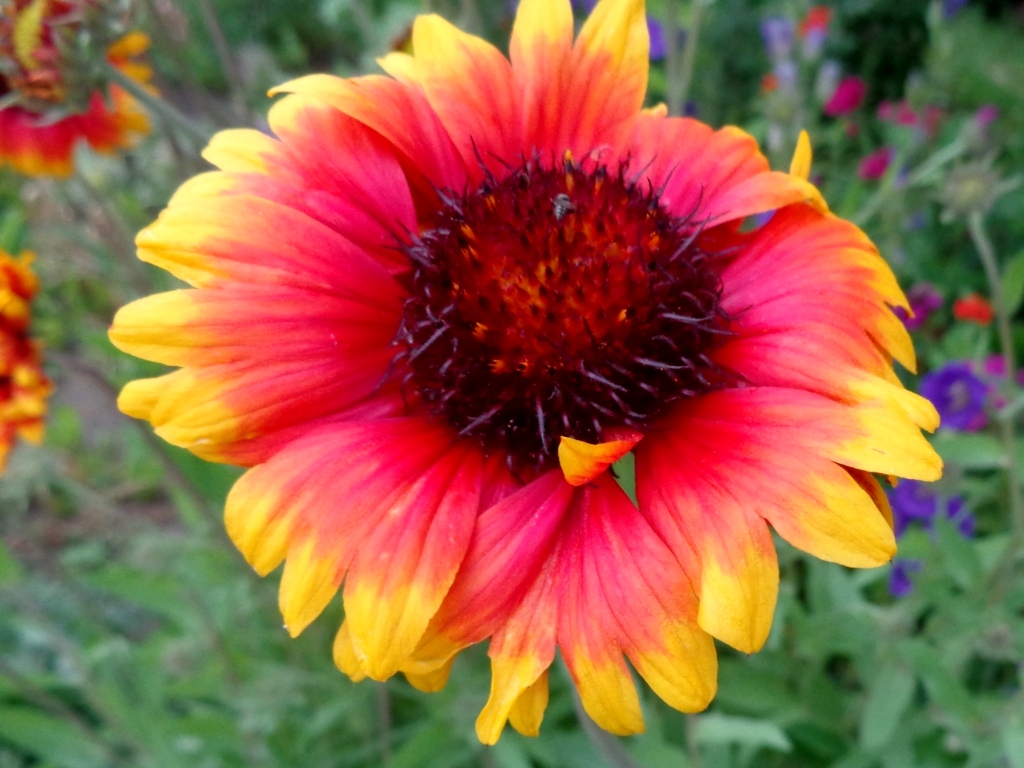
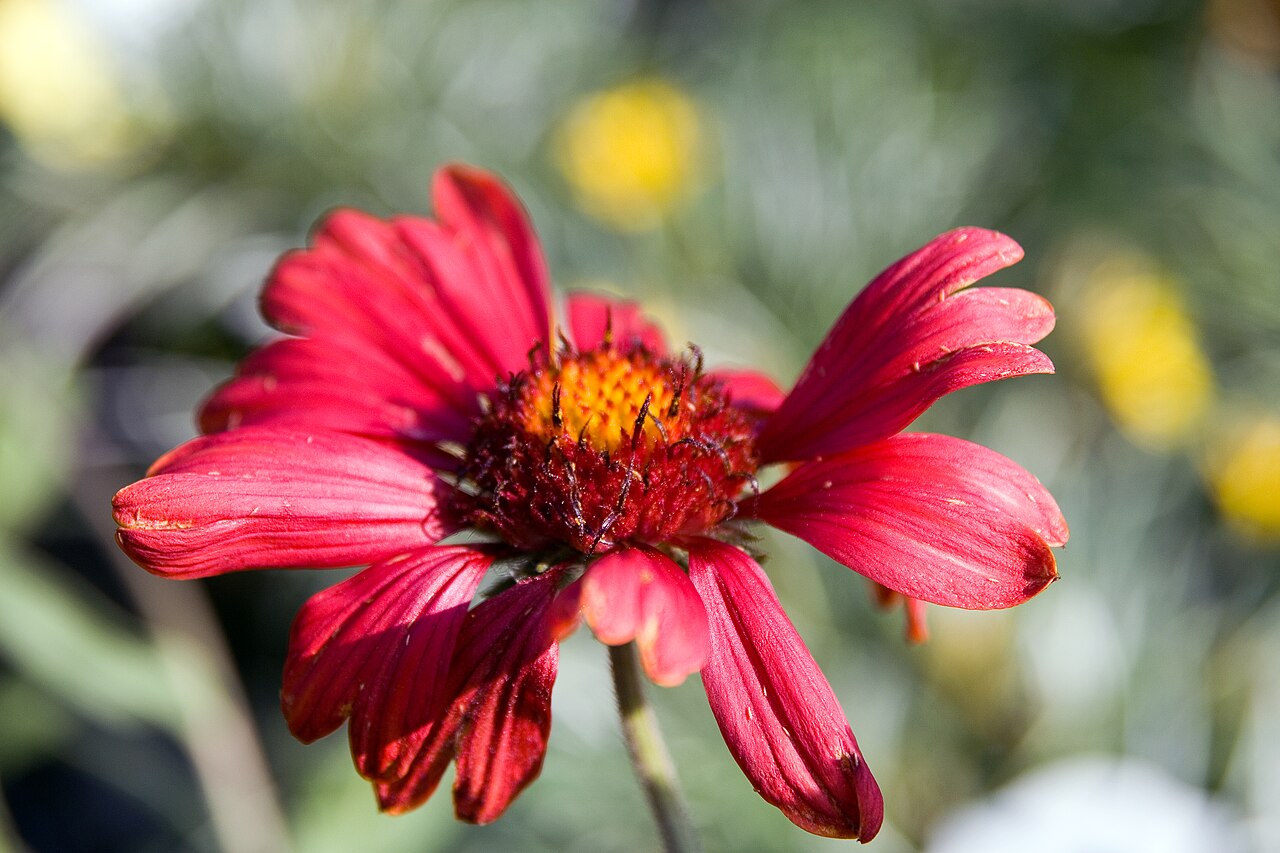
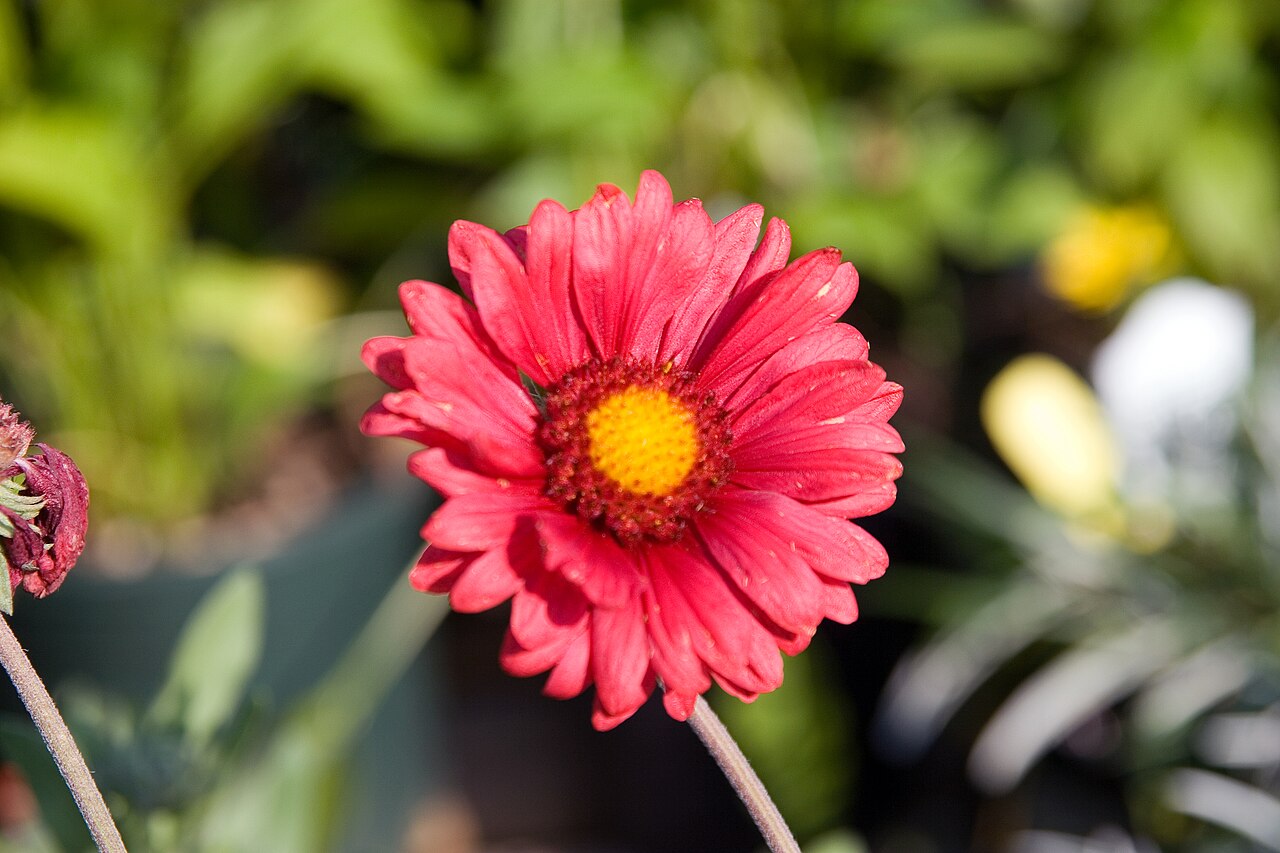
How to grow
Plant in spring in full sun and well-drained soil — blanket flower is a short-lived perennial (often 2–3 years) that blooms so hard and so long that nobody minds replanting it. It tolerates heat, drought, poor soil, and salt, which makes it a favorite for hot, dry borders and coastal gardens. ‘Arizona Sun’ and ‘Goblin’ are compact, heavy-blooming cultivars. Deadhead for continuous bloom, and don’t overfeed — rich soil makes it floppy and short-lived.
Water & feeding
Water to establish; mature plants are very drought-tolerant. Overwatering in heavy soil causes crown rot, the main killer.
Common problems
- Short lifespan — allow self-seeding or replant every few years
- Crown rot in wet, poorly drained soil
- Aphids and leafhoppers (usually minor)
- Burgundy Blanket Flower — The wine-dark blanket flower: deep burgundy-red daisies that make the usual sunset colors look like they are trying too hard.
- Mesa Red Blanket Flower — The solid-red workhorse: uniform scarlet daisies on a compact plant that blooms early and does not quit.
- Arizona Apricot Blanket Flower — The soft sunset: apricot-peach daisies on a tidy dwarf plant, the blanket flower for gardeners who whisper instead of shout.
Harvest
Deadhead regularly for nonstop bloom, or leave some seed heads for birds and self-sowing. Cut back in spring; in mild climates it may stay semi-evergreen.
Browse all plant & pest guides
Saving seeds
Blanket flower (Gaillardia) is one of the easiest seed-saving wins in the garden, which is fitting for a plant that already reseeds itself with cheerful abandon. The whole trick is restraint: you have to stop deadheading. Deadheading keeps the blooms coming all season, but a deadheaded flower makes no seed. So deadhead most of the plant for color, and sacrifice a few of your best heads — the ones with the color and form you actually want more of — letting them stay on the plant until the petals fall and the center turns brown and dry.
When the head is fully dry and the little seeds in the center come loose with a pinch, cut the stalk just below the head and drop it straight into a paper bag. Do this on a dry day, after the morning dew has burned off; wet seed heads mold in the bag, and Florida humidity forgives nothing. Indoors, crush the heads gently in the bag and shake out the chaff. What you are after are the small, dark, slightly hairy seeds — botanically achenes, one seed per little fruit — tucked into that fuzzy center. Spread them in a thin layer on a plate or paper towel for a week or two until they are thoroughly dry, then store them in a labeled paper envelope or jar: variety name and year collected, because next spring every brown seed looks identical and your memory will lie to you.
Sow them where they will get light. Blanket flower seed germinates best on or barely under the soil surface — bury it deep and it sulks. Start indoors a few weeks before your last frost or sow directly once the soil warms, press the seed into moist mix, and keep it damp, not soggy, until sprouts appear. Expect the plants to bloom in their first year from an early start, and expect volunteers wherever last year’s heads shattered — free plants, with the caveat below.
That caveat is the genetics. Open-pollinated and heirloom blanket flowers grow true when they are not crossing with their neighbors, but Gaillardia species and varieties cross readily, and a garden full of different blanket flowers produces mixed-parentage seed. Saved seed from a mixed bed is a lucky dip: gorgeous, but not a repeat performance. Seeds from named F1 hybrid varieties will not grow true at all — the children scatter back toward their parents’ traits. If you want an exact repeat of a favorite variety, buy fresh seed of that variety or divide the plant. If you like surprises, save away. Stored cool, dry, and dark, blanket flower seed generally stays viable for two to three years, and some gardeners report longer from refrigerated seed — but germination fades with age, so sow your oldest seed first and sow a little thick.
Florida note: dry seed thoroughly before it goes into any container, and once it is dry, store it airtight with a desiccant packet in a cool, dark place. A paper envelope on a humid porch is a mold farm; a sealed jar in the fridge is a seed bank. Florida’s long season also means you can let a late flush go to seed and still have time for volunteers to establish before winter.
Varieties
Every named variety of Blanket Flower with its own growing guide:
- Arizona Sun Blanket Flower — The award-winning dwarf blanket flower: 2005 All-America Selections winner, 10 to 12 inches of mahogany-red daisies tipped in golden yellow.
- Goblin Blanket Flower — The hardy dwarf: a very hardy, compact blanket flower with large flowers and green leaves veined in maroon — the old reliable goblin of the border.
- Mesa Yellow Blanket Flower — The pure-yellow early bird: 2010 All-America Selections winner, sunfast yellow daisies 2 to 3 weeks earlier than most gaillardias.