
🔥 Arizona Apricot Blanket Flower
What it looks like
Why this variety
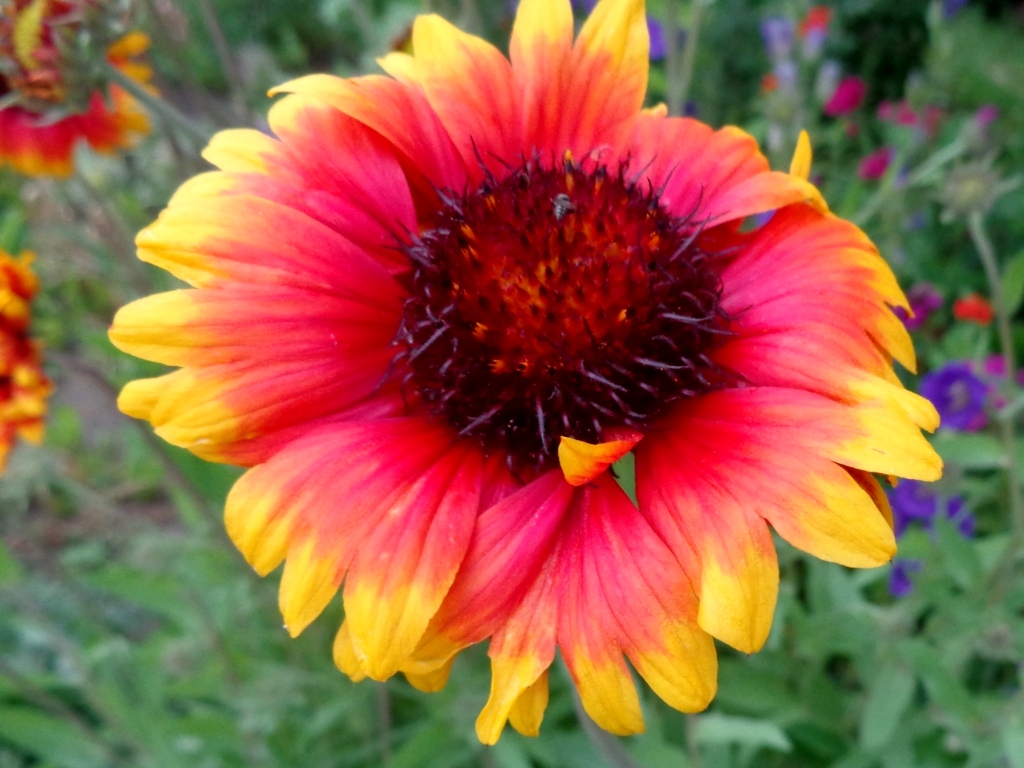
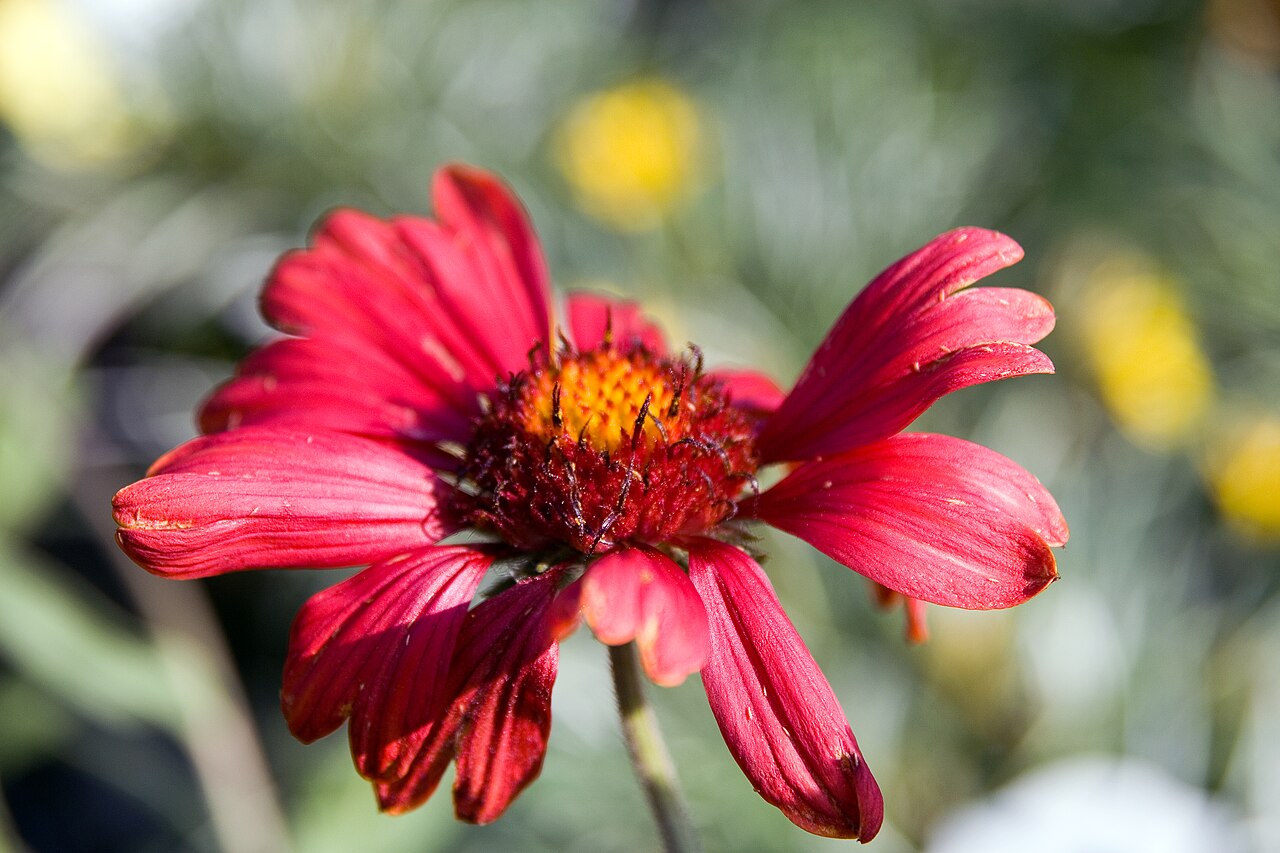
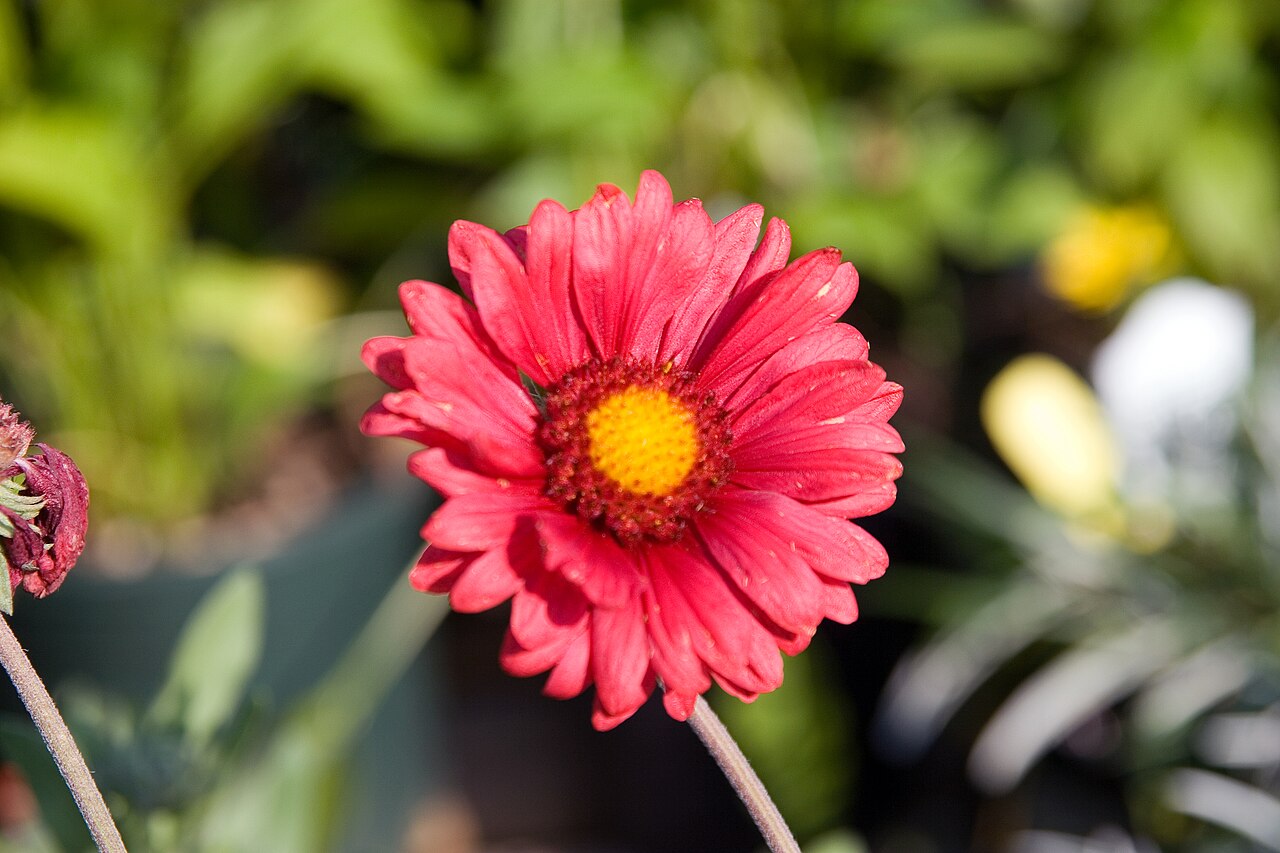
‘Arizona Apricot’ is the Arizona series’ gentle side: soft apricot-peach petals shading to gold, on a compact 10–12 inch plant that fits pots, edges, and the front of a border. It is the blanket flower you plant next to pastels — pink pentas, white vinca, silver dusty miller — where a scarlet gaillardia would start an argument. Same gaillardia toughness underneath, though: heat, drought, poor soil, and salt all bounce off it, and it blooms from spring into fall if you deadhead.
How to grow
Plant in spring in full sun and well-drained soil; its dwarf size makes it a natural container plant, and containers solve Florida’s drainage problem automatically if they have holes. Space 10–12 inches apart for a solid edge. Do not pamper it with rich soil or heavy fertilizer — lean soil gives sturdier plants and more flowers, and overfed gaillardias flop.
Florida soil is the plot twist: sugar sand drains fast, holds almost no nutrients (low cation exchange capacity), and dries to dust between summer storms. Work in compost or worm castings before planting — castings hold water and nutrients in the root zone without burning roots, and they feed the microbes that make those nutrients plant-available. Mulch thickly; bare sand is a weed invitation and a moisture leak.
Water & feeding
Water to establish; mature plants are very drought-tolerant. In pots, water when the top inch dries — containers dry faster than beds, especially in summer. Overwatering in heavy soil causes crown rot; when in doubt, water less and drain more.
Common problems
- Crown rot in wet, poorly drained soil — the main killer; sharp drainage is non-negotiable.
- Short lifespan — allow self-seeding or replant every few years.
- Aphids and leafhoppers — usually minor; a water blast is enough.
- Legginess in rich soil or shade — full sun and lean soil keep it compact.
Harvest
Deadhead regularly for nonstop bloom; cut stems for small bouquets where apricot is the color nothing else in the summer garden quite manages. Leave some heads for birds and self-sowing.
Browse all plant & pest guides
Saving seeds
Arizona Apricot is a bred selection, and this variety’s seed behaviour isn’t pinned down in the guide — follow the Saving seeds section of the Blanket Flower guide for the method.