
🔥 Burgundy Blanket Flower
What it looks like
Why this variety
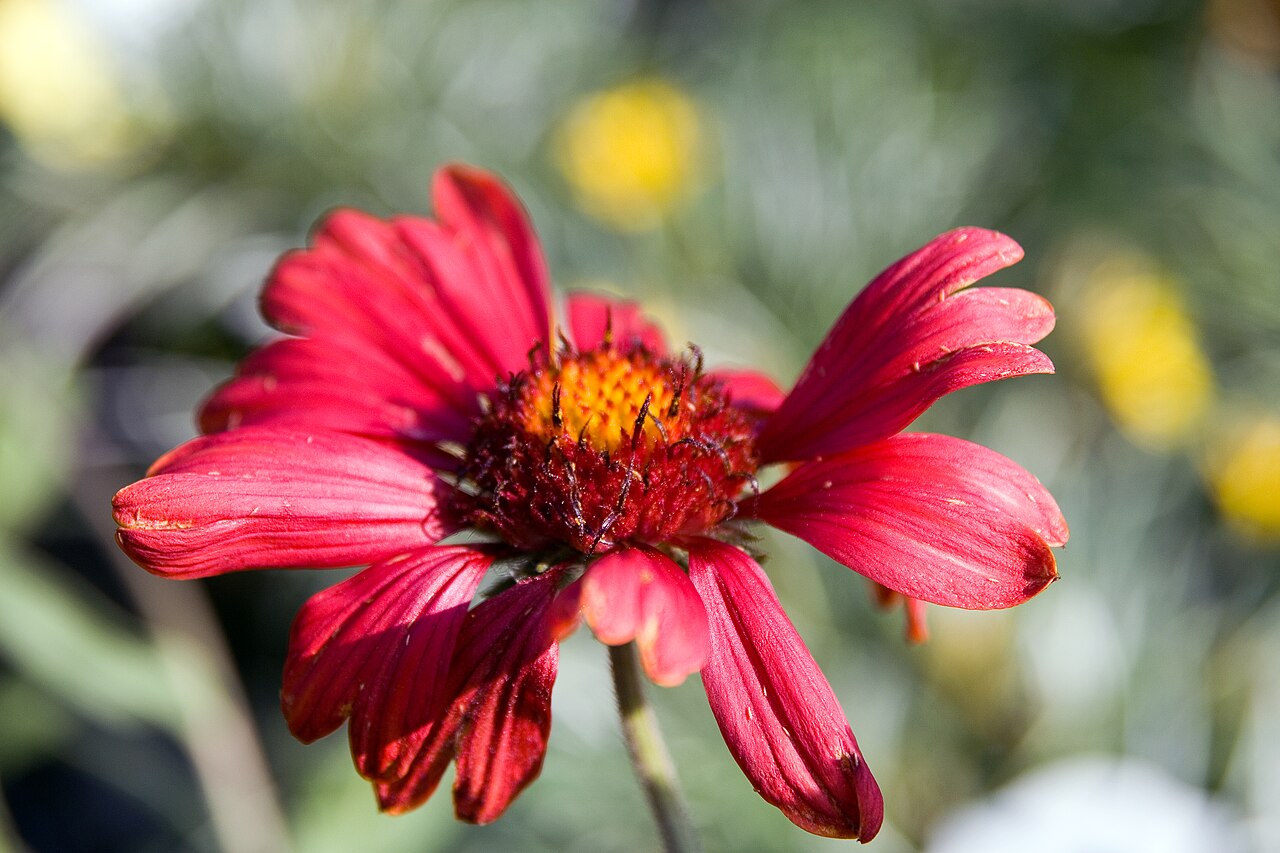
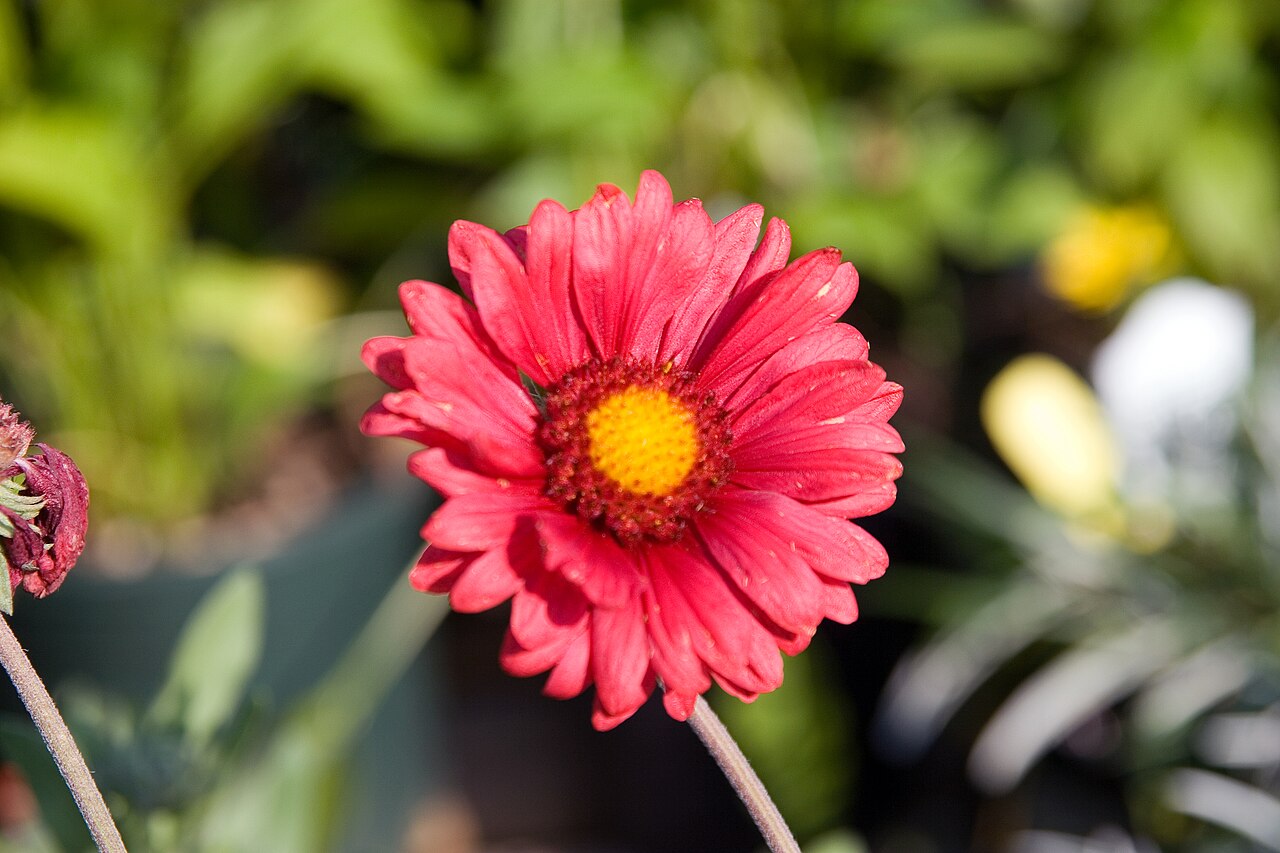
‘Burgundy’ drops the yellow entirely and goes full cabernet: rich wine-red petals around a dark center, on the same heat-loving, drought-tough frame as every gaillardia. It is the blanket flower for gardeners who find the classic red-and-yellow a bit loud for their palette — pair it with silver foliage or pale yellow coreopsis and it looks expensive. And it blooms like it means it: gaillardias flower so hard and so long that their short lifespan (often 2–3 years) feels like a fair trade rather than a flaw.
How to grow
Plant in spring in full sun and the sharpest drainage you can manage — raised beds, sandy soil, or a slope all suit it, and heavy wet soil is the one thing that kills it. Do not overfeed: rich soil makes gaillardia floppy and short-lived, so a lean bed with a little compost is ideal. Deadhead for continuous bloom, and let a few heads seed; volunteers keep the patch going after the parent plants fade.
Florida soil is the plot twist: sugar sand drains fast, holds almost no nutrients (low cation exchange capacity), and dries to dust between summer storms. Work in compost or worm castings before planting — castings hold water and nutrients in the root zone without burning roots, and they feed the microbes that make those nutrients plant-available. Mulch thickly; bare sand is a weed invitation and a moisture leak.
Water & feeding
Water to establish; mature plants are very drought-tolerant and resent wet feet far more than dry spells. In Florida’s summer rains, drainage is the watering plan — if water stands after a storm, lift the bed or move the plant. No regular fertilizer needed; a spring top-dressing of compost is plenty.
Common problems
- Crown rot in wet, poorly drained soil — the main killer; plant high and drain well.
- Short lifespan — allow self-seeding or replant every few years; it is a feature, not a failure.
- Aphids and leafhoppers — usually minor; blast with water and let predators work.
- Flopping in rich soil — lean soil grows sturdier plants and more flowers.
Harvest
Deadhead regularly for nonstop bloom, or leave some seed heads for birds and self-sowing. Cut stems for bouquets when fully open; they hold well in water and the deep color anchors an arrangement.
Browse all plant & pest guides
Saving seeds
Burgundy is a wine-red selection, so it comes true from seed — save seed from your best plants and let a few heads seed for volunteers. The full method is in the Saving seeds section of the Blanket Flower guide.