
🔥 Goblin Blanket Flower
What it looks like
Why this variety
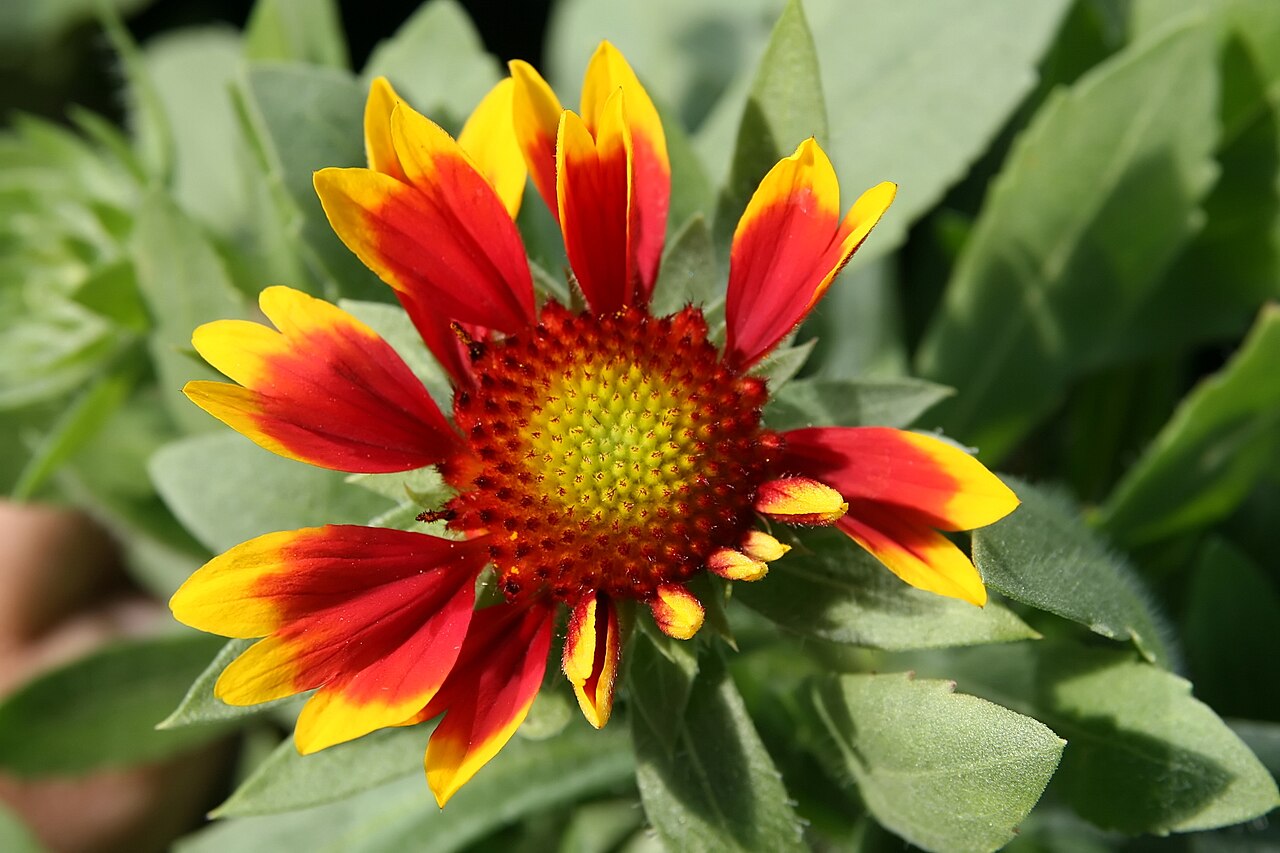
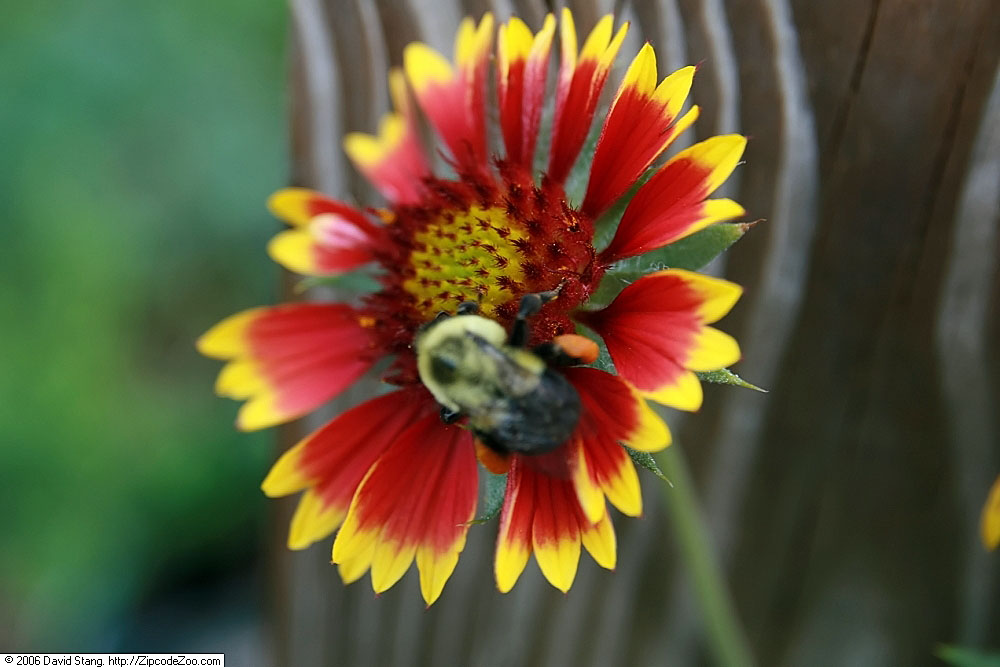
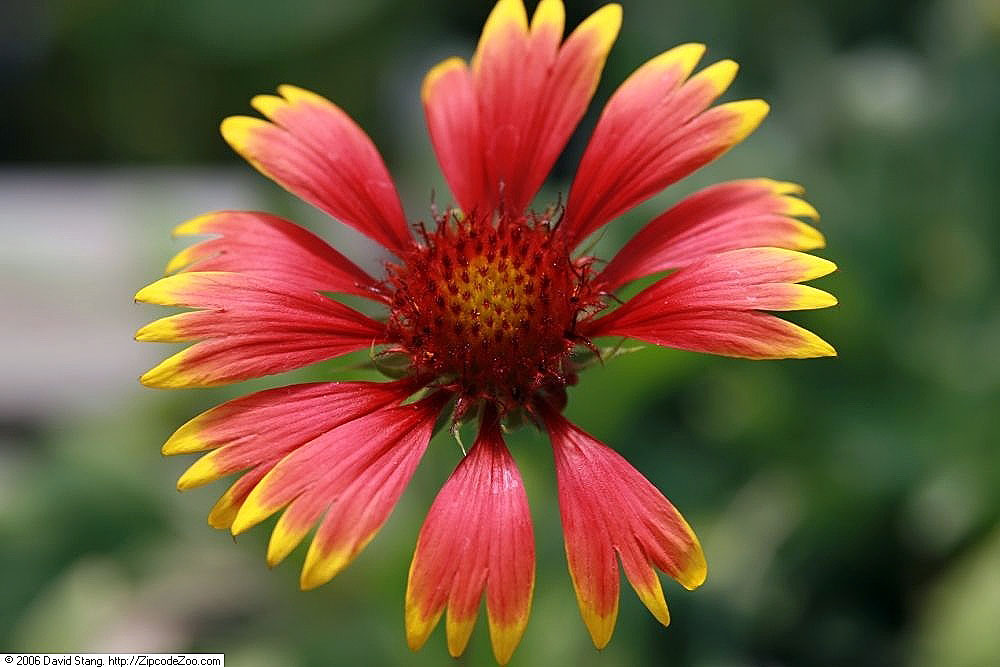
Goblin is the old reliable of the blanket flowers: a very hardy, dwarf hybrid, typically about 12 inches tall, with large flowers for its size — red-and-yellow daisies on compact, mounding plants — and foliage with a distinctive quirk, large green leaves veined in maroon. It predates the Arizona series and the Mesa series, and it has survived them in catalogs because it is tough in a way newer dwarfs sometimes are not: hardy, floriferous, and forgiving of lean soil, drought, and neglect, the way a plant called Goblin ought to be. It is the blanket flower you plant at the front of a sunny border and then mostly ignore, to its evident satisfaction.
The trade-off is the gaillardia trade-off: short life and a need for deadheading. Goblin is a short-lived perennial, 2 to 3 good years, and it blooms hardest when spent flowers are removed — leave them and the plant slows down to make seed instead of flowers. It also resents wet feet more than almost anything else in the sunny border: in heavy, wet soil it rots at the crown, so plant it high, in lean, well-drained soil, and do not mulch it into sogginess. Given sun and drainage, it asks nothing else.
If you are new to choosing between cultivars, the Varieties Matter guide explains why the name after the plant matters as much as the plant itself. Goblin is a perfect example: it is not just a blanket flower in the abstract, it is a blanket flower with a specific job, a specific history, and specific strengths.
In Florida, Goblin is a statewide performer with the usual gaillardia caveat: it loves Florida sun and heat and tolerates poor, sandy soil, but Florida’s wet summers are its risk — crown rot in soil that stays wet. Plant it in full sun in sharply drained soil or a raised bed, deadhead for continuous bloom, and treat it as a short-lived perennial that may reseed. In the hottest, wettest gardens, Goblin’s hardiness is less relevant than its drainage, so get the drainage right and the plant will do the rest.
How to grow
Plant in spring in full sun and sharply drained, even lean soil — gaillardia is a sun-and-drainage plant that rots in rich, wet soil faster than it starves in poor soil. Work a little worm castings into the bed at planting, but do not overfeed it, mulch lightly (or not at all in wet climates), and deadhead regularly for continuous bloom. Treat it as a glorious short-timer: plant it, enjoy the avalanche, let a few flowers go to seed for volunteers, and replant without mourning.
Set plants 12-18 inches apart in soil with a pH around 6.0-7.0. Work worm castings into the bed at planting and mulch to hold moisture. A well-fed blanket flower plant rewards that care directly: steadier growth, better bloom, and a show that actually shows up.
Water & feeding
Water to establish, then water sparingly — gaillardia is drought-tolerant once established and rots in wet soil, so the watering mistake to avoid is overwatering, not underwatering. Water at the soil line, do not mulch heavily in wet climates, and feed lightly: castings at planting is usually enough, because rich soil makes lush, short-lived plants. Lean soil, sun, and drainage make long-blooming ones.
Common problems
- Crown rot in wet soil — the gaillardia killer in humid climates; plant in sharp drainage or raised beds and do not overwater or mulch heavily.
- Short life — gaillardias are short-lived perennials, 2 to 3 good years; let some flowers seed for volunteers and replant without mourning.
- Aster yellows — distorted, yellowed growth spread by leafhoppers; pull affected plants and do not compost diseased material.
- Powdery mildew in humid, crowded plantings — space for air, water at the soil line, and remove affected leaves.
- Flopping in rich soil — lean soil makes sturdier gaillardias; do not overfeed, and deadhead for continuous bloom.
Harvest
Cut flowers for bouquets from early summer into fall, when daisies are fully open — gaillardias last well in water and their sunset colors suit summer arrangements. Deadhead regularly for continuous bloom, and leave some seed heads standing for birds and volunteers if you like a naturalized look. At the end of a short-lived plant’s life, let it seed, collect seed if you want the same colors (hybrids vary), and replant fresh without mourning.
Browse all plant & pest guides
Saving seeds
Goblin is a very hardy, dwarf hybrid blanket flower, so saved seed will not come true — buy fresh seed or a nursery plant, and let a few flowers go to seed for volunteers if you don’t mind the offspring varying. The full method is in the Saving seeds section of the Blanket Flower guide.