
💜 Munstead Lavender
What it looks like
Why this variety
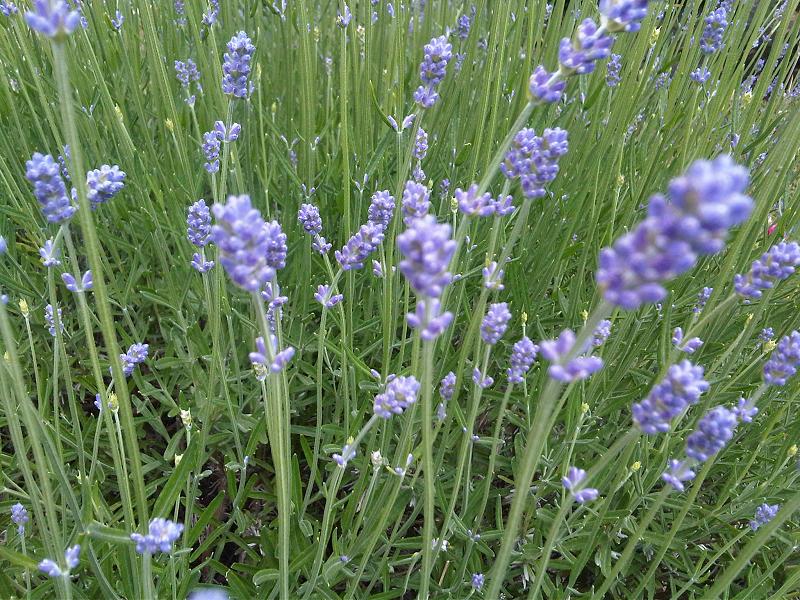
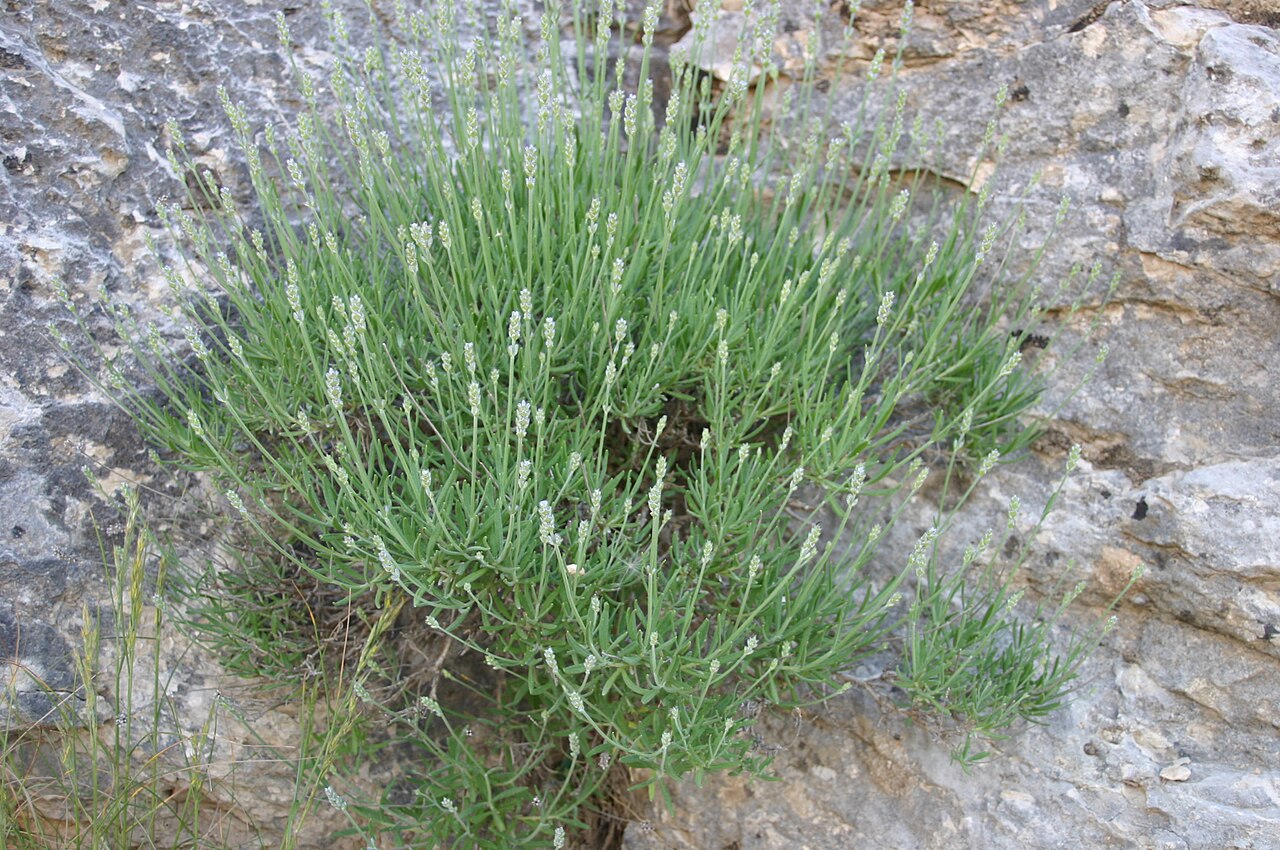
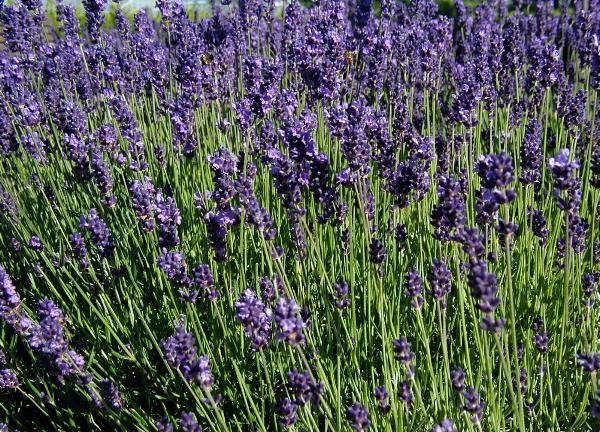
Munstead is the English lavender most people picture when they close their eyes: a compact, mounding shrub about 18 inches tall, with narrow gray-green leaves and short, fat spikes of deep purple flowers that smell like a summer afternoon in a bottle. It is one of the earliest English lavenders to flower, and its scent is the sweet, floral, classic lavender perfume that lavandins only approximate.
Compactness is Munstead’s superpower and its job description: it edges paths, fills pots, and lines beds without flopping, and its short spikes are ideal for drying — small bundles that dry fast and hold their color. It is also one of the hardiest English lavenders, which is why it has been in catalogs for over a century while trendier types came and went.
Florida translation, honestly: Munstead is a cool-climate plant, and Florida summers are its exam, not its comfort zone. In North Florida it can thrive in a raised bed or large pot with gritty mix, gravel mulch, and ruthless drainage; in Central and South Florida, treat it as a pot plant you can shelter from summer deluges, or enjoy it as a glorious annual. Do not plant it in flat, heavy ground and hope — hope is not drainage.
How to grow
Buy plants — named lavender does not come true from seed. Plant in spring in full sun and sharply drained, gritty soil; in Florida this means a raised bed or a large pot with roughly half coarse perlite or grit mixed into the soil. Space 18 inches apart for airflow, water in well, then let the soil dry between waterings. Cut flower spikes as they open and shape lightly after bloom; never cut into bare old wood.
Water & feeding
Water deeply but rarely, only when the top few inches are dry — in a Florida raised bed this may mean every 7–12 days, not daily. Morning watering at the base keeps foliage dry overnight. Feed lightly in spring with a modest balanced feed or a little castings; lavender in rich soil grows soft and disease-prone, and lean, alkaline-leaning soil grows the compact, fragrant plant you want.
Common problems
- Root and crown rot in wet soil — the lavender killer. Raised beds, gritty mix, gravel mulch, and no saucer puddles are the prevention.
- Humidity fungal spots in still air — space for airflow, water at the base, and prune for an open habit.
- Woody, leggy growth with age — prune annually into green growth and replace plants that go bare in the center after 5–7 years.
- Overwatering by kindness — the most common lavender mistake is loving it to death with daily water.
Harvest
Cut spikes just as buds open fully, in the morning after dew dries, for the strongest scent — bundle stems, hang upside down in a warm, airy spot out of direct sun, and strip buds once crisp for sachets, baking, and tea. A light cut after the first bloom often brings a second, smaller flush.
Browse all plant & pest guides
Saving seeds
Munstead is the English lavender most people picture when they close their eyes: a compact, mounding shrub about 18 inches tall, with narrow gray-green leaves and short, fat spikes of deep purple flowers that smell like a summer afternoon in a bottle. It is one of the earliest English lavenders to flower, and its scent is the sweet, floral, classic lavender perfume that lavandins only approximate. As a named cultivar it is kept true by cuttings, not by seed — the guide says it plainly: buy plants, named lavender does not come true from seed. Plant in spring in full sun and sharply drained, gritty soil; in Florida this means a raised bed or a large pot with roughly half coarse perlite or grit mixed into the soil. The full method is in the Saving seeds section of the Lavender guide.