
🌿 Lavender
What it looks like
How to grow
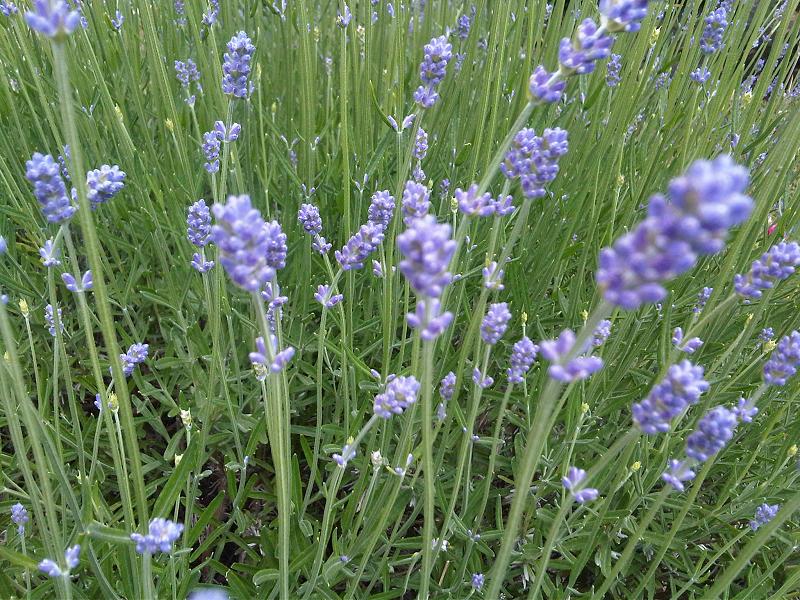
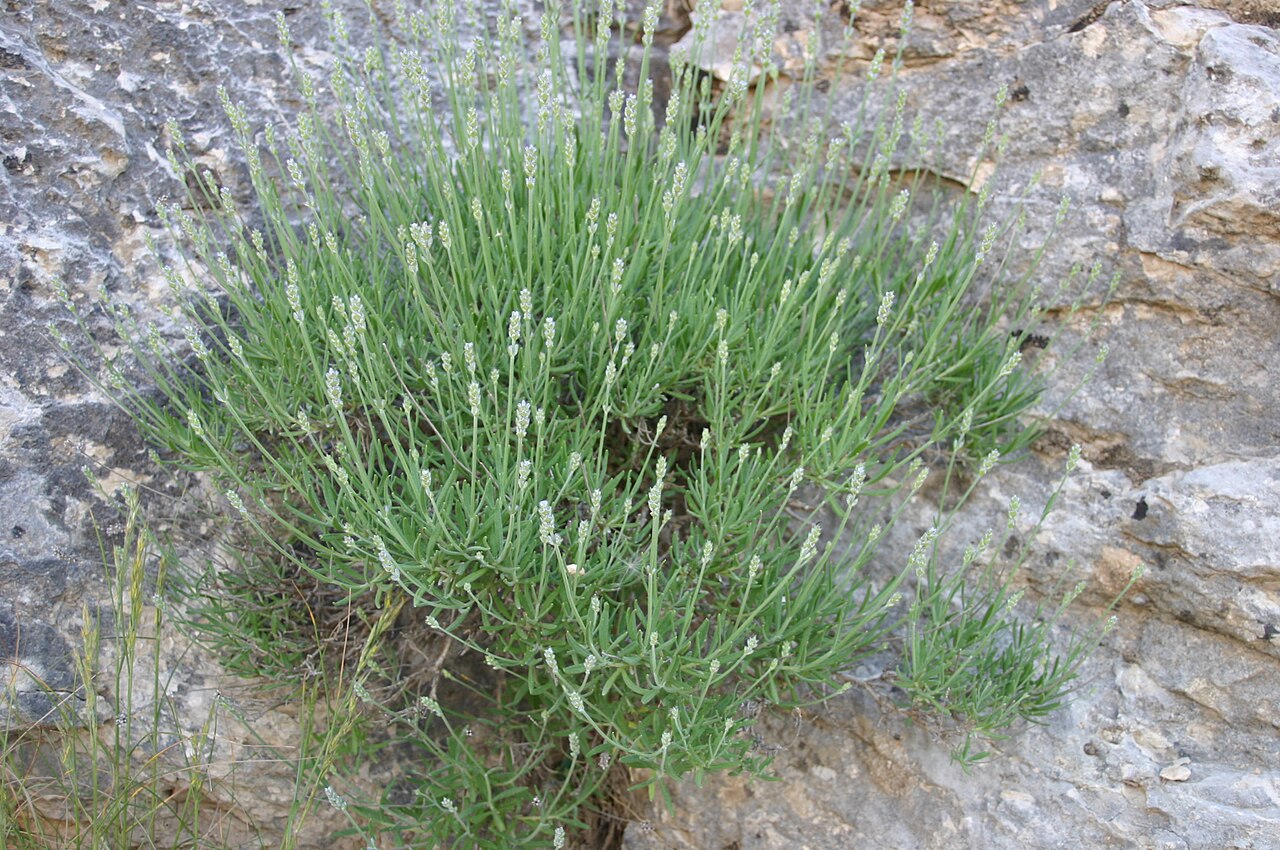
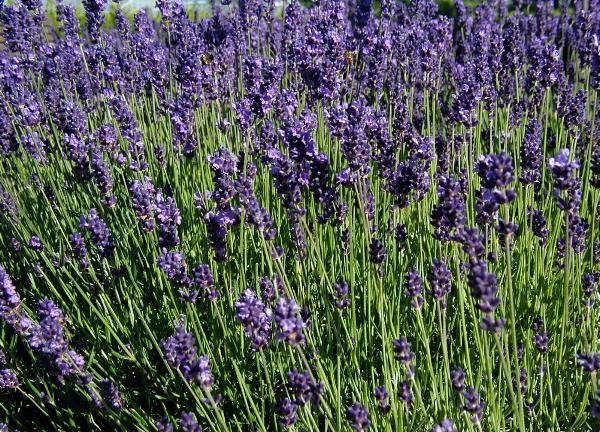
English lavender (Lavandula angustifolia) is the culinary and fragrance standard — 'Hidcote' and 'Munstead' are compact, hardy, and reliably fragrant. Lavandin (Lavandula × intermedia, e.g. 'Grosso') grows bigger and yields more oil but is too camphorous for most cooking. French and Spanish lavenders (Lavandula stoechas) are showier and far less cold-hardy, so know which one you are buying. Lavender's entire personality is Mediterranean hillside: blazing sun, rocky, alkaline, fast-draining soil, and dry air. Wet soil and humidity are its enemies, which is why it struggles in Florida and the humid South despite loving heat — grow it in a raised bed or pot with very gritty mix, give it maximum airflow, and accept that it may be short-lived there. Start from transplants or cuttings, not seed, which is slow and variable. Prune after flowering, cutting back about a third but never into bare woody stems with no leaves — lavender does not resprout from old wood, and one overzealous haircut ends the plant. In cold zones, plant in the sunniest, best-drained spot, mulch with gravel (not wood chips, which hold moisture against the crown), and avoid fall pruning that stimulates tender growth before winter.
Water & feeding
Water to establish, then water sparingly — lavender is drought-tolerant once rooted and rots in wet soil. In containers, water only when the top two inches are dry. Feed very lightly: a thin spring top-dress of worm castings is plenty. Rich soil and heavy fertilizer produce floppy, weakly scented growth.
Common problems
- Root and crown rot in wet soil — the number one killer; use gritty, fast-draining mix and never mulch with moisture-holding materials against the crown.
- Woody, bare centers — prune annually after flowering, never into leafless wood, and replace plants every 5-7 years.
- Fungal disease in humid climates — maximize airflow, space generously, and water at soil level.
- Winter kill in cold, wet zones — plant in raised, well-drained spots and use gravel mulch.
Harvest
Harvest flower spikes just as buds open but before they fully bloom, cutting stems in the morning after dew dries — that is peak oil content. For culinary use, strip buds and use sparingly; lavender is potent and a little too much turns a cake soapy. For drying, bundle stems and hang in a dark, airy spot. Dried bundles keep their scent for months.
Browse all plant & pest guides
Saving seeds
Here is the honest truth about lavender seed: it works, but it is the slow and surprising route, and it is never the route for keeping a named variety. Lavender crosses freely — bees carry pollen from plant to plant without asking permission — so seed saved from ‘Hidcote’ or ‘Munstead’ will grow into plants that are similar to the parent, but not the same. Lavandin (Lavandula x intermedia), the hybrid behind ‘Grosso’ and ‘Provence’, is worse still: it produces very few viable seeds at all, and the rare ones that do germinate will not breed true. If you love a particular cultivar’s scent, colour, or habit, propagate it from cuttings. That is how every nursery does it, and it is the only way to get an exact copy.
Seed saving itself is simple. Let a few flower spikes finish blooming and dry on the plant until the buds are crisp and brown and the tiny seeds rattle loose when you rub the head between your fingers. Snip the heads into a paper bag, dry them indoors for a week, then rub them over a fine sieve or tray to release the seed and shake away the chaff. The seeds are tiny — one to two millimetres — so work over a tray and label everything immediately, because dried lavender heads all look identical once they are off the plant.
Sow the seed on the surface of a damp, gritty seed mix and do not bury it: lavender seed needs light to germinate. It does not strictly need a cold period, though some growers report better results after a few weeks in the refrigerator, so if your first sowing is patchy, a chill is worth trying. Be patient — germination can take two to three weeks, sometimes much longer, and the seedlings grow slowly. Expect about two years from sowing to the first real flush of flowers. That is not a mistake in your technique; that is lavender.
Cuttings are the faster, truer path. In summer, take three- to four-inch semi-hardwood cuttings from non-flowering stems, strip the lower leaves, dip the cut end in rooting hormone if you have it, and set them in a sharply draining mix of perlite and peat or coco coir. Keep them barely moist in a warm, bright spot out of direct sun, and roots should develop in about four to six weeks. A cutting-grown plant will flower the following year, and it will be genetically identical to the parent — the same scent, the same colour, the same habit.
Florida note: lavender and Florida humidity are natural enemies. Grow it in pots or raised beds with gritty, fast-draining soil, give it full morning sun and airflow, and water at the base, never overhead. Stored seed needs the same dryness: dry it thoroughly, jar it airtight with a silica gel packet, and keep it cool and dark, or the humidity will quietly kill it before spring.
Varieties
Every named variety of Lavender with its own growing guide:
- Phenomenal Lavender — The lavender that actually survives humidity: a sterile lavandin bred for heat, disease resistance, and armloads of violet-blue spikes.
- Goodwin Creek Gray Lavender — Silver foliage, summer-long bloom, and real heat tolerance: the gray-leafed hybrid lavender that keeps flowering when English types quit.
- Hidcote Lavender — The classic English lavender: compact, deep purple, intensely fragrant — and, honestly, a cool-climate plant that needs help to survive a Florida summer.
- Munstead Lavender — The classic compact English lavender: short, sweet, deep purple, and intensely fragrant — the cottage-garden lavender in miniature.
- Grosso Lavender — The lavandin that perfumes whole fields: tall, vigorous, and absurdly productive — the commercial oil lavender, and the biggest harvest per plant you can grow.
- Provence Lavender — The French-market lavandin: tall, fragrant, and generous — the lavender for big bouquets, big beds, and the scent of a summer market stall.
- Royal Velvet Lavender — The velvet English lavender: deep, velvety purple spikes with a rich fragrance, on a compact plant made for edging and pots.