
💜 Goodwin Creek Gray Lavender
What it looks like
Why this variety
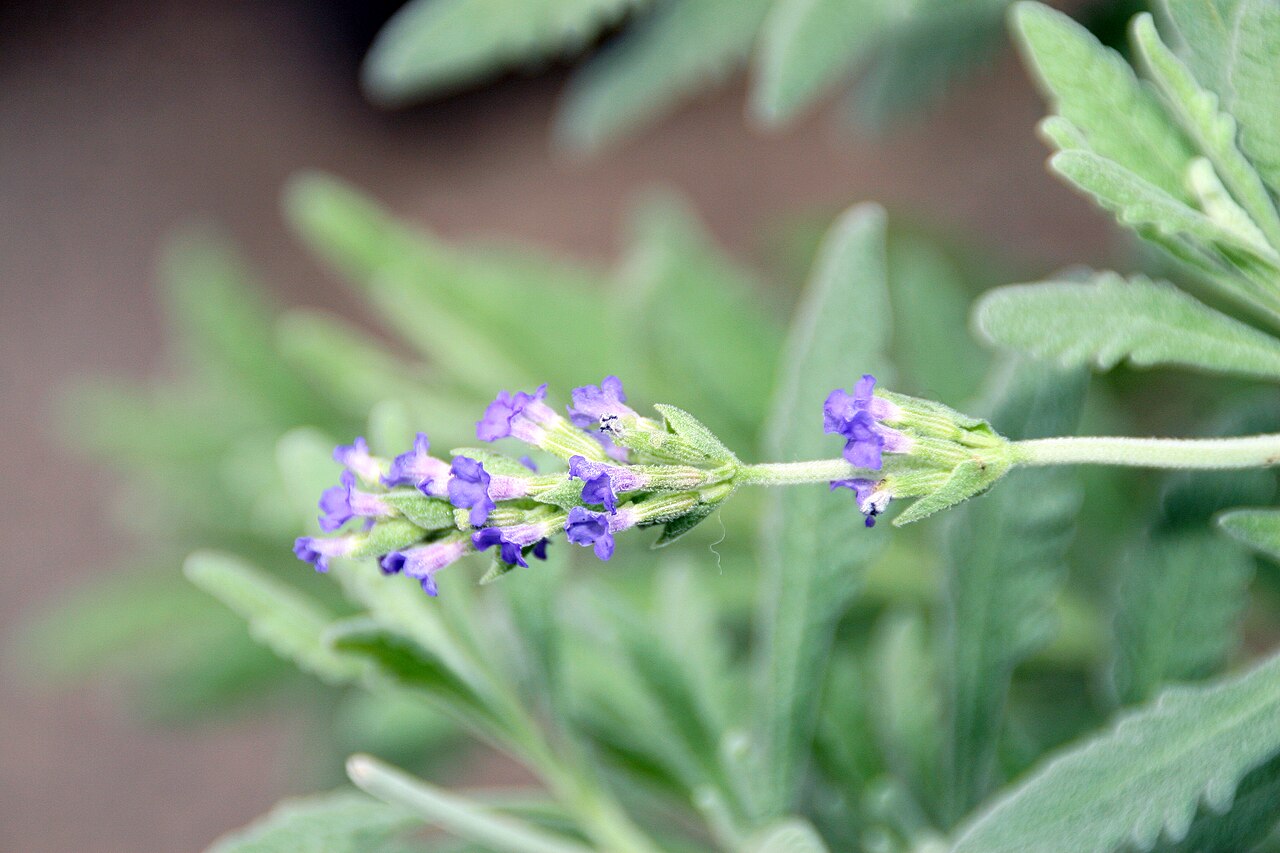
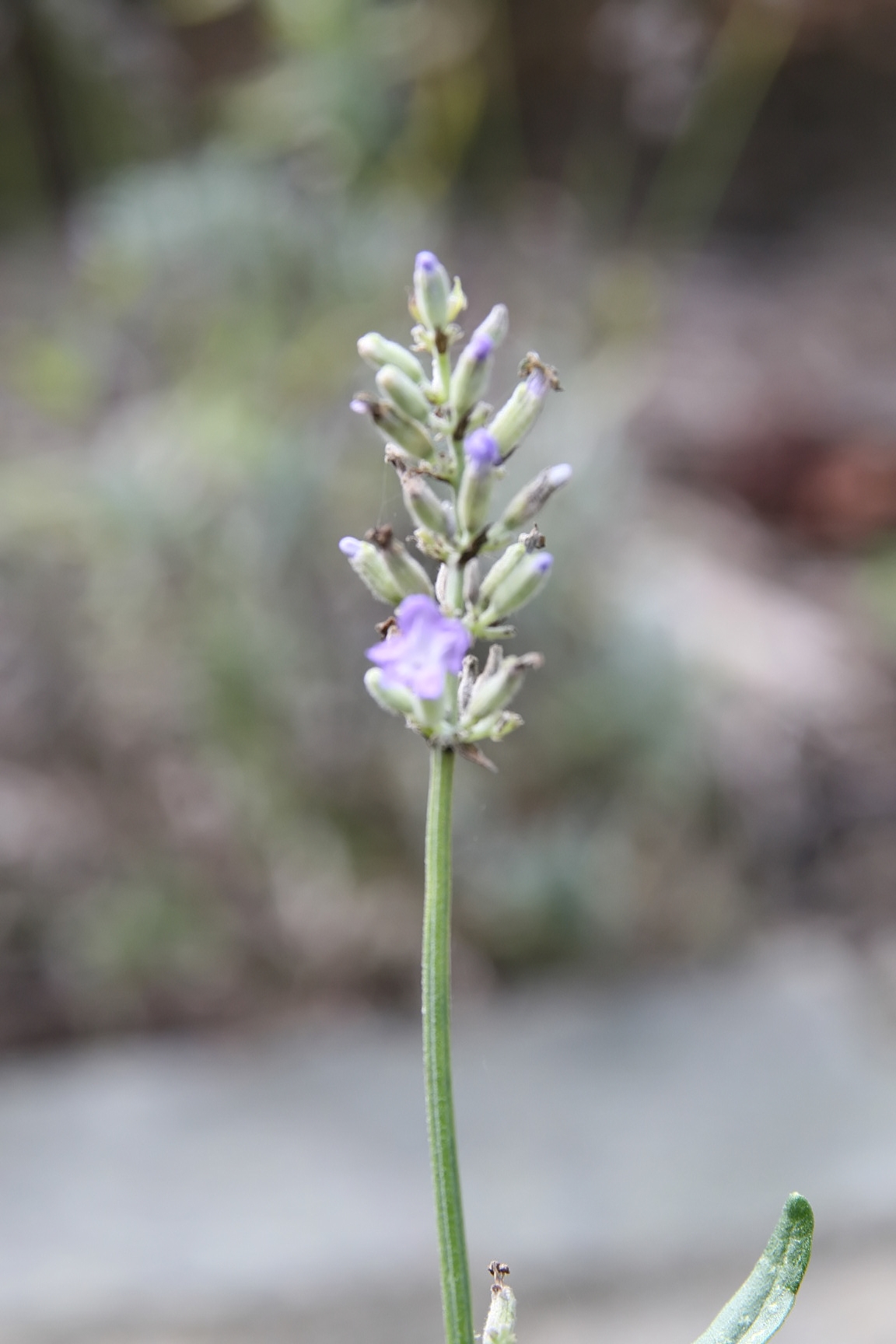
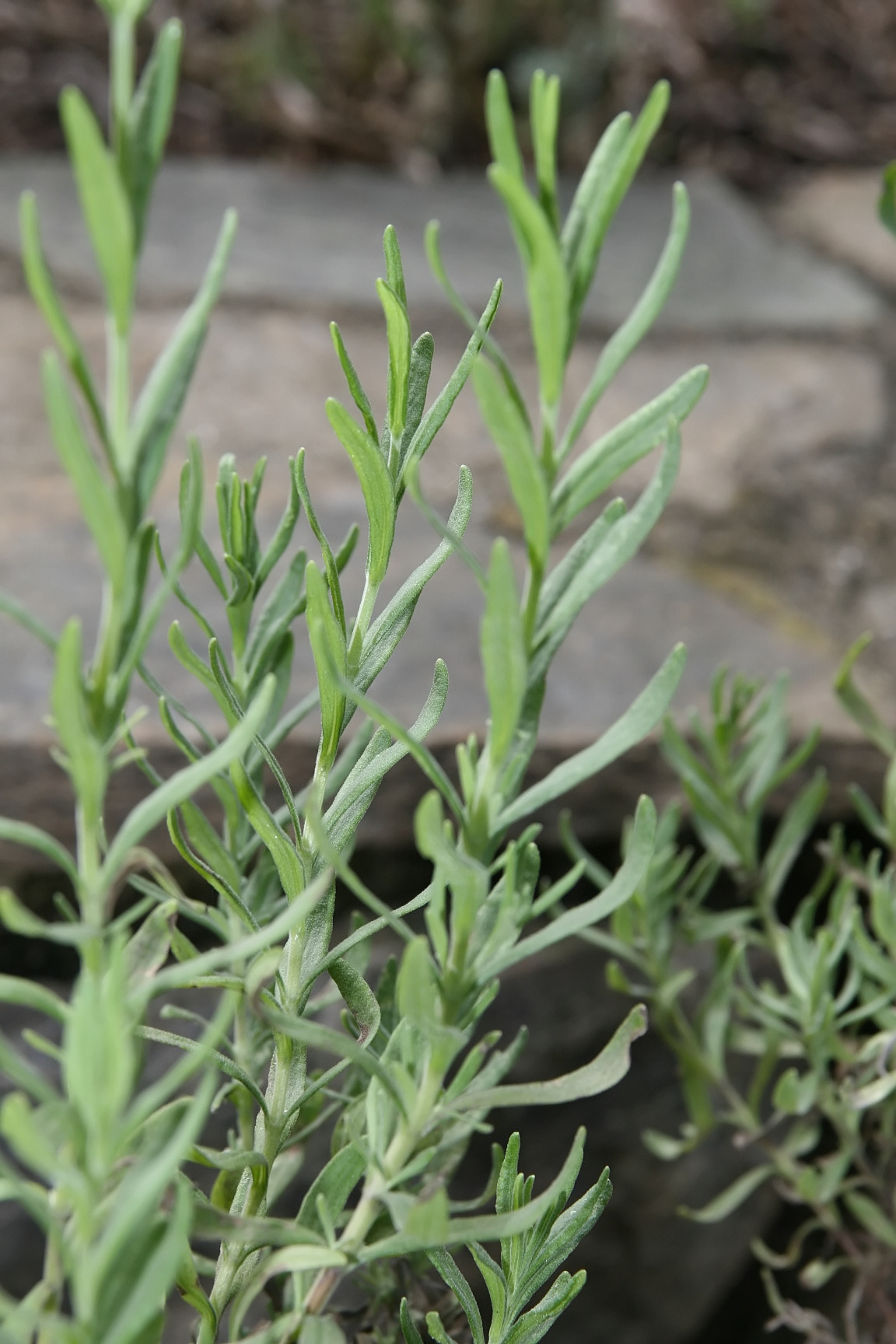
Goodwin Creek Gray is the lavender with the silver lining — literally. Its narrow, serrated, silver-gray foliage stays handsome all year, even out of bloom, and its violet-blue flowers keep coming through summer and, in mild climates, into winter, on a 2–3 foot hybrid plant. It is a cross with woolly lavender in its background, which is part of why it handles heat and humidity better than classic English lavender.
For Florida gardeners, that heat tolerance is the headline, with a caveat kept honest: Goodwin Creek Gray is a strong warm-climate performer in raised beds and pots with sharp drainage, but no lavender is bulletproof in a wet Florida summer, and this one still needs the gritty mix and airflow that all lavenders demand. Grow it for the silver foliage first — the flowers are a long-running bonus — and site it like every lavender: sun, drainage, and air.
How to grow
Buy plants from cuttings to hold the cultivar true. Plant in spring in full sun and sharply drained, gritty soil — a raised bed or large pot with plenty of perlite or grit is the Florida default. Space 24–36 inches apart so air moves freely around the silver foliage, which also shows off the color better than a crowded planting does.
Deadhead spent spikes through the season to keep flowers coming, and shape lightly in early spring, cutting into green growth only. Mulch with gravel rather than bark to keep the crown dry, and site it where it gets morning sun and good air even in a humid garden.
Water & feeding
Water deeply and infrequently, letting the mix dry well between waterings. Goodwin Creek Gray tolerates heat but not wet feet; in a pot, water only when the top few inches are dry, and never let the pot sit in water.
Feed lightly in spring. Lean soil keeps the silver color vivid and the growth compact; heavy feeding pushes soft green growth that loses both the silver and the disease resistance.
Common problems
- Root rot in wet soil — the universal lavender risk. Gritty mix, raised beds, and drainage are the prevention, not a cure.
- Fungal problems in crowded, humid beds — space for airflow, water at the base, and prune for openness.
- Legginess with age — annual spring shaping into green wood keeps it compact; bare old wood rarely regrows, so prune little and often rather than hard and late.
- Name confusion — sold as both ‘Gray’ and ‘Grey.’ They are the same cultivar; buy by the full name, Goodwin Creek, not by the spelling of the last word.
Harvest
Cut spikes as they open, morning after dew dries, for fresh bouquets and drying; Goodwin Creek Gray’s long bloom season means cutting doubles as deadheading and keeps flowers coming. Strip dried buds for sachets and potpourri once stems are crisp.
Prune lightly after each flush and shape in early spring, keeping the silver foliage as the year-round feature. Even out of bloom, a well-grown plant is an ornamental shrub, not a gap in the border.
Browse all plant & pest guides
Saving seeds
Goodwin Creek Gray is a hybrid lavender with woolly lavender in its background, and the guide says it plainly: buy plants from cuttings to hold the cultivar true — seed won’t keep the silver foliage or the heat tolerance. The Saving seeds section of the Lavender guide covers seed for the species generally.