
🌼 Zloty Lan Chamomile
What it looks like
Why this variety
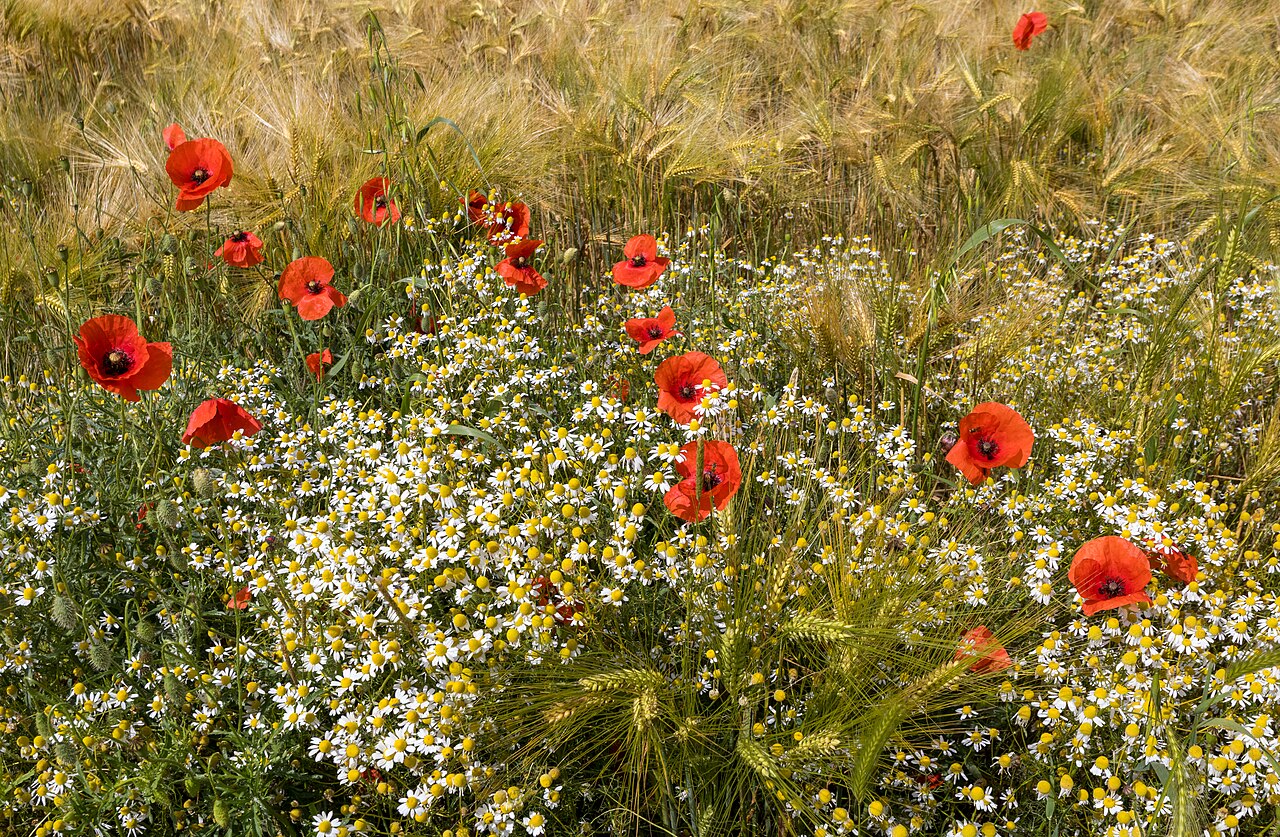
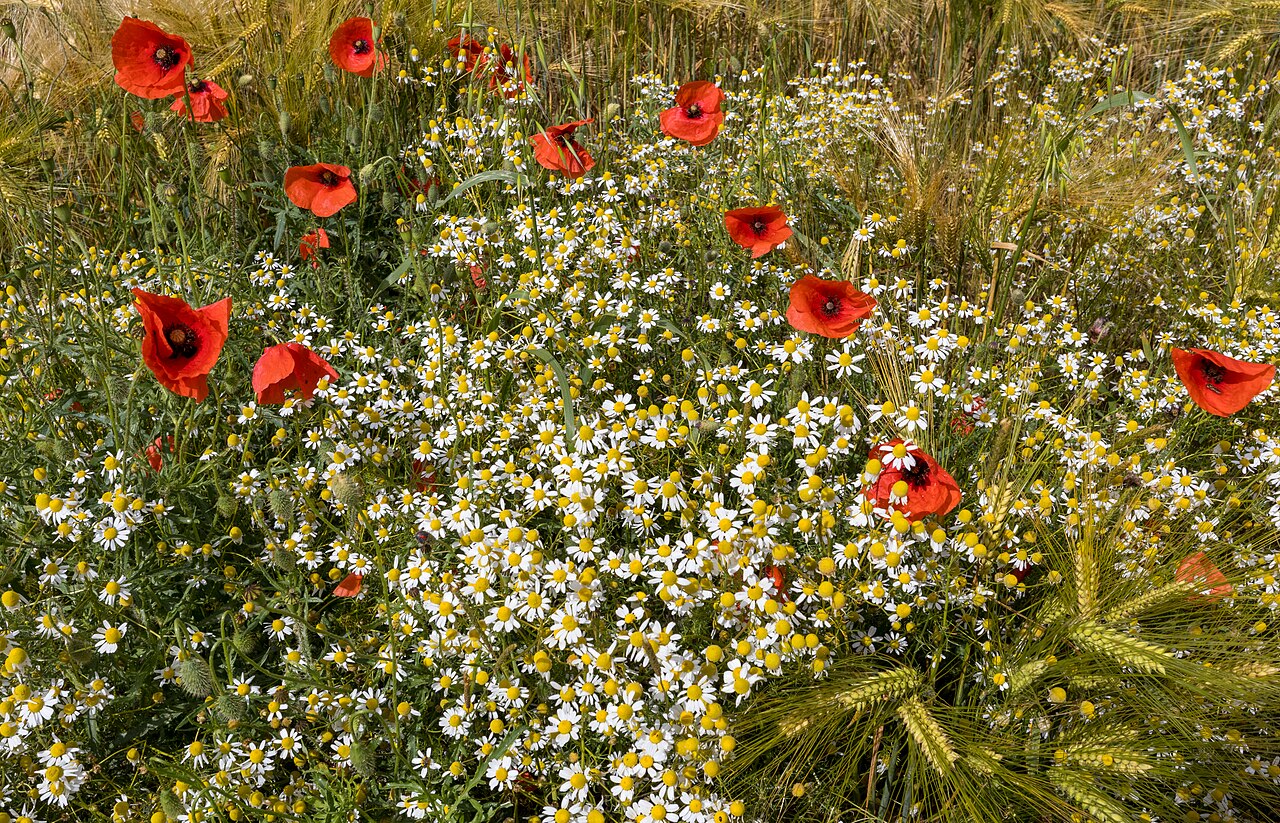
Zloty Lan is German chamomile with a purpose: a Polish-bred cultivar selected for high flower yield and high essential-oil content — the chamomile for people who grow it for the teapot, not just the border. The flowers look like classic German chamomile, small white daisies with golden centers, but there are more of them per plant, and the oil they carry is the deep blue chamazulene that gives chamomile tea its apple-honey scent and its reputation.
Chamazulene is worth a detour, because it is one of the great party tricks in plant chemistry: it does not exist in the fresh flower. It forms during steam distillation, when a colorless precursor called matricin transforms into a vivid blue compound. That blue oil is why chamomile has been a medicine-cabinet plant for centuries, and why a high-oil cultivar like Zloty Lan is a genuinely different crop from a generic packet of chamomile seed.
Florida translation: German chamomile is a cool-season annual, and Florida’s version of cool season is fall through early spring. Sow in fall, harvest flowers through winter and spring, and let it finish before summer heat turns it bitter and ragged. In a mild winter it will flower for months, and a single bed can fill a winter of teapots.
How to grow
Sow seed directly in fall, barely covered — chamomile seed needs light to germinate — or start indoors and transplant young. Space 6–9 inches apart in full sun with afternoon shade in the warmest weeks. The plants are feathery, fern-like, and about 18–24 inches tall at flowering. Keep the bed weeded while young; once flowering starts, the plants mostly take care of themselves.
Water & feeding
Water evenly while establishing, then moderately — chamomile likes moist soil but not soggy beds, and Florida’s sandy soil dries fast, so mulch lightly and water when the top inch is dry. Feed lightly: a little worm castings at planting is plenty, and overfeeding grows leaves at the expense of flowers. In a rainy winter, drainage matters more than feeding.
Common problems
- Heat and humidity ending the season early — sow for fall through spring, not summer, and accept that summer is the off-season.
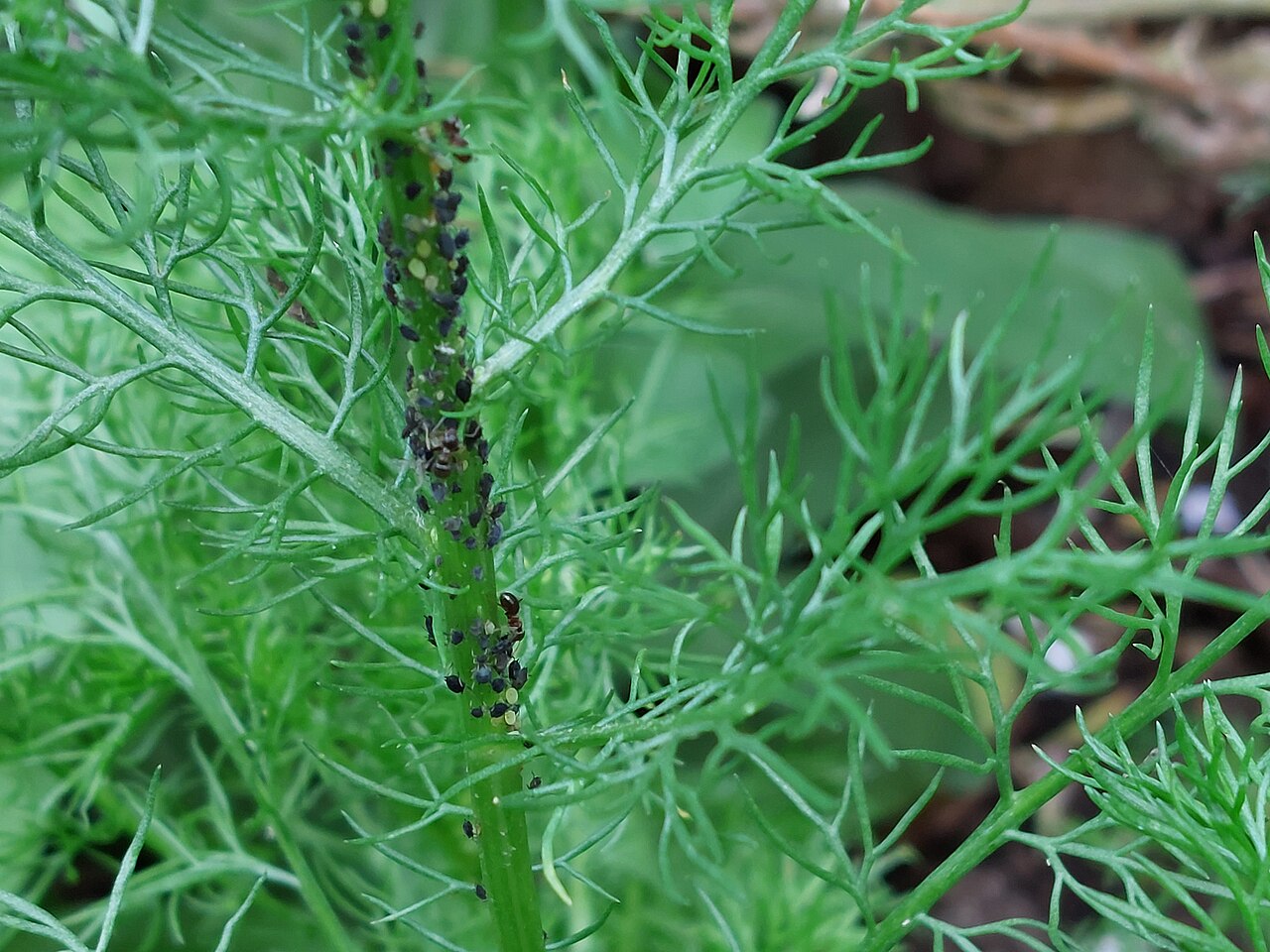
- Aphids on young shoot tips — blast with water; they rarely damage a flowering crop seriously.
- Self-sowing everywhere — chamomile seeds freely, which is a gift if you want a permanent patch and a chore if you do not; deadhead before seed sets if you want control.
- Confusion with Roman chamomile — German chamomile is the tall annual for tea; Roman is the low perennial groundcover. Different plants, different jobs.
Harvest
Pick flowers when fully open, in the morning after dew dries, pinching the heads off with a little stem. Dry them in a single layer in a warm, airy spot out of direct sun until crisp, then store in a sealed jar — properly dried chamomile keeps its apple scent for a year. Pick every few days at peak; the more you pick, the more the plant flowers.
Browse all plant & pest guides
Saving seeds
Zloty Lan is German chamomile with a purpose: a Polish-bred cultivar selected for high flower yield and high essential-oil content — the chamomile for people who grow it for the teapot, not just the border. The flowers look like classic German chamomile, small white daisies with golden centers, but there are more of them per plant, and the oil they carry is the deep blue chamazulene that gives chamomile tea its apple-honey scent and its reputation. Chamazulene is worth a detour, because it is one of the great party tricks in plant chemistry: it does not exist in the fresh flower. It forms during steam distillation, when a colorless precursor called matricin transforms into a vivid blue compound. That blue oil is why chamomile has been a medicine-cabinet plant for centuries, and why a high-oil cultivar like Zloty Lan is a genuinely different crop from a generic packet of chamomile seed. It is open-pollinated — Fedco lists it as “Open pollinated… This Polish cultivar is a tetraloid” — so seed saved from it comes true to Zloty Lan. Chamomile self-sows freely: leave a few flowers to mature on the plant, let the heads dry and brown, and shake the fine seed into a bag. The full method is in the Saving seeds section of the Chamomile guide.