
🌿 Chamomile
What it looks like
How to grow
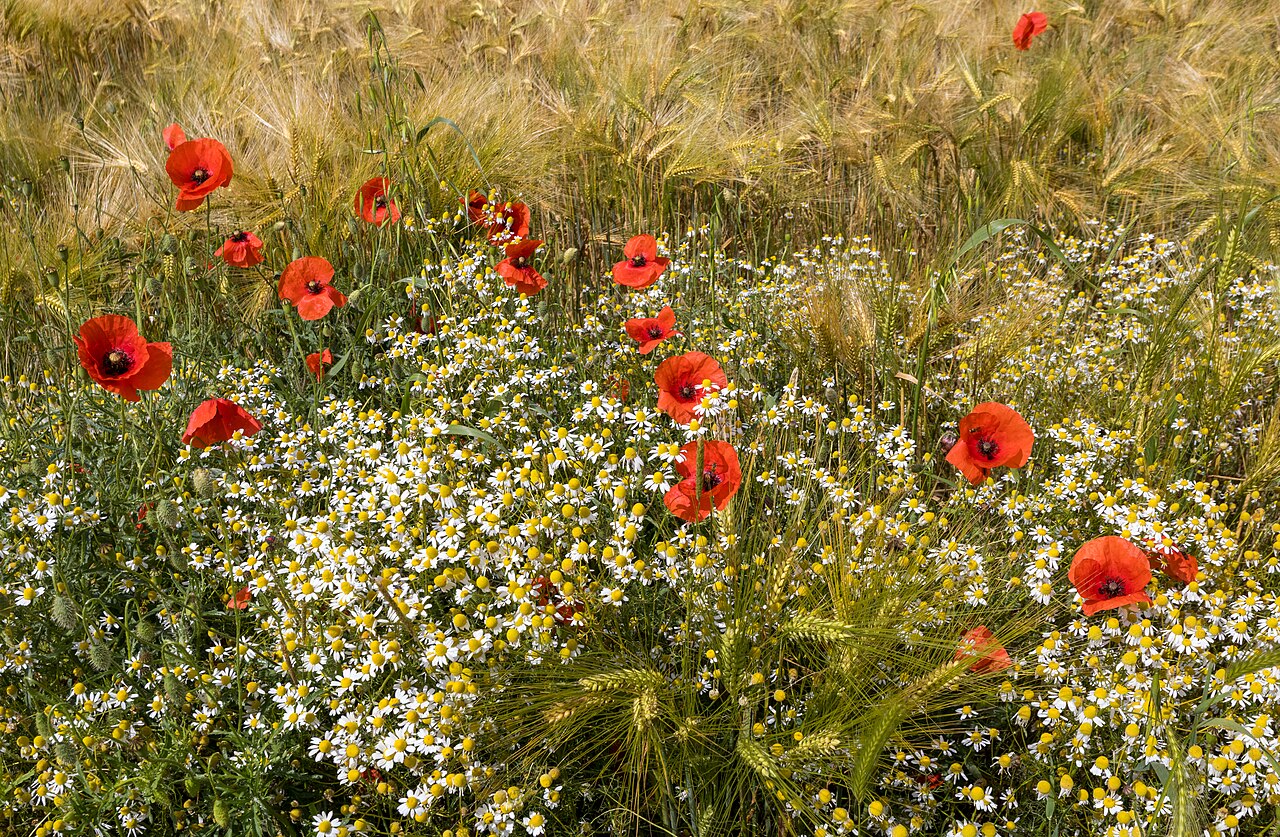
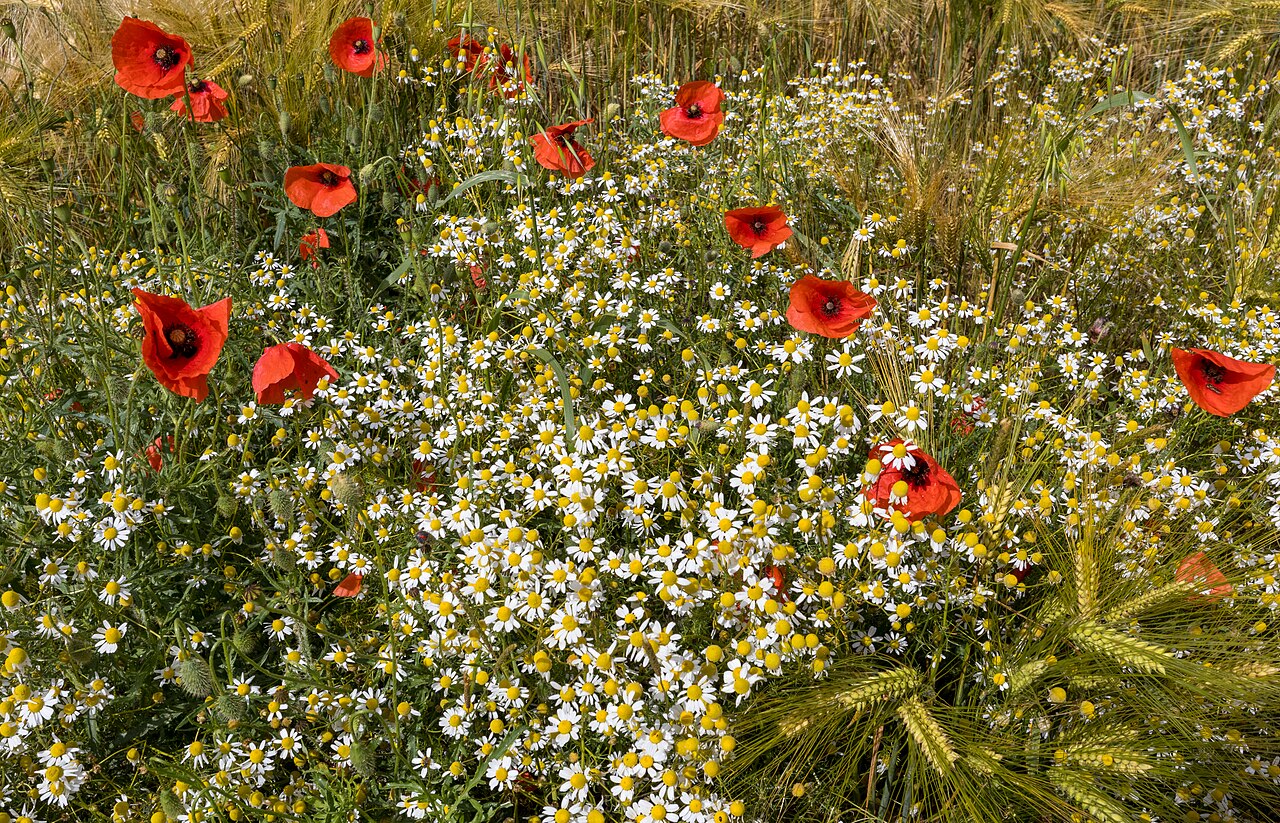
Two plants share the name chamomile, and both make tea. German chamomile (Matricaria chamomilla) is an annual with feathery foliage and small daisy flowers; it grows fast, flowers heavily, and self-sows so enthusiastically that one planting often becomes a permanent patch. Roman chamomile (Chamaemelum nobile) is a low, creeping perennial with similar flowers and a slightly different, apple-like scent; it makes a fragrant groundcover and lawn substitute in mild climates. For tea, German chamomile is the usual choice and the easier grow: direct-sow tiny seeds on the soil surface in spring (they need light to germinate), thin to a few inches apart, and wait for a cloud of white-and-yellow flowers. Chamomile tolerates poor soil and actually prefers it a bit lean — rich soil makes floppy plants. Roman chamomile is started from transplants or division, prefers well-drained soil, and tolerates light foot traffic once established. Both appreciate full sun but benefit from afternoon shade in hot climates, and both attract pollinators and beneficial insects in droves.
Water & feeding
Keep soil lightly moist while plants establish, then water moderately — about half an inch to an inch a week. Chamomile is a light feeder: worm castings at planting is plenty, and heavy fertilizer makes weak, floppy growth. Avoid soggy soil, which both types dislike.
Common problems
- Self-seeding (German) — deadhead if you do not want volunteers, or embrace the patch.
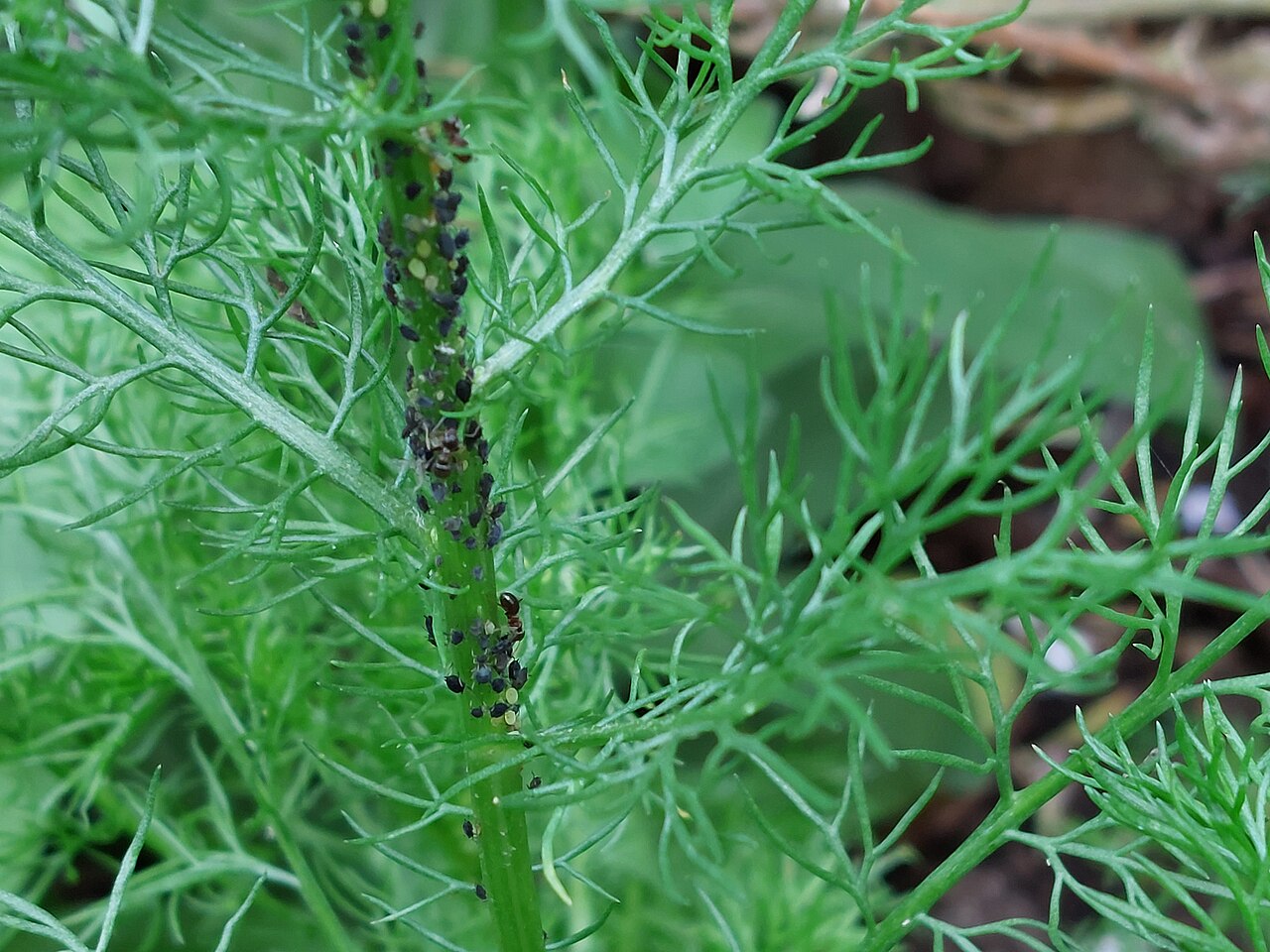
- Aphids on flower heads — blast with water; plants usually outgrow them.
- Damping off in wet seedbeds — sow on the surface in well-drained soil and avoid overwatering seedlings.
- Allergic reactions — chamomile is related to ragweed, so people with ragweed allergies should try it cautiously.
Harvest
Harvest flower heads when fully open, on a dry morning after dew dries, by pinching or combing them off stems. Dry flowers on screens in a dark, airy spot until crisp, then store airtight away from light. For tea, steep a heaping teaspoon of dried flowers per cup for 5 minutes. Frequent picking encourages more flowers, so harvest often and the plants keep producing.
Browse all plant & pest guides
Saving seeds
Chamomile is one of the easiest seeds you will ever save, mostly because the plant is already trying to do it for you. German chamomile (Matricaria chamomilla), the annual tea herb, self-sows so enthusiastically that one planting often becomes a permanent patch — which is wonderful if that is what you want, and a weeding job if it is not. If you want chamomile exactly where you planted it and nowhere else, deadhead most of the flowers and leave only a few chosen heads to go to seed.
For seed, let those chosen heads go past their tea prime. The white petals droop and fall, and the yellow cone in the center turns brown, dry, and crumbly to the touch — that is the moment, because a day too late and the tiny seeds shatter onto the soil of their own accord. On a dry day, after the morning dew has dried, snip the brown heads into a paper bag and rub them gently between your fingers; the dust-fine seeds fall away from the cone along with a little chaff. Winnow by tipping the mix from one container to another in a light breeze, or by blowing very gently across a shallow bowl — chamomile seed is so light it will happily blow away with the chaff if you get enthusiastic.
Roman chamomile (Chamaemelum nobile) plays by slightly different rules. It is a perennial that also sets seed, and you can collect it the same way, but it also spreads by creeping stems, so division is the surer way to multiply a particular plant. One crossing note worth knowing: German and Roman chamomile belong to different genera, so they will not cross with each other — but two German varieties grown side by side will happily swap pollen, so if keeping a named variety pure matters to you, save seed from only one German variety at a time.
Dry the cleaned seed thoroughly before it goes anywhere near a jar — in Florida humidity, spread it on a plate indoors for several days until it feels completely dry, then store it in a labeled paper envelope inside an airtight jar with a little desiccant, somewhere cool and dark. Kept that way, chamomile seed stays usable for a few years, roughly two to four depending on who you ask, with germination fading after that; if an old batch worries you, sprout ten seeds on a damp paper towel and count how many wake up. When sowing time comes, remember the one quirk: chamomile seed needs light to germinate, so press it onto the soil surface and do not bury it.
Varieties
Every named variety of Chamomile with its own growing guide:
- Bodegold Chamomile — The improved German chamomile: earlier, bigger, and heavier-flowering than the species — bred for the tea jar, not just the border.
- Treneague Chamomile — The chamomile that never flowers: a dense, fragrant, non-flowering lawn herb — walk on it, smell apples, and never mow a bloom.
- Flore Pleno Chamomile — Roman chamomile gone double: pompon white flowers on a low, apple-scented perennial mat — the cottage-garden chamomile that earns its border spot.
- Zloty Lan Chamomile — The high-oil German chamomile: bred for more flowers and more of the blue oil that makes chamomile tea taste like calm itself.
- Manzana Chamomile — The apple-scented German chamomile: a vigorous, heavy-flowering tea chamomile whose name promises exactly what the cup delivers.
- Lutea Chamomile — The high-flavonoid German chamomile: an improved European cultivar prized for essential oil and a big, uniform flower harvest.