
🌼 Treneague Chamomile
What it looks like
Why this variety
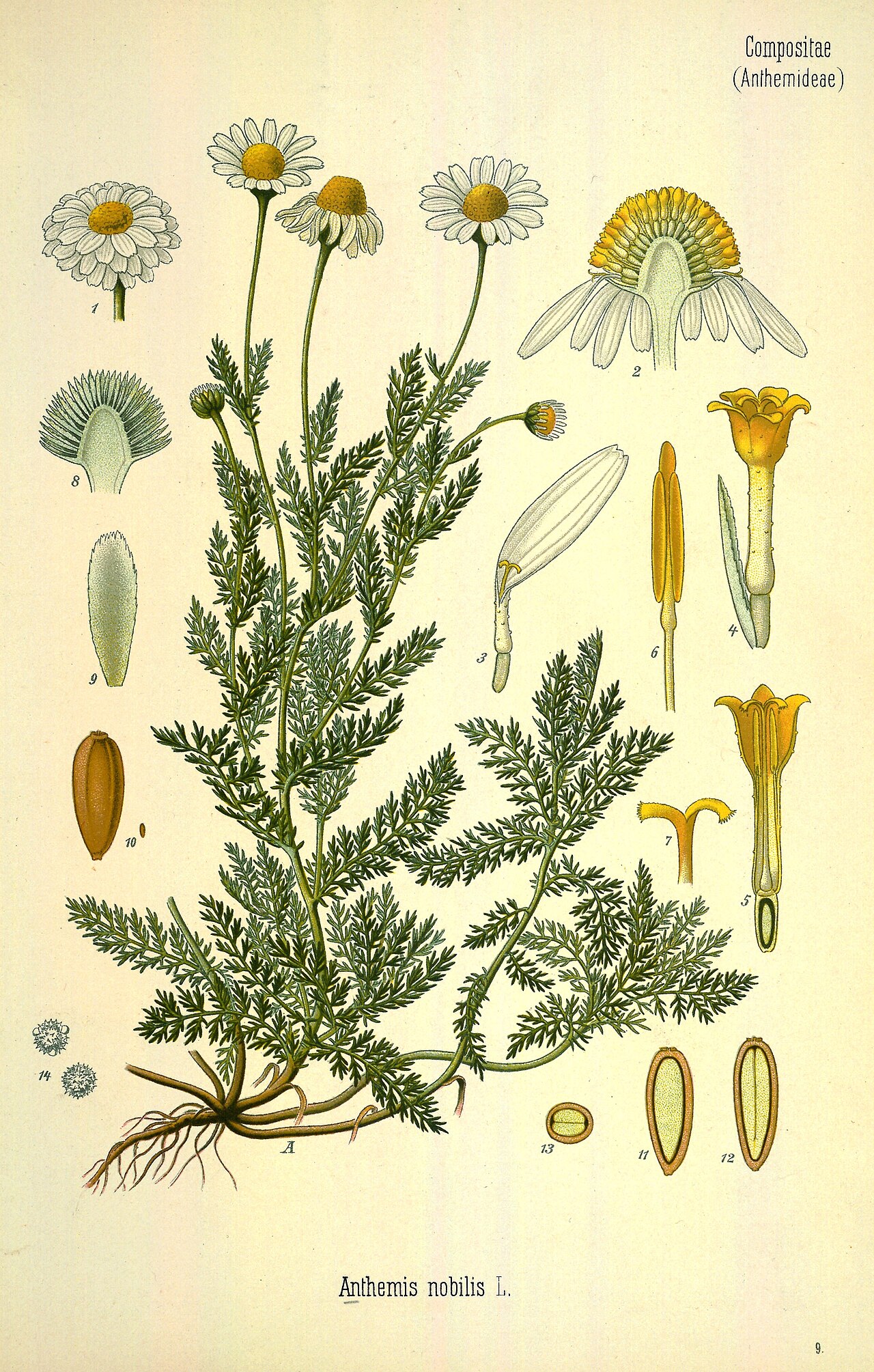
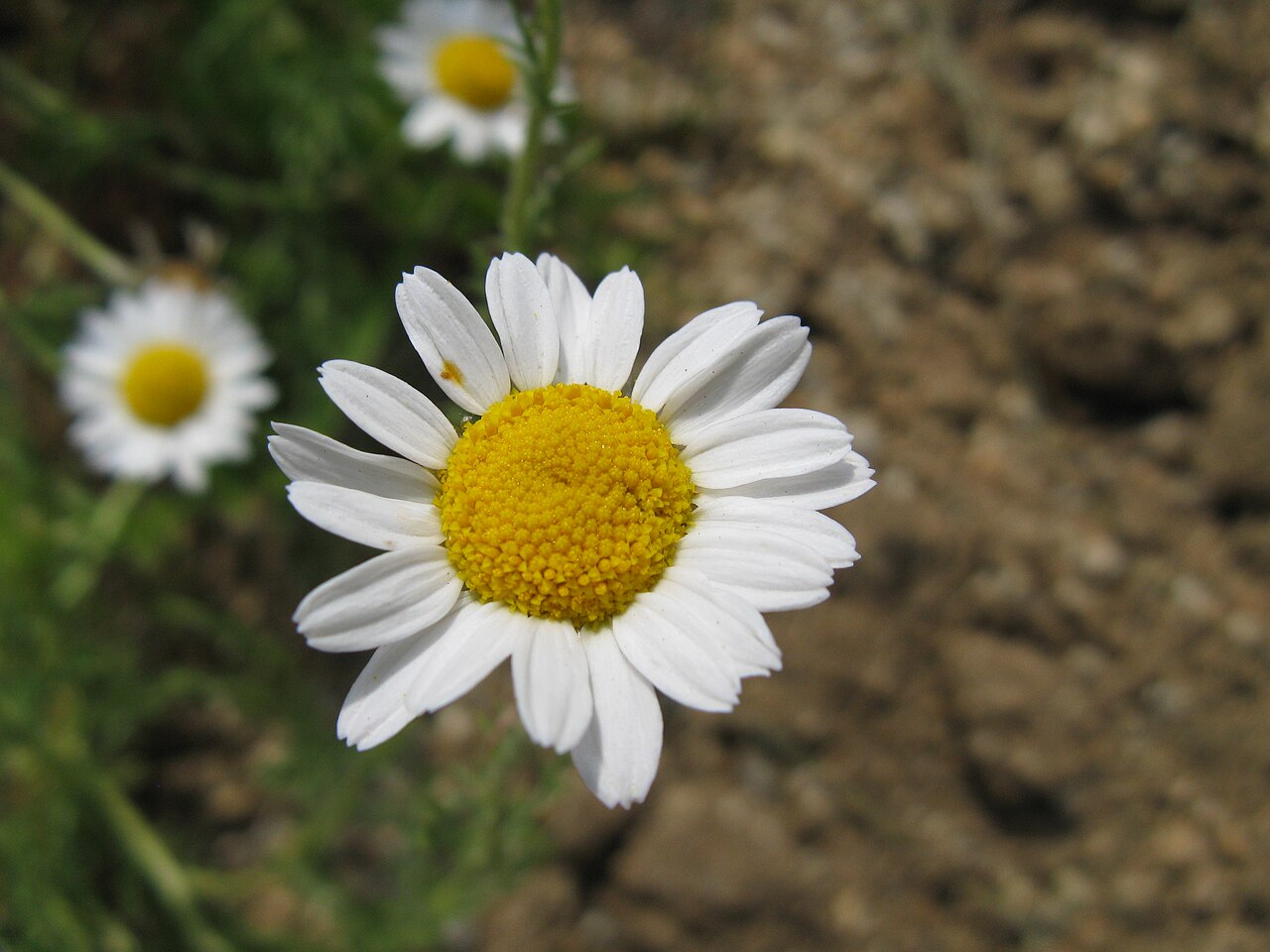
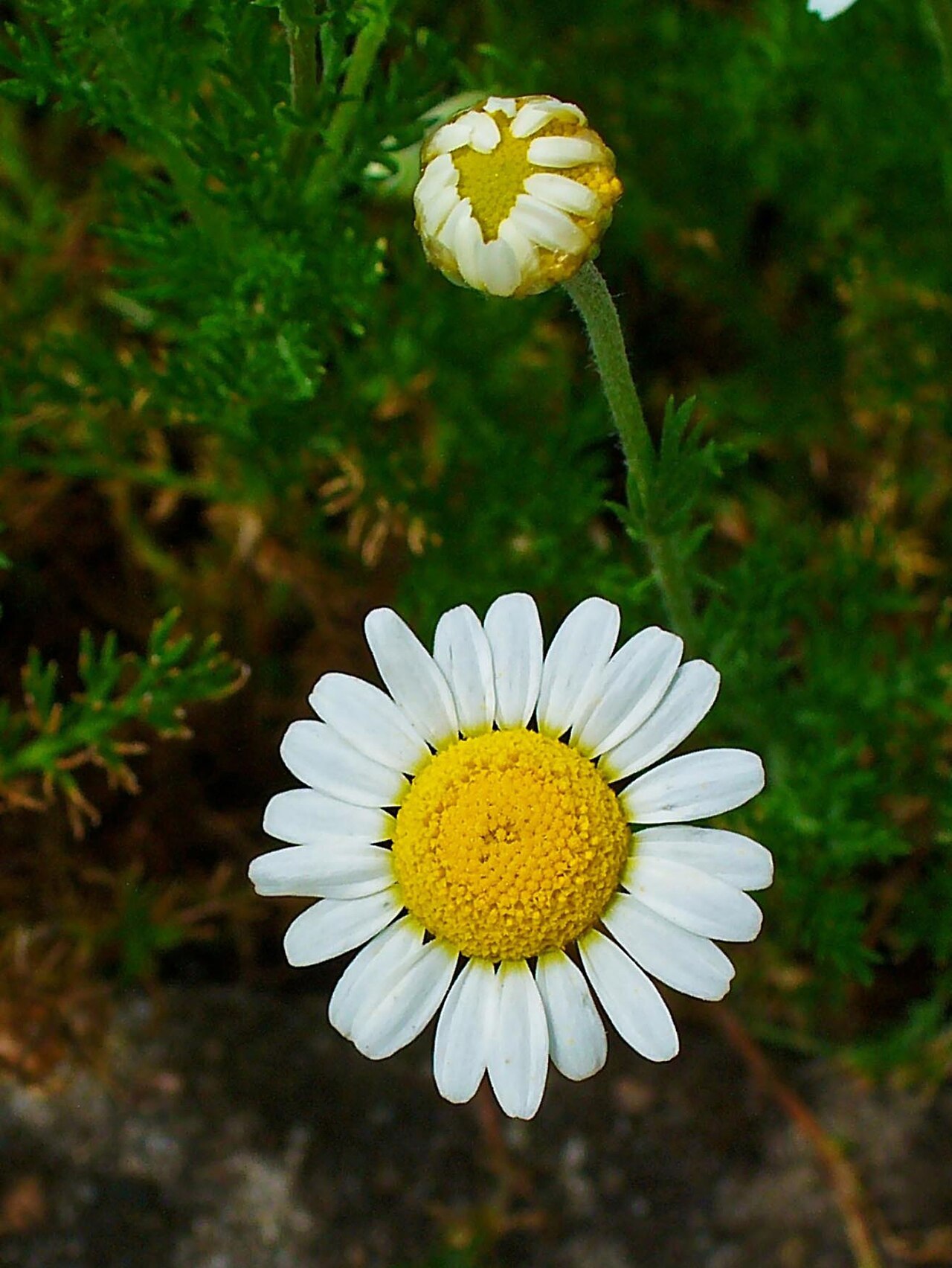
Treneague is the chamomile for people who want the scent without the flowers. It is a selection of Roman chamomile, Chamaemelum nobile, that is almost entirely sterile and non-flowering, forming a dense, low mat of feathery, apple-scented foliage that tolerates light foot traffic — the plant behind the classic chamomile lawns and seats of old gardens. No blooms means no mowing of flower heads, no deadheading, and no seed mess.
That sterility is also its honest limitation: Treneague makes no tea flowers, so if you want chamomile tea, plant Bodegold next to it and let each do its job. What Treneague does — a fragrant, soft, evergreen-feeling carpet that smells of apples when stepped on — no flowering chamomile can do, because flowering chamomiles grow tall, flop, and need cutting back. Choose the lawn, or choose the tea jar, and plant accordingly.
How to grow
Buy plants or divisions — Treneague sets little viable seed, so it is propagated by division or cuttings, and seed sold under this name will not be Treneague. Plant plugs 6–9 inches apart in spring or fall in full sun to part shade and well-drained, sandy or loamy soil; in Florida, part shade and steady moisture keep it happiest through heat.
Water in well and keep the mat lightly moist until it knits together, which takes a season. Once established, it tolerates light foot traffic and needs little mowing — an occasional trim to even the mat is enough. Top-dress with a thin layer of compost in spring and divide congested patches to fill gaps or start new mats.
Water & feeding
Water regularly while the mat establishes, keeping soil lightly moist but never waterlogged. Once knit, Treneague tolerates short dry spells but stays densest and greenest with consistent moisture — a lawn herb that goes crispy in drought is a lawn herb doing its job badly.
Feed lightly with a spring top-dress of compost or castings. Heavy fertilizer pushes soft, leggy growth that mats poorly; a lean, steady diet keeps the carpet tight.
Common problems
- Heat and drought in full Florida sun — Treneague is a cool-climate lawn plant at heart. Part shade, mulch-free open soil that breathes, and steady water are its Florida survival kit; in deep summer it may thin and will recover with fall rains.
- Soggy soil and crown rot — chamomile lawns fail in puddles. Plant on a slight rise or in well-drained soil, never in a low spot that holds water.
- Weed invasion before the mat knits — weed diligently in the first season; once Treneague closes ranks, weeds have little room, but an open mat invites them.
- Heavy foot traffic — Treneague handles light, occasional walking, not a daily shortcut or a dog run. For paths with real traffic, stepping stones through the mat beat a trampled carpet.
Harvest
There is no flower harvest here, and that is the point. Harvest the experience instead: brush or step on the mat to release the apple scent, and trim the mat with shears in spring to keep it even. Clippings from a trim are fragrant and can be scattered as a scented mulch or tucked into sachets.
Propagate by division in spring or fall: lift a section, pull it apart, and replant the pieces 6–9 inches apart. A single tray of plugs becomes a lawn in a season or two, and divisions are the only honest way to get more Treneague.
Browse all plant & pest guides
Saving seeds
Treneague is the chamomile for people who want the scent without the flowers. It is a selection of Roman chamomile, Chamaemelum nobile, that is almost entirely sterile and non-flowering, forming a dense, low mat of feathery, apple-scented foliage that tolerates light foot traffic — the plant behind the classic chamomile lawns and seats of old gardens. No blooms means no mowing of flower heads, no deadheading, and no seed mess — and no seed to save. The guide states it plainly: buy plants or divisions, because Treneague sets little viable seed, so it is propagated by division or cuttings, and seed sold under this name will not be Treneague. Divide congested patches in spring or fall to fill gaps or start new mats. The full method is in the Saving seeds section of the Chamomile guide.