
🌼 Manzana Chamomile
What it looks like
Why this variety
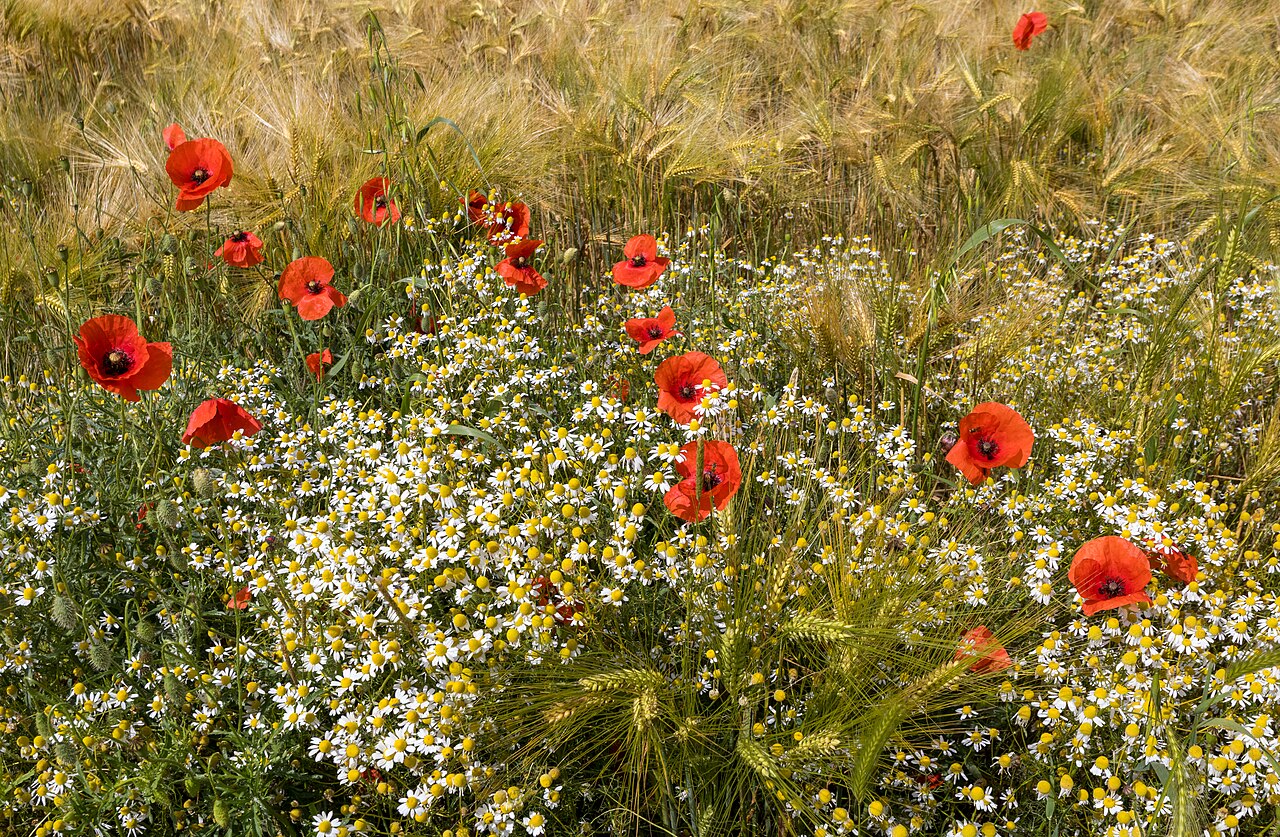
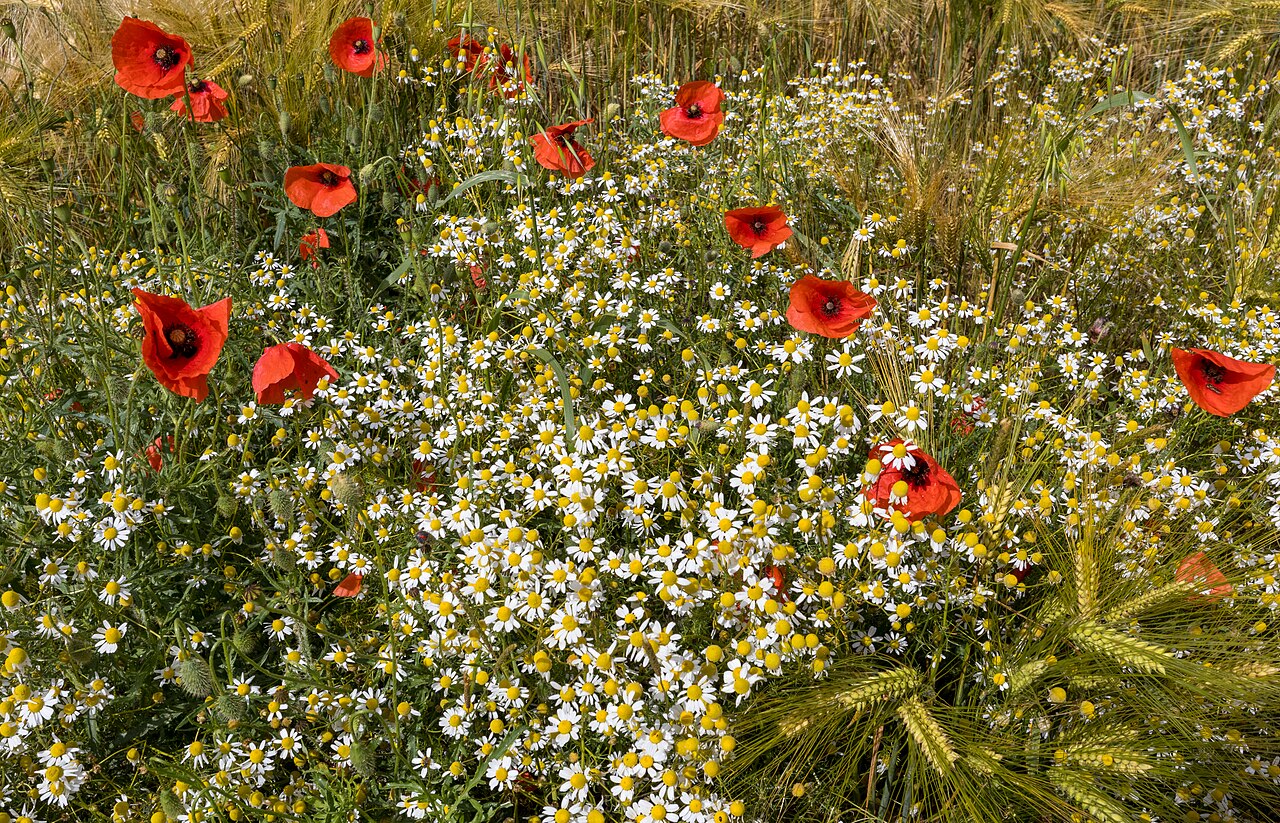
Manzana is German chamomile selected for the teapot: a vigorous, upright plant that flowers heavily over a long season, with the classic apple-like fragrance that gives chamomile its Spanish name — manzana means apple, and anyone who has buried their nose in a fresh chamomile flower knows why. The flowers are the small white daisies with golden centers that define German chamomile, produced in such numbers that a few plants can keep a household in tea.
The apple scent is not poetic license; it is chemistry. Chamomile flowers carry a blend of volatile oils — including bisabolol and related compounds — that the human nose reads as sweet, apple-like, and calming, which is why chamomile tea has been a bedtime ritual for centuries across cultures that had no contact with each other. A cultivar selected for heavy flowering is selected, in effect, for more of that chemistry per plant.
Florida translation: like all German chamomile, Manzana is a cool-season annual here — sow in fall, pick flowers through winter and spring, and let summer end the show. In a mild winter it flowers for months, and because it is vigorous, it tolerates a few warm spells better than daintier types, as long as the soil drains and the bed is not waterlogged.
How to grow
Sow seed directly in fall, barely covered — chamomile seed needs light to germinate — or start indoors and transplant young. Space 8–12 inches apart in full sun, with afternoon shade in the warmest weeks. Plants reach about 2 feet at flowering, feathery and fern-like. Keep young beds weeded; flowering plants shade out most competition themselves.
Water & feeding
Water evenly while establishing, then moderately — moist soil, not soggy beds. Mulch lightly to hold moisture in sandy soil, and water when the top inch dries out. Feed lightly with a little worm castings at planting; heavy feeding grows lush leaves and fewer flowers, which is the opposite of the goal.
Common problems
- Summer heat ending the crop — this is a fall-to-spring plant in Florida, full stop.
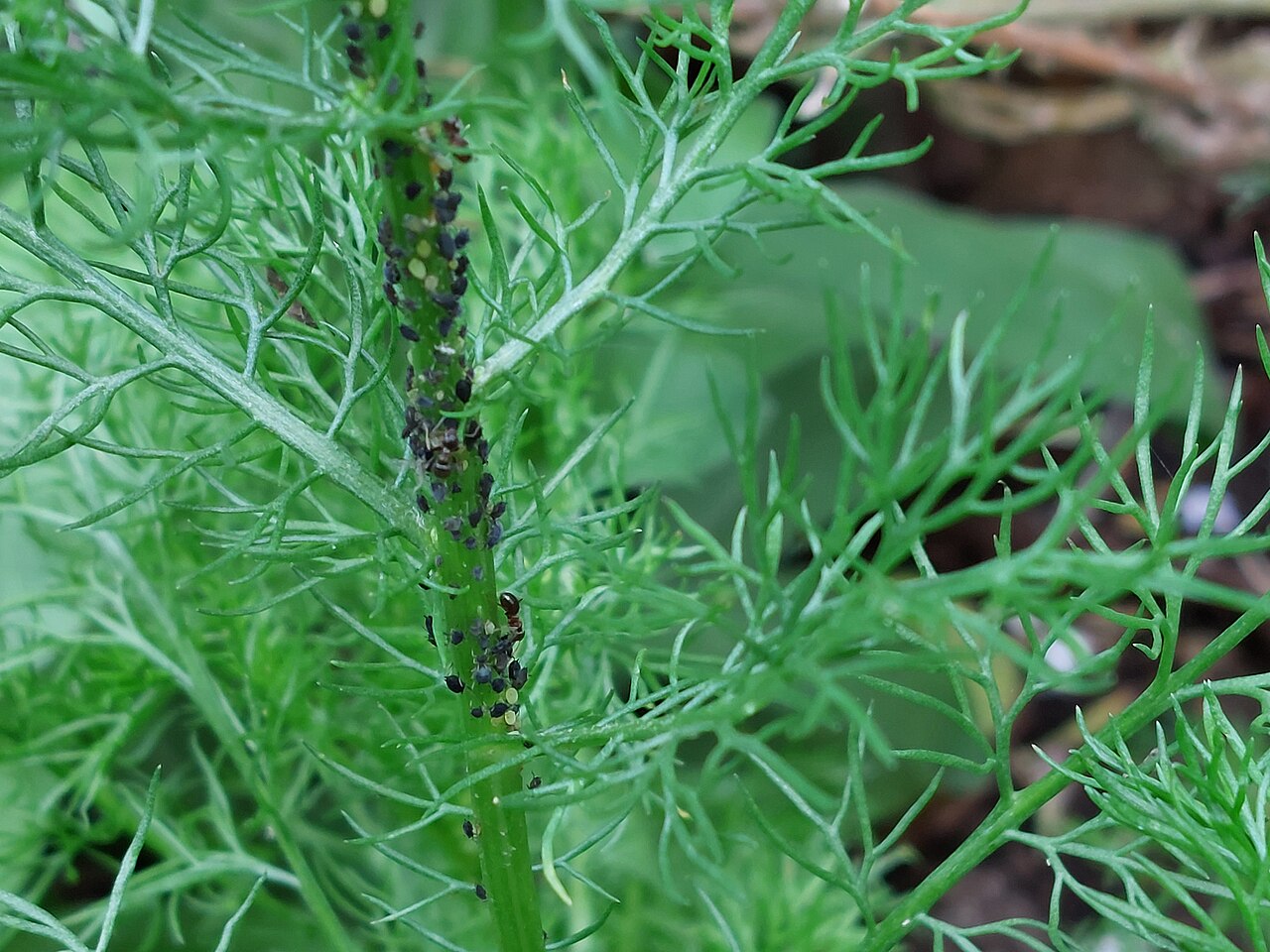
- Aphids on shoot tips — blast with water; rarely serious on a flowering crop.
- Self-sowing — a permanent patch if you let it seed, a weeding job if you do not; deadhead to control it.
- Waterlogged winter beds — chamomile forgives a lot, but standing water rots it; raised beds are the insurance.
Harvest
Pick fully open flowers in the morning after dew dries, every few days at peak — picking drives more flowering, so a picked plant out-yields an unpicked one. Dry in a single layer in a warm, airy spot out of direct sun until crisp, then store sealed. A winter bed of Manzana can fill a year’s worth of bedtime tea.
Browse all plant & pest guides
Saving seeds
Manzana is German chamomile selected for the teapot: a vigorous, upright plant that flowers heavily over a long season, with the classic apple-like fragrance that gives chamomile its Spanish name — manzana means apple. German chamomile is open-pollinated across the trade — Reimer, Fedco, and Victory all list it as open-pollinated — and Manzana is a seed-grown registered cultivar, so saved seed comes true to the heavy-flowering, apple-scented plant, though a few plants may vary in vigor. Sow seed directly in fall, barely covered — chamomile seed needs light to germinate — or start indoors and transplant young, spacing 8 to 12 inches apart in full sun. The full method is in the Saving seeds section of the Chamomile guide.