
🌼 Bodegold Chamomile
What it looks like
Why this variety
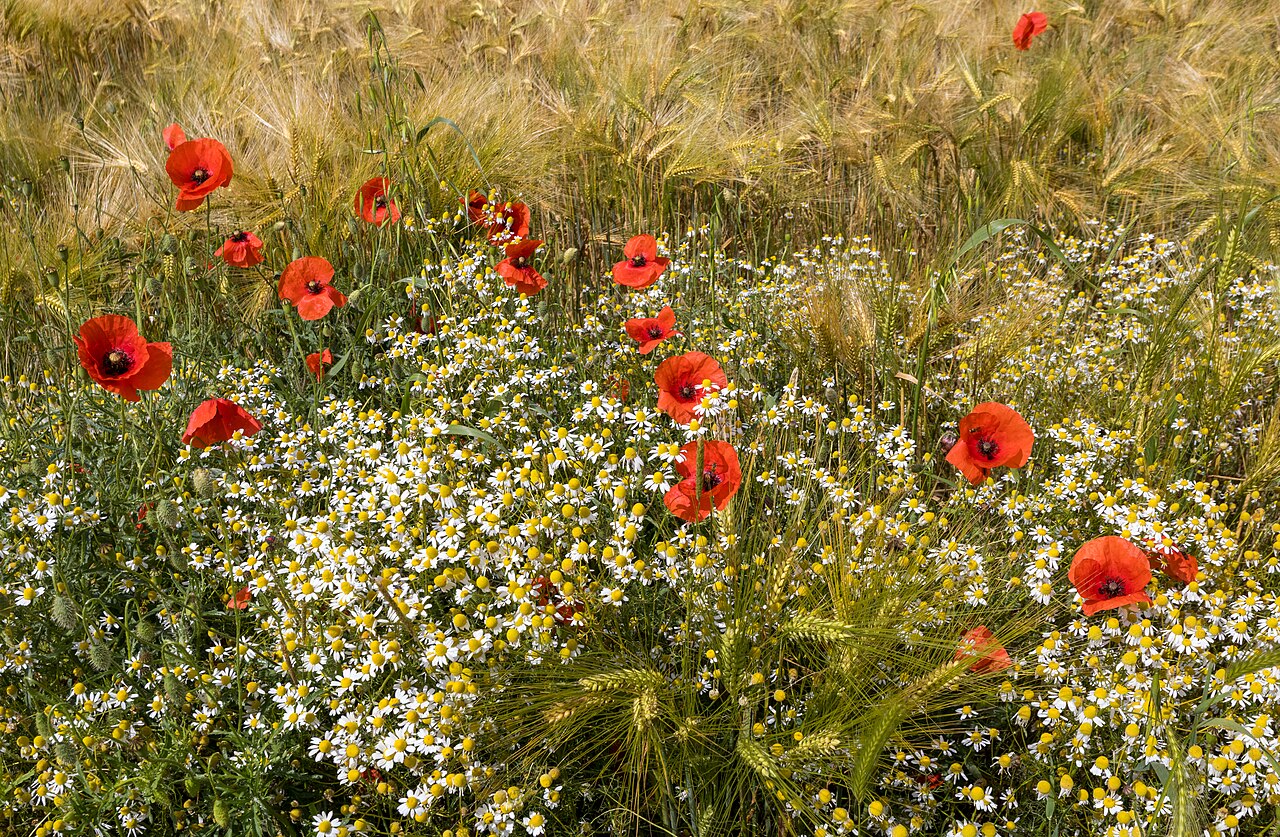
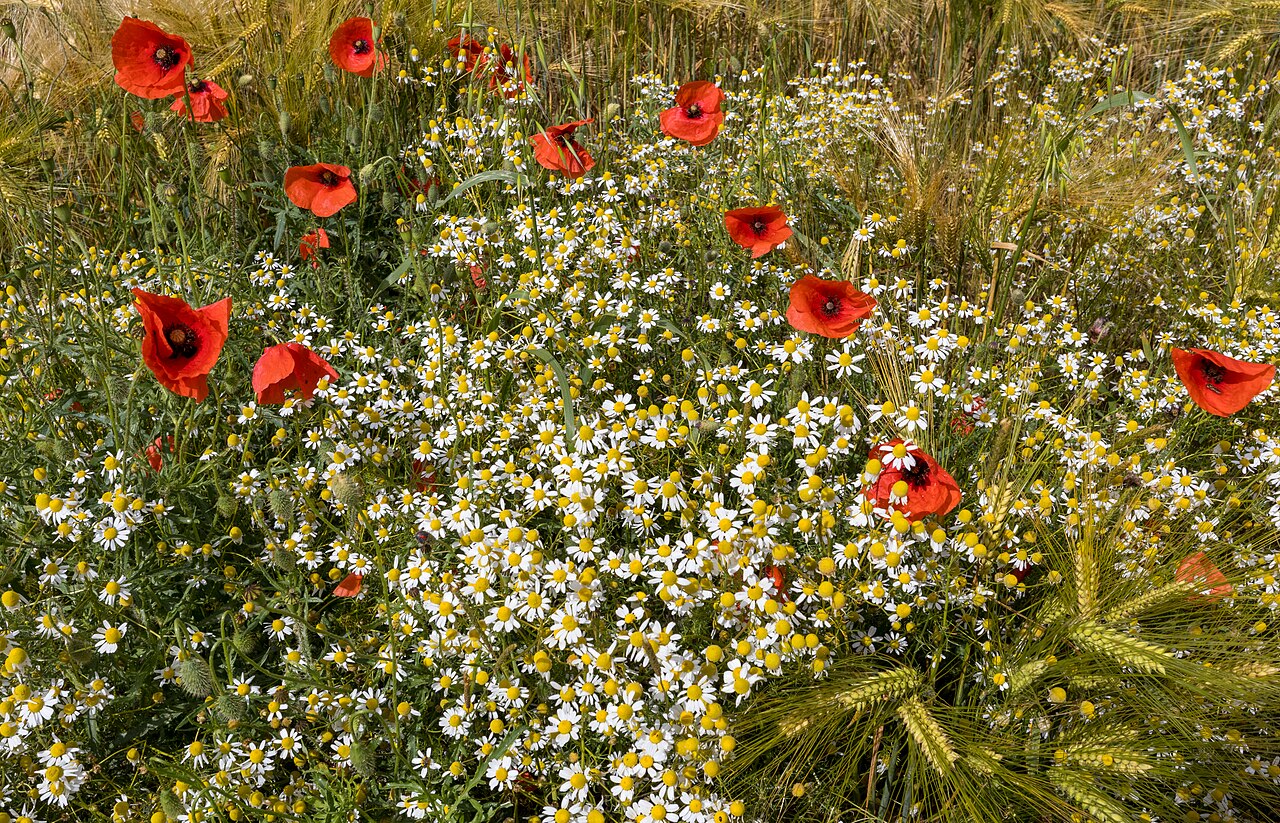
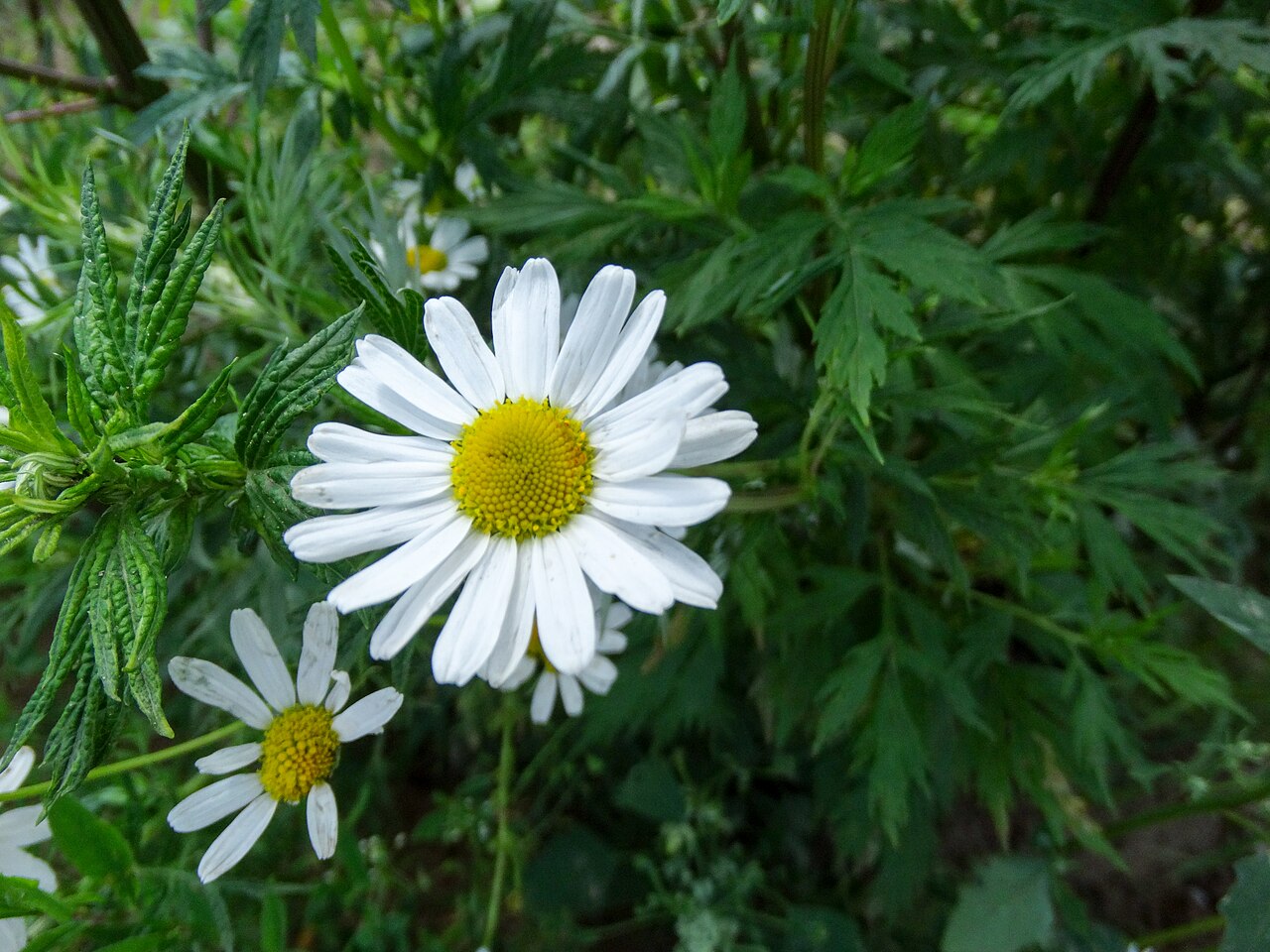
Bodegold is German chamomile with the volume turned up. It is an improved selection of Matricaria chamomilla — the annual, feathery, daisy-flowered tea herb — bred for larger flowers, higher yields, and earlier blooming than the species, with a sweet, apple-like scent that fills the jar the moment you open it. If you grow chamomile for tea rather than for looks, Bodegold is the variety that fills the jar fastest.
It is also a forgiving annual: it tolerates poor soil, self-sows politely for next year, and asks for little beyond sun and a drink in dry weather. In Florida, the trick is timing — sow it for the cool season, roughly fall through spring, and let it finish before summer heat arrives, instead of fighting the calendar the way a summer-sown patch would.
How to grow
Sow seed on the surface of moist soil and press it in lightly — chamomile seed needs light to germinate, so do not bury it. Start indoors 4–6 weeks before last frost or direct-sow after frost; in Florida, direct-sow in fall for a winter-to-spring harvest. Thin or space seedlings 6–9 inches apart in full sun and average, well-drained soil.
Water gently until established; seedlings are tiny and a hard hose blast will relocate them. Bodegold blooms several weeks earlier than older strains and flowers heavily, so deadhead or pick often — picking is deadheading with a purpose, and a picked plant keeps producing. Let a few heads go to seed at the end of the season for next year’s volunteers.
Water & feeding
Water steadily while plants establish, keeping the soil lightly moist but never soggy. Once growing, Bodegold tolerates short dry spells but flowers best with consistent moisture; in Florida’s dry cool season, a weekly deep watering beats daily sprinkles.
Feed lightly or not at all. Chamomile in rich soil grows lush and leafy with fewer flowers, which is the opposite of the harvest you want; castings at planting are plenty.
Common problems
- Heat and bolting in summer — in Florida, Bodegold is a cool-season crop. A spring-sown patch that hits summer heat will rush to seed and fade; sow in fall instead.
- Damping off in soggy seed beds — sow on the surface in well-drained mix, water gently, and give seedlings air; crowded, wet seedlings collapse fast.
- Aphids on flower heads in warm weather — pick affected heads for the compost (not the tea jar) and let the plant outgrow them; heavy infestations usually mean the plant is already heat-stressed.
- Self-sowing enthusiasm — Bodegold volunteers freely. Treat volunteers as next year’s crop and thin them, or deadhead before seed ripens if you want a tidy bed.
Harvest
Pick flower heads when the white petals are fully open and the yellow centers are plump, ideally in the morning after dew dries. Pinch or snip heads individually — a chamomile rake works for big patches — and spread them in a single layer to air-dry out of direct sun until they are papery and crisp.
Store dried heads whole in a sealed jar; crush only when brewing. A well-grown Bodegold patch yields jar after jar from a small footprint, and the flavor — sweet, apple-like, gently honeyed — is why this variety, not generic chamomile, is the one seed houses keep restocking.
Browse all plant & pest guides
Saving seeds
Bodegold is an improved selection of German chamomile, so it comes true from seed — save seed from your best plants and let a few heads go to seed at the end of the season. The full method is in the Saving seeds section of the Chamomile guide.