
🥬 Misome Tatsoi
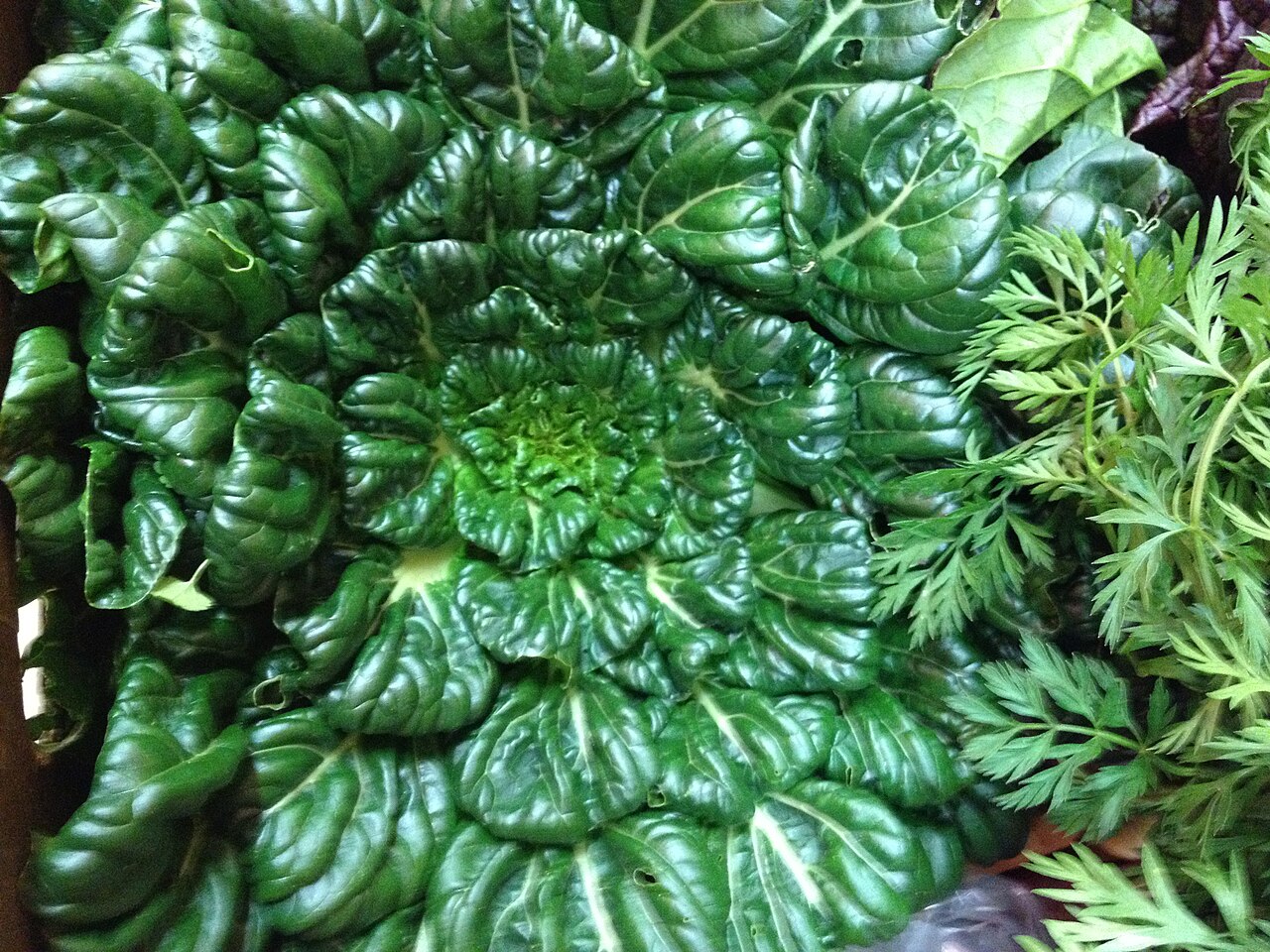
What it looks like
Why this variety
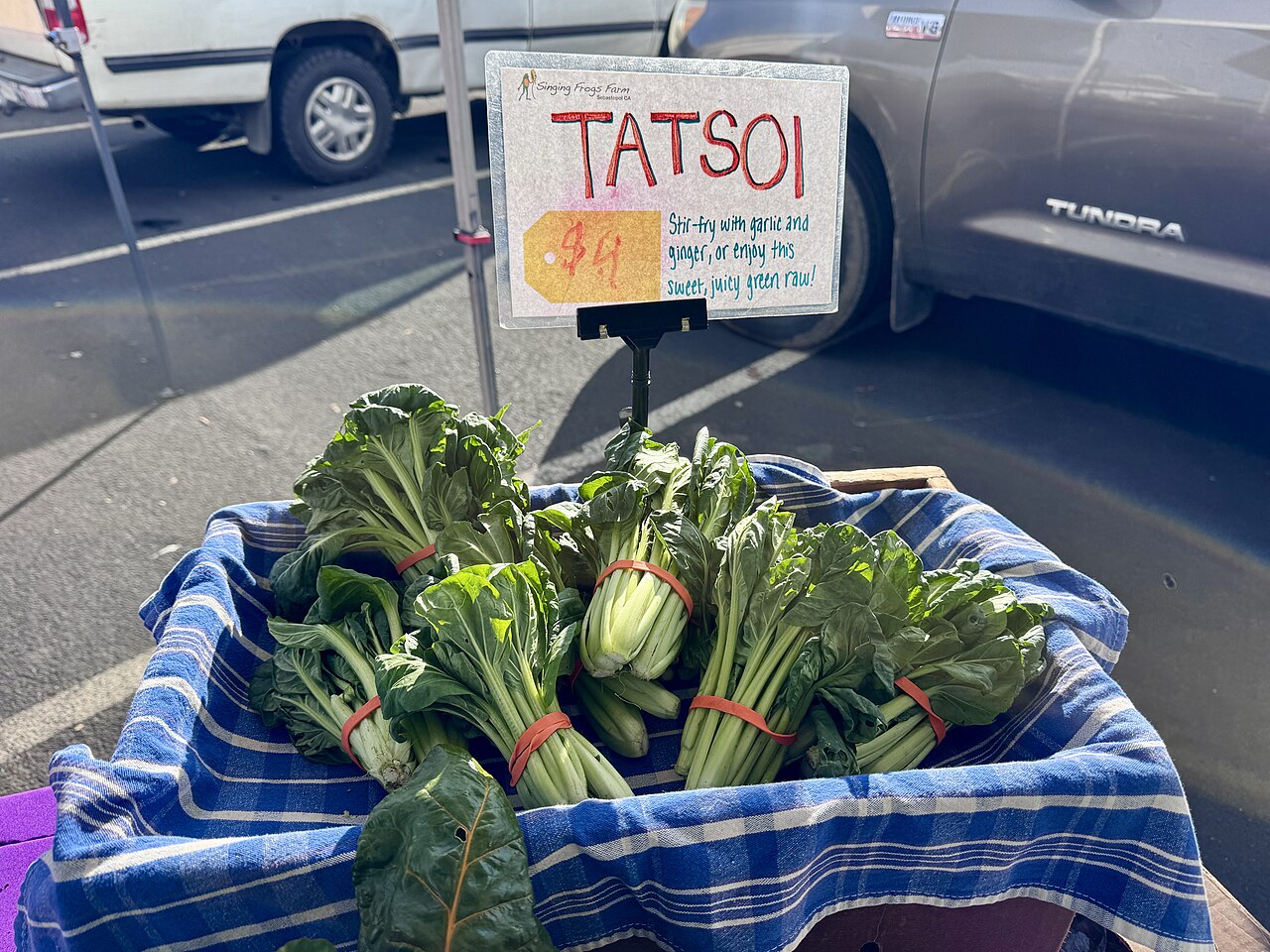
Misome is the hybrid vigor kid of the Asian greens: a cross between tatsoi and komatsuna, with glossy, spoon-shaped leaves, steady growth, and regrowth that keeps coming after cutting. Seed houses list it under tatsoi, and it grows like one — a low rosette with thick, juicy stems — but with a little extra stamina in spring weather that stops other greens.
Honesty note, because this site is picky about it: Misome is a tatsoi x komatsuna hybrid, not a pure tatsoi selection. That cross is exactly why it performs — hybrid vigor plus komatsuna’s tolerance for variable spring conditions. If you want a tatsoi that handles a Florida spring better than most, this is the one to try.
How to grow
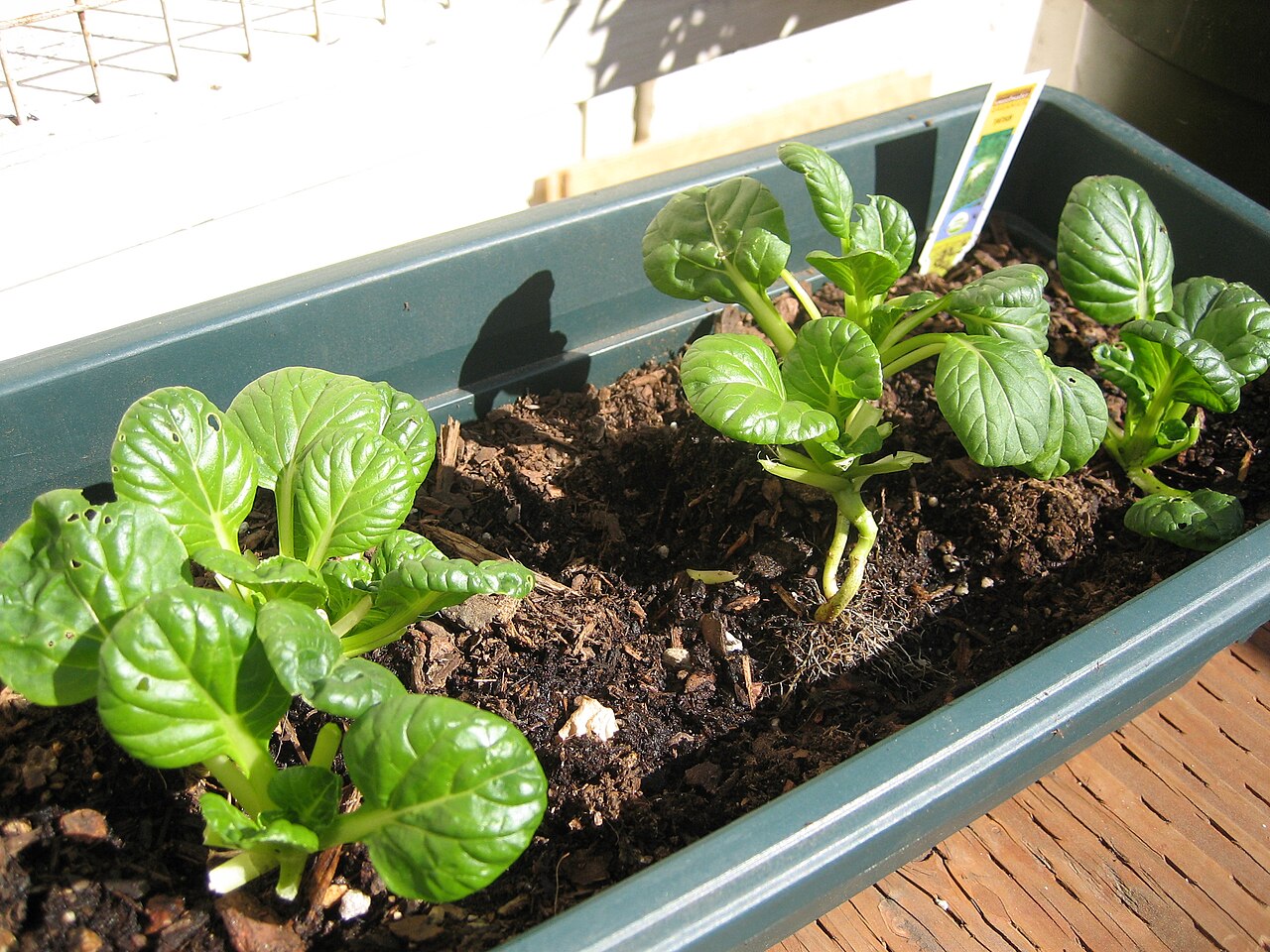
Sow seeds 1/4 inch deep, direct in the bed or started indoors and transplanted at 3–4 weeks. Thin to 6–8 inches apart so rosettes have room to flatten out — crowded tatsoi grows upright and leggy instead of forming its signature spoon-shaped rosette. Tatsoi is fast: baby leaves in about three weeks, full rosettes in 40–50 days.
In Florida, tatsoi is a fall-through-spring green with real frost tolerance — it shrugs at cold that would finish lettuce. Plant it for fall and winter harvest, and let it run into early spring; sustained heat and long days push it to bolt, so the last sowing should finish before summer settles in. Rich, moist soil and mulch keep rosettes tender.
Water & feeding
Tatsoi wants about an inch of water a week, steady and at the soil line, with mulch to hold it. Its shallow rosette roots dry out fast in sandy soil, so water more often in smaller doses rather than flooding once a week. Feed with worm castings at planting and one light side-dress as rosettes fill; tatsoi is a moderate feeder, and heavy nitrogen grows big soft leaves that slugs adore. A dry spell followed by a soaking can split stems, so steadiness beats drama.
Common problems
- Flea beetles — tiny shot-holes in young leaves. Row cover at sowing is the simplest prevention; vigorous plants outgrow light damage.
- Cabbageworms and loopers — green caterpillars chewing holes. Hand-pick or use Bt spray, which targets caterpillars and nothing else.
- Slugs and snails — ragged holes and slime trails, worst in wet weather. Beer traps, boards flipped in the morning, and mulch pulled back from rosettes help.
- Aphids — clusters on undersides and in the rosette heart. Blast with water or use insecticidal soap; check the center before cooking.
- Bolting in heat and long days — a central flower stalk means the season is over for that plant. Plant for the cool months, harvest promptly, and succession-sow.
- Clubroot — swollen roots and wilting in acidic, wet soil. Rotate out of brassicas, lime acidic soil toward neutral, and improve drainage.
Harvest
Snip outer leaves at any size for salads and cooking, or cut the whole rosette at the base when it is full and flat — usually 6–12 inches across. Harvest in the morning when leaves are crisp. Tatsoi regrows from the center after an outer-leaf harvest, so one planting can give several pickings before it bolts. Use within a few days; the spoon-shaped leaves wilt faster than cabbage but cook in about a minute.
Browse all plant & pest guides
Saving seeds
Misome is the hybrid vigor kid of the Asian greens: a cross between tatsoi and komatsuna, with glossy, spoon-shaped leaves, steady growth, and regrowth that keeps coming after cutting. Seed houses list it under tatsoi, and it grows like one — a low rosette with thick, juicy stems — but with a little extra stamina in spring weather that stops other greens. Honesty note, because this site is picky about it: Misome is a tatsoi x komatsuna hybrid, not a pure tatsoi selection, so it does not come true from seed — saved seed would give you variable plants, not another Misome. Sow seeds 1/4 inch deep, direct in the bed or started indoors and transplanted at 3 to 4 weeks, and thin to 6 to 8 inches apart. The full method is in the Saving seeds section of the Tatsoi guide.