
🪻 Royal Velvet Lavender
What it looks like
Why this variety
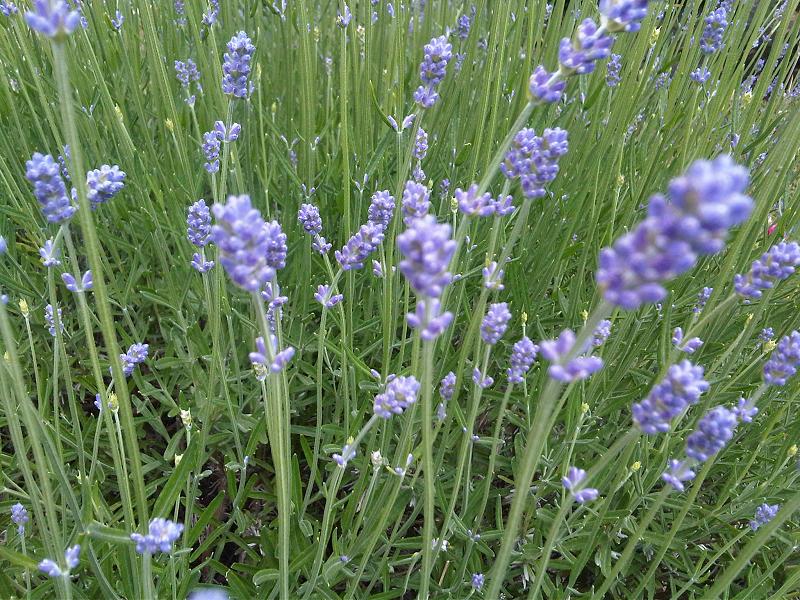
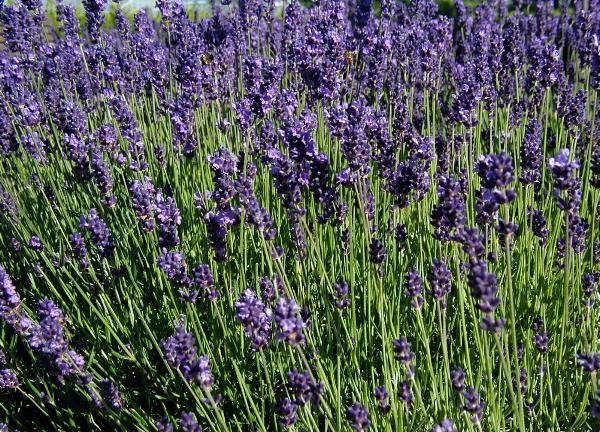
Royal Velvet is English lavender at its most luxurious: compact plants about 2 feet tall, covered in long, deep purple flower spikes with a velvety texture and a rich, sweet fragrance that carries across a patio. It was selected for flower size, color depth, and stem length — the English lavender you plant when you want cutting stems, not just a pretty mound.
Florida honesty, as with all English lavender: this is a cool-climate plant, so in North Florida it can be a perennial with excellent drainage and airflow, while further south it is best planted in fall and enjoyed as a glorious cool-season annual through spring. Plant it like you mean it for one great season, in a raised bed or pot, and it will earn its keep.
How to grow
Plant transplants in fall in Florida (spring further north) in full sun, on a raised bed or mound, 18 to 24 inches apart for airflow. Shear spent stems after the first flush for rebloom, and shape lightly in late winter to keep the plant from going woody and open. Propagate from cuttings to keep the cultivar true.
Florida soil needs the lavender treatment: slightly alkaline pH of 6.5 to 7.5, lean and gritty, with compost or worm castings and a little garden lime worked in before planting to lift pH and the soil’s nutrient-holding capacity. Gravel mulch keeps the crown dry; wood mulch holds humidity against the stem and invites rot.
Water & feeding
Water deeply but infrequently to establish, then let soil dry between waterings — lavender would rather be thirsty than soggy. Water at the base in the morning, never overhead in the evening. Feed almost nothing: a spring top-dressing of compost or castings is plenty.
Common problems
- Root and crown rot in wet soil: plant high, drain well, gravel-mulch, never wood-mulch against the stem.
- Fungal disease in humid, still air: space generously and site where breezes reach the plant.
- Woody, open centers with age: shear after flowering and replace every few years.
- Heat collapse in deep summer: in Central and South Florida, fall planting and a cool-season show is the honest plan.
Harvest
Cut stems just as buds color up but before they fully open — peak fragrance and oil. Bundle and hang upside down in a dark, airy spot to dry, or strip buds for sachets and baking. Royal Velvet’s long stems make it one of the best English lavenders for dried bundles.
Browse all plant & pest guides
Saving seeds
Royal Velvet is English lavender at its most luxurious: compact plants about 2 feet tall, covered in long, deep purple flower spikes with a velvety texture and a rich, sweet fragrance that carries across a patio. It was selected for flower size, color depth, and stem length — the English lavender you plant when you want cutting stems, not just a pretty mound. As a named lavender it is kept true by cuttings, not by seed — propagate from cuttings to keep the cultivar true. Plant transplants in fall in Florida (spring further north) in full sun, on a raised bed or mound, 18 to 24 inches apart for airflow. Shear spent stems after the first flush for rebloom, and shape lightly in late winter to keep the plant from going woody and open. The full method is in the Saving seeds section of the Lavender guide.