
🌼 Lutea Chamomile
What it looks like
Why this variety
Lutea is German chamomile bred for the laboratory as much as the teapot: an improved European cultivar that, in comparative trials alongside Zloty Lan and a native landrace, met European Pharmacopoeia standards for essential oil content and showed significantly higher flavonoid content than the landrace. In plain language, it is a uniform, high-yielding German chamomile with the chemistry to back up its reputation.
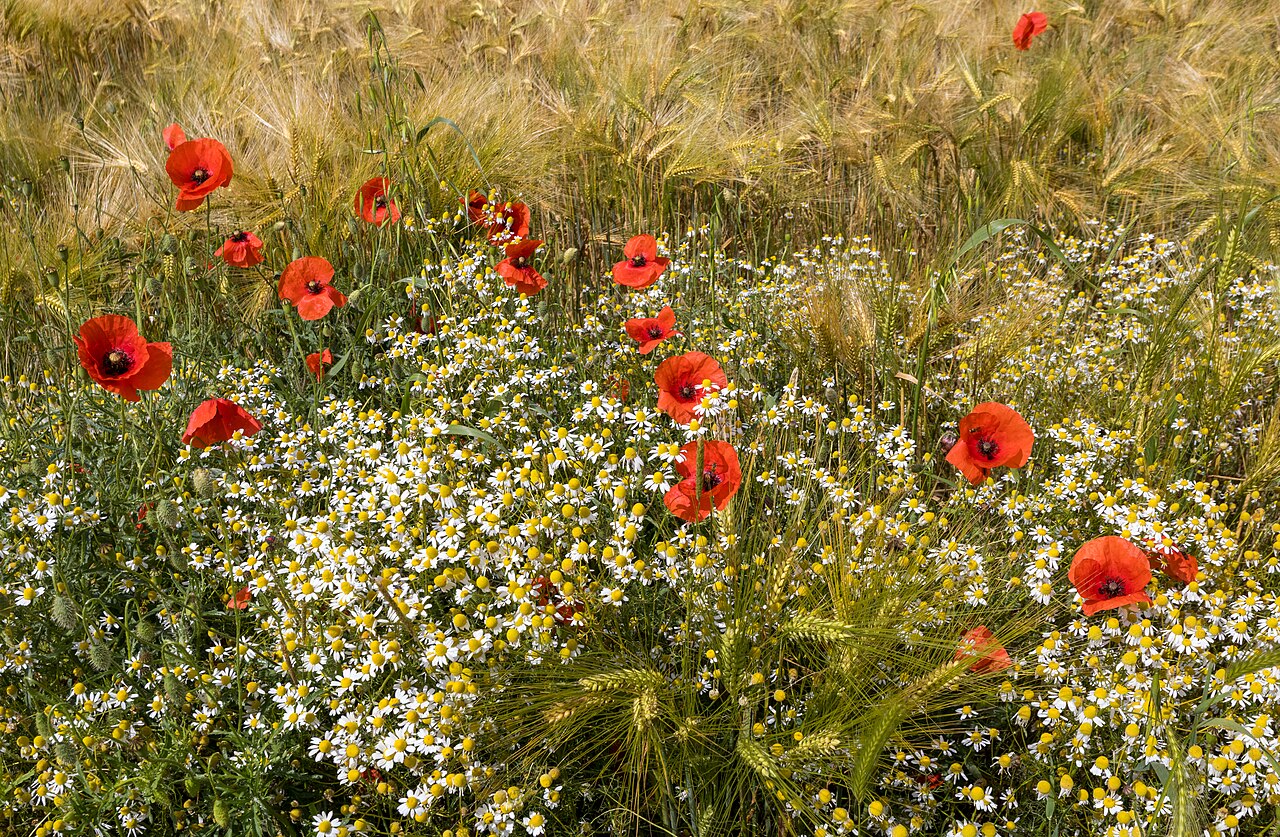
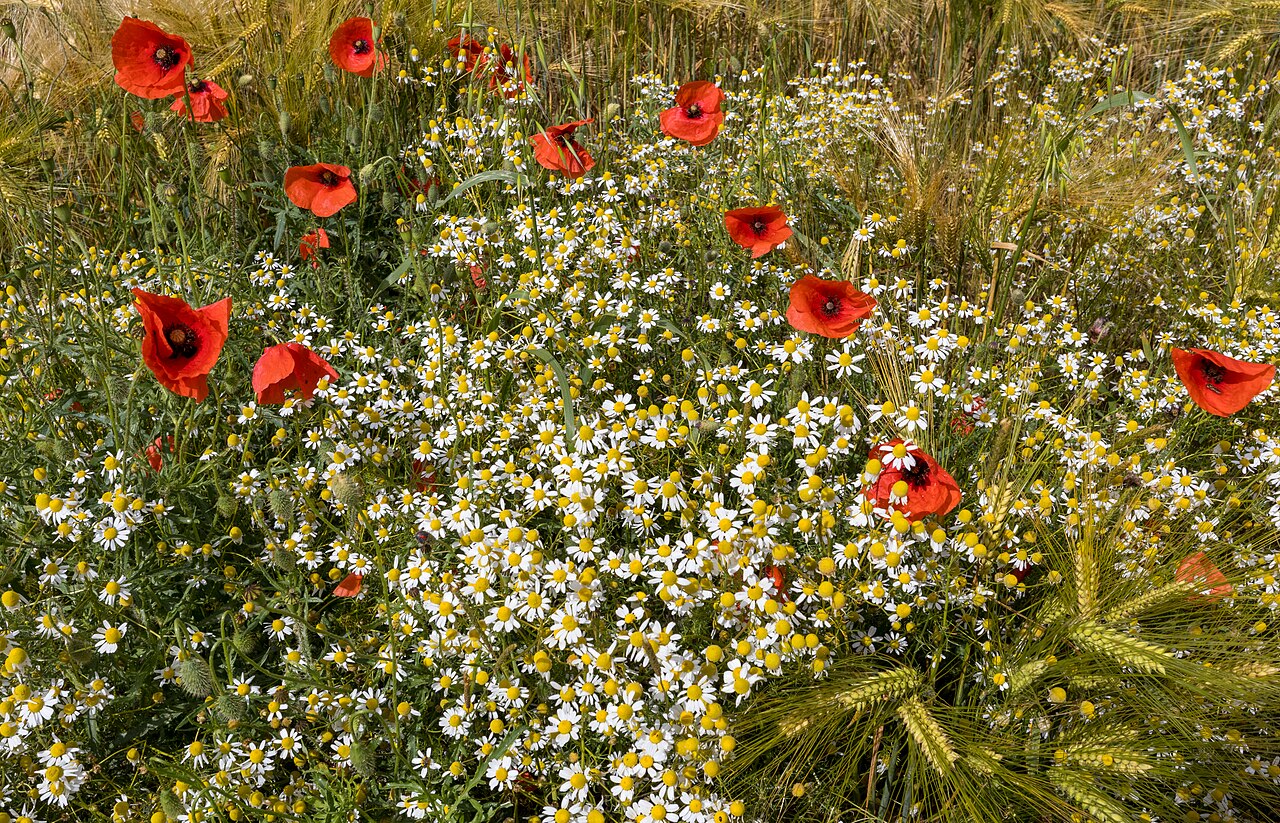
For tea gardeners, Lutea is the steady producer: uniform plants, abundant small white-and-yellow daisy flowers, and a sweet apple scent that dries beautifully. Grow it alongside Zloty Lan and you can taste the difference between two improved cultivars — one bred big and bold, the other bred uniform and rich.
How to grow
Sow seed on the soil surface — chamomile seed needs light to germinate, so do not bury it — in fall in Florida, or spring further north. Press gently into moist soil, keep damp until seedlings appear in 7 to 14 days, then thin to 8 to 12 inches apart. In Florida, treat it as a cool-season annual: sow in fall, harvest through winter and spring, and let it self-sow or replant when summer heat ends the show.
Florida soil is the plot twist: sugar sand drains fast, holds almost no nutrients (low cation exchange capacity, or CEC — the soil’s ability to hold onto positively charged nutrients like potassium and calcium), and dries to dust between summer storms. Work compost or worm castings into the bed before planting: castings hold water and nutrients in the root zone without burning roots, and they feed the microbes that make those nutrients plant-available. Mulch thickly; bare sand is a weed invitation and a moisture leak.
Water & feeding
Water gently while seedlings establish — a hard spray washes dust-fine seed away. Once growing, water at the base and let the top of the soil dry slightly between waterings; steady moisture gives the best flower harvest. Feed lightly: compost or castings at planting is plenty, and rich fertilizer grows leaves at the expense of flowers.
Common problems
- Damping off in wet seedbeds: surface-sow in well-drained soil and avoid overwatering seedlings.
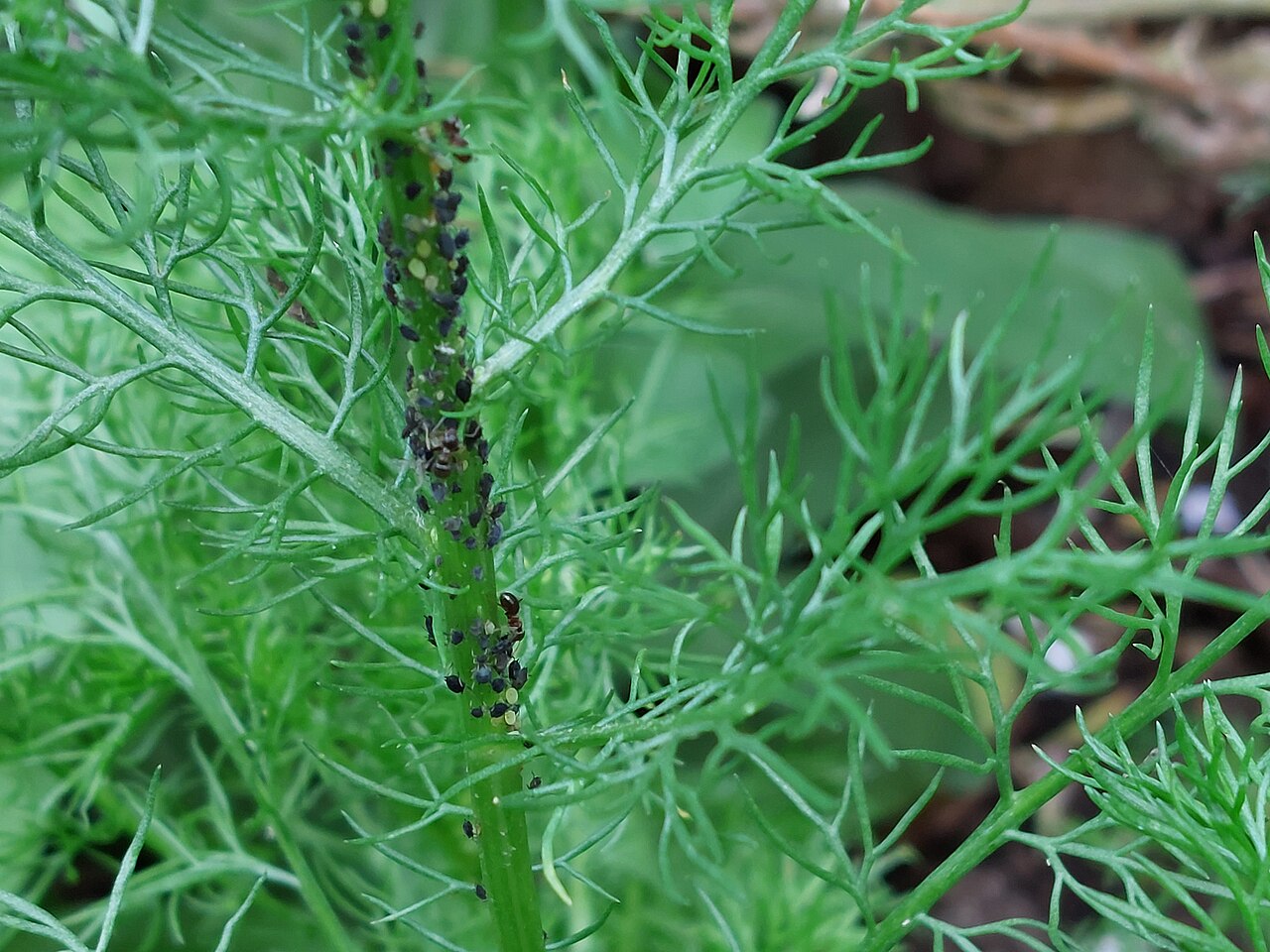
- Aphids on flower heads: blast with water; plants usually outgrow them.
- Heat shutdown in Florida summer: fall sowing and a cool-season harvest is the plan, not a workaround.
- Ragweed relatives: chamomile is in the daisy family, so people with ragweed allergies should try it cautiously.
Harvest
Pick fully open flowers on a dry morning after dew dries — peak oil. Dry heads in a single layer in a dark, airy spot until papery, then store sealed and out of light. Leave a few heads to mature and the patch self-sows for next season.
Browse all plant & pest guides
Saving seeds
Lutea is German chamomile bred for the laboratory as much as the teapot: an improved European cultivar that met European Pharmacopoeia standards for essential oil content, with uniform plants and abundant small white-and-yellow daisy flowers. German chamomile is open-pollinated — Fedco, Johnny’s, and Thresh all list it OP — so saved seed comes true to the uniform, high-yielding plants, though chamomile is mostly outcrossing, so grow one variety if you want to keep it pure. Sow seed on the soil surface in fall in Florida, since chamomile seed needs light to germinate, and let it self-sow or replant when summer heat ends the show. The full method is in the Saving seeds section of the Chamomile guide.