
🌳 Shangri La Mulberry
Spacing is the mature planting distance between plants; Days to harvest is the time to first fruit.
What it looks like
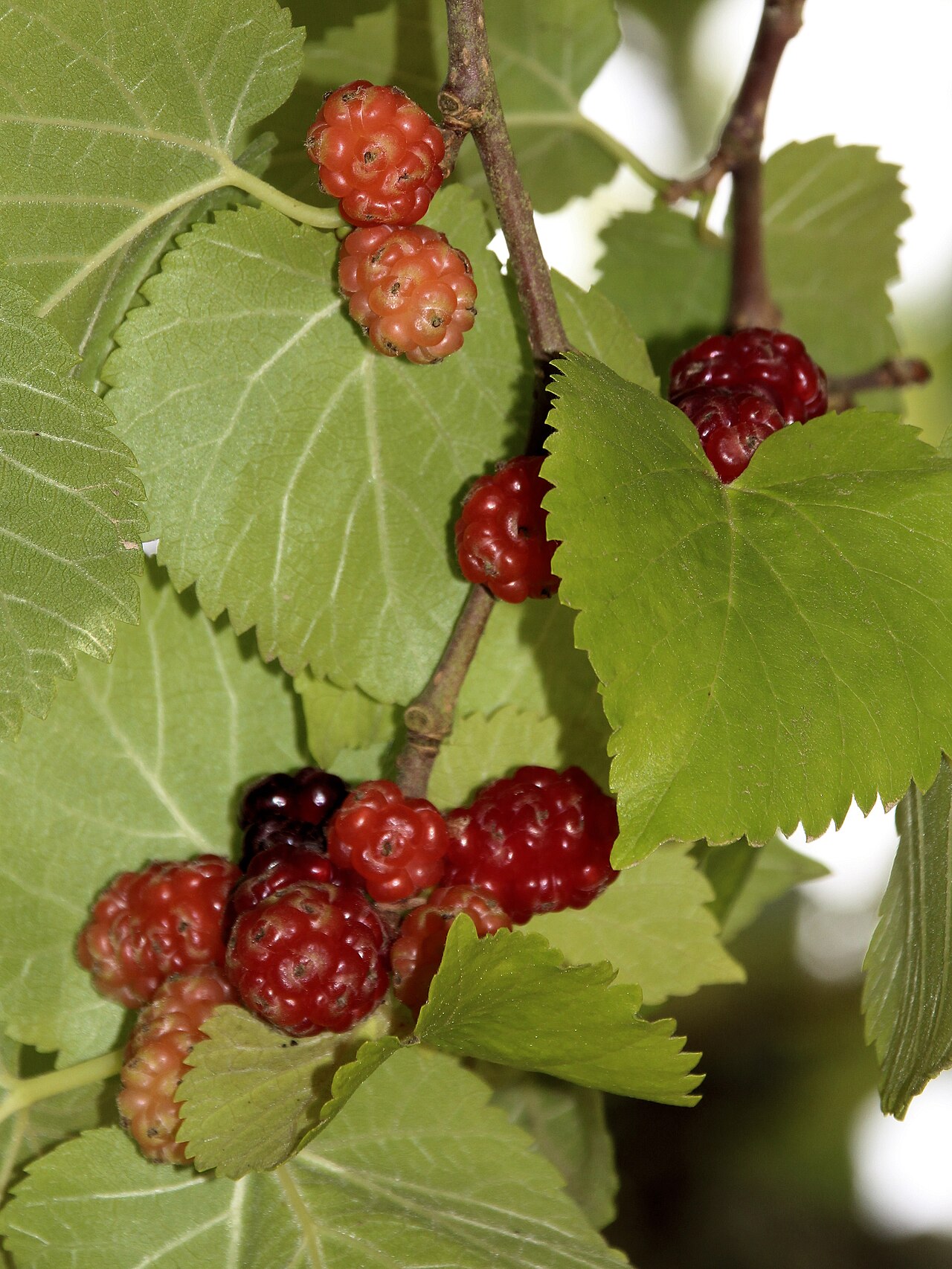
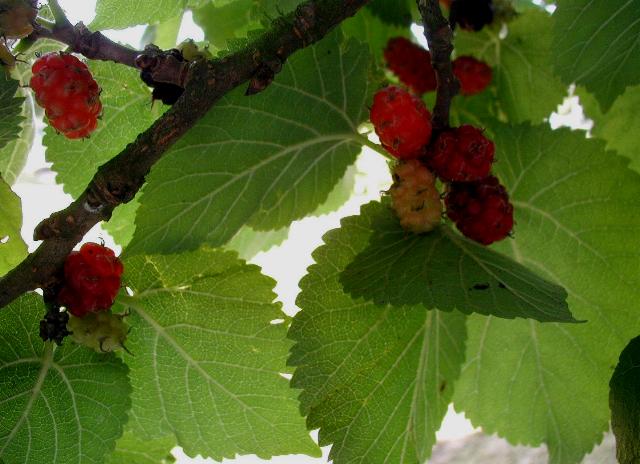
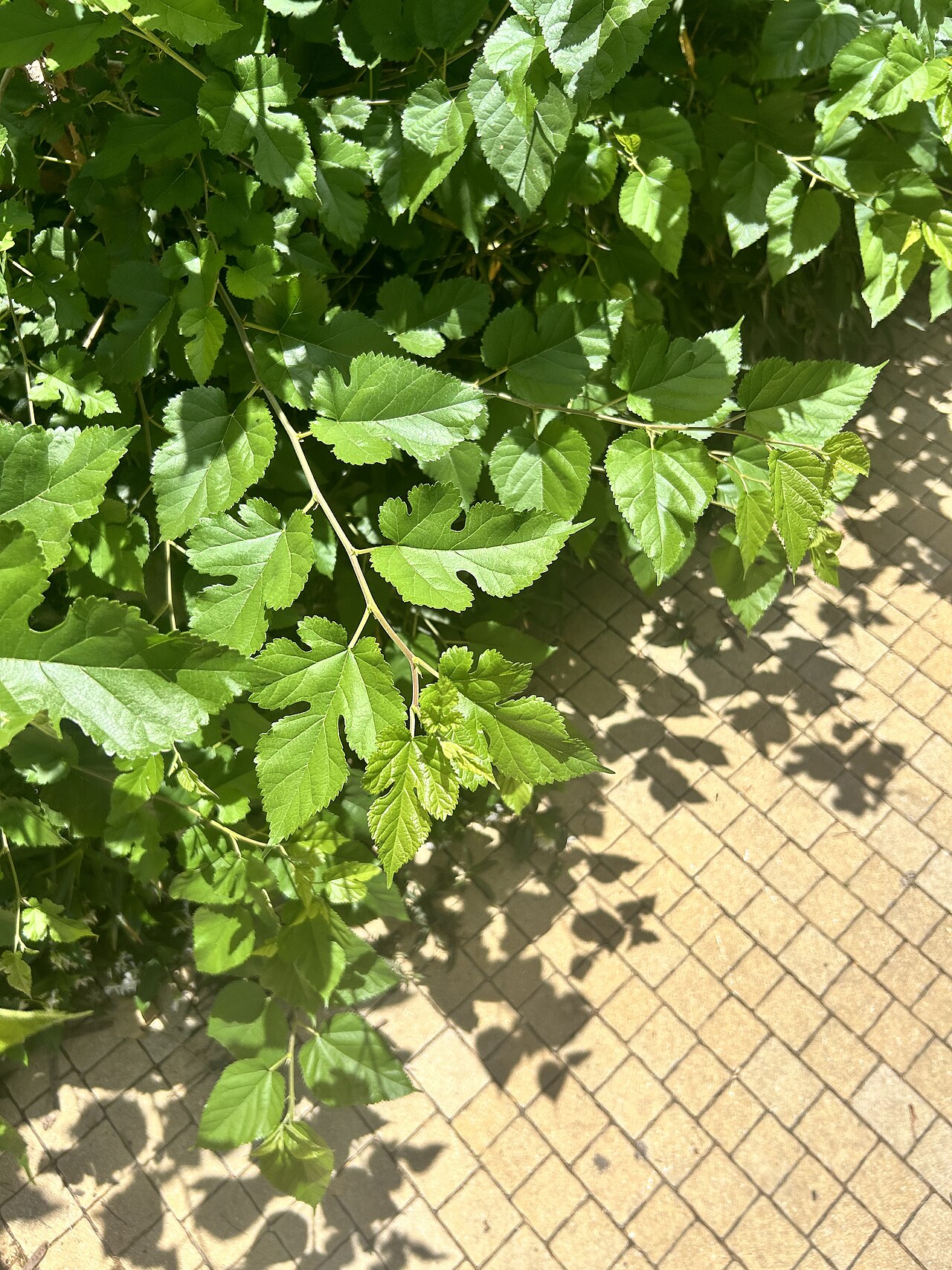
Why this variety
Shangri La is the mulberry for Florida gardens that want fruit for months, not weeks: large, sweet, black fruit over an exceptionally long season, on a vigorous tree that loves heat and tolerates Florida’s soils with cheerful indifference. Its berries are sweet enough for fresh eating and plentiful enough for jam, pies, and freezing, and its season stretches so long that picking becomes a daily habit rather than a weekend event.
Shangri La grows fast, so prune yearly in winter to hold picking height and to keep the tree’s shape open; a mulberry allowed to become a giant is a mulberry whose fruit feeds birds you never see. Site it away from patios, cars, and light paths — the staining fruit is the tree’s one design flaw, and no pruning fixes a bad location.
Florida note: Shangri La is a genuine Florida mulberry, fruiting statewide where freezes are not severe, and a container or sheltered tree further north. Mulch thick, water deeply while establishing, and pick daily in season, because ripe mulberries on the ground ferment fast in Florida heat.
For the species as a whole, see the Mulberry growing guide.
How to grow
Mulberry is the tree that forgives almost everything except a white car parked underneath it in fruit season. Plant in full sun in any reasonably drained soil — mulberries tolerate sand, clay, and neglect with equal cheer — and give the tree its mature width, because a mulberry kept small by constant hacking is a mulberry that spends its energy regrowing instead of fruiting. Water in deeply at planting, mulch thick, and then mostly stand back: young trees fruit within a year or two, and mature trees can rain fruit for months.
Prune in winter to keep the tree at picking height and to remove crossing wood; mulberries fruit on new growth, so a yearly shape-up both controls size and invites a fresh crop. If the tree is over a patio, path, or driveway, site it elsewhere now — the staining fruit is the tree’s one real design flaw, and no amount of pruning fixes a bad location. Birds love mulberries, which is both a pest note and a feature: plant one as a decoy tree and the birds may leave your other fruit alone.
Water & feeding
Water deeply while establishing, then back off — established mulberries are notably drought-tolerant, and steady, moderate water beats feast-or-famine. In sandy soil, a deep soak once a week in dry weather keeps fruit sizing well; overwatering in a rainy summer mostly just grows more leaves. Feed lightly: castings at planting and a modest spring feed are plenty, and excess nitrogen delays fruiting and grows soft wood that snaps in storms.
Common problems
- Birds — the main harvest competition; net small trees, or plant enough to share and pick daily.
- Fruit stain — site trees away from patios, cars, and light-colored paths; the fruit’s purple pigment is famously permanent.
- Popcorn disease (fungal) in humid weather — swollen, pale fruit that never ripens; remove affected fruit and space for airflow.
- Root-knot nematodes in sandy soil — mulch well and favor vigorous varieties that outgrow light pressure.
Harvest
Pick when the berry is fully dark, soft, and sweet — underripe mulberries are tart and a little green-tasting, and ripe ones fall at a touch, so spread a sheet under the tree and shake gently on a calm morning. Eat fresh, freeze for smoothies, or cook into jam and pies; mulberries freeze beautifully and keep their flavor better than most soft fruit. Pick daily in season, because ripe fruit on the ground ferments fast in Florida heat and attracts every insect in the neighborhood.
Nerdy fact: Silkworms eat mulberry leaves and nothing else — the entire silk industry rests on one tree genus. A mulberry in your yard is therefore a silkworm farm, a bird feeder, and a jam factory at once, which is a better resume than most fruit trees manage.
Saving seeds
Shangri La is the mulberry for Florida gardens that want fruit for months, not weeks: large, sweet, black fruit over an exceptionally long season, on a vigorous tree that loves heat and tolerates Florida’s soils with cheerful indifference. Its berries are sweet enough for fresh eating and plentiful enough for jam, pies, and freezing, and its season stretches so long that picking becomes a daily habit rather than a weekend event. As a named mulberry it is kept true by cuttings, not by seed — plant in full sun in any reasonably drained soil: mulberries tolerate sand, clay, and neglect with equal cheer — and give the tree its mature width, because a mulberry kept small by constant hacking is a mulberry that spends its energy regrowing instead of fruiting. Prune in winter to keep the tree at picking height and to remove crossing wood; mulberries fruit on new growth, so a yearly shape-up both controls size and invites a fresh crop. The full method is in the Saving seeds section of the Mulberry guide.