
🫐 Mulberry
What it looks like
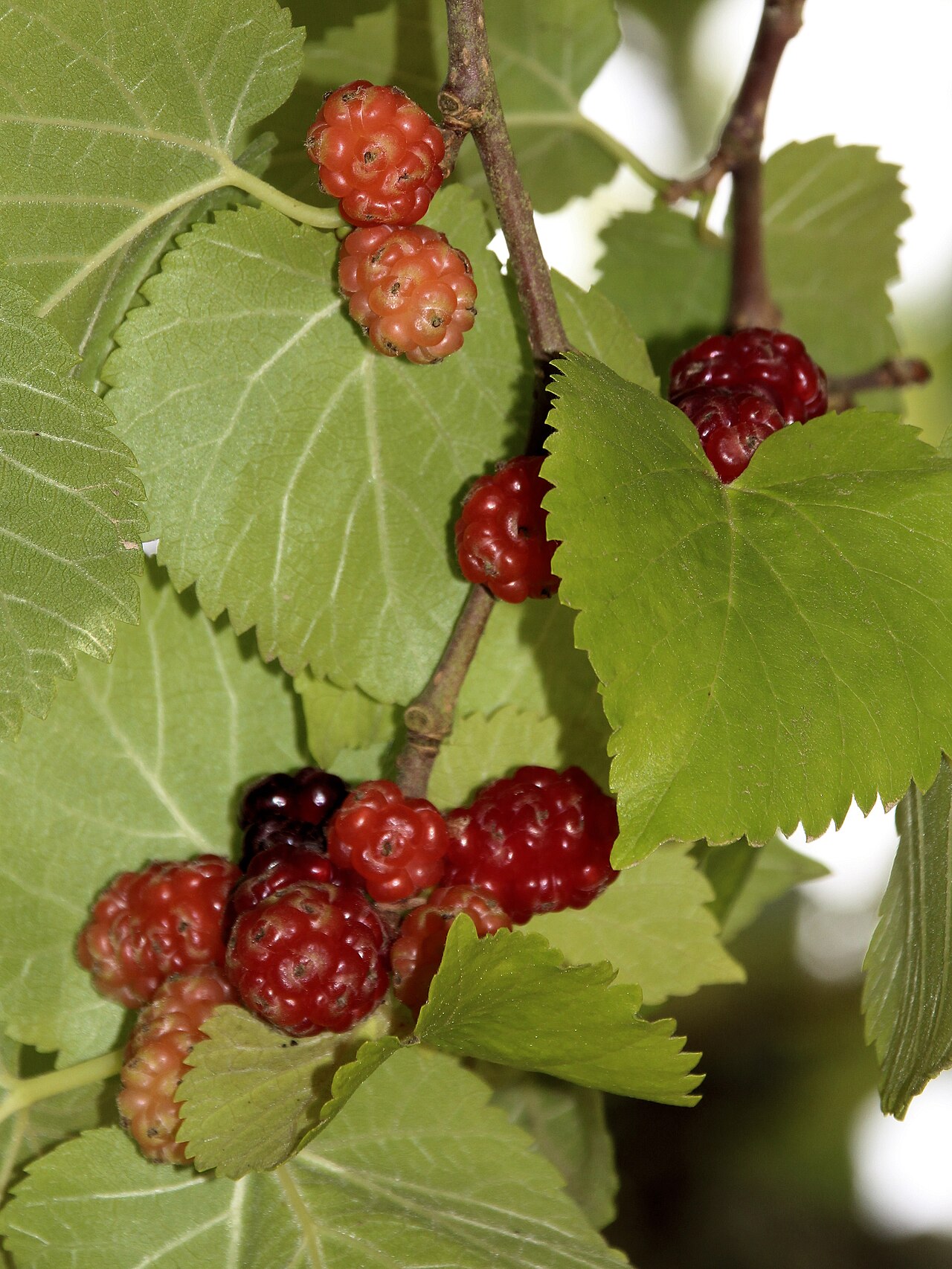
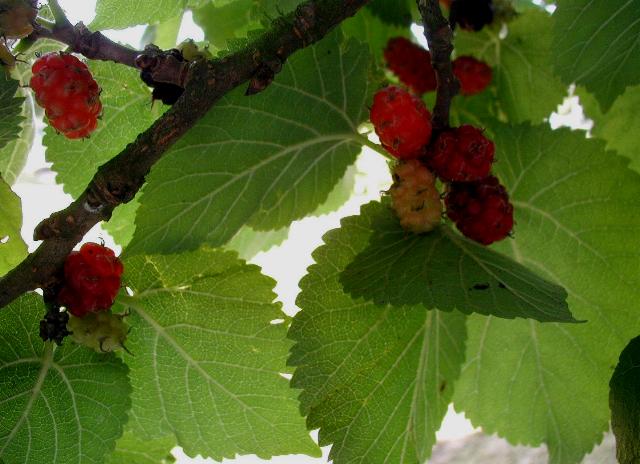
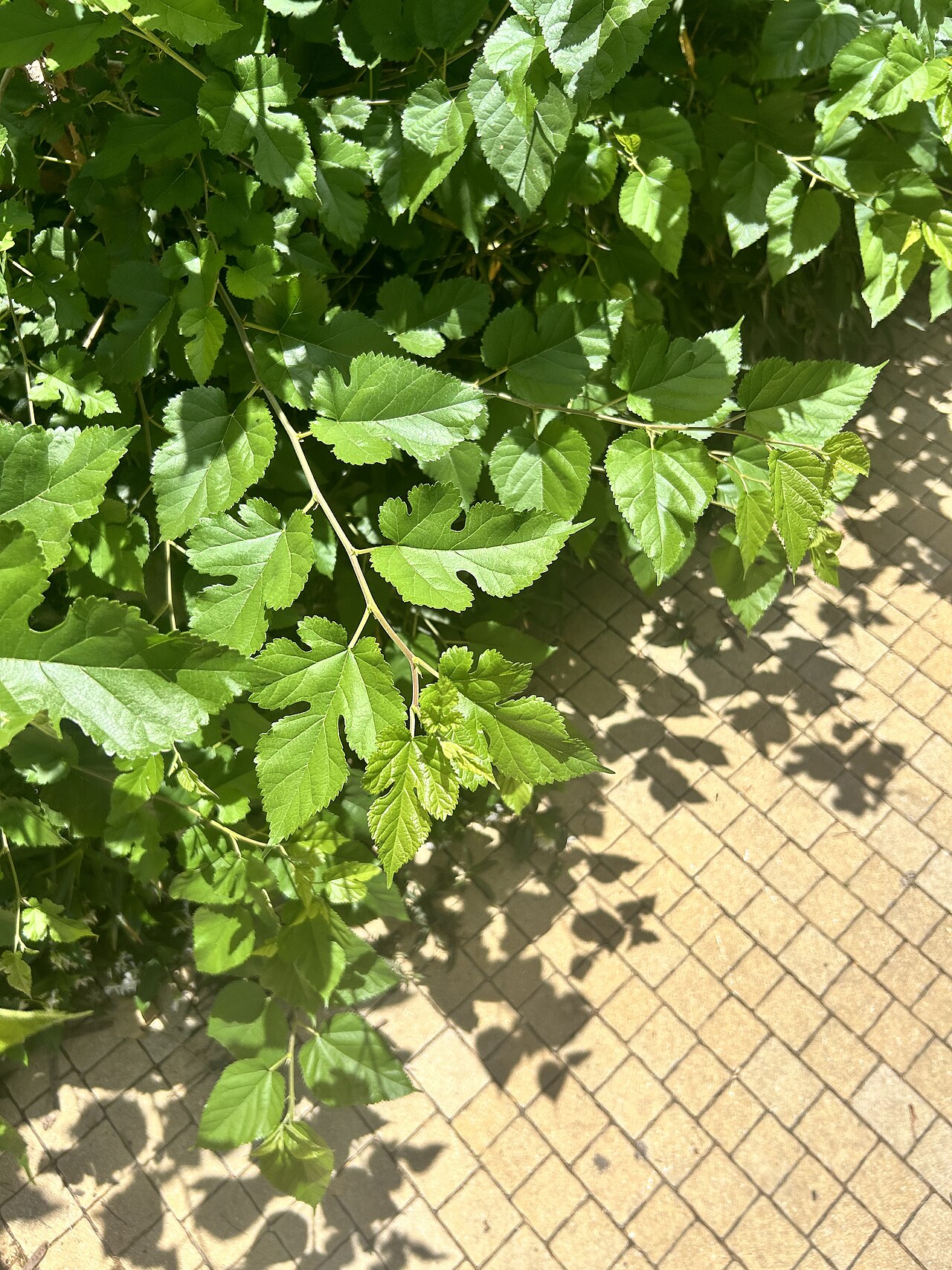
How to grow
Mulberries are the easiest fruit trees you can grow and the messiest — both facts are true at once, and you should believe both before planting. Red mulberry (Morus rubra) is native to the eastern United States and hardy; white mulberry (Morus alba) is the Asian species that can become weedy where it escapes; black mulberry (Morus nigra) has the finest flavor but needs a warmer zone and more patience. Many varieties are self-fertile, so one tree fruits, but check before buying, since some need a pollinizer. Plant in spring or fall in any decent, well-drained soil — mulberries are famously unfussy — and plant away from sidewalks, driveways, and laundry lines unless you enjoy purple footprints. Prune in winter to shape and to keep the tree pickable; an unpruned mulberry becomes a 30-foot fruit rain machine.
Water & feeding
Water during establishment; mature trees are drought-tolerant and deep-rooted. Mulch young trees and keep grass away from the trunk. Mulberries need little fertilizer — excess nitrogen produces rank growth and fewer berries.
Common problems
- Mess — ripe fruit drops and stains everything; site the tree over lawn or mulch, never over concrete you care about
- Birds — they will eat their fill, and then redecorate your car; netting a full tree is impractical, so plant enough to share
- White mulberry escaping into natural areas — prefer native red mulberry or sterile varieties where invasiveness is a concern
- Few serious pests — mulberries are notably low-spray trees
Harvest
Pick when the berries are fully colored (deep red-purple for red mulberry, black for black mulberry) and soft — white mulberry fruit ripens to white-pink and is sweet but mild. Shake a branch over a sheet for a fast harvest, and use the same day: mulberries keep terribly and are best eaten fresh, frozen, or made into jam immediately.
Browse all plant & pest guides
Saving seeds
This guide covers the mulberry genus, Morus, and the seed advice is genus-level: the species all play by the same basic rules, with the details varying a little by species. Collect the fruit when it is fully ripe and soft — dark purple for black mulberry, pale and sweet for white, deep red for our native red mulberry — and mash it in water. The good seed sinks, the pulp and empty seed float, so pour off the floaters, rinse what is left, and dry the seed briefly on paper.
Mulberry seed needs a winter before it will sprout. Mix the cleaned seed with damp sand or vermiculite, seal it in a bag, and refrigerate it for 30 to 90 days — the sources disagree on the exact length, with shorter chills working for some species and longer ones needed for others, so two to three months is the safe middle. Sow the stratified seed shallowly in spring, in a moist, well-draining mix, and keep it warm and bright. Germination is usually good and comes within a few weeks.
The honest headline is the same one that applies to most fruit trees: a seedling is a gamble, not a copy. Mulberry seedlings vary in fruit size, flavor, and how many years they take to bear, and a seedling from a named cultivar will not come true to type. If you want a specific variety, cuttings or grafting are the routes. And one caution that belongs here: the birds will do the planting for you. Mulberry seed passes through birds unharmed, so volunteers pop up everywhere under fences and power lines — which is charming until it is your gutter.
White mulberry is invasive in parts of the United States, so check your local lists before planting it, and favor our native red mulberry where you can. Save seed from fruit that was fully ripe and delicious, from a healthy tree, and sow more than you need. Keep saved seed cool and dry — Florida humidity is the enemy of stored seed, so jar it with a silica gel packet and keep it in a cool, dark place.
Varieties
Every named variety of Mulberry with its own growing guide:
- Dwarf Everbearing Mulberry — The small-tree mulberry — black, sweet fruit all summer on a tree you can keep under 6 feet.
- Pakistan Mulberry — The long-fruit mulberry — seedless berries up to 4 inches long, with a raspberry-like richness.
- Illinois Everbearing Mulberry — The classic American mulberry — large, nearly seedless, very sweet fruit over a long season.
- Shangri La Mulberry — The long-season Florida mulberry: large, sweet black fruit over a long season on a vigorous, heat-loving tree.
- Black Beauty Mulberry — The dwarf black mulberry: very large, sweet black berries on a compact tree you can keep under 10 feet.