
🫐 Pakistan Mulberry
What it looks like
Why this variety
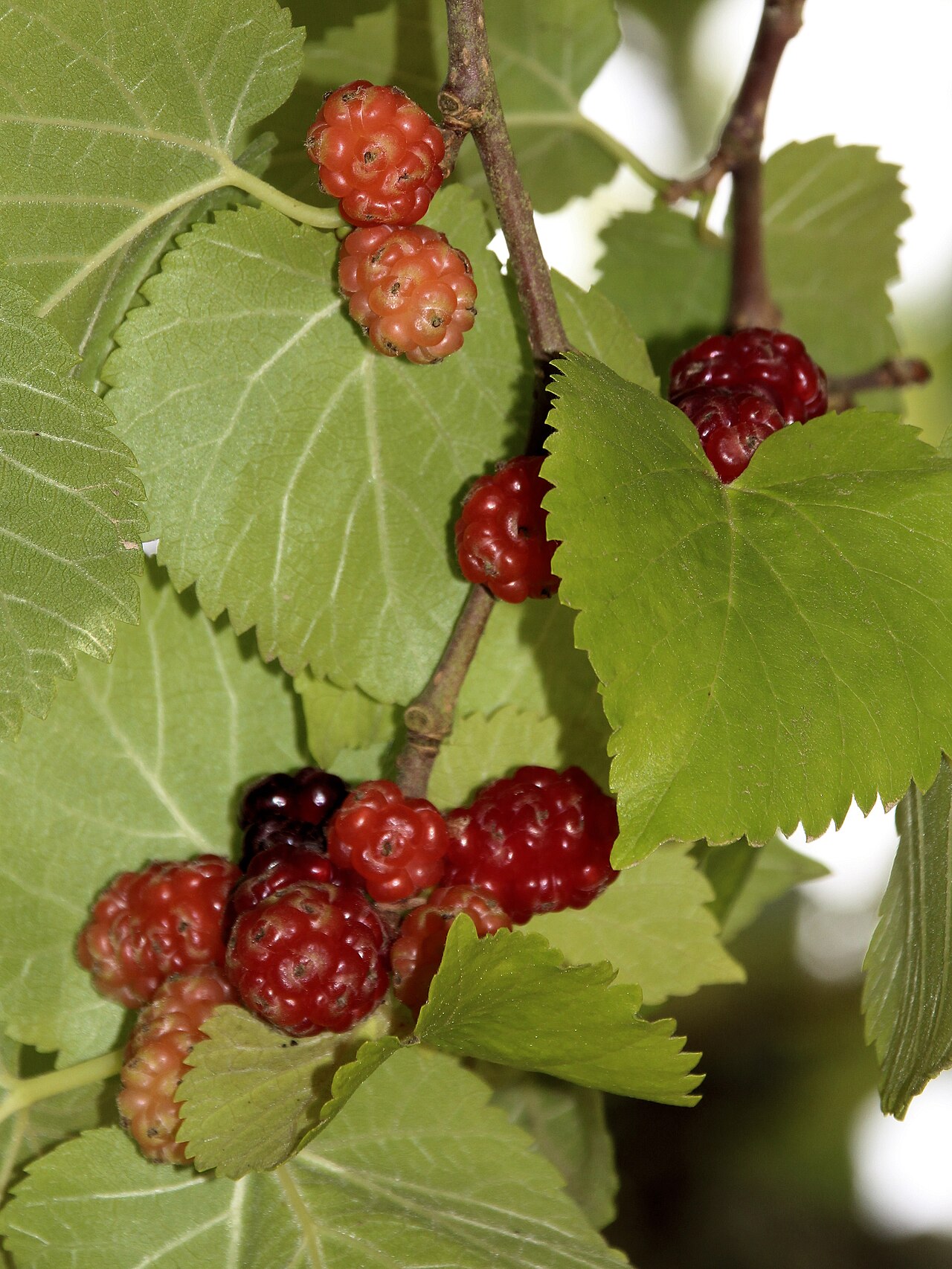
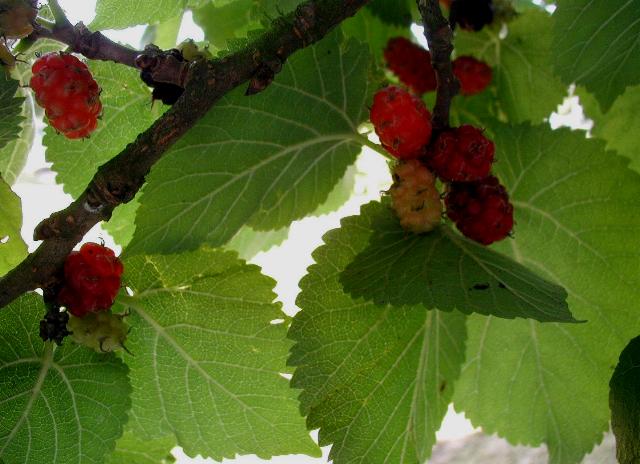
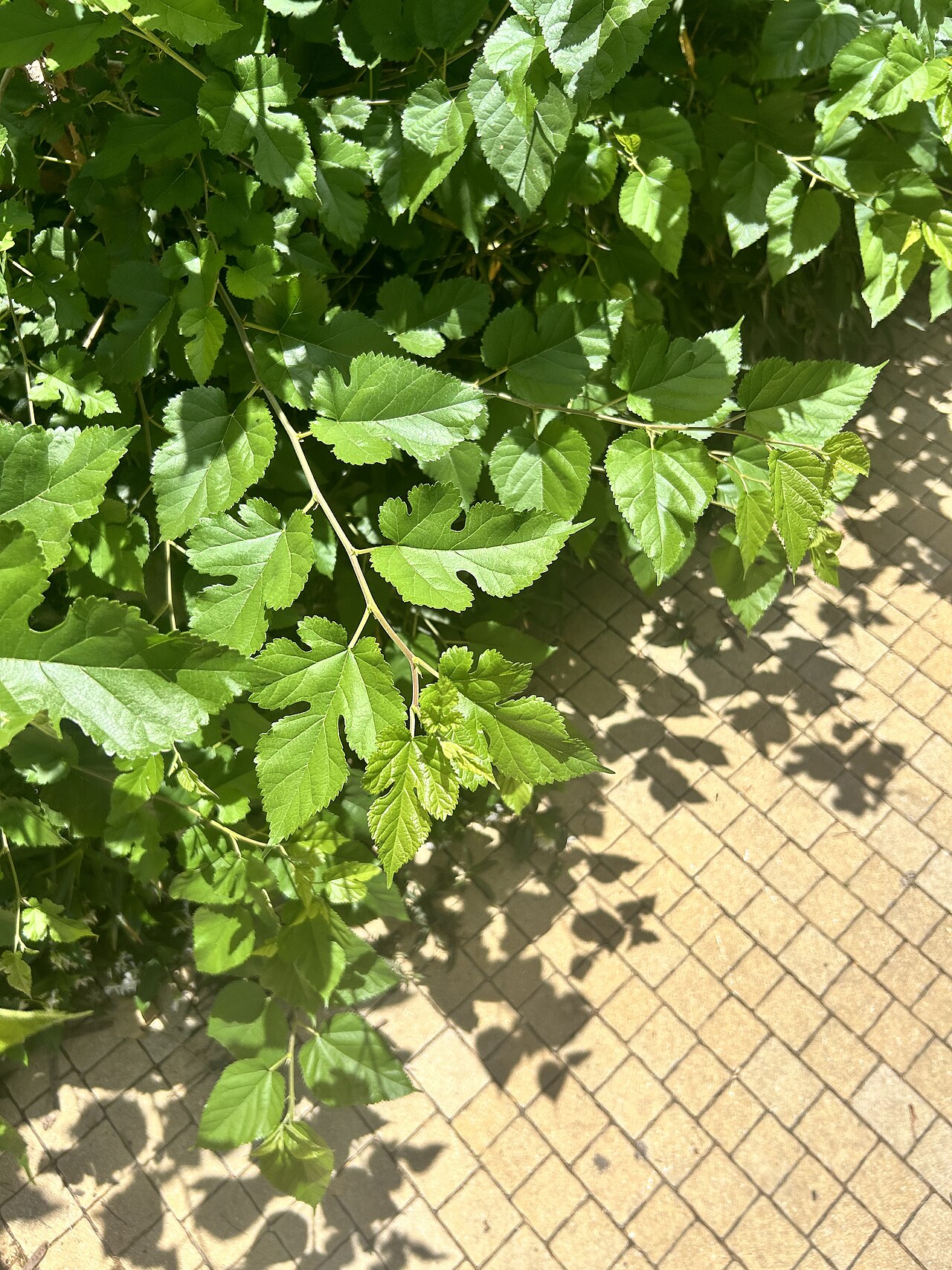
Pakistan mulberry is the show-off of the mulberry world. It produces fruit up to 4 inches long — not a typo, four inches — seedless, firm-fleshed, and sweet with a fine balance of flavors that growers describe as raspberry-like, which is high praise from people who grow raspberries. It originated in Pakistan, is recommended for the Deep South and mild-winter areas, and is one of the mulberries Florida growers name first when asked which one to plant in the warm parts of the state.
The fruit is the whole story, but the story has a practical side: Pakistan fruit is firmer than most mulberries, so it handles picking and eating better, and its long shape makes it easy to pick and dramatic on a plate. The tree is vigorous and fast-growing, fruits in spring in Florida, and — like all mulberries — will get big if you let it, so pruning to a pickable height is part of the deal, not an optional extra.
How to grow
Here is the honest Florida part first: mulberry is one of the easiest fruit trees in Florida, and the varieties below are chosen because they actually fruit here. The catch is not cold but mess and size: ripe fruit stains everything it lands on, and an unpruned tree gets big fast. Plant it away from patios, cars, and laundry lines, prune it to a height you can actually pick from, and you will have fruit by the bucket.
Plant in fall or spring in full sun, in well-drained soil, spacing 15–20 feet apart, and prune annually to maintain a height you can pick from — Pakistan’s vigor means a neglected tree quickly becomes a tree you admire from the ground while birds eat the fruit. Water through establishment, mulch thickly, and plant away from anything you do not want stained, because a 4-inch berry falling from height stains with authority.
Water & feeding
Water about an inch a week while establishing and fruiting, feed lightly with castings or compost in spring, and mulch in Florida sand. Pakistan is a warm-climate mulberry — zones 9–10 in nursery listings — so in north Florida it is a trial that may need protection in a hard freeze, while in central and south Florida it is in its element. Do not overwater: mulberry tolerates drought once established, and soggy soil invites root problems.
Common problems
- Birds, as always, are the competition; netting a large tree is impractical, so many growers accept sharing.
- Disease pressure is low, though bacterial blight can appear in wet weather — prune out affected wood.
- The Florida-specific note is the same as for all white mulberries: remove volunteers and do not plant near natural areas where it can naturalize.
- Pakistan is harder to propagate from cuttings than some mulberries, so buy a grafted or rooted plant from a reputable nursery rather than assuming a cutting will take.
Harvest
Pick when fruit is fully dark and soft, in spring in Florida, shaking branches over a sheet or picking by hand into shallow containers. Eat fresh the day it is picked for the best flavor, or freeze on trays; Pakistan’s firm flesh freezes better than softer mulberries, which is a genuine advantage when the tree produces more than you can eat fresh.
Browse all plant & pest guides
Saving seeds
Pakistan mulberry is the show-off of the mulberry world. It produces fruit up to 4 inches long — not a typo, four inches — seedless, firm-fleshed, and sweet with a fine balance of flavors that growers describe as raspberry-like, which is high praise from people who grow raspberries. It originated in Pakistan, is recommended for the Deep South and mild-winter areas, and is one of the mulberries Florida growers name first when asked which one to plant in the warm parts of the state. As a named mulberry variety it is kept true by cuttings and grafting, not by seed — and its fruit is seedless, so there is no seed to save anyway. Plant in fall or spring in full sun, in well-drained soil, spacing 15 to 20 feet apart, and prune annually to maintain a height you can pick from. The full method is in the Saving seeds section of the Mulberry guide.